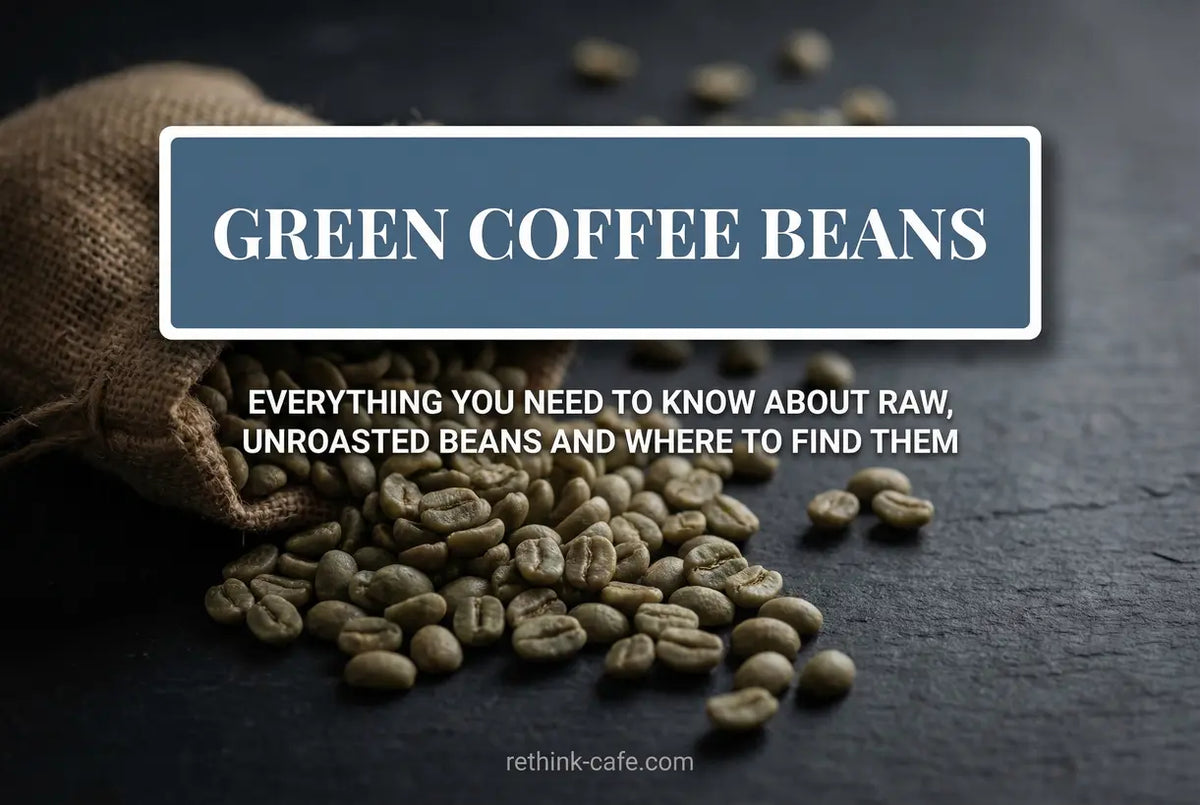
If you've ever walked into a specialty coffee shop and noticed the pale, almost jade-colored beans in the display case, you've encountered green coffee beans in their raw, unroasted form. These unroasted seeds represent the starting point of every cup of coffee you've ever enjoyed, yet many home baristas have never considered working with them directly.
More enthusiasts are discovering that buying raw, unroasted coffee beans opens up an entirely new dimension of coffee craftsmanship. From controlling roast profiles to experiencing beans at peak freshness, the benefits extend far beyond what pre-roasted options can offer. This guide explores what green coffee beans actually are, why they matter, where to source quality beans, and the tools you'll need to transform them into exceptional coffee at home.

What Are Green Coffee Beans?
Green coffee beans are simply coffee seeds in their raw, unroasted state. Before they undergo the transformative roasting process that gives them their characteristic brown color and complex flavor profile, coffee beans naturally appear pale green to yellowish-green with a slightly matte finish. They have a grassy, earthy aroma distinctly different from roasted coffee.

From Coffee Cherry to Green Bean
The journey from tree to your cup begins with the coffee cherry. Once harvested, producers remove the outer fruit pulp and parchment layer through washing or dry-processing methods, leaving behind the inner seed. These seeds—what we call green coffee beans—are then dried to a moisture content of approximately 10-12% and stored until roasting. The drying process preserves the beans' viability while stabilizing them for long-term storage and transport.
Visual Characteristics of Quality Unroasted Beans
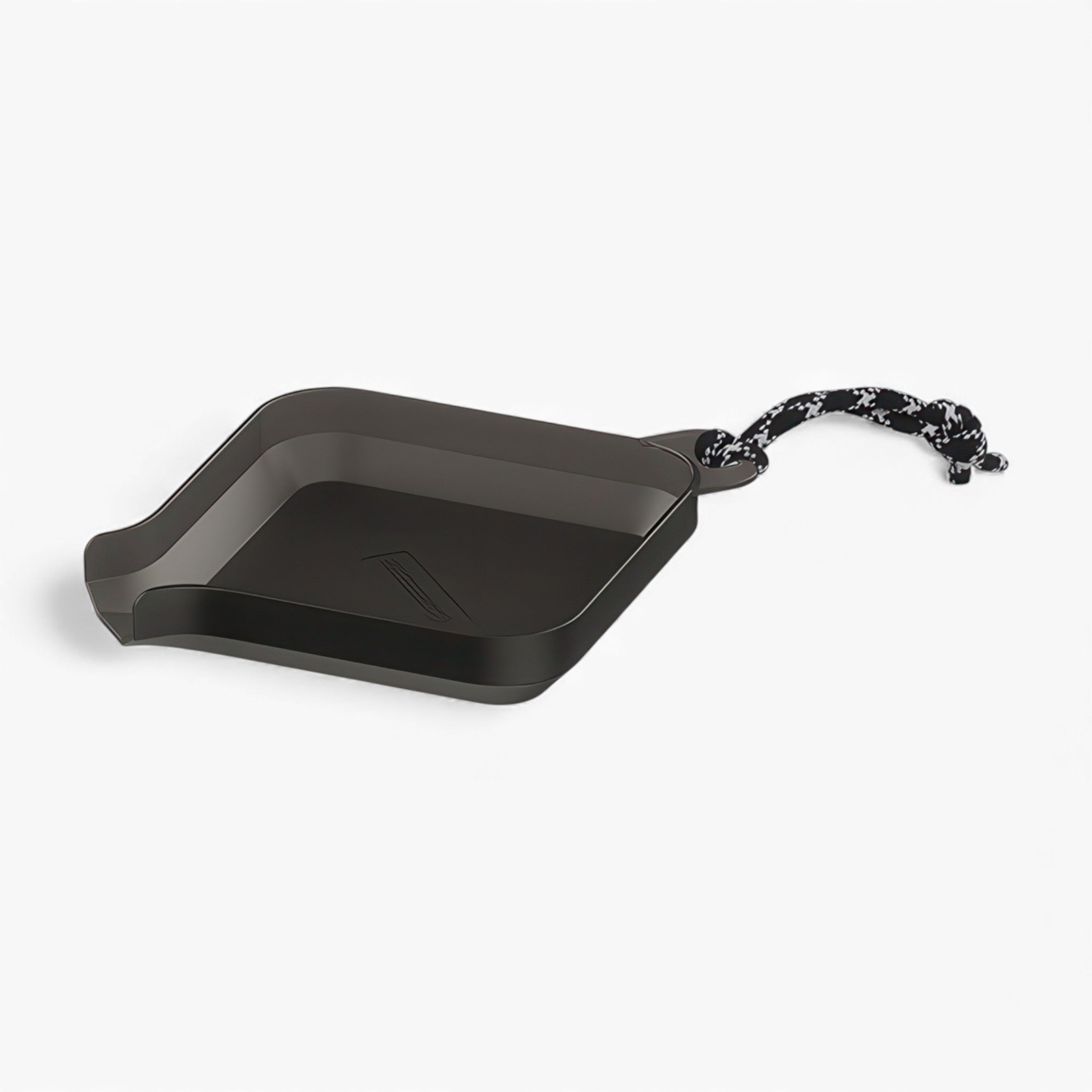
When evaluating Coffee Bean Weighing Tray with Universal Pour Spout alongside your beans, look for consistent size, uniform pale green coloring, and minimal visible defects. High-quality raw beans should feel firm and emit a faint, pleasant grassy scent. Avoid beans with visible cracks, discoloration, or musty odors, as these indicate improper storage or processing issues that will affect your final cup quality.
The Benefits of Green Coffee Beans for Home Baristas
Investing in raw beans isn't just about novelty—it delivers tangible advantages that elevate your entire home coffee experience. Understanding these benefits helps you determine whether home roasting deserves a place in your coffee journey.
Unmatched Freshness Control
The single greatest advantage of working with unroasted beans is the ability to roast in small batches as needed. Coffee begins losing its volatile aromatic oils within days of roasting. By roasting at home, you eliminate the weeks or months of shelf time that store-bought roasted beans endure, ensuring every cup captures coffee at its aromatic peak.
Complete Roast Profile Control
Pre-roasted coffee locks you into someone else's roasting decisions. With green beans, you determine everything from light city roasts that preserve origin characteristics to deep French roasts that emphasize body and bittersweet flavors. This control allows you to explore how different beans respond to various roast levels and find your personal sweet spot.
Expanded Origin Exploration
Green coffee suppliers typically offer far more variety than local roasters can affordably stock. You can experiment with micro-lots from specific farms, rare varietals like Gesha or Pacamara, or seasonal harvests from regions rarely seen in commercial coffee. This variety transforms your morning cup into a global tasting adventure.
Long-Term Value
While green beans require an initial investment in roasting equipment, they typically cost 30-50% less per pound than pre-roasted specialty coffee. Combined with proper storage techniques, you can build a diverse home coffee library that lasts months while maintaining freshness.
Selecting and Evaluating Quality Green Coffee Beans
Not all raw beans are created equal. Learning to assess unroasted coffee before purchasing—and before roasting—protects you from disappointment and ensures you're working with beans that can reach their full potential.
Grading Standards and Defects
Commercial green coffee trading uses standardized grading systems based on bean size, defect count, and cupping scores. Specialty-grade beans (typically 80+ points) represent the top tier with minimal defects and outstanding flavor potential. When buying, look for detailed descriptions of screen size (indicates bean dimensions), processing method, and cupping notes.
Inspecting Your Beans Before Roasting
Before any roast begins, take time to examine your unroasted beans carefully. Spread them in a single layer and look for quakers (underdeveloped beans that won't roast evenly), insect damage, or chipped beans that can ruin a roast. This quality control step takes only minutes but significantly improves your success rate.

Coffee Bean Weighing Tray with Universal Pour Spout
$12.90 $22.00
Weigh your green coffee beans with precision before roasting. The square-bottom design spreads beans in a single layer, perfect for inspecting unroasted beans before the roast process begins.
Explore ProductCan I Roast Green Coffee Beans at Home?
Home roasting has never been more accessible. From budget-friendly popcorn poppers to sophisticated digital roasters, equipment exists at every price point for enthusiasts ready to explore roasting. The process involves heating beans while agitating them continuously until they reach your desired roast level, then cooling them rapidly to stop the roasting process.

The video below provides a straightforward introduction to home roasting fundamentals, demonstrating how accessible this craft has become for kitchen enthusiasts:
How to Store Green Coffee Beans Properly
One of green coffee's major advantages is its extended shelf life compared to roasted coffee. When stored correctly, unroasted beans remain viable for 12 to 18 months—or even longer if conditions are ideal.
Optimal Storage Conditions
Green beans require a cool, dry, and stable environment away from direct light and strong odors. Temperatures between 60-75°F with humidity levels around 60% create ideal conditions. While not as sensitive as roasted coffee, temperature fluctuations and high humidity can degrade bean quality over time or cause mold growth.
Packaging Solutions
Store green beans in breathable but protective containers. Specialized coffee storage bags with one-way valves work well, as do food-grade plastic buckets with tight-fitting lids. Some enthusiasts prefer mesh bags that allow air circulation while protecting against pests. Avoid airtight glass containers that can trap moisture and promote condensation.
Pro Tip: Label all green coffee storage with the origin, varietal, processing method, and purchase date. This documentation helps you track aging, manage inventory, and reproduce successful roasts.
Where to Buy Green Coffee Beans
Finding quality raw coffee sources has become increasingly straightforward for home roasters. Multiple channels now serve the growing home roasting community with excellent variety and competitive pricing.
Specialty Green Coffee Suppliers
Dedicated green coffee importers cater specifically to home roasters, offering small batch sizes ranging from one to five pounds. These suppliers often provide detailed origin information, cupping scores, and roast recommendations. Many operate online stores with comprehensive selection filters by region, processing method, and flavor profile.
Direct Trade and Cooperative Options
Some fair trade organizations and direct trade relationships now offer green beans to consumers, allowing you to support farmers directly while accessing unique micro-lots and seasonal offerings unavailable through commercial channels.
Local Roasters and Coffee Shops
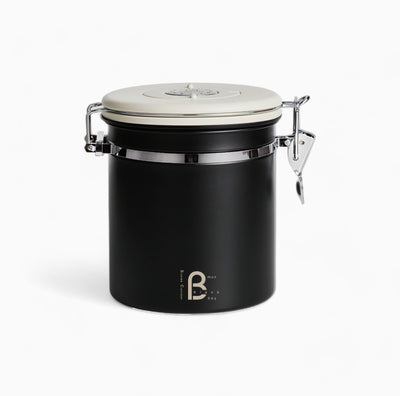
Don't overlook your neighborhood specialty coffee roaster. Many sell green coffee to customers interested in home roasting, offering the advantage of seeing beans before purchase and accessing expert advice about specific lots. Coffee storage solutions from Rethink Cafe can help you organize your growing green bean collection alongside your brewing setup.
Essential Tools for Working With Green Coffee Beans
Succeeding with home roasting and brewing from raw beans requires quality equipment. While the roasting apparatus gets most attention, supporting tools significantly improve your consistency and enjoyment throughout the process.
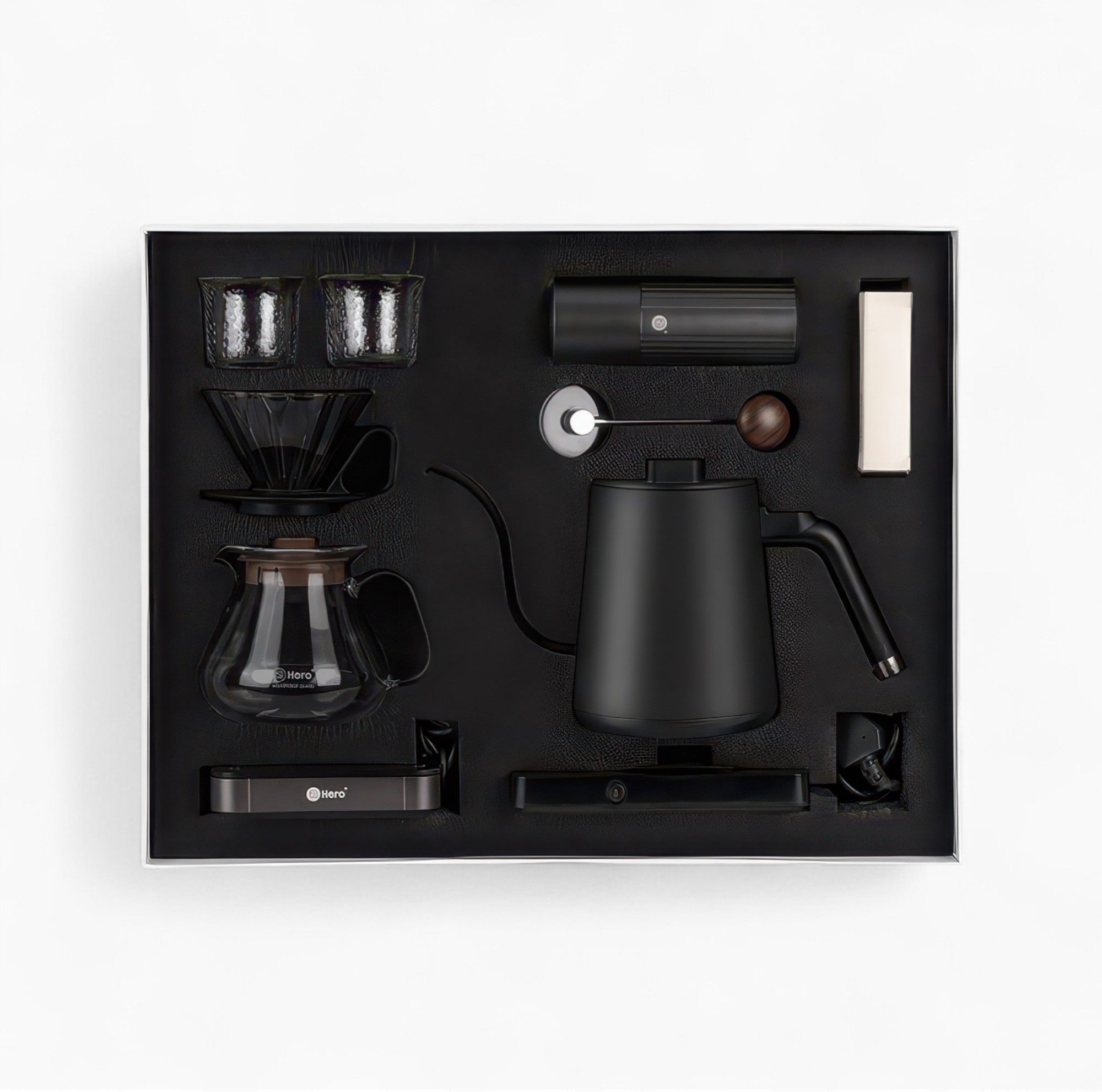
After roasting your green beans, the journey continues through grinding and brewing. The Complete Pour Over Coffee Kit with Electric Grinder provides everything needed to extract maximum flavor from your freshly roasted creations, with precision temperature control and professional-grade grinding capabilities.
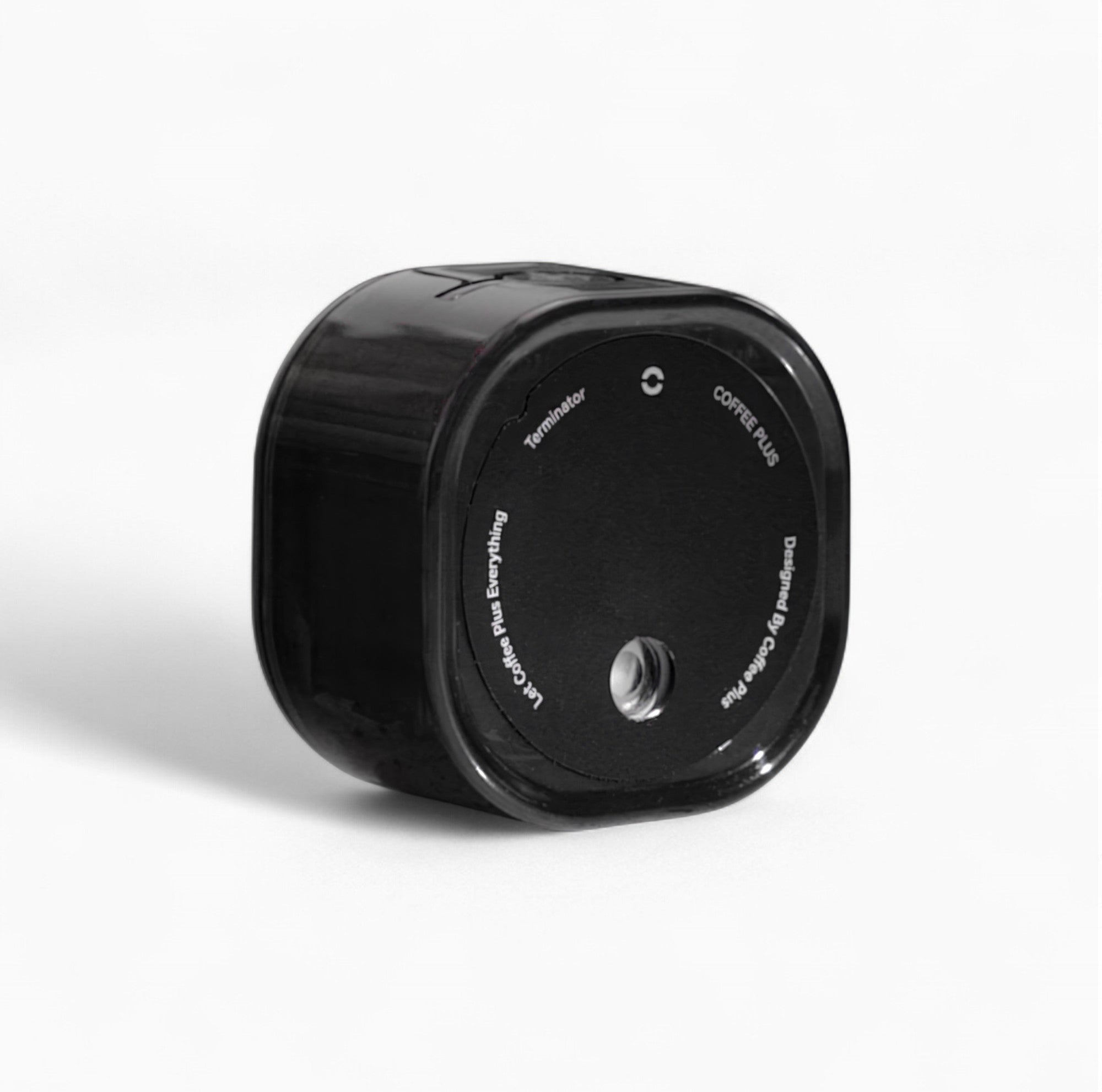
Once your beans transition from green to roasted, proper preparation becomes essential. The Electric Anti-Static Bean Sprayer for Espresso solves one of home roasting's persistent challenges—static buildup that causes inconsistent dosing and grind retention. This tool's controlled micro-mist application prepares your roasted beans for flawless grinding, ensuring your home-roasted coffee reaches its full potential in the cup.
Complete Your Home Roasting Setup

Complete Pour Over Coffee Kit with Electric Grinder
$305.90
$560.00
After roasting your green coffee beans, this comprehensive kit helps you extract the perfect cup. Features precision temperature control kettle and professional-grade grinder for cafe-quality results at home. Learn more ➔

Electric Anti-Static Bean Sprayer for Espresso
$25.90
$87.00
Prepare your roasted beans for grinding with this anti-static sprayer that delivers a controlled micro-mist. Essential for home roasters who want consistent dosing and minimal grind retention. Learn more ➔
Elevating Your Coffee Experience From the Source
Green coffee beans represent the ultimate expression of coffee craftsmanship—complete control from raw seed to finished cup. By understanding what unroasted beans offer, sourcing quality green coffee, and investing in the right preparation and brewing tools, you join a community of enthusiasts who refuse to accept anything less than peak freshness and personalized flavor.
At Rethink Cafe, we understand the passion driving home roasters and specialty coffee lovers. Our curated selection of brewing equipment, from precision weighing trays to complete pour-over systems and anti-static preparation tools, supports every stage of your coffee journey. Whether you're building your first home roasting setup or refining an established workflow, we provide the specialized equipment that transforms raw green beans into extraordinary coffee experiences.
Frequently Asked Questions about Green Coffee Beans
Green coffee beans are raw, unroasted coffee seeds that have been processed and dried after harvesting but before roasting. They appear pale green to yellowish-green with a matte finish and grassy aroma. These beans must be roasted before brewing to develop the flavors and aromas we associate with coffee.
You can buy green coffee beans from specialty green coffee suppliers online, local coffee roasters who sell raw beans to consumers, direct trade relationships with coffee farms and cooperatives, and some natural food stores. Many suppliers offer small batch sizes perfect for home roasters, starting at one pound.
The main benefits of green coffee beans include complete control over roast freshness, ability to customize roast profiles for your taste preferences, access to a wider variety of origins and micro-lots, extended shelf life of 12-18 months when stored properly, and cost savings of 30-50% compared to buying pre-roasted specialty coffee.
Store green coffee beans in a cool, dry place between 60-75°F with humidity around 60%. Use breathable containers like specialized coffee storage bags with one-way valves or food-grade plastic buckets. Keep beans away from direct light, strong odors, and temperature fluctuations. Properly stored green beans remain viable for 12-18 months or longer.
Yes, home roasting is accessible to anyone with basic equipment. Options range from inexpensive popcorn poppers and stovetop whirley pop pans to dedicated home coffee roasters with digital controls. The process involves heating beans while agitating them continuously until reaching your target roast level, then cooling rapidly to stop the roast.