

When you reach for your morning brew, have you ever paused to wonder what are coffee beans, exactly? That aromatic foundation of your daily ritual isn't quite what it seems. Despite the name, these beloved brown jewels aren't beans at all—they're seeds. And they don't grow on bushes or trees in the form you're used to seeing them. They begin their journey as the pit of a vibrant, cherry-like fruit that thrives in some of the world's most equatorial regions.
Understanding the true nature of coffee fundamentally changes how you appreciate every cup. From the misty highlands of Ethiopia to your kitchen counter, coffee beans undergo a remarkable transformation that combines agriculture, craftsmanship, and science. In this comprehensive guide, we'll explore everything from the botanical reality of coffee cherries to the distinct characteristics of Arabica and Robusta varieties. Whether you're a curious sipper or a dedicated home barista, knowing what are coffee beans and how they develop will deepen your appreciation for specialty coffee—and help you make better choices when selecting and storing your beans.
What Are Coffee Beans Really? Seeds, Not Beans
Let's clear up the biggest misconception right away: coffee beans are seeds, not beans. Botanically speaking, what we call a "coffee bean" is actually the pit of the Coffea plant's fruit. When you examine raw, unroasted coffee, you'll notice that each bean has a characteristic groove running down one side—this is the same structure you'd find in the seeds of many stone fruits like peaches or cherries.
The confusion likely stems from historical terminology and the bean-like appearance of roasted coffee. However, unlike true beans (which are legumes that split open along two seams), coffee seeds remain intact and singular. This distinction matters because understanding that you're working with a seed helps explain why proper storage is crucial—seeds are living organisms that can degrade when exposed to oxygen, moisture, and light.

Each coffee cherry typically contains two seeds facing each other, flat sides touching. Occasionally, a cherry will contain only one seed, which develops into a rounded "peaberry"—a smaller, denser bean that some connoisseurs prize for its concentrated flavor. Whether flat or round, these seeds are packed with complex carbohydrates, proteins, and lipids that will eventually develop into the aromatic compounds we associate with great coffee.
The Coffee Cherry: Understanding Coffee as a Fruit
Before they become the brown beans you know, coffee starts life as a fruit. The Coffea plant produces small, oval berries called coffee cherries that ripen from green to yellow, then to vibrant red, orange, or even purple depending on the variety. These cherries grow in clusters along the branches of evergreen shrubs or small trees that can reach up to 30 feet in height in the wild, though most commercial plants are pruned to manageable harvesting heights.

The coffee cherry consists of several layers: the outer skin (exocarp), the pulpy middle layer (mesocarp), a parchment-like inner shell (endocarp), a silver skin, and finally the seed itself. When harvested at peak ripeness, these cherries contain high sugar content that plays a crucial role in developing the final flavor profile during processing and roasting. This brings us to an important distinction: coffee is definitely a fruit, not a vegetable, since it develops from the flower of the plant and contains seeds.
The journey from coffee cherry to bean involves careful processing. Farmers must remove the fruity layers surrounding the seed through various methods—washed (wet), natural (dry), or honey processes—each imparting different characteristics to the final cup. This transformation from sweet, fruity cherry to aromatic roasted seed is one of agriculture's most fascinating metamorphoses.
Where Do Coffee Beans Come From? Origins and Growing Regions
The story of coffee begins in the coffee bean origin regions located primarily between the Tropics of Cancer and Capricorn—often called the "Coffee Belt." This equatorial zone provides the perfect combination of altitude, rainfall, and temperature that Coffea plants require to thrive. Ethiopia, widely recognized as the birthplace of Arabica coffee, remains one of the most celebrated origins, producing beans with distinctive floral and fruity characteristics.
Today, coffee cultivation spans approximately 70 countries, with Brazil, Vietnam, Colombia, Indonesia, and Ethiopia leading global production. However, geography significantly impacts flavor. Beans grown at higher elevations (above 1,200 meters) tend to develop more complex acidity and sweetness due to slower maturation and denser cellular structure. This is why you'll often see elevation noted on specialty coffee bags alongside the country and region of origin.
The specific microclimate of each farm—soil composition, rainfall patterns, and shade coverage—creates the "terroir" that makes coffee from different regions taste distinctively unique. From the volcanic soils of Guatemala to the high plateaus of Kenya, where your beans come from fundamentally shapes what ends up in your cup.


Coffee Seed vs Bean: Debunking the Legume Myth
One persistent question that confuses many coffee drinkers is whether coffee beans are legumes. The answer is definitively no. Legumes belong to the Fabaceae family—plants that produce pods splitting along two seams, like peas, lentils, or peanuts. Coffee, however, comes from the Rubiaceae family, which includes gardenias and quinine. The seeds grow inside fleshy fruits rather than pods.
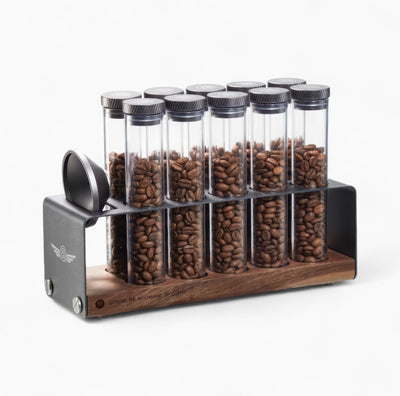
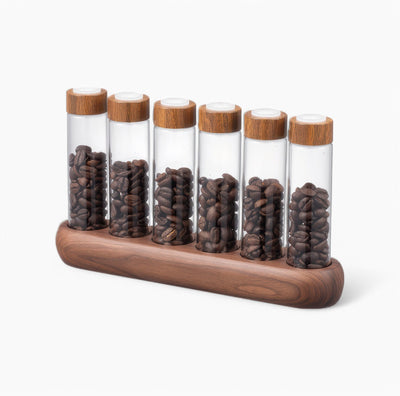
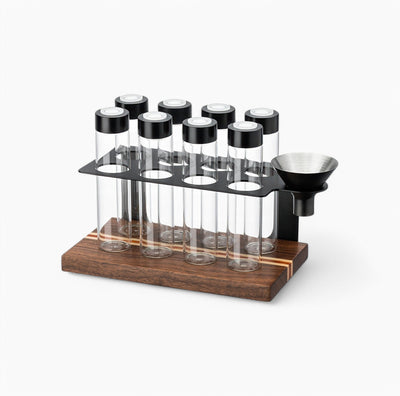
This distinction matters for storage and freshness. Unlike dried legumes that can last years in a pantry, coffee seeds contain volatile aromatic oils that begin to degrade immediately after roasting. Exposure to oxygen is the primary enemy of fresh coffee, causing oxidation that leads to stale, flat flavors. Understanding this biological reality helps explain why proper storage solutions are essential for anyone serious about coffee quality.

Vacuum Sealed Coffee Bean Storage Canister Stainless Steel
$38.90 $83.00
Preserve your premium coffee beans freshness with this vacuum sealed canister. Advanced extraction technology removes oxygen while the one-way valve releases CO2 for optimal bean storage.
Explore ProductThe Vacuum Sealed Coffee Bean Storage Canister addresses this biological reality directly. By removing oxygen from the storage environment while allowing CO2 to escape through a one-way valve, this canister treats your coffee like the fresh seed product it truly is—preserving those delicate aromatic compounds that begin dissipating the moment beans leave the roaster.
The Coffee Bean Growing Process: From Flower to Harvest
Understanding the coffee bean growing process illuminates why specialty coffee commands premium prices. After planting, a coffee tree takes 3-4 years to produce its first significant harvest. The plants flower with delicate, jasmine-scented white blossoms that last only a few days before giving way to green cherries. These gradually ripen over 6-9 months, turning from green to yellow, then orange, and finally to a deep red "cherry"—though some varietals ripen to yellow or even purple hues.
Harvesting methods vary from hand-picking (which selects only ripe cherries) to mechanical stripping (which collects all cherries at once regardless of ripeness). Specialty coffee producers almost exclusively use selective hand-picking to ensure optimal sugar development and flavor. A single picker might harvest 100-200 pounds of cherries daily, yielding only 20-40 pounds of actual beans after processing.
After harvest, processors must remove the fruit layers quickly to prevent spoilage. The washed process removes all fruit before drying, producing clean, acidic profiles. The natural process dries cherries intact, allowing fruit sugars to impart sweetness and body. Honey processes remove the skin but leave some mucilage, creating a middle ground. Each method significantly impacts the final taste, demonstrating how processing is as crucial as growing地理位置.
Arabica vs Robusta: Understanding the Two Main Coffee Species
When exploring what are coffee beans, you'll encounter two primary commercial species: Coffea arabica and Coffea canephora (commonly called Robusta). These aren't merely different varieties—they're distinct species with dramatically different characteristics, growing requirements, and flavor profiles.
Arabica accounts for approximately 60-70% of global production and grows best at high elevations (600-2,000 meters) in cooler temperatures. These plants are more delicate, susceptible to pests and diseases, and require careful cultivation. However, they reward this effort with superior cup quality—Arabica typically offers greater sweetness, complex acidity, and nuanced flavor notes ranging from floral and fruity to chocolatey and nutty.
Robusta, as the name suggests, is hardier. It grows at lower elevations, thrives in hotter climates, resists diseases better, and produces higher yields. Robusta beans contain roughly double the caffeine of Arabica (another natural pest deterrent) and exhibit more bitterness with earthy, woody, or rubbery notes. While often dismissed by specialty coffee enthusiasts, high-quality Robusta can add body and crema to espresso blends, and Vietnamese coffee culture has developed sophisticated preparation methods that showcase Robusta's unique strengths.
When selecting beans, check labels carefully—specialty-grade coffee is almost exclusively Arabica, while commercial instant coffees and some espresso blends incorporate Robusta for strength and crema.
Processing Methods: Transforming Cherry to Green Bean
The coffee cherry to bean transformation is where farming meets craftsmanship. Once harvested, cherries must be processed within 24 hours to prevent uncontrolled fermentation or mold. The three primary methods—washed, natural, and honey—each create distinct flavor profiles while preserving the seed for export and eventual roasting.
Washed (Wet) Processing: The cherry skin and mucilage are mechanically removed, then beans ferment in water tanks to break down remaining sugars. After washing and drying, this method produces clean, bright, acidic coffees that showcase the bean's intrinsic qualities—popular for showcasing terroir in Latin American and African coffees.
Natural (Dry) Processing: Cherries dry intact on raised beds or patios for 2-4 weeks, absorbing sugars and fruit character from the skin. This ancient method requires careful monitoring to prevent defects but yields intensely fruity, complex, and often wine-like coffees characteristic of Ethiopian and Brazilian naturals.
Honey (Pulped Natural) Processing: A hybrid approach where skins are removed but some sticky mucilage (called "honey") remains during drying. This creates coffees with the body of naturals but cleaner profiles, popular in Costa Rica and Central America where water conservation is also a concern.
Unlocking Flavor: The Critical Role of Grinding
Once you understand what are coffee beans and how they arrive at your door, the next crucial step is grinding. Coffee starts losing volatile aromatics within minutes of grinding, which is why serious home baristas invest in quality grinders. The consistency of your grind size directly impacts extraction—uneven grounds produce both over-extracted bitterness and under-extracted sourness simultaneously.

Flat burr grinders are prized in specialty coffee for producing uniform particle sizes and minimal heat transfer, preserving delicate aromatics. The ability to make micro-adjustments also allows you to dial in extraction for different brewing methods—from Turkish superfine to coarse cold brew settings.
Essential Tools for the Serious Home Barista

T64 Single Dose Coffee Grinder with 64mm Flat Burrs
$345.90
$356.00
Experience cafe-quality grinding at home with 64mm titanium-coated flat burrs, near-zero retention, and stepless adjustment. Perfect for unlocking the full potential of your favorite beans. Learn more ➔

Black Warrior M2 Espresso Scale with Flow Detect
$57.90
$97.00
Achieve precise 0.1g accuracy with automatic flow detection and three intelligent brewing modes. Essential for consistent dosing when preparing your morning espresso. Learn more ➔
The T64 Single Dose Coffee Grinder represents the kind of equipment that respects the journey these seeds have taken. With 64mm titanium-coated flat burrs and near-zero retention, it ensures that the nuanced flavors developed through careful farming and processing actually reach your cup rather than being lost to inconsistent particle sizes or stale grounds left in the grinder.
Similarly, brewing precision matters immensely when you've invested in quality beans. The Black Warrior M2 Espresso Scale provides the 0.1g accuracy necessary for consistent extraction, featuring intelligent flow detection that helps you dial in the perfect shot—because when you understand what are coffee beans and the journey they've taken, wasting that potential with imprecise brewing becomes unthinkable.
Conclusion: From Seed to Cup, a Journey Worth Understanding
Understanding what are coffee beans fundamentally transforms your relationship with your daily brew. These remarkable seeds—the pits of Coffea cherries—travel from equatorial mountainsides through careful harvesting, processing, roasting, and brewing to reach your cup. They're not legumes, they're not vegetables, and they're certainly not as simple as the name "bean" suggests. They're complex botanical seeds containing hundreds of volatile compounds that create the flavors and aromas coffee lovers cherish.
The journey from cherry to cup involves countless hands, from farmers selectively picking ripe cherries to processors carefully drying seeds, to roasters coaxing out caramelized sugars and aromatic oils. When you understand this journey—the biological reality that coffee beans are seeds, the geographic factors that shape flavor, the processing methods that develop character—you make better decisions about purchasing, storing, and preparing your coffee.
At Rethink Cafe, we believe that great coffee deserves respect at every stage. From proper storage that treats beans like the fresh seeds they are, to precision grinding that preserves their volatile aromatics, to accurate brewing that extracts their full potential—the right tools honor the journey these seeds have taken. Whether you're just beginning to explore specialty coffee or you're refining your home espresso technique, understanding what are coffee beans is the foundation upon which all great coffee experiences are built.
Frequently Asked Questions about Coffee Beans
Yes, coffee beans are actually seeds. Specifically, they are the pits of the coffee cherry, which is the fruit of the Coffea plant. Each cherry typically contains two seeds (beans) that are separated, processed, dried, and eventually roasted. Despite being called "beans" due to their appearance, they share no botanical relationship with true legumes like peas or lentils.
Coffee is a fruit. The coffee plant produces coffee cherries, which are berries that contain seeds (what we call coffee beans). Since coffee cherries develop from the flower of the plant and contain seeds, they are classified botanically as fruits, not vegetables. The seeds inside these fruits are extracted, processed, and roasted to create the coffee we drink.
No, coffee beans are not legumes. Legumes belong to the Fabaceae family and typically grow in pods that split along two seams (like peas, lentils, or peanuts). Coffee beans come from the Rubiaceae family and are actually seeds found inside fleshy fruits called coffee cherries. This is an important distinction because unlike dried legumes that store well long-term, coffee seeds contain oils that can go stale quickly when exposed to oxygen and moisture.
Coffee beans originate from the "Coffee Belt," a region between the Tropics of Cancer and Capricorn where Coffea plants thrive. Ethiopia is considered the birthplace of Arabica coffee, but major producing countries now include Brazil, Vietnam, Colombia, Indonesia, and various African and Central American nations. The specific origin significantly impacts flavor, with high-altitude regions typically producing more complex, acidic, and nuanced coffees compared to lower elevation beans.
Arabica and Robusta are two different species of coffee plants with distinct characteristics. Arabica (Coffea arabica) grows at higher elevations, is more delicate, susceptible to disease, and produces beans with complex acidity, sweetness, and nuanced flavors. It accounts for about 60-70% of global production. Robusta (Coffea canephora) is hardier, grows at lower elevations, contains nearly double the caffeine, and produces beans with more bitterness, body, and earthy or woody notes. Specialty coffee typically uses Arabica, while Robusta is common in espresso blends and instant coffee.


