
Milk Pitchers
10 products
Showing 1 - 10 of 10 products


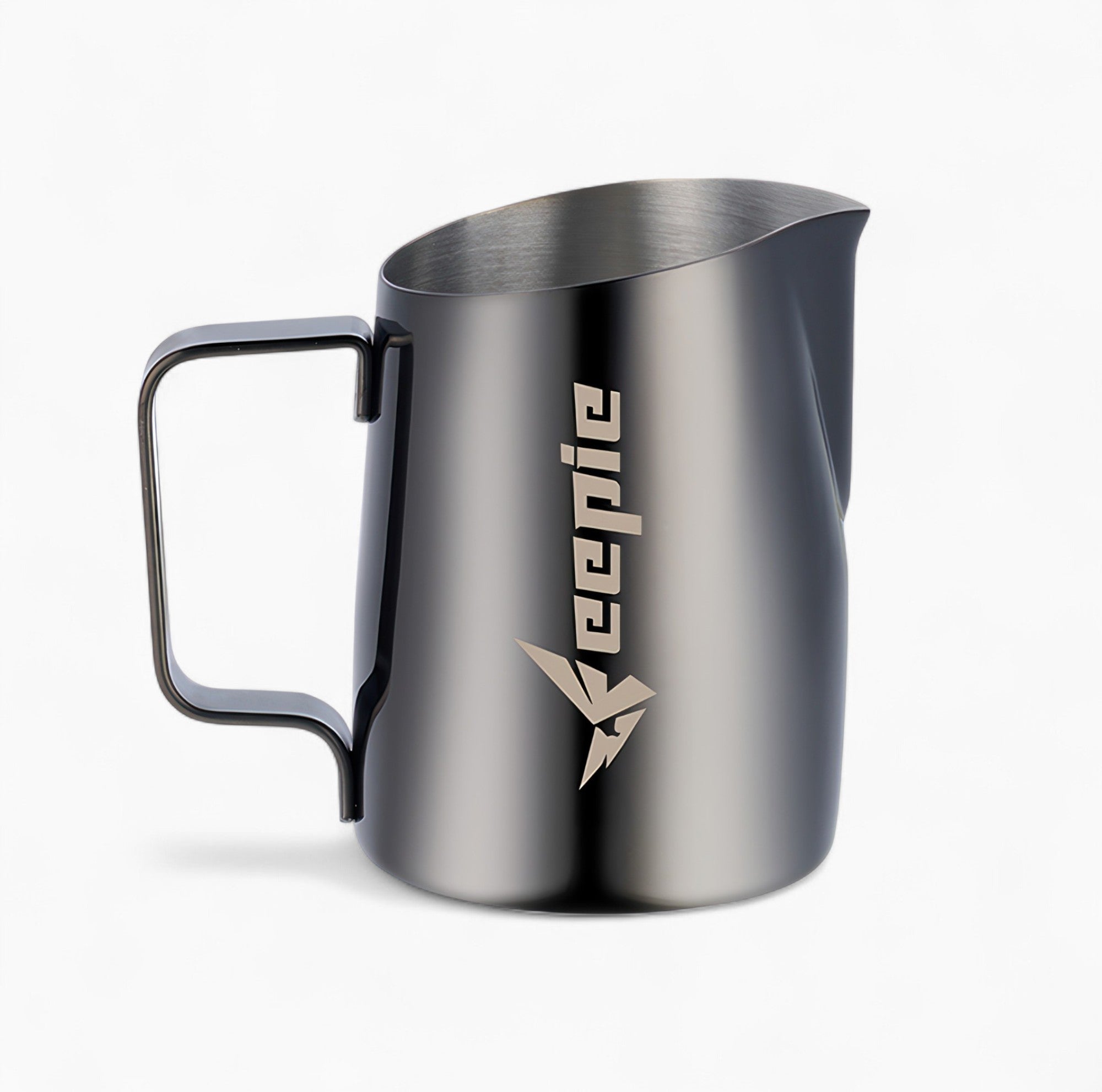


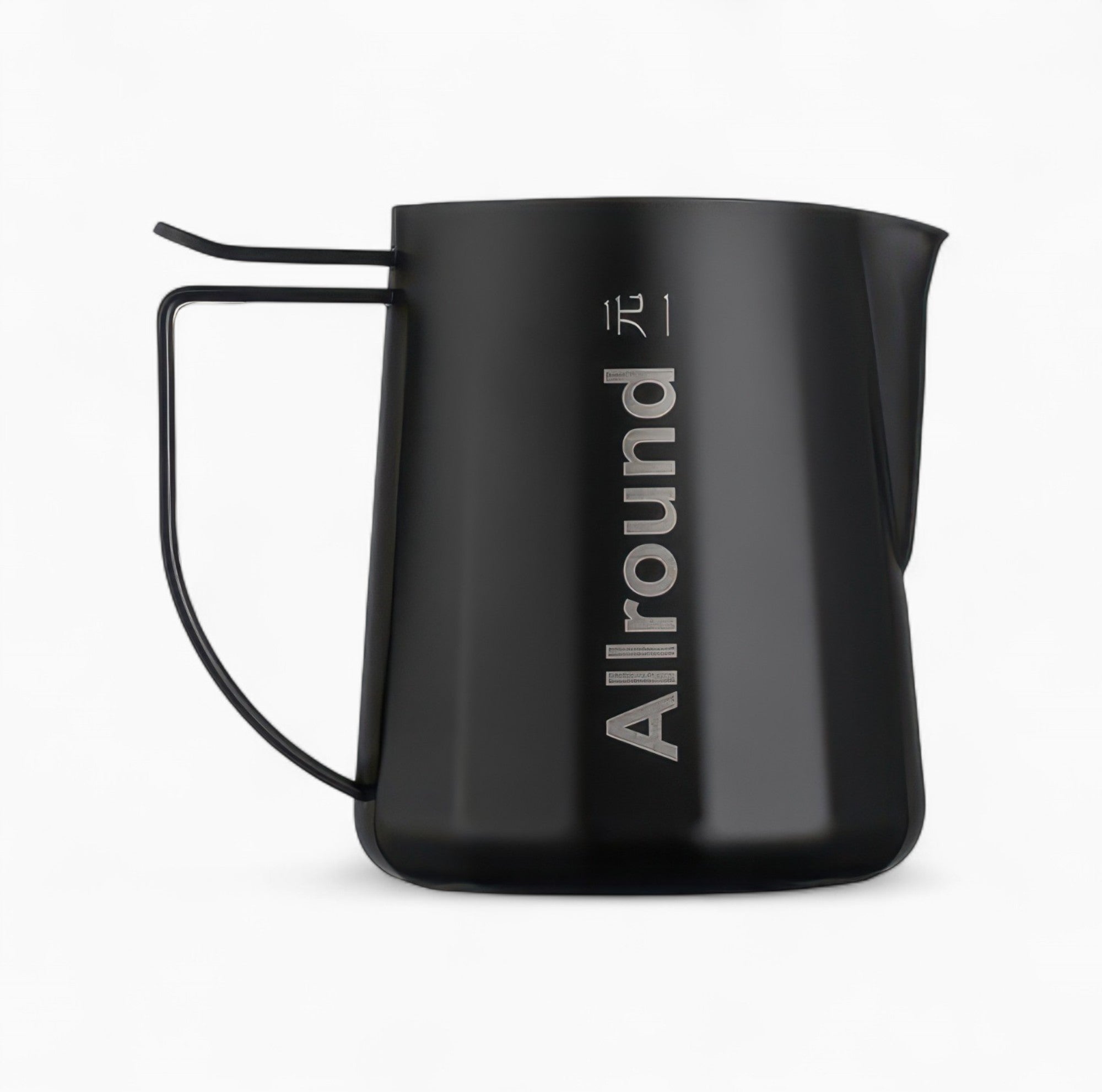

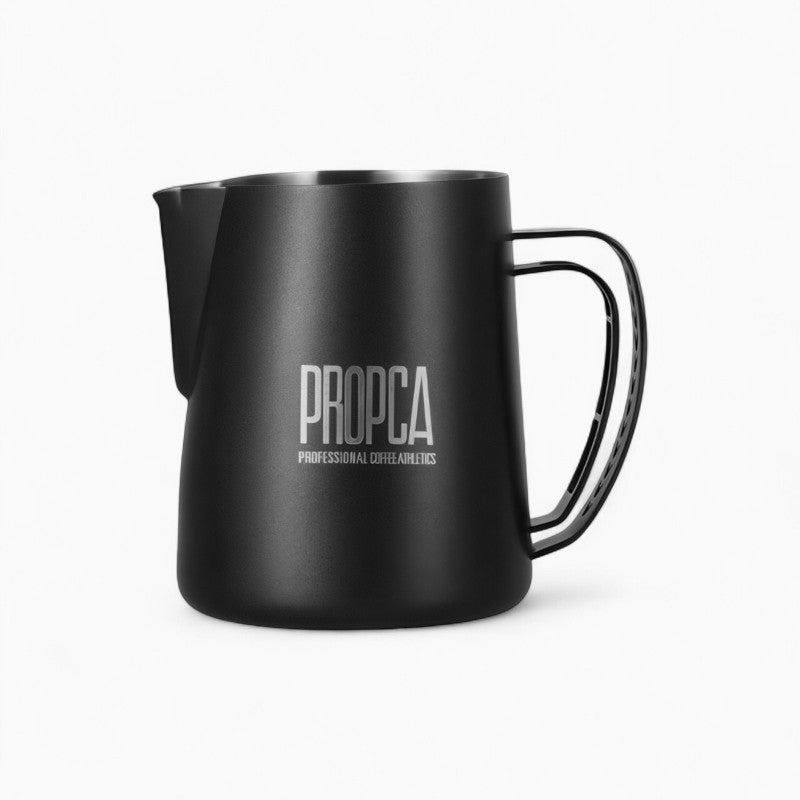

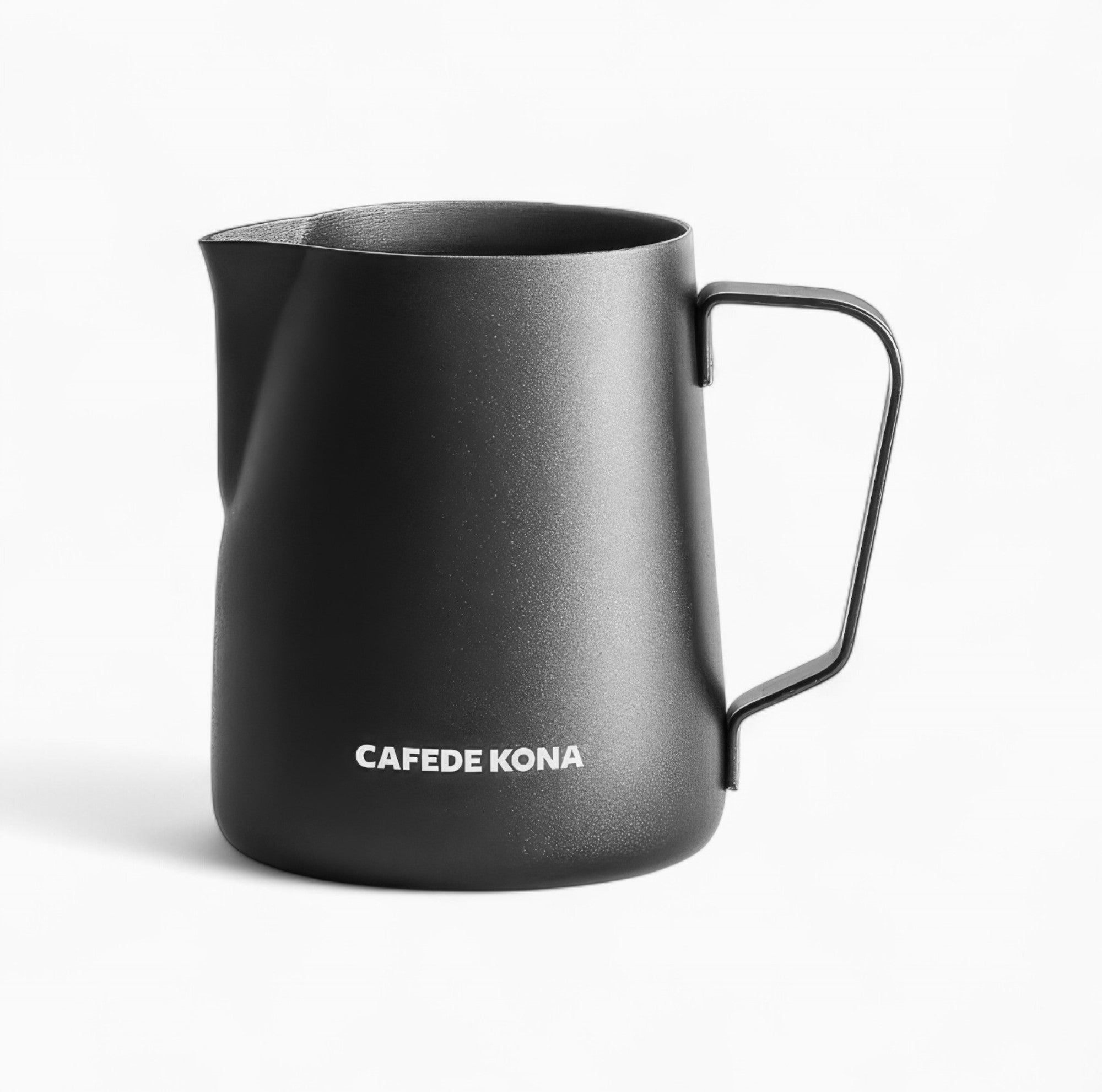

Every great flat white, cortado, or rosetta starts with a milk pitcher that feels like an extension of your hand. Whether you're chasing crisp latte art or simply want silky microfoam for your morning cappuccino, the right milk frothing pitcher transforms steaming from guesswork into a repeatable ritual. Welcome to our curated collection of pitchers designed for baristas who care about precision, consistency, and that satisfying swirl of perfectly textured milk.
At Rethink Cafe, we believe your tools should never hold you back. That's why every milk pitcher in this collection has been selected for its ability to deliver clean pours, reliable temperature feedback, and the kind of control that makes latte art feel effortless rather than frustrating.
Why Your Milk Pitcher Matters More Than You Think
It's tempting to treat a steaming pitcher as an afterthought — just a metal cup that holds milk, right? In reality, the shape of the spout, the weight of the body, and even the internal geometry all influence how microfoam behaves as it leaves the jug. A poorly designed pitcher creates turbulence, uneven foam density, and inconsistent pours that undermine even the best espresso shot underneath.
A well-engineered latte art pitcher does the opposite. It gives you a smooth, laminar flow that lets you place milk exactly where you intend. The difference between a blobby heart and a detailed tulip often comes down to nothing more than spout geometry and pitcher balance.
Think of it this way: you've already invested in a quality grinder and dialed in your extraction. The milk pitcher is the final link in the chain — the tool that translates your technique into something beautiful in the cup.
Stainless Steel Milk Pitcher Construction and Materials
The overwhelming standard for professional and home barista use is the stainless steel milk pitcher. There's good reason for this. Stainless steel conducts heat predictably, allowing you to gauge temperature by touch as you steam. It's also durable, easy to clean, and resistant to the residue buildup that can plague other materials.
Most high-quality frothing pitchers use food-grade 18/8 stainless steel. This alloy resists corrosion and doesn't impart any flavor to the milk. You'll find brushed, polished, and matte finishes across our range — the choice is largely aesthetic, though some baristas prefer a matte surface for its subtle grip advantage during rapid pours.
For those curious about alternatives, a glass milk pitcher offers visual feedback on foam quality as you steam. However, glass pitchers sacrifice the thermal conductivity that makes steel so intuitive. They work well for cold milk service or for practicing foam assessment, but steel remains king for active steaming.
Heat-Resistant Milk Pitcher Design
One detail that separates a budget jug from a serious barista tool is how the handle manages heat transfer. A heat resistant milk pitcher features a handle engineered to stay cool even when the body reaches steaming temperature. This isn't just about comfort — it's about safety and control during high-volume sessions.
Some designs achieve this through welded handle standoffs that create an air gap. Others use ergonomic shaping that keeps your fingers away from the hottest zones. Either way, look for handles that let you maintain a relaxed, confident grip from the first pour of the day to the last.
Milk Frothing Pitcher Sizes for Every Setup
Choosing the right volume is one of the most impactful decisions you'll make when selecting a milk steaming pitcher. The goal is simple: match your pitcher size to the amount of milk you typically steam. Too large, and the steam wand can't create a proper vortex. Too small, and you risk overflow and poor foam integration.
Small Milk Frothing Jug Options Under 12 Ounces
A small milk frothing jug in the 5- to 12-ounce range is ideal for single drinks. If you're pulling shots on a compact home machine and making one cappuccino at a time, this is your sweet spot. The reduced volume means the steam wand can generate a tight vortex quickly, producing dense, velvety microfoam without overheating.
Smaller pitchers also give you more control for detailed latte art. With less mass to manage, subtle wrist movements translate directly into precise patterns. Many competition baristas keep a small jug on hand specifically for intricate designs like swans and multi-tulip stacks.
Medium Pitchers From 12 to 20 Ounces
The 12- to 20-ounce range covers the vast majority of home espresso needs. A pitcher in this bracket handles single and double drinks comfortably, with enough headroom to steam milk for a latte without spilling over. It's the most versatile choice if you're building out your first serious espresso setup.
At this size, you'll notice the balance between control and capacity feels natural. There's enough milk mass for the foam to self-organize during steaming, which actually makes it easier to achieve consistent texture than with a very small jug. For most people learning latte art, a 12-ounce frothing pitcher is the ideal training tool.
Large Steaming Pitchers Over 20 Ounces
If you're steaming for multiple drinks at once — maybe preparing a round of lattes for the family or running a small pop-up — a 20-ounce or larger pitcher saves time and effort. Commercial baristas typically work with 20- to 32-ounce jugs, splitting poured milk across several cups.
Keep in mind that larger volumes require a steam wand with enough power to heat the milk before proteins begin to break down. If your home machine has a modest boiler, you may find a medium pitcher delivers better foam quality than trying to fill a large one. Match the pitcher to your machine, not the other way around.
Spout Design and Its Impact on Latte Art
The spout is arguably the most critical feature of any latte art pitcher. Its width, length, and angle determine the flow rate and precision of your pour. There's no single "best" spout — the right choice depends on the style of art you're pursuing and your personal pouring technique.
Sharp Spout Milk Pitcher for Fine Detail
A sharp spout milk pitcher narrows the stream to a fine point, giving you the precision needed for intricate patterns. If you're working on multi-layered tulips, detailed wing shapes, or competition-level designs, a sharp, elongated spout is essential. The narrow channel restricts flow, which lets you draw thin lines and make subtle directional changes mid-pour.
Many dedicated latte art jugs feature a spout that's been hand-shaped or machined to a tapered point. These are sometimes called "precision" or "art" spouts. They require a bit more control to manage flow rate — you'll compensate by adjusting your tilt angle — but the payoff in detail is substantial.
Classic Round Spout for Versatility
A traditional round spout delivers a broader, more forgiving stream. It's excellent for hearts, rosettas, and everyday pours where speed matters more than pixel-level detail. If you're just starting out with latte art, a round-spouted pitcher is often easier to learn with because it's less sensitive to minor technique inconsistencies.
Many baristas keep both a round-spout and a sharp-spout jug in their toolkit. The round spout handles the morning rush, while the sharp spout comes out for creative sessions and practice.
Specialty Milk Pitcher Features Worth Considering
Beyond size and spout shape, several additional features can enhance your steaming and pouring experience. Not every pitcher needs every feature, but understanding what's available helps you make a confident choice.
Frothing Pitcher With Measurements
A frothing pitcher with measurements etched or printed on the interior wall takes the guesswork out of milk dosing. Instead of eyeballing how much milk to pour before steaming, you hit a marked line and know you'll end up with the right volume for your drink. This small detail speeds up workflow and reduces waste.
Internal measurement lines are especially helpful when you're dialing in recipes for different drink sizes. Once you know that your 8-ounce cortado needs milk to the 5-ounce line pre-steam, you can replicate it every single morning without thinking.
Milk Jug With Thermometer Integration
Temperature control is essential for quality microfoam. Overheated milk tastes flat and loses its natural sweetness, while underheated milk won't hold foam structure. A milk jug with thermometer — whether built-in or clip-on — gives you a visual reference point so you can stop steaming at exactly the right moment.
For most milk types, the sweet spot falls between 140°F and 155°F (60°C to 68°C). Experienced baristas often gauge this by touch through the pitcher wall, but a thermometer provides a reliable safety net while you develop that instinct. It's a particularly valuable tool for anyone working with plant-based milks, which often have narrower optimal temperature windows.
Handleless Milk Pitcher Designs
A handleless milk pitcher might look unconventional, but it has a dedicated following among latte art enthusiasts. Without a handle, your hand wraps directly around the body of the pitcher, providing more tactile feedback on milk temperature and a different pivot point for pouring.
The handleless design originated in specialty coffee competitions where baristas sought maximum wrist freedom and control during complex pours. It's not for everyone — the learning curve is real, and you'll want a towel handy — but if you've plateaued with a standard handle and want to experiment, it's worth exploring.
Jibbi Jug and Specialty Art Pitchers
The Jibbi Jug represents a specific evolution in pitcher design, purpose-built for etching and detailed free-pour art. These pitchers typically feature ultra-sharp spouts and carefully calibrated body geometry that promotes controlled, low-flow pours. If you've seen baristas creating photorealistic designs on Instagram, there's a good chance they're using a Jibbi or similar art-specific jug.
While specialty art pitchers aren't necessary for everyday use, they're a worthwhile addition if latte art is a serious pursuit for you. Think of them as the fine-tip pen in your toolkit — not what you'd use for every note, but indispensable for detailed work.
Espresso Milk Pitcher Selection for Home Baristas
Building your home espresso station is an exercise in intentional choices, and your espresso milk pitcher deserves the same thoughtfulness you gave your grinder and portafilter. The best approach is to start with one versatile pitcher and expand from there as your skills develop.
For most home setups, a 12-ounce stainless steel frothing pitcher with a medium-sharp spout covers the widest range of drinks and skill levels. It's large enough for a single latte, small enough for a cappuccino, and forgiving enough to learn on while still capable of producing impressive art as you improve.
If you find yourself consistently making the same drink, consider sizing down for tighter foam control or sizing up if you're always steaming back-to-back batches. Having two pitchers — one small and one medium — is a practical luxury that most home baristas eventually appreciate.
How to Choose the Best Milk Frothing Pitcher
With so many options available, narrowing down to the best milk frothing pitcher for your needs comes down to a few focused questions. What drinks do you make most often? How powerful is your machine's steam wand? Are you prioritizing latte art or simply great-tasting microfoam?
Start with size and spout, as these have the biggest impact on daily performance. Then layer in secondary preferences like measurement markings, handle style, and finish. Don't overthink it — even professional baristas adjust and swap pitchers as their preferences evolve. The goal is to start with something well-made and appropriately sized, then let experience guide your next choice.
Every pitcher in the Rethink Cafe collection has been evaluated for build quality, pour characteristics, and real-world usability. We don't carry pitchers that look good on a shelf but frustrate you at the machine. If it's here, it works.
Cleaning and Maintaining Your Milk Steaming Pitcher
Proper care extends the life of your pitcher and, more importantly, keeps your milk tasting clean. Dairy residue builds up quickly in a steaming pitcher, and old milk proteins create off-flavors that will taint every drink you make.
The simplest protocol: rinse your pitcher with hot water immediately after every use. Wipe the interior with a clean, damp cloth to remove any film. Once a day — or after every session — wash with warm water and a mild dish soap, then dry thoroughly.
Avoid abrasive scrubbers on stainless steel, as they can scratch the interior surface and create microscopic grooves where bacteria thrive. A soft sponge is all you need. For deeper cleaning, soak the pitcher in a solution of warm water and a dedicated coffee equipment cleaner, then rinse thoroughly.
Keep the spout area especially clean. Dried milk in the spout channel disrupts flow and can affect pour quality. A quick wipe after each use keeps everything flowing smoothly.
Your milk pitcher is a simple tool that rewards attention and care. Choose thoughtfully, maintain consistently, and you'll notice the difference in every cup you pour.
Frequently Asked Questions About Milk Pitchers
A milk pitcher is the vessel you use to steam and texture milk with your espresso machine's steam wand. It serves two primary functions: creating smooth, velvety microfoam and then pouring that milk into espresso to create drinks like lattes, cappuccinos, and flat whites. The pitcher's shape and spout design also enable latte art, giving you control over milk flow during the pour.
A milk pitcher goes by several names depending on context and region. Common terms include milk frothing pitcher, steaming pitcher, frothing jug, latte art jug, and simply milk jug. In professional settings, you'll also hear "steaming pitcher" or "barista milk pitcher." They all refer to the same essential tool — a spouted vessel designed for steaming and pouring milk.
Milk pitchers typically come in three size categories. Small pitchers range from 5 to 12 ounces and suit single drinks and detailed latte art. Medium pitchers span 12 to 20 ounces and handle one or two drinks comfortably — this is the most popular range for home use. Large pitchers of 20 ounces and above are designed for steaming multiple servings at once, common in café environments.
Match the pitcher to the drinks you make most often and your machine's steam power. For a single cappuccino or cortado, a pitcher under 12 ounces works best. For lattes or back-to-back drinks, a 12- to 20-ounce pitcher offers the right balance. If your machine has a smaller boiler, stick with a medium pitcher — a large one can overwhelm a modest steam wand, resulting in poorly textured foam.
Start by choosing the right size for your typical milk volume, then focus on spout shape. A sharper spout offers more precision for latte art, while a rounder spout is more forgiving for everyday use. After that, consider extras like internal measurement markings, handle comfort, and whether you prefer a polished or matte finish. Material-wise, stainless steel is the standard for its heat conductivity and durability.
The three most impactful features are size, spout geometry, and build quality. Size determines foam texture and usability with your machine. Spout shape controls pour precision and latte art capability. Build quality — including wall thickness, handle attachment, and interior finish — affects durability and how consistently the pitcher performs over time. Secondary features like thermometer compatibility and measurement lines add convenience but aren't make-or-break.
A milk foamer is a standalone device — sometimes called a milk frother or electric frother — that aerates milk without using an espresso machine's steam wand. It's a different tool from a milk pitcher. A pitcher is a passive vessel that you use with a steam wand, while a foamer is an active, motorized device. For espresso-based drinks with true microfoam, a pitcher paired with a steam wand produces superior results.
Unsteamed cold milk left at room temperature in a pitcher should be used or refrigerated within two hours, following standard food safety guidelines. Once milk has been steamed, use it immediately — reheating or re-steaming degrades foam quality and can affect flavor. Never re-steam leftover milk from a previous session. For best results, only pour as much cold milk into the pitcher as you need for the drinks you're about to make.
Rinse with hot water and wipe the interior with a damp cloth immediately after each use to prevent milk residue from drying. Wash with warm water and mild dish soap after each session. Use a soft sponge rather than abrasive pads to avoid scratching stainless steel surfaces. Pay special attention to the spout channel where dried milk can accumulate. For periodic deep cleaning, soak in a solution of warm water and coffee equipment cleaner, then rinse thoroughly and dry.