
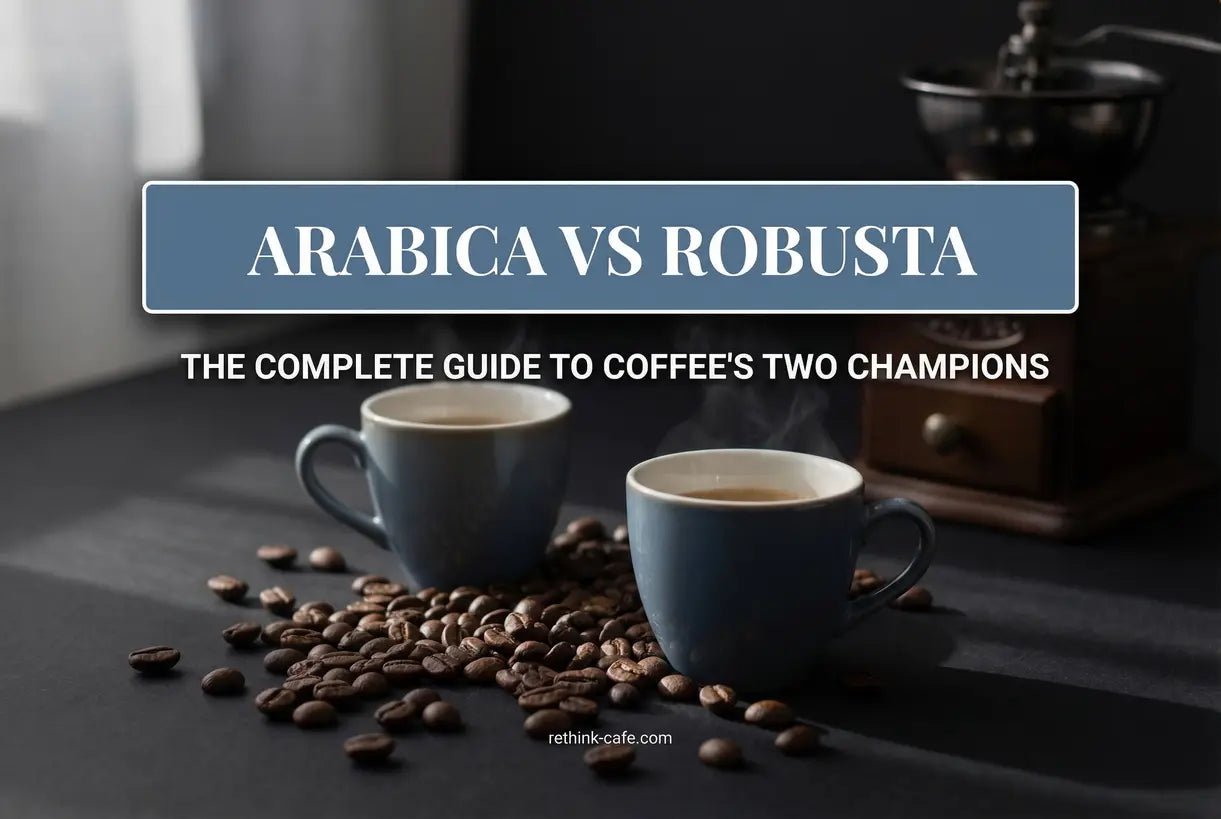
Every morning, millions of coffee lovers reach for their cup without considering the bean that makes it possible. Yet the choice between Arabica coffee beans vs Robusta represents one of the most fundamental decisions in your coffee journey. Whether you're crafting the perfect espresso shot or brewing a smooth pour-over, understanding these two dominant species—Coffea arabica and Coffea canephora (Robusta)—will transform how you think about your daily ritual.
In this comprehensive comparison, you'll discover everything from genetic differences and growing conditions to flavor profiles and caffeine levels. By the end, you'll not only understand which bean suits your palate but also how to unlock the full potential of your chosen variety with the right equipment.
The Origins: Understanding Arabica and Robusta Coffee Plants
Arabica coffee originated in the high-altitude forests of Ethiopia and has dominated the specialty coffee scene for decades. These delicate plants thrive between 2,000 and 6,000 feet above sea level, requiring specific temperature ranges and substantial rainfall. The challenging growing conditions make Arabica more difficult to cultivate, but the resulting complexity in the cup justifies the effort for many coffee enthusiasts.
Robusta, scientifically known as Coffea canephora, emerged from the lowland forests of sub-Saharan Africa. This hardy species grows at lower elevations and demonstrates remarkable resistance to pests, diseases, and temperature fluctuations. Approximately 40% of global coffee production comes from Robusta plants, largely concentrated in Vietnam, Indonesia, and parts of Africa.
Physical Characteristics: What Makes These Beans Different
Before brewing, Arabica and Robusta comparison reveals striking visual differences. Arabica beans display an oval shape with a pronounced central crease, while Robusta beans appear more rounded and compact with a straighter center line. Robusta beans also contain significantly less lipid content and sugar than their Arabica counterparts—factors that directly influence flavor development during roasting.

These physical differences extend to the chemical composition within each bean. Understanding these distinctions helps explain why each variety responds differently to roast profiles and brewing methods.
Taste Profiles: What Does Robusta Coffee Taste Like Compared to Arabica?
The Arabica vs Robusta taste difference represents perhaps the most significant factor for home baristas. Arabica coffees typically present a wide spectrum of flavors—from bright citrus and floral notes to deep chocolate and nutty undertones. The acidity tends toward the bright and wine-like, with a lighter body that showcases origin characteristics.
Robusta offers a distinctly different experience. These beans deliver a heavier, more full-bodied cup with earthy, woody, and sometimes grainy flavors. You'll notice significantly less acidity and a pronounced bitterness that some drinkers describe as "rubbery" or reminiscent of burnt tires when over-roasted. However, high-quality Robusta can contribute pleasant cocoa and nutty notes when processed and roasted carefully.

When preparing these distinct profiles, serving vessels matter. The Ceramic Espresso Cup and Saucer Set for Latte Art helps maintain optimal temperature while you evaluate the subtle differences between bean varieties.
Caffeine Content: Which Has More Caffeine—Arabica or Robusta?
Robusta packs nearly double the caffeine of Arabica—approximately 2.7% caffeine content compared to Arabica's 1.5%. This naturally higher caffeine content Arabica Robusta difference actually serves as a defense mechanism for the plant. The increased caffeine acts as a natural insecticide, protecting the hardier Robusta species in harsher growing environments.
For caffeine-sensitive drinkers, Arabica offers a smoother experience with less pronounced jitter effects. Those seeking a stronger morning kick often appreciate Robusta's intensity.
Why Is Arabica More Expensive Than Robusta?
Several factors drive the price differential between these two species. Arabica's cultivation demands include specific altitude requirements, ideal temperatures between 60-70°F, and substantial shade. The plants remain vulnerable to coffee leaf rust and other diseases, requiring careful attention and often organic farming methods that prohibit chemical interventions.
Robusta thrives where Arabica struggles. The species tolerates heat, resists pests naturally through its higher caffeine content, and produces higher yields per plant. These efficiencies translate to lower production costs and, consequently, lower market prices. While specialty Robusta exists and commands premium prices, most Robusta enters the commodity market for instant coffee and espresso blends.

Can You Mix Arabica and Robusta Beans?
Blending isn't just possible—it's a tradition that dates back centuries. Italian espresso culture particularly embraces Arabica and Robusta comparison in blended form, where Robusta contributes crema thickness, body, and caffeine punch to balance Arabica's acidity and complexity. A typical Italian espresso blend might contain 10-30% Robusta, though some traditionalists prefer 50/50 or even higher Robusta percentages.
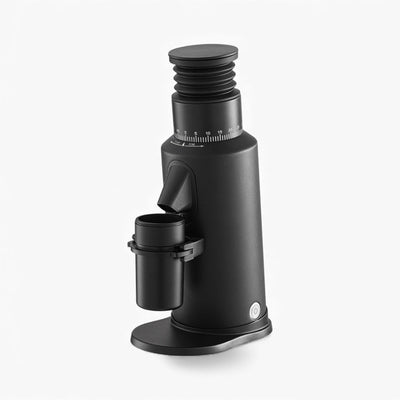
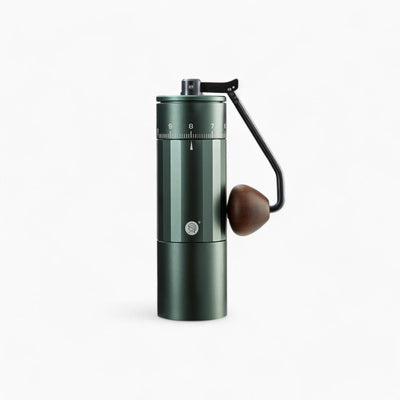
When blending at home, consider grinding consistency crucial. Both beans have different densities and hardness levels, meaning they fracture differently during grinding. A precision grinder ensures uniform particle size for optimal extraction regardless of which bean dominates your blend.

Mechanic E-Grinder Precision Conical Burr Coffee Grinder
$375.90 $650.00
Experience the full flavor potential of both Arabica and Robusta beans with 100-step precision grinding and near-zero retention.
Explore ProductThe Mechanic E-Grinder Precision Conical Burr Coffee Grinder provides the consistency needed to explore both single-origin Arabicas and Robusta blends with its 100-step precision grinding system.
Best Coffee Bean Type: Which Coffee Bean Is Better?
The question of which coffee bean is better contains no universal answer—only personal preferences. Choose Arabica if you appreciate nuanced flavors, lighter body, and complex acidity. Select Robusta if you prefer strong, bold coffee with substantial body and higher caffeine content. Many espresso enthusiasts find their sweet spot in blends that marry Arabica's aromatics with Robusta's structure.
Storing Your Chosen Beans
Whether you prefer specialty coffee beans comparison favorites, proper storage preserves the distinctive characteristics that make your choice special. Both Arabica and Robusta suffer from oxygen exposure, moisture, and light degradation, though their different oil contents affect how quickly they stale.
Preserve Your Bean's Distinct Character

Coffee Bean Storage Tubes with One-Way Degassing Valve
$27.90
$53.00
Preserve the distinct characteristics of your Arabica or Robusta beans with patented nitrogen displacement technology. Learn more ➔

Ceramic Espresso Cup and Saucer Set for Latte Art
$23.90
$48.00
Savor the taste differences between Arabica and Robusta in high-fired ceramic cups designed for optimal heat retention. Learn more ➔
The Coffee Bean Storage Tubes with One-Way Degassing Valve protect your investment with nitrogen displacement technology that extends freshness regardless of bean type.
Understanding Robusta Coffee Characteristics in Modern Brewing
Specialty coffee's third wave initially marginalized Robusta, but recent years have seen a renaissance. High-altitude Robusta from India and Uganda now receives the same careful processing as Arabica, yielding cups that challenge preconceptions about the species. These "fine Robustas" display sweetness and complexity previously associated exclusively with Arabica.
Understanding Robusta coffee characteristics matters for home baristas exploring Vietnamese coffee traditions or seeking authentic Italian espresso experiences. The key lies not in avoiding Robusta, but in sourcing quality examples and dialing in brewing parameters that highlight rather than mask its attributes.
Video Guide: See the Difference in Action
Sometimes seeing the comparison helps cement these concepts. This detailed explanation covers everything from cultivation differences to cupping results:
Arabica vs Robusta: Quick Reference Guide
To summarize the key differences at a glance:
- Flavor: Arabica offers sweetness, acidity, and complexity; Robusta provides boldness and body
- Caffeine: Robusta contains nearly twice as much caffeine as Arabica
- Price: Arabica typically costs more due to growing challenges and processing demands
- Cultivation: Arabica requires high altitude and shade; Robusta tolerates heat and disease
- Best Uses: Arabica excels as single origin; Robusta shines in espresso blends

Conclusion: Your Perfect Bean Awaits
The Arabica coffee beans vs Robusta debate ultimately resolves to personal preference and brewing goals. Arabica's delicate complexity rewards those who savor subtle flavor variations and origin expressions. Robusta's intensity and body satisfy drinkers seeking bold, straightforward coffee with substantial caffeine content.
Whichever species you choose, remember that equipment quality determines how much of each bean's potential reaches your cup. At Rethink Cafe, we engineer grinders, storage solutions, and brewing accessories that honor the distinct qualities of every coffee variety. Whether you're exploring floral Ethiopian Arabicas or earthy Indian Robustas, the right tools transform good beans into exceptional experiences.
Ready to elevate your coffee journey? Explore our precision grinders designed to unlock the unique characteristics of any bean you choose.
Frequently Asked Questions About Arabica vs Robusta
Robusta contains significantly more caffeine than Arabica—approximately 2.7% caffeine content compared to Arabica's 1.5%. This nearly double concentration makes Robusta the choice for those seeking maximum caffeine impact, while Arabica offers a milder stimulant effect.
Not necessarily. While Arabica dominates the specialty coffee market due to its complex flavor profile and higher acidity, high-quality Robusta (sometimes called "fine Robusta") can rival Arabica in sweetness and nuance. Quality depends more on growing conditions, processing methods, and roasting expertise than species alone.
Arabica costs more due to several factors: it requires specific high-altitude growing conditions (2,000-6,000 feet), needs more shade and water, takes longer to mature, produces lower yields per plant, and remains vulnerable to pests and diseases like coffee leaf rust. These challenges increase labor and resource requirements compared to the hardier, more productive Robusta plants.
Absolutely. Blending Arabica and Robusta is common, especially in traditional Italian espresso culture where Robusta adds crema, body, and caffeine to balance Arabica's acidity. Many espresso blends contain 10-30% Robusta, though personal preferences vary. When blending at home, use a burr grinder to ensure consistent particle size across both bean types.
Robusta typically tastes stronger, bolder, and more bitter than Arabica with notes of earth, wood, and grain. It features less acidity and a heavier, fuller body. Arabica offers a wider flavor spectrum including fruity, floral, chocolate, and nutty notes with brighter acidity and lighter body. High-quality Robusta can develop pleasant cocoa flavors and increased sweetness.


