When you crave a coffee that hits hard and delivers an unmistakable jolt of energy, robusta coffee beans stand in a league of their own. Known for their bold, earthy character and substantially higher caffeine punch, these beans have long been the secret weapon behind the world's most intense espresso blends. Yet despite their prominence in global coffee production—accounting for roughly 40% of worldwide output—robusta beans remain misunderstood by many home baristas who associate quality exclusively with delicate Arabica varieties.
This guide dives deep into what makes robusta coffee beans distinctly different, from their unique origins and flavor chemistry to their optimal brewing applications. Whether you're curious about Vietnamese robusta traditions or looking to craft the perfect crema-heavy espresso shot at home, understanding these high-caffeine coffee beans will transform your approach to coffee. And as you'll discover, extracting the full potential of robusta's intensity requires precision equipment that rises to the challenge.
What Are Robusta Coffee Beans?
Coffea canephora, commonly known as robusta, represents the second most cultivated coffee species after Arabica. Native to sub-Saharan Africa, particularly the Congo basin and regions around Lake Victoria, robusta coffee beans thrive at lower altitudes and in hotter climates than their Arabica cousins. Today, Vietnam dominates global production, supplying the majority of the world's robusta, with significant contributions also coming from Indonesia, India, and various African nations.

The botanical differences between coffee bean varieties run deeper than origin alone. Robusta plants grow as hardy shrubs or small trees reaching up to 10 meters in height, developing greater resilience against pests and diseases compared to Arabica. This natural toughness translates directly to the beans themselves—robusta coffee beans contain significantly higher concentrations of chlorogenic acids and caffeine, which serve as natural insecticides while contributing to the bean's characteristic intensity.
The Arabica vs Robusta Divide: Understanding the Core Differences
The conversation around Arabica vs robusta often devolves into simplistic quality judgments, but the reality is more nuanced. These two species represent fundamentally different expressions of what coffee can be, each suited to specific preferences and brewing styles. Arabica beans typically offer more acidity, complex floral and fruity notes, and a lighter body, while robusta delivers earthy, nutty, and chocolate-forward profiles with substantially more bitterness and mouthfeel.
From an agricultural standpoint, robusta vs Arabica taste differences begin in the soil. Robusta cultivation requires less specific growing conditions, tolerating warmer temperatures and resisting common coffee diseases that devastate Arabica crops. This resilience means robusta plants produce higher yields with less intensive farming practices, fundamentally shaping the economics and availability of these beans on the global market.
What Does Robusta Coffee Taste Like?
Describing robusta coffee taste requires moving beyond the specialty coffee industry's traditional preference for bright, acidic profiles. When properly roasted and brewed, high-quality robusta reveals layers of dark chocolate, toasted nuts, and earthy woodiness with a distinctive grain-like sweetness reminiscent of oatmeal or brown rice. The mouthfeel tends toward substantial and syrupy, often leaving a lasting impression of cocoa bitterness on the palate.

The higher lipid content in robusta beans contributes to their distinctive texture and plays a crucial role in espresso preparation. While Arabica might offer jasmine or berry notes, robusta commands attention with assertive, grounding flavors that cut through milk and sugar—explaining its traditional dominance in Vietnamese coffee culture and Italian espresso blends. The chemical composition of Coffea canephora includes nearly double the chlorogenic acids of Arabica, compounds that contribute both to the perceived bitterness and to the bean's stability during roasting.
Robusta Caffeine Content: The Energy Factor
One of the most compelling differences between these coffee species lies in their chemical stimulation. Robusta caffeine content typically ranges between 2.2% to 2.7% by dry weight, compared to Arabica's 1.2% to 1.5%. This translates to roughly twice the caffeine per bean, making robusta the clear choice for those seeking maximum energy infusion from their morning cup.
This elevated caffeine concentration isn't merely coincidental—it serves as the plant's defense mechanism against insects in the hot, humid climates where robusta flourishes. For home baristas, this means robusta espresso delivers a noticeably stronger kick, while also contributing to the bean's longer shelf stability and resistance to oxidation. However, this intensity also demands respect during brewing; the same compounds that create robusta's vigor can become overwhelmingly bitter if extraction isn't carefully controlled.
Is Robusta Coffee Good for Espresso?
Absolutely—and traditional Italian espresso culture has known this for generations. The best robusta coffee for espresso typically comes from premium Vietnamese or Indian washing stations, where careful processing mitigates the harshness often associated with commodity-grade robusta. When blended with Arabica or brewed as a single-origin, robusta contributes two elements that espresso enthusiasts crave: exceptional crema production and substantial body.

The superior crema stability in robusta espresso stems from the bean's higher lipid and protein content, creating that golden, persistent foam that defines a well-pulled shot. Classic Italian espresso blends often incorporate 10% to 30% robusta to achieve the thick, honey-like texture prized in traditional preparations. For home baristas exploring high caffeine coffee beans, a properly dialed-in robusta single-origin can deliver an intensely satisfying shot that stands up beautifully to milk in cappuccinos and cortados.
Mastering Robusta at Home: Precision Equipment for Bold Beans
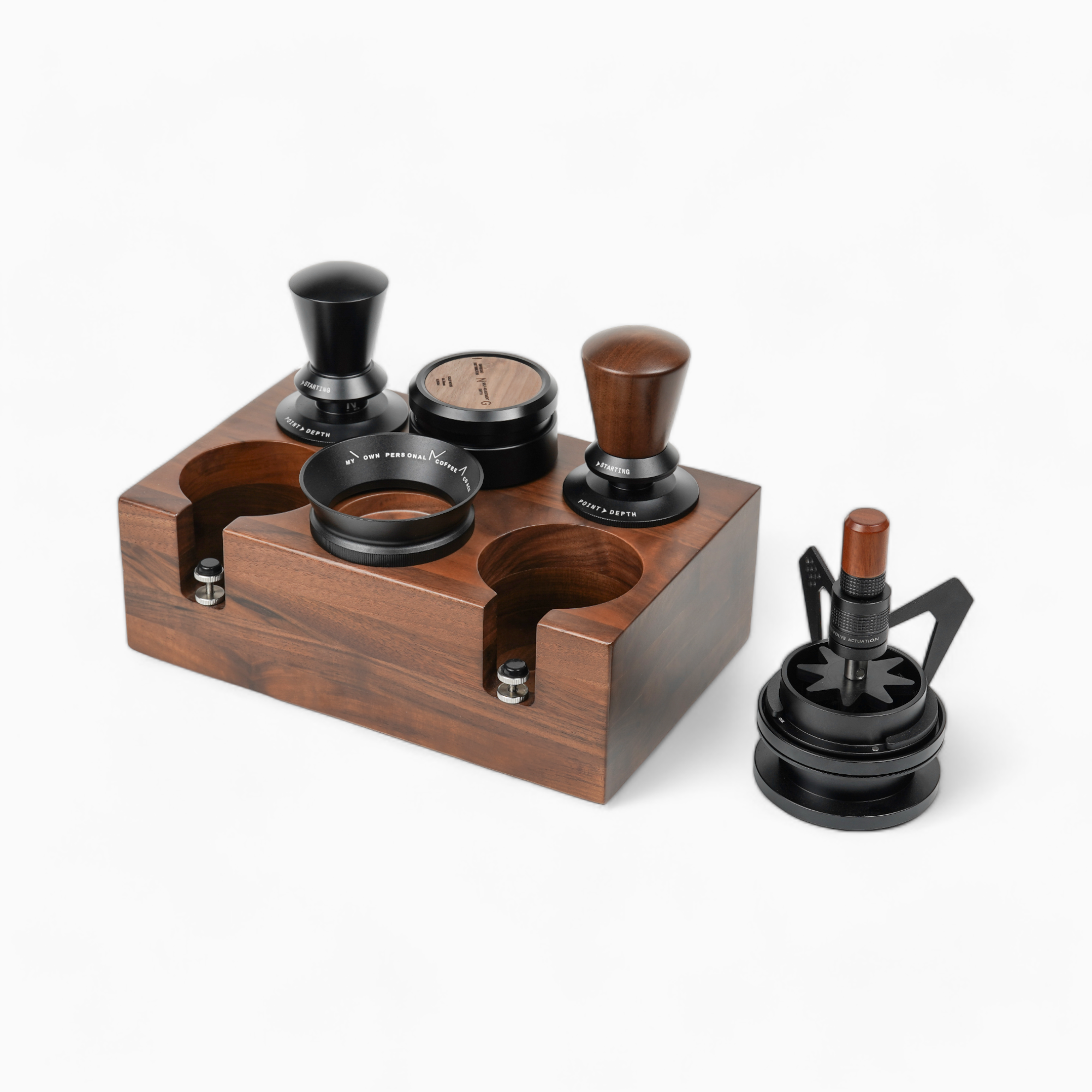
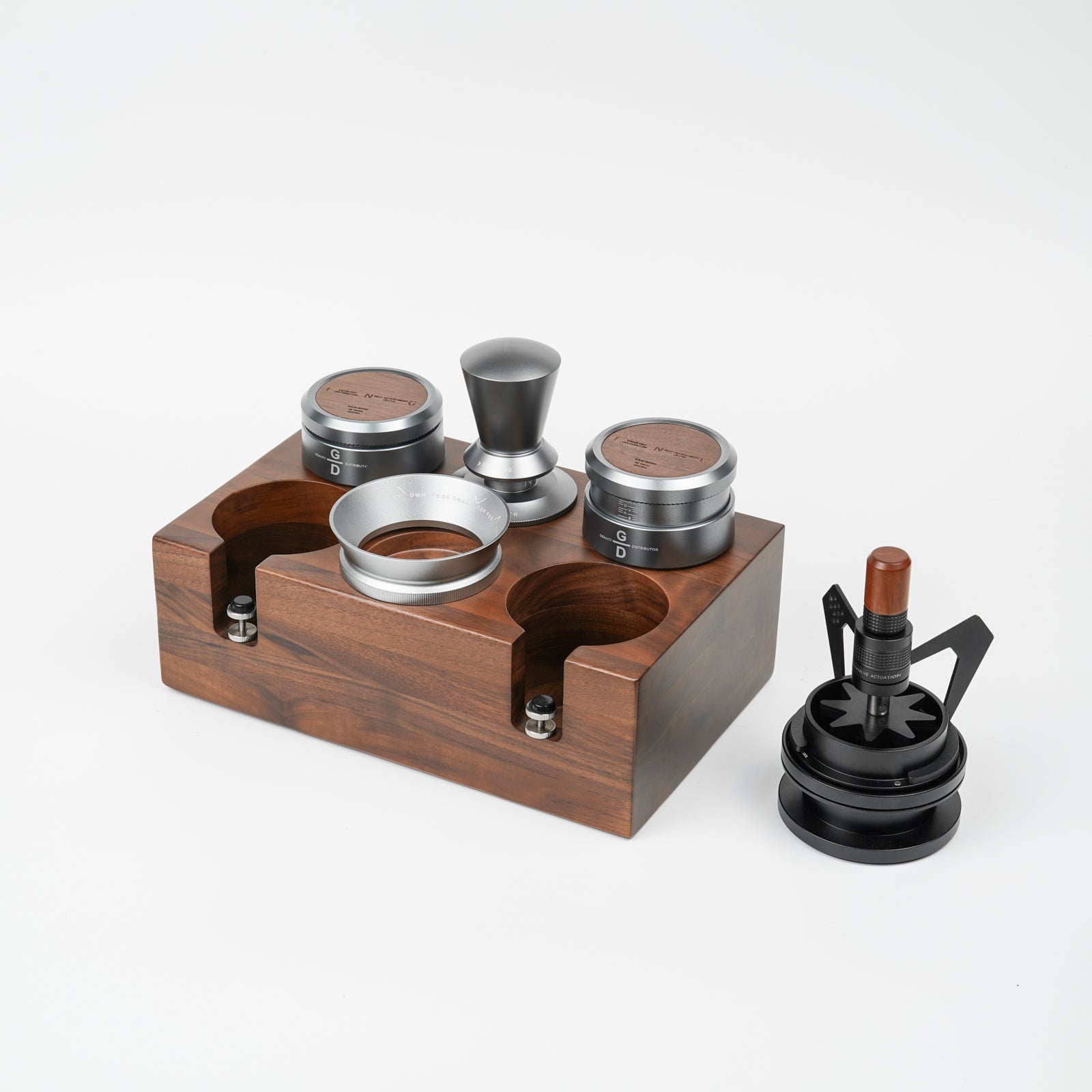
Extracting the best from robusta coffee beans demands equipment that can handle their density and oil content with surgical precision. Unlike more forgiving Arabica varieties, robusta's intensity magnifies extraction errors—making the difference between a syrupy, chocolate-forward shot and a bitter, ashy disappointment largely dependent on your tools. The Barista Master Bundle Kit with Tamper and Distributor addresses one of the most common pain points home baristas face: inconsistent puck preparation that leads to channeling and uneven extraction.

Barista Master Bundle Kit with Tamper and Distributor
$324.90 $382.00
Upgrade your espresso workflow with this professional-grade bundle designed for consistent, cafe-quality shots every morning.
Explore ProductPrecision extends beyond tamping into the realm of grind consistency and dose accuracy. Robusta beans, being smaller and denser than Arabica, require exact grinding parameters to achieve proper extraction without over-extraction bitterness. The Mechanic E-Grinder provides the stepless adjustment necessary to find that sweet spot where robusta's chocolate notes shine through without the harsh, rubbery overtones that come from uneven particle size. Pairing this with the Bluetooth Smart Coffee Scale ensures that every dose remains consistent to 0.1g, eliminating the variability that can turn robusta's boldness into overwhelming harshness.
Essential Tools for Robusta Extraction

Mechanic E-Grinder Precision Conical Burr Coffee Grinder
$375.90
$650.00
Achieve the precise grind consistency your robusta beans deserve with stepless adjustment and near-zero retention. Learn more ➔

Bluetooth Smart Coffee Scale with App Control
$126.90
$252.00
Dial in your robusta doses with 0.1g accuracy and track every extraction via Bluetooth for truly repeatable results. Learn more ➔
Investing in professional-grade equipment transforms robusta from a commodity bean into a specialty experience. The precision these tools offer doesn't just prevent over-extraction; they unlock the nuanced flavors hiding within high-quality robusta—dark cocoa, toasted almond, and sweet tobacco notes that cheaper grinders and inconsistent tamping bury under generic bitterness.
Why Is Robusta Coffee Cheaper Than Arabica?
The price differential between coffee bean varieties reflects agricultural realities rather than inherent quality hierarchies. Robusta plants produce higher yields per hectare, resist disease without expensive interventions, and thrive at lower elevations where land costs less. These factors create an economic environment where robusta can be grown, harvested, and processed at significantly lower costs than the finicky, shade-loving Arabica plants.
However, the "cheap" label obscures an important truth: premium robusta—properly washed, carefully sorted, and optimally roasted—commands respect in specialty coffee circles. Coffee research institutions increasingly recognize that high-grade robusta offers unique cupping characteristics unavailable in Arabica. The lower market price primarily reflects volume and ease of cultivation, creating an opportunity for curious home baristas to explore intense, complex flavors without the premium price tags attached to rare Arabica micro-lots.
Conclusion: Embracing the Bold Side of Coffee
Robusta coffee beans offer a legitimate alternative to the bright, acidic profiles that have dominated third-wave coffee culture. With their bold flavor, substantial body, and energizing caffeine content, robusta varieties deserve a place in every home barista's rotation—particularly for those who appreciate traditional espresso intensity and the cultural traditions of Vietnamese coffee preparation.
Success with these high caffeine coffee beans hinges on respecting their power through precise preparation. From the grind consistency achieved with the Mechanic E-Grinder to the dose accuracy provided by the Bluetooth Smart Scale and the puck integrity ensured by the Barista Master Bundle, Rethink Cafe provides the professional tools necessary to transform robusta's raw intensity into refined, café-quality extractions. Explore our curated collection of espresso equipment and discover how the right gear brings out the best in every bean—whether Arabica, Robusta, or the perfect blend of both.
Frequently Asked Questions about Robusta Coffee Beans
Arabica and Robusta differ in genetics, growing conditions, and cup characteristics. Arabica (Coffea arabica) contains more sugars and lipids, producing complex, acidic flavors with floral and fruity notes. Robusta (Coffea canephora) has nearly double the caffeine, more chlorogenic acids, and produces bold, earthy flavors with chocolate and nutty notes. Robusta grows at lower altitudes in hotter climates, while Arabica thrives in cooler, mountainous regions at higher elevations.
Yes, Robusta coffee contains significantly more caffeine than Arabica—approximately 2.2% to 2.7% caffeine content by weight compared to Arabica's 1.2% to 1.5%. This translates to nearly double the caffeine per bean, making Robusta the preferred choice for those seeking maximum energy stimulation from their coffee. This higher caffeine content also acts as a natural pesticide, helping Robusta plants resist insects in their native hot, humid growing environments.
Robusta coffee typically presents bold, earthy flavors with notes of dark chocolate, toasted nuts, wood, and grain. It lacks the bright acidity characteristic of Arabica, instead offering a substantial, syrupy body with pronounced bitterness and a lingering aftertaste. High-quality washed Robusta can also reveal pleasant surprises like oatmeal sweetness, tobacco nuances, and even subtle fruitiness when roasted to medium profiles. The flavor profile makes it particularly well-suited for espresso and coffee preparations with milk or sweeteners.
Robusta excels in espresso preparation, which explains its traditional use in Italian espresso blends. The beans' higher protein and lipid content produces exceptionally thick, stable crema—that golden foam layer atop properly extracted espresso. Robusta also contributes substantial body and mouthfeel while cutting through milk in cappuccinos and lattes without becoming diluted. Premium Robusta single-origins or blends containing 10-30% Robusta deliver the intense, satisfying shots associated with traditional espresso culture, though precise grinding and extraction timing are essential to prevent excessive bitterness.
Robusta coffee costs less than Arabica due to agricultural economics rather than inferior quality. Robusta plants yield more cherries per hectare, resist pests and diseases without expensive interventions, and thrive at lower altitudes where land costs are reduced. They also tolerate warmer temperatures and less specific growing conditions, making cultivation less risky and labor-intensive. While commodity-grade Robusta dominates the instant coffee market, specialty-grade washed Robusta from Vietnam and India increasingly commands premium prices as coffee professionals recognize its unique flavor potential and espresso performance characteristics.