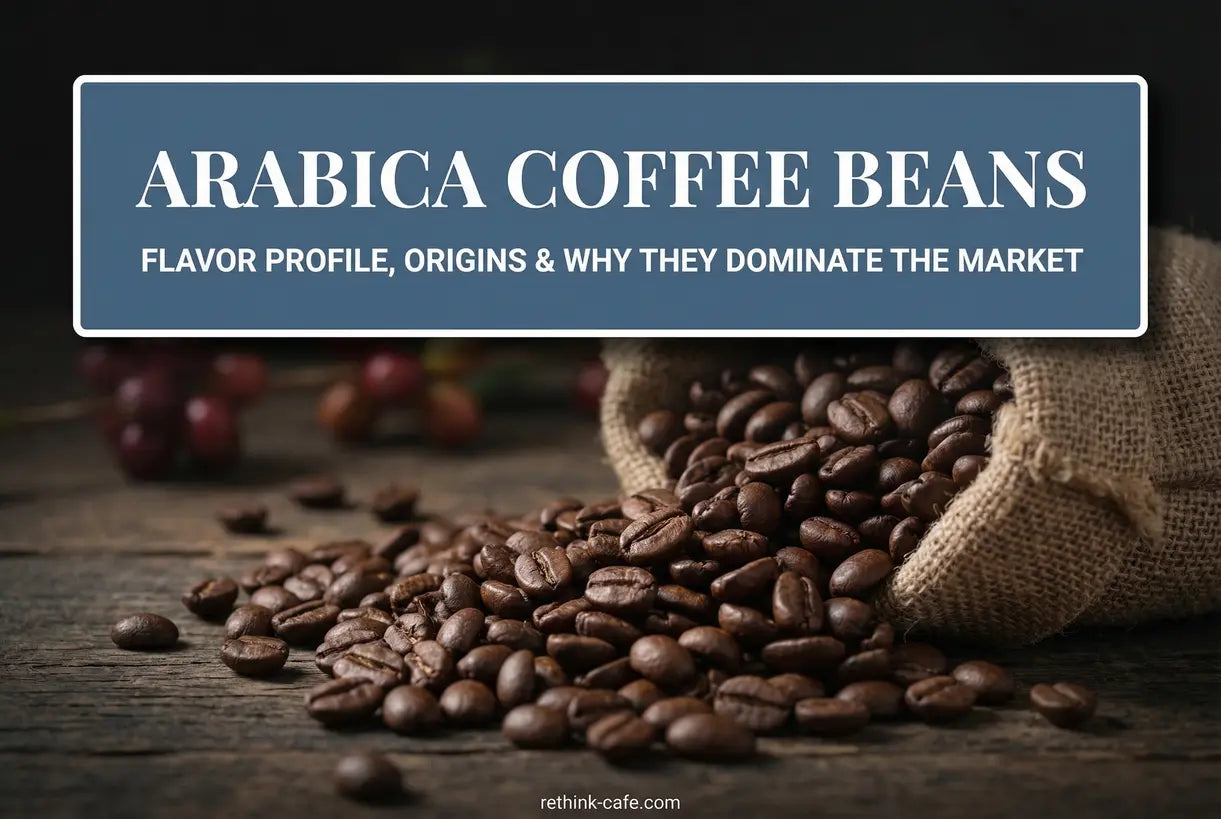
Walk into any specialty coffee shop or browse the bean selection at your local roaster, and you'll notice one word appearing again and again: arabica coffee beans. This single variety dominates café menus, premium grocery aisles, and home brewing conversations worldwide. But what exactly makes these beans so special? Why do coffee enthusiasts obsess over their origins, and why do they command such premium prices?
If you're a home barista or coffee enthusiast looking to elevate your daily brew, understanding Arabica beans is essential. In this comprehensive guide, we'll explore their unique flavor profiles, trace their journey from Ethiopian highlands to your cup, examine why they command approximately 60% of the global coffee market, and reveal how the right equipment can help you unlock their full potential. At Rethink Cafe, we're passionate about helping enthusiasts like you make the most of every bean.
What Makes Arabica Coffee Beans Special
Coffea arabica represents the pinnacle of coffee cultivation, representing over 60% of worldwide coffee production despite being significantly more challenging to grow than its cousin, Robusta. The Arabica plant thrives in specific conditions: high altitudes between 600 and 2,000 meters, consistent temperatures between 60-70°F (15-24°C), and plenty of shade. These demanding requirements mean Arabica cultivation requires patience, expertise, and significant investment.
The complexity of growing Arabica directly translates to the cup. Each bean contains approximately 60% more lipids and nearly double the sugar content of Robusta beans. This higher sugar content contributes to the development of complex flavor compounds during roasting, creating the nuanced taste profile that coffee enthusiasts crave.
The Distinctive Flavor Profile of Arabica Beans
So, what does Arabica coffee actually taste like? The flavor profile of arabica coffee beans is remarkably diverse, ranging from bright, fruity, and floral to deep, chocolatey, and nutty depending on origin, processing method, and roast level. Common tasting notes include:
- Fruity notes: Blueberry, citrus, stone fruit, and berry
- Floral characteristics: Jasmine, rose, and lavender
- Nutty and chocolate tones: Hazelnut, almond, milk chocolate, and cocoa
- Sweet undertones: Caramel, honey, and brown sugar
The defining characteristic of Arabica is its bright acidity and complex layering of flavors. Unlike Robusta, which tends toward harsh, bitter notes, Arabica offers a smooth, often sweet cup with remarkable depth. This is precisely why specialty coffee beans are almost exclusively Arabica – the variety simply provides more dimension and sophistication.

Where Arabica Coffee Beans Primarily Grow
The answer to where arabica coffee beans primarily grow lies in geography and climate. Known as the "Bean Belt," the primary growing regions span latitudes between 25° North and 30° South of the equator.
The major Arabica-producing countries include:
- Brazil: The world's largest producer, accounting for roughly one-third of global output
- Colombia: Renowned for balanced, medium-bodied coffees with caramel sweetness
- Ethiopia: The genetic birthplace of coffee, home to incredible diversity
- Central America: Guatemala, Costa Rica, and Honduras produce bright, clean cups
- Kenya: Famous for bold, wine-like acidity and blackcurrant notes
Each region imparts distinct characteristics thanks to terroir—the unique combination of soil composition, altitude, rainfall, and temperature. High-altitude cultivation, in particular, slows cherry maturation, allowing more complex sugars to develop in the beans.
Arabica vs Robusta: Understanding the Differences
Understanding Arabica vs Robusta is essential for any serious coffee enthusiast. While Robusta does have its place—primarily in espresso blends for crema and intensity—the differences are stark:
| Characteristic | Arabica | Robusta |
|---|---|---|
| Caffeine Content | 1.2-1.5% | 2.2-2.7% |
| Sugar Content | 6-9% | 3-7% |
| Lipid Content | 15-17% | 10-11.5% |
| Chlorogenic Acid | 5.5-8% | 7-10% |
| Flavor Profile | Sweet, fruity, complex | Earthy, bitter, woody |
| Price Point | Premium | Economy |
The higher chlorogenic acid in Robusta acts as a natural pesticide, making it hardier and cheaper to cultivate. However, this same compound contributes to the harsh, rubbery flavor many find unpleasant. Arabica's lower caffeine content actually benefits flavor—caffeine itself tastes bitter, so Arabica's reduced levels allow subtler notes to shine.


Preserving Your Premium Beans
Once you've invested in quality premium coffee beans, proper storage becomes paramount. Arabica beans are delicate—their complex oils and aromatic compounds begin degrading immediately after roasting. Exposure to air, light, heat, and moisture rapidly diminishes the nuanced flavors you've paid for.
This is where specialized storage solutions make all the difference. The Coffee Bean Storage Tubes With Walnut Display Base offer both function and elegance for the discerning enthusiast.

Coffee Bean Storage Tubes With Walnut Display Base
$34.90 $67.00
Keep your premium Arabica beans fresh and visible with elegant glass storage tubes set in a warm walnut display base—perfect for showcasing your collection.
Explore ProductThe airtight glass construction protects against oxygen exposure while the handsome walnut base elevates your kitchen aesthetic. For home baristas who invest in specialty beans, proper storage isn't a luxury—it's essential equipment.
Why Arabica Dominates the Specialty Coffee Market
The question of why 100% Arabica coffee beans dominate the specialty market has a multidimensional answer. First and foremost: taste. The specialty coffee movement prizes complexity, clarity, and the ability to taste origin characteristics in the cup. Arabica delivers this; Robusta does not.
But there's more to the story:
- Consumer Education: As palates have evolved, drinkers increasingly seek nuanced experiences over caffeinated intensity
- Cultivar Diversity: Arabica contains thousands of distinct varieties (Typica, Bourbon, Gesha, SL28, etc.), offering endless exploration
- Premium Positioning: Arabica's reputation for quality allows roasters to command higher prices, creating a virtuous cycle of quality investment
- Third-Wave Culture: The movement toward traceable, lightly roasted, single-origin coffees relies entirely on Arabica's flavor potential
Specialty grade Arabica (scoring 80+ points on the 100-point scale) represents the pinnacle of coffee quality. These beans are carefully cultivated, hand-picked at peak ripeness, and processed with meticulous attention. The resulting cup offers transparency—you can taste the specific farm, elevation, and processing method in every sip.
Ethiopian Arabica: The Birthplace of Coffee
No exploration of Arabica bean flavor would be complete without visiting Ethiopia, the genetic homeland of Coffea arabica. Wild coffee forests still grow in the country's southwestern highlands, and this is where the story of coffee as a beverage began.
Ethiopian coffee is celebrated for its extraordinary variety and bright, complex profiles. The country processes beans using two primary methods:
- Natural (Dry) Processed: Coffee cherries dry with the fruit intact, imparting intense berry flavors, wine-like qualities, and heavy body
- Washed (Wet) Processed: Fruit is removed before drying, producing clean, bright cups with pronounced floral and citrus notes
When you encounter Ethiopian Arabica beans, expect flavor notes ranging from jasmine and bergamot to blueberry and lemon zest. Regions like Yirgacheffe, Sidamo, and Guji have achieved legendary status among enthusiasts. The wild genetic diversity means Ethiopian coffees often surprise even experienced cuppers with unexpected flavor dimensions.

The Right Equipment for Arabica Perfection
Even the finest Ethiopian Yirgacheffe cannot shine with improper grinding or brew technique. The investment in specialty beans deserves equally thoughtful equipment choices. For optimizing extraction and revealing Arabica's subtle complexity, two pieces of equipment stand out:
Essential Tools for Arabica Excellence

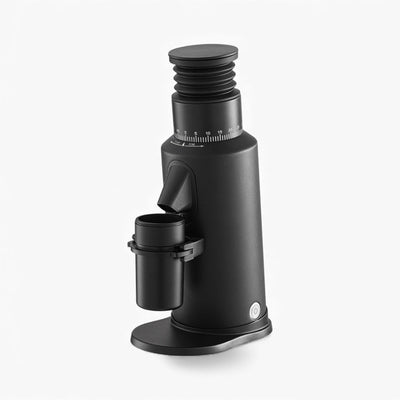
Mechanic E-Grinder Precision Conical Burr Coffee Grinder
$375.90
$650.00
Unlock the full flavor potential of your Arabica beans with 100-step precision grinding, 48mm conical burrs, and near-zero retention for maximum freshness. Learn more ➔

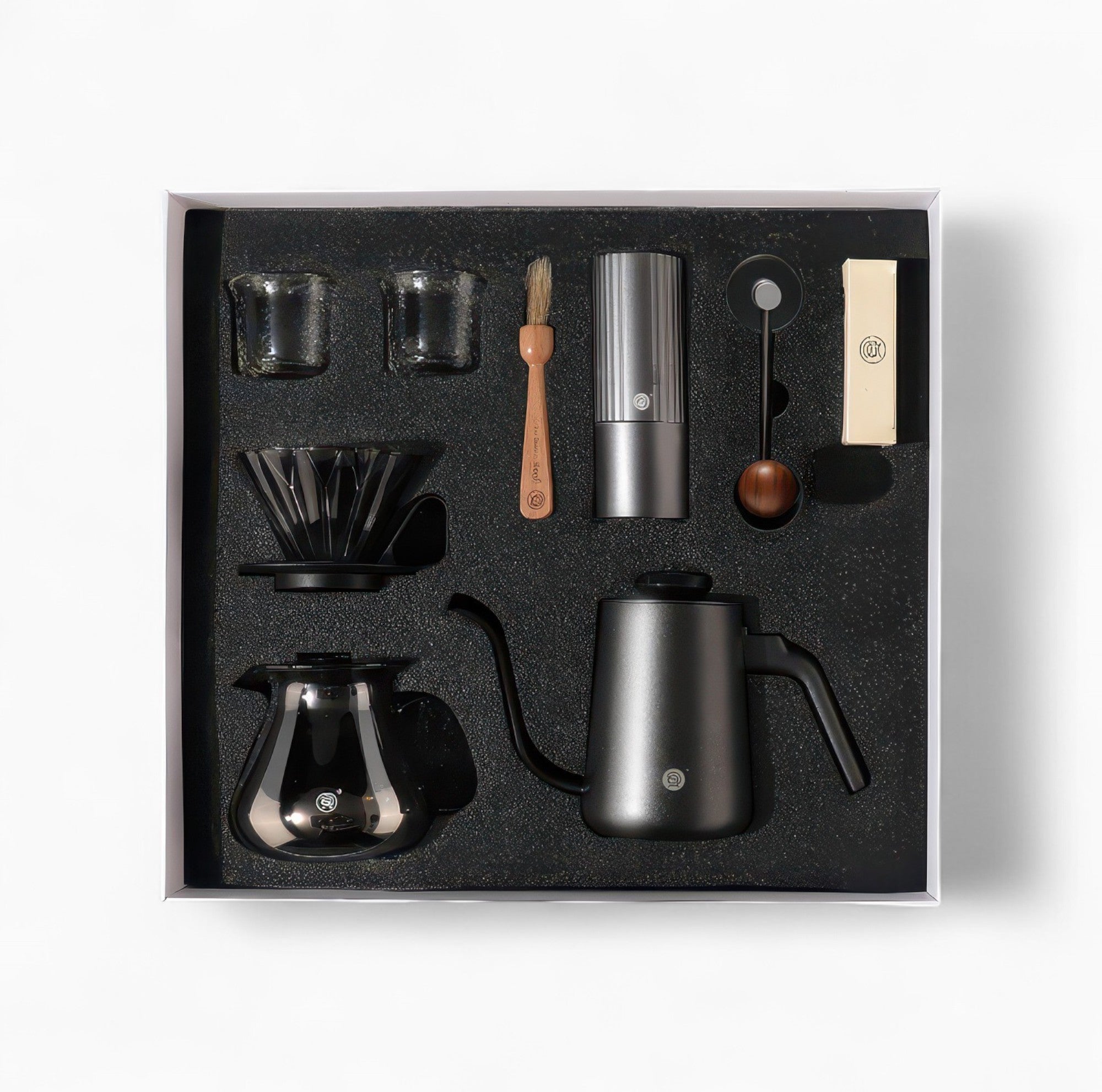
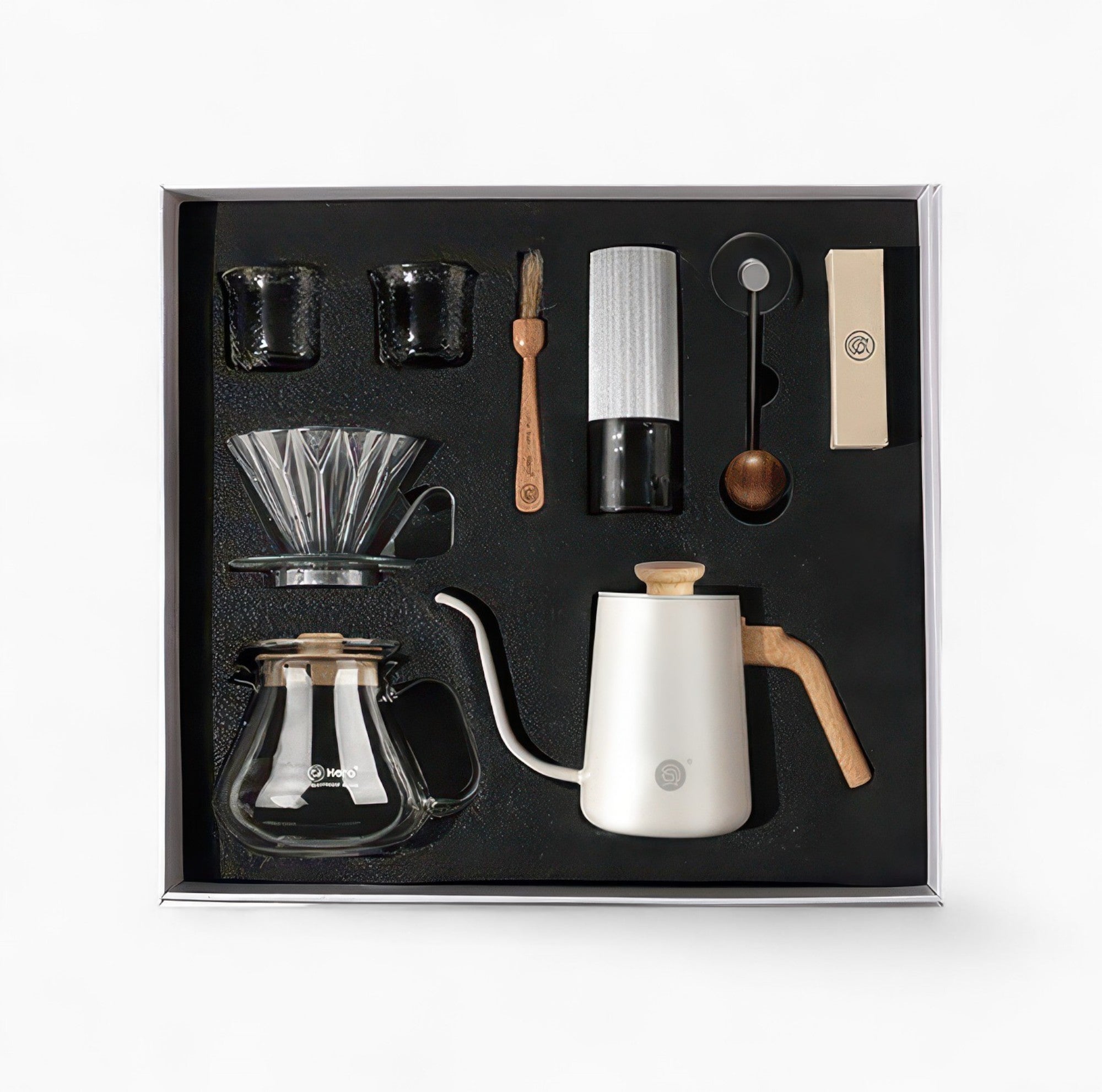
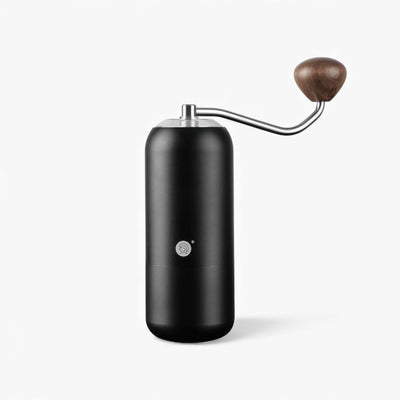
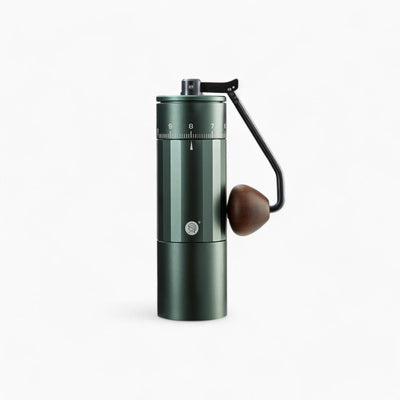
Complete Pour Over Coffee Kit with Grinder and Kettle
$235.90
$360.00
Experience the delicate flavors of Arabica coffee with this complete pour over kit featuring a precision hand grinder and temperature-controlled kettle. Learn more ➔
The Mechanic E-Grinder Precision Conical Burr Coffee Grinder offers 100-step precision adjustment with 48mm conical burrs, allowing you to dial in the perfect grind size for any brewing method. Its near-zero retention design means you grind only what you need, preserving freshness.
For those who appreciate the ritual and clarity of manual brewing, the Complete Pour Over Coffee Kit with Grinder and Kettle provides everything needed to experience Arabica's delicate nuances. Pour over brewing particularly highlights the bright acids and floral notes that make specialty Arabica so prized.
Maximizing Your Arabica Experience
Serving suggestions go beyond equipment. To truly appreciate your specialty arabica beans:
- Buy fresh: Look for roast dates within 2-4 weeks
- Grind just before brewing: Ground coffee loses aromatics within minutes
- Use proper ratios: Start with 1:16 coffee-to-water for pour over
- Control temperature: 195-205°F (90-96°C) extracts optimally without scalding
- Experiment with origins: Single-origin coffees reveal terroir best
Understanding coffee bean origins also enhances appreciation. Ethiopian beans typically benefit from lighter roasts that preserve delicate florals, while Colombian coffees often shine at medium roasts that balance brightness with caramelization. Central American beans frequently display excellent versatility across roast levels.
For further reading on coffee fundamentals, the National Coffee Association offers excellent resources on coffee botany and production. The Specialty Coffee Association also provides comprehensive standards and educational materials for enthusiasts seeking to deepen their knowledge.
Conclusion: The Arabica Advantage
Arabica coffee beans have earned their market dominance through genuine quality superiority. Their complex flavor profiles, ranging from bright Ethiopian florals to deep Brazilian chocolates, offer a sensory experience that Robusta simply cannot match. The premium pricing reflects real differences in cultivation difficulty, processing requirements, and cup quality.
For home baristas and coffee enthusiasts, understanding these distinctions empowers better purchasing decisions and brewing practices. Investing in proper storage, quality grinding equipment, and appropriate brewing methods ensures you extract every bit of potential from your specialty beans.
At Rethink Cafe, we believe exceptional coffee deserves exceptional care. From storage solutions that preserve freshness to grinders that unlock nuanced flavors, our curated selection supports your journey toward the perfect cup. Whether you're exploring Ethiopian naturals or Colombian washed coffees, we're here to provide the tools and knowledge you need to elevate your daily ritual.
The world of arabica coffee beans offers endless exploration. Each origin brings unique stories, each roast reveals different dimensions, and each brewing method highlights distinct characteristics. Start with quality beans, treat them with respect, and discover why millions of enthusiasts consider Arabica the only choice for truly remarkable coffee.
Frequently Asked Questions About Arabica Coffee Beans
Arabica coffee typically tastes sweeter, more complex, and less bitter than Robusta. While Robusta offers earthy, woody, and rubbery notes with intense bitterness, Arabica presents a wide spectrum of flavors including fruity (berry, citrus), floral (jasmine, lavender), nutty (hazelnut, almond), and sweet (caramel, chocolate) undertones. The bright acidity and layered complexity make Arabica the preferred choice for specialty coffee.
Arabica beans cost more due to several factors: they require specific growing conditions at higher altitudes (600-2,000 meters), are more susceptible to pests and diseases, produce lower yields per plant, and demand more careful hand-picking since cherries ripen at different rates. Additionally, the growing popularity of specialty coffee has increased demand for high-quality Arabica while supply remains constrained by these cultivation challenges.
Arabica coffee beans primarily grow in the "Bean Belt" between 25° North and 30° South latitude. Major producing countries include Brazil (the world's largest producer), Colombia, Ethiopia, Guatemala, Costa Rica, Honduras, and Kenya. These regions provide the high altitudes, consistent temperatures, and adequate rainfall that Arabica plants require for optimal development and flavor complexity.
The primary differences include: caffeine content (Arabica: 1.2-1.5%, Robusta: 2.2-2.7%), sugar content (Arabica has nearly double), lipid content (Arabica: 15-17%, Robusta: 10-11.5%), bean shape (Arabica is oval, Robusta is round), and flavor profile (Arabica is sweet and complex, Robusta is earthy and bitter). Cultivation differs too—Arabica requires higher altitudes and more care, while Robusta is hardier and easier to grow.
100% Arabica dominates specialty coffee because enthusiasts prioritize flavor complexity, origin transparency, and cup clarity. Arabica offers thousands of cultivar variations, pronounced acidity, and delicate sweetness that allow drinkers to taste specific farm characteristics and processing methods. The specialty movement's focus on traceability, light roasting, and nuanced flavor exploration relies entirely on Arabica's superior taste potential compared to Robusta's harsh, bitter profile.
Quality is subjective to some degree, but Arabica beans are generally considered higher quality for brewed coffee and espresso when flavor complexity is the priority. They contain more sugars and lipids that create pleasant taste profiles, while Robusta has higher pest resistance and caffeine but inferior flavor. However, high-quality Robusta has its place in traditional Italian espresso blends for crema and body. For pure taste appreciation, specialty-grade Arabica (80+ points) represents the pinnacle of coffee quality.
Ethiopian Arabica beans offer some of the most diverse and celebrated flavor profiles in coffee. Washed process Ethiopian coffees typically display bright citrus (lemon, bergamot), delicate florals (jasmine, rose), and tea-like qualities with a light body. Natural process Ethiopian coffees present intense berry flavors (blueberry, strawberry), wine-like characteristics, and heavier body with complex sweetness. Regions like Yirgacheffe, Sidamo, and Guji each contribute unique expressions, making Ethiopian coffees favorites among enthusiasts seeking adventurous flavor experiences.