Finding the perfect cup starts with understanding what separates exceptional coffee from the ordinary. Whether you're dialing in your morning espresso or perfecting your pour over ritual, the foundation of every great brew is high quality coffee beans. As home brewing continues to evolve in 2026, coffee enthusiasts are discovering that premium beans aren't just about taste—they're about the entire experience from farm to cup.
At Rethink Cafe, we believe that great coffee should be accessible to everyone. But achieving café-quality results at home requires more than just buying expensive beans. You need to understand what makes specialty coffee special, how to select the right beans for your brewing method, and how to store and prepare them properly. This guide will walk you through everything you need to know about selecting the best coffee beans of 2026.
What Defines "High Quality" Coffee Beans?
Not all coffee is created equal. The journey from cherry to cup involves countless variables that determine whether your morning brew is merely caffeinated or truly exceptional. Understanding these distinctions helps you make informed decisions when shopping for premium coffee beans.

Specialty Grade vs. Commodity Coffee
The coffee industry categorizes beans into two main tiers: specialty grade and commodity grade. Specialty coffee beans represent the top 5-10% of global production. These beans score 80 points or higher on the 100-point Specialty Coffee Association scale and exhibit distinctive flavor profiles tied to their specific growing regions.
Commodity coffee, by contrast, focuses on volume over distinction. These beans often lack the complexity and clarity of flavor found in artisan coffee beans. When you purchase specialty grade, you're investing in beans that have been carefully cultivated, processed, and roasted to highlight their unique characteristics.
The Importance of Origin and Processing
Terroir—the environmental conditions where coffee grows—profoundly impacts flavor. Ethiopian beans often burst with floral and citrus notes. Colombian coffees typically offer balanced caramel sweetness. Kenyan varieties deliver bold, wine-like acidity. Understanding origin helps you predict flavor profiles and select top rated coffee beans that match your preferences.
Processing methods further shape taste. Washed (wet) processing creates clean, bright flavors that showcase origin characteristics. Natural (dry) processing allows the fruit to ferment around the seed, producing fruity, complex profiles. Honey processing strikes a balance between the two. Each method offers distinct advantages for different brewing styles.
The 2026 Coffee Bean Landscape
This year brings exciting developments for coffee enthusiasts. Sustainability continues driving innovation, with more farms adopting regenerative agriculture and carbon-neutral processing. Experimental fermentation techniques are pushing flavor boundaries, creating gourmet coffee beans with unprecedented complexity.
Direct trade relationships are becoming standard for specialty roasters, ensuring farmers receive fair compensation while consumers access fresher, more traceable coffee. Micro-lots—small batches from specific farm sections—are gaining popularity among home baristas seeking unique, limited-edition experiences. The emphasis on freshness has never been stronger, with roast dates now considered as important as origin information.
Single Origin vs. Blends: Making the Right Choice
One of the most common questions among home brewers concerns the choice between single origin beans and blends. Both offer distinct advantages depending on your brewing goals and taste preferences.
Single origin coffees showcase the pure expression of one specific location. These beans allow you to taste the unique terroir of a particular farm or region without interference from other flavor profiles. They're ideal for pour over brewing methods that highlight subtle nuances and for drinkers who enjoy exploring diverse taste experiences. If you want to train your palate to recognize Ethiopian floral notes or Brazilian chocolate undertones, single origins are your best teachers.
Blends combine beans from multiple origins to create balanced, consistent flavor profiles. Skilled roasters craft blends to achieve specific taste goals—perhaps combining the brightness of Kenyan beans with the body of Sumatran varieties. Blends often perform better for espresso, where complexity and balance matter more than distinct origin characteristics. They're also forgiving for milk-based drinks, where the coffee needs to cut through dairy without disappearing.
Matching Beans to Your Brewing Method
Selecting quality coffee beans means nothing if you don't match them to your preferred brewing method. Each extraction style emphasizes different aspects of coffee flavor, and certain beans shine brighter in specific preparations.

Best Beans for Espresso
Espresso extraction is demanding. The high pressure and concentrated nature of the brew require beans that can deliver complexity without becoming harsh or one-dimensional. Medium to dark roasts typically work best, as they provide the body and sweetness needed to balance espresso's intensity.
When searching for the best coffee beans for espresso, look for blends specifically crafted for this method or single origins known for chocolate and caramel notes. Brazilian, Colombian, and Indonesian beans often perform exceptionally well. Avoid extremely light roasts, which can taste overly acidic and thin when extracted under pressure. The goal is a syrupy, balanced shot with enough complexity to enjoy straight but enough body to stand up to milk.
Best Beans for Pour Over
Pour over brewing is where specialty grade coffee truly shines. This method highlights delicate flavors, floral aromatics, and subtle acidity that other brewing styles might mask. Light to medium roasts are ideal, as they preserve the origin characteristics that make each coffee unique.
Ethiopian and Kenyan beans are pour over favorites, offering tea-like qualities, bright citrus notes, and complex floral aromatics. Central American coffees from Guatemala or Costa Rica provide excellent balance with caramel sweetness and gentle acidity. When brewing pour over, always use freshly ground coffee—pre-ground beans lose their volatile aromatics within minutes. The clarity of pour over extraction means there's nowhere for stale or low-quality beans to hide.
Best Beans for Drip and Immersion Brewing
Automatic drip machines and immersion methods like French press require different considerations. These brewing styles often benefit from medium roasts that balance acidity with body. Drip machines can mute subtle flavors, so beans with bold, clear taste profiles work best.
For French press and other immersion methods, look for beans that emphasize body and mouthfeel. Indonesian coffees from Sumatra or Sulawesi shine here, offering earthy, full-bodied profiles with low acidity. The metal mesh filter of a French press allows oils through, creating a rich, textured cup that complements these flavor profiles. Medium-dark roasts work well, though be careful not to go too dark, as immersion brewing can emphasize bitterness.
Video Guide: Are You Buying the Right Coffee Beans?
Sometimes seeing the selection process in action clarifies what to look for when shopping. This comprehensive guide walks through the essential factors that separate exceptional beans from mediocre ones, helping you make informed decisions whether you're buying online or at your local roaster.
Preserving Your Investment: Proper Bean Storage
Even the most exceptional fresh roasted coffee degrades quickly without proper storage. Coffee beans are hygroscopic, meaning they absorb moisture and odors from their environment. They're also constantly releasing carbon dioxide and volatile aromatic compounds—the very molecules that create flavor.

Exposure to air, light, heat, and humidity are the four enemies of coffee freshness. Once you open a bag of premium coffee beans, the clock starts ticking. Within two weeks, noticeable flavor degradation occurs. After a month, even the best beans taste flat and uninspired. This is why storage solutions matter just as much as the beans themselves.


Coffee Bean Storage Tubes With Walnut Display Base
$34.90 $67.00
Display and store your premium beans in elegant glass tubes with a solid walnut base. Keeps every roast visible, sealed, and within arm's reach for a beautiful coffee station.
Explore ProductUnlocking Flavor: The Importance of Grinding Fresh
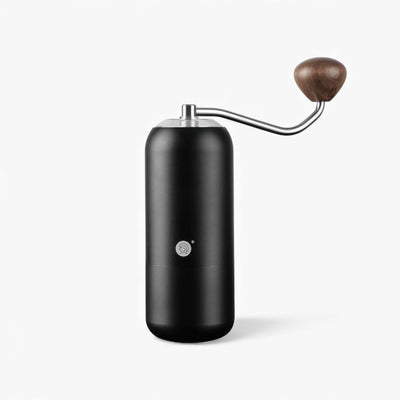
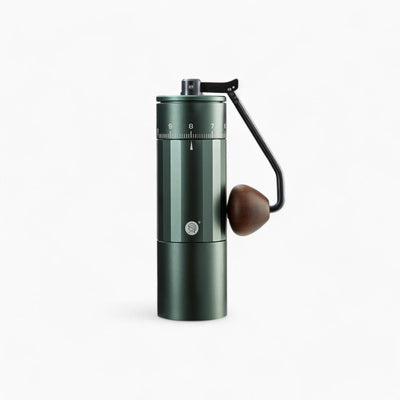
Storage preserves potential; grinding unlocks it. Pre-ground coffee might seem convenient, but it sacrifices the volatile aromatic compounds that define flavorful coffee beans. Within minutes of grinding, coffee loses up to 60% of its aroma. Within an hour, subtle flavor notes fade into generic bitterness.
The solution is simple: grind immediately before brewing. This preserves the full spectrum of flavors that the roaster worked to develop. For specialty coffee beans, grinding fresh isn't optional—it's essential. These beans contain delicate notes of fruit, florals, and spices that pre-ground coffee simply cannot preserve. Investing in quality whole beans without a proper grinder is like buying a sports car and never driving above 30 miles per hour.
Essential Tools for Maximizing Your Coffee Bean Quality

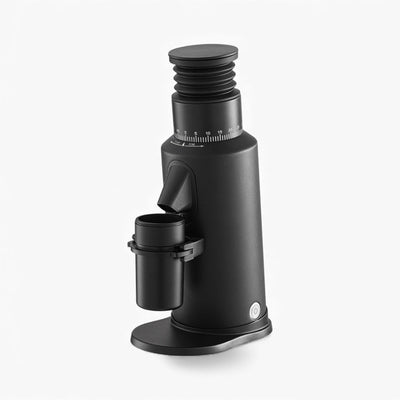
Mechanic E-Grinder Precision Conical Burr Coffee Grinder
$375.90
$650.00
Unlock the full potential of quality beans with 0.016mm precision grinding. Features 48mm CNC stainless steel burrs and near-zero retention for the freshest cup every time. Learn more ➔

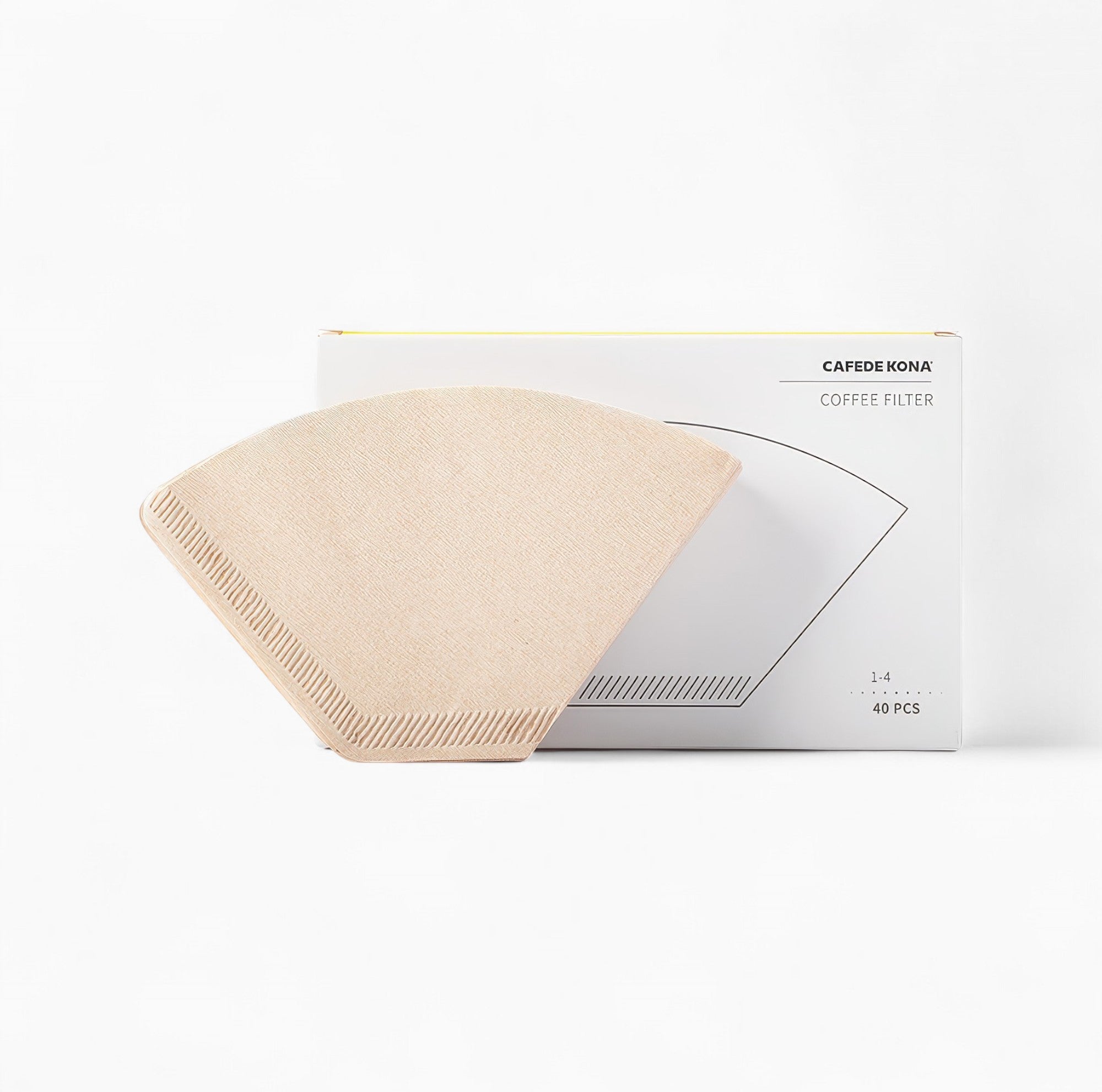
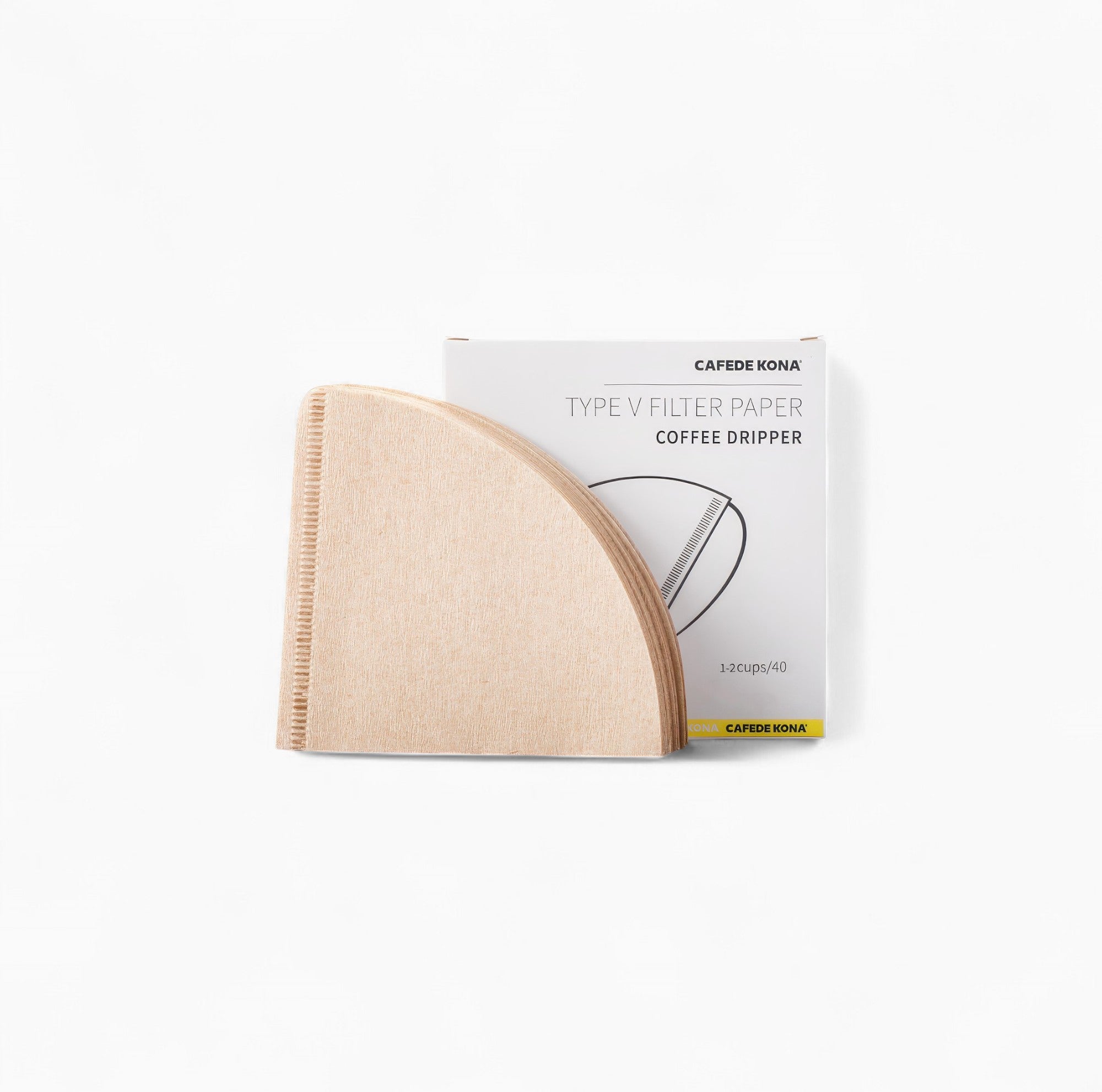
V60 Pour Over Coffee Filter Papers Chemical-Free
$12.90
$22.00
Made from natural wood pulp with zero chemicals to preserve the delicate flavors of your premium beans. Available in multiple sizes for perfect pour over extraction. Learn more ➔
Conclusion
Choosing high quality coffee beans is both an art and a science. From understanding specialty grade classifications to matching origin characteristics with brewing methods, every decision impacts your final cup. The best coffee beans of 2026 offer unprecedented diversity, whether you prefer the bright florals of Ethiopian single origins or the chocolate depth of Colombian blends.
Remember that great coffee is a holistic experience. Even the most expensive specialty coffee beans will disappoint if stored improperly or ground days in advance. Investing in proper storage solutions, a quality grinder, and appropriate brewing equipment ensures that every bean reaches its full potential. At Rethink Cafe, we're committed to providing not just exceptional products, but the knowledge and tools you need to transform your daily coffee ritual into something extraordinary.
Frequently Asked Questions about High Quality Coffee Beans
High quality coffee beans, also known as specialty grade, score 80+ points on a 100-point scale and represent the top 5-10% of global production. Unlike commodity coffee, specialty beans are carefully cultivated at high altitudes, hand-picked at peak ripeness, and processed with precision. They offer complex flavor profiles with distinct notes like florals, fruits, or chocolate, while regular beans typically provide generic, bitter flavors without distinction.
Unopened bags of whole bean coffee stay fresh for 2-4 weeks after roasting when stored properly. Once opened, consume within 7-14 days for optimal flavor. Ground coffee deteriorates within 30 minutes of grinding, losing up to 60% of its aroma immediately. Signs of stale coffee include dull, flat taste, lack of crema in espresso, and diminished aromatics. Always check roast dates and buy beans that were roasted within the past 2 weeks for the best experience.
The best coffee beans for espresso are typically medium to dark roasts with chocolate, nut, or caramel flavor profiles that can withstand high-pressure extraction. Brazilian and Colombian beans are popular choices for their balanced sweetness and full body. Many espresso enthusiasts prefer blends over single origins because they offer complexity and consistency, combining beans that contribute crema, body, and acidity. Look for beans labeled specifically as "espresso roast" or those with tasting notes mentioning dark chocolate, toasted nuts, or brown sugar. Avoid very light roasts, which can taste overly acidic and thin when extracted as espresso.
Freezing coffee beans is controversial but can work if done correctly. Only freeze unopened bags of beans that you won't use within 3-4 weeks. Once you open a bag, never return it to the freezer—the temperature fluctuations create condensation that damages the beans and accelerates staling. If you do freeze coffee, store it in an airtight container, remove only what you need for 3-4 days, and never refreeze thawed beans. For most home baristas, room temperature storage in airtight, opaque containers away from heat and light is preferable to freezing. Consume beans within 2-4 weeks of roasting for optimal freshness.
Single origin coffee comes from one specific location—whether a single farm, cooperative, or region—allowing you to taste the unique characteristics of that particular terroir. These beans showcase distinct flavor notes like Ethiopian florals, Kenyan berry brightness, or Brazilian chocolate sweetness. Single origins are ideal for pour over brewing and for drinkers who enjoy exploring diverse flavor profiles. Blends combine beans from multiple origins to create consistent, balanced flavor profiles. Roasters craft blends to achieve specific taste goals, combining beans that contribute body, acidity, sweetness, and crema. Blends are often preferred for espresso because they provide complexity and consistency shot after shot. They're also more forgiving with milk-based drinks. Neither is inherently better—single origins offer adventure and distinctiveness, while blends provide balance and reliability.