

Finding good espresso coffee beans is the foundation of every exceptional shot you pull at home. Whether you are dialing in a new machine or perfecting your daily ritual, the beans you choose determine everything from crema thickness to flavor complexity. While roast profiles and origin stories matter immensely, achieving café-quality results requires more than just selecting the right bag from the shelf. You need to understand what characteristics actually make beans suitable for espresso extraction, how to preserve their peak freshness, and which tools will help you unlock their full potential.
At Rethink Cafe, we have spent years testing countless varieties and developing equipment that helps home baristas transform ordinary beans into extraordinary espresso. In this guide, we will explore the best coffee beans for espresso in 2026, breaking down exactly what to look for when shopping and how to maintain quality from the moment you open the bag until the last drop lands in your cup.
What Makes a Good Espresso Coffee Bean?
Not all coffee beans are created equal when it comes to espresso preparation. The concentrated nature of espresso extraction means that any flaws in the bean become magnified, while quality characteristics shine through with remarkable clarity. Understanding these distinctions helps you shop with confidence.
First, consider the roast profile. While personal preference plays a role, most espresso enthusiasts gravitate toward medium to dark roast espresso beans because they develop the caramelized sugars and reduced acidity that create balanced, rich shots. However, modern third-wave coffee culture has also embraced lighter roasts that showcase origin characteristics, provided you have the equipment to extract them properly.
The freshness of your beans impacts extraction dynamics significantly. Coffee beans contain volatile aromatic compounds that begin dissipating immediately after roasting. For espresso, you want beans that have degassed slightly—typically 7 to 21 days off roast—but have not lost their vibrancy. This window represents the sweet spot where gases have stabilized enough to prevent channeling, yet oils remain active enough to produce that coveted golden crema.

Understanding Roast Levels and Origins
When selecting freshly roasted coffee beans for espresso, you will encounter three primary roast categories, each offering distinct flavor profiles. Light roasts preserve the bean's origin character, delivering bright acidity and complex fruit notes. Medium roasts balance acidity with developed sweetness, often described as the "sweet spot" for milk-based drinks. Dark roasts showcase bold, chocolate-forward flavors with minimal acidity.
Italian espresso traditions typically favor darker roasts, which explains why best Italian espresso coffee beans often appear nearly oily and produce intense, full-bodied shots. However, the specialty coffee movement has expanded our understanding of what constitutes excellent espresso, with many roasters now crafting specific espresso blend coffee beans that combine multiple origins to achieve complexity and balance.
Look for beans labeled specifically as espresso blends or those with tasting notes mentioning chocolate, caramel, nuts, or dried fruit. These profiles tend to extract beautifully under pressure. Single-origin Arabica beans from Brazil, Colombia, or Ethiopia can also make stunning espresso when roasted specifically for that purpose.
The Freshness Factor: Why Timing Matters
The question of freshness generates considerable debate among home baristas. Are freshly roasted beans actually better for espresso? The answer involves nuance. Very fresh beans—those roasted within 72 hours—contain excess carbon dioxide that can disrupt extraction, causing explosive "bloom" and channeling that leads to uneven extraction.
However, once beans pass that initial degassing phase, freshness becomes your ally. Fresh coffee beans for espresso contain soluble compounds that extract more evenly, producing sweeter, more nuanced shots with better body. As beans age beyond four weeks, they lose volatile aromatics and oils, resulting in flat, thin crema and muted flavors.
This reality makes storage solutions essential for anyone serious about their espresso game. Without proper containment, even the finest beans degrade rapidly when exposed to oxygen, light, and moisture.

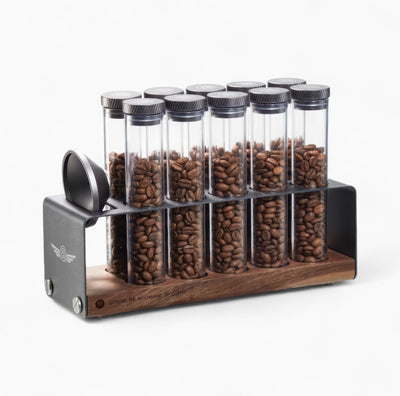
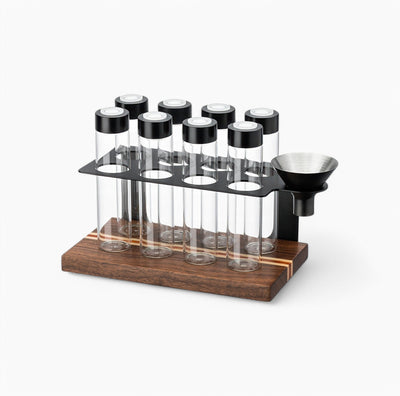
Coffee Bean Storage Tube Set with One-Way Valves
$41.90 $70.00
Preserve your espresso beans' peak freshness with single-dose storage tubes featuring one-way degassing valves. Keep multiple origins organized and sealed for perfect dosing every morning.
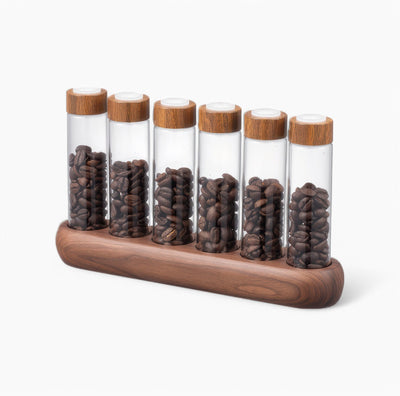
Explore ProductThe Coffee Bean Storage Tube Set with One-Way Valves solves the oxidation problem elegantly. These single-dose storage tubes feature one-way degassing valves that allow CO2 to escape while preventing oxygen from entering, maintaining your beans at peak freshness. The modular design lets you organize multiple origins simultaneously, perfect for those who enjoy rotating between different high-quality coffee beans for espresso throughout the week.
Visual Guide to Bean Quality
Recognizing quality beans before you buy requires understanding visual indicators. Fresh, well-roasted espresso beans should display consistent coloring without excessive oiliness on the surface. While some oil is normal—especially on dark roasts—beans that appear wet or excessively shiny may be past their prime or roasted too aggressively.

The aroma should strike you immediately upon opening the bag: complex, inviting, and devoid of any cardboard or stale notes. When you grind the beans, they should release fragrant oils that fill your kitchen with promise. If you detect little to no smell, or worse, a musty or papery odor, the beans have likely oxidized beyond their useful life.
Grinding Excellence: The Critical Next Step
Even the world's finest whole bean espresso coffee requires proper grinding to reach its potential. Espresso demands a specific particle size—fine enough to create adequate pressure during extraction, but not so fine that water cannot permeate the puck uniformly. Inconsistent grinds create channels where water rushes through too quickly, leaving behind soluble flavors.
For home baristas who value consistency, investing in precision grinding equipment represents a non-negotiable step toward excellence. The ability to adjust grind size in micro-increments allows you to dial in shots perfectly as your beans age or as humidity levels change in your kitchen.
Essential Tools for Espresso Bean Preparation

Mini Rui Compact Travel Coffee Grinder for Espresso
$116.90
$181.00
Grind your espresso beans to uniform perfection anywhere with this palm-sized electric grinder. Six-axis precision burr delivers consistent particle size for balanced extractions on the go. Learn more ➔

Precision Coffee Scale with Timer and Ratio Modes
$59.90
$108.90
Dial in your espresso shots with 0.1g accuracy and four intelligent brewing modes. Auto-timer and ratio tracking help you achieve repeatable results with every dose of beans. Learn more ➔
The Mini Rui Compact Travel Coffee Grinder for Espresso delivers professional-grade consistency in a remarkably portable package. Its six-axis precision burr produces uniform particle distribution crucial for best coffee beans for espresso machine preparation, ensuring balanced extractions whether you are at home or traveling. Pairing this with the Precision Coffee Scale with Timer and Ratio Modes allows you to measure doses to 0.1g accuracy while tracking extraction times, giving you complete control over every variable.

Maintaining Peak Freshness: Storage Best Practices
Once you have secured quality beans, proper storage becomes your primary defense against degradation. Coffee beans are hygroscopic, meaning they absorb moisture and odors from their environment. They also oxidize rapidly when exposed to air, with staling beginning almost immediately after roasting.
To maximize the lifespan of your espresso roast coffee beans, store them in a cool, dark place away from heat sources like stovetops or direct sunlight. Avoid refrigeration, as temperature fluctuations cause condensation that damages flavor compounds. Instead, use airtight containers specifically designed for coffee, preferably with valves that allow degassing while blocking oxygen entry.
Buy quantities you will consume within two to three weeks, and consider portioning larger bags into smaller, airtight containers to minimize repeated exposure to air. This approach ensures that each dose you grind offers the same vibrant character as the first.
Conclusion: Elevating Your Espresso Experience
Selecting good espresso coffee beans involves understanding roast profiles, prioritizing freshness, and recognizing quality indicators. From dark roast espresso beans that deliver intense, chocolate-forward shots to bright medium roast espresso beans that showcase origin nuances, the best beans align with your flavor preferences and equipment capabilities.
However, beans represent only one variable in the espresso equation. Without proper storage, your coffee degrades before you can enjoy it. Without consistent grinding, even premium Arabica espresso beans produce uneven extractions. And without precise measurement, repeatability remains impossible.
Rethink Cafe exists to bridge the gap between exceptional beans and exceptional results. Our curated selection of storage solutions, precision grinders, and brewing scales provides the infrastructure your coffee deserves. When you pair world-class beans with equipment engineered for specialty coffee preparation, you transform your kitchen into a café-quality espresso destination.
Frequently Asked Questions about Espresso Coffee Beans
The best coffee beans for espresso typically feature medium to dark roast profiles with tasting notes of chocolate, caramel, or nuts. Look for espresso-specific blends or single-origin beans from Brazil, Colombia, or Ethiopia that have been roasted 7-21 days prior to brewing. Italian-style dark roasts work excellently for traditional espresso, while lighter roasts suit those exploring third-wave coffee characteristics.
A good espresso coffee bean balances solubility and density for optimal extraction under pressure. Key characteristics include consistent roast development, adequate aging to allow degassing, and origin profiles that emphasize sweetness and body over acidity. The beans should smell fragrant when ground and produce rich, golden crema when extracted properly.
Freshly roasted beans are better for espresso, but with important timing considerations. Beans roasted within the past 7-21 days generally produce superior results, as they retain volatile aromatic compounds while having degassed sufficiently to prevent channeling. Beans used immediately after roasting (within 72 hours) often produce uneven extractions due to excess CO2, while beans older than four weeks typically yield flat, stale flavors.
Medium to dark roasts are traditionally preferred for espresso because they develop the caramelized sugars and reduced acidity that create balanced, rich shots. Dark roasts emphasize chocolate and nut flavors with thick crema, while medium roasts offer more origin character and brightness. Lighter roasts can work for espresso but require precise equipment and technique to extract properly without excessive sourness.
Espresso beans maintain optimal flavor for 2-4 weeks after roasting when stored properly in airtight containers away from light, heat, and moisture. While beans remain technically safe to consume for months, their aromatic oils and soluble compounds responsible for crema and complexity degrade significantly after 30 days. Using one-way valve storage containers can extend peak freshness by preventing oxidation.


