Walk into any coffee shop or browse the grocery aisle, and you'll find bags labeled "Espresso Beans" sitting next to others marked "Coffee Beans." If you've ever stood there wondering whether you're looking at fundamentally different things or just clever marketing, you're not alone. The espresso beans vs coffee beans debate has confused home baristas for years, with many assuming that espresso requires some special, genetically distinct variety of coffee.
The truth is simpler than the packaging suggests. All coffee beans—whether labeled for espresso, drip, or pour-over—come from the same plants. The difference lies not in the bean itself, but in how those beans are roasted, ground, and brewed. In this guide, we'll dismantle the myths surrounding these labels and show you exactly what matters when selecting beans for your brewing method. Along the way, you'll discover why having the right tools and storage solutions can make any high-quality bean perform beautifully in your machine.
The Truth About Bean Labels: Marketing vs. Reality
Here's the revelation that changes everything: there is no such thing as an "espresso bean" plant. Coffee beans grow as seeds inside coffee cherries, and those same seeds become whatever type of coffee you intend to brew based on roast profile and preparation method. When you see bags labeled espresso beans vs coffee beans, you're typically looking at differences in roast level, blend composition, and intended brewing style—not different species.

So why do roasters use different labels? Marketing plays a role, but there's also practical guidance behind it. Espresso-labeled beans are typically roasted darker and blended to stand up to the intense pressure and concentrated extraction of espresso machines. They often feature flavor profiles that cut through milk and shine in smaller, stronger servings. Coffee labeled for drip or pour-over might be roasted lighter to highlight subtle origin characteristics that develop during longer extraction times.
Roast Levels: Where the Real Difference Emerges
When examining espresso roast vs coffee roast, you're actually comparing roast development rather than bean genetics. Traditional espresso roasts tend toward the darker end of the spectrum—often reaching second crack or just past it. These roasts develop oils on the surface and create the bold, chocolatey, caramelized flavors many associate with classic Italian espresso.
However, modern specialty coffee has challenged this tradition. Light and medium roasts can produce exceptional espresso, offering bright acidity and complex fruit notes that darker roasts obscure. The key is understanding that darker roasts extract more easily under pressure, while lighter roasts require precise grinding and temperature control to achieve balance.
Key Insight: The difference between espresso beans and coffee beans is primarily a matter of roast profile and intended use, not bean type. Focus on freshness and quality origin rather than misleading labels.
Can You Use Regular Coffee Beans for Espresso?
Absolutely. Any coffee bean can become espresso with the right grind size and preparation. The question isn't whether you can use regular coffee beans for espresso—it's whether your particular beans will produce the flavor profile you enjoy under espresso extraction parameters.
When you use beans labeled for drip coffee in your espresso machine, consider these factors:
- Grind size matters most: Espresso requires a fine grind that creates the resistance needed for proper pressure extraction.
- Roast level affects extraction: Very light roasts may taste sour or under-extracted in espresso without proper temperature and yield adjustments.
- Freshness is critical: Beans should be used within 30 days of roasting for optimal crema and flavor development.
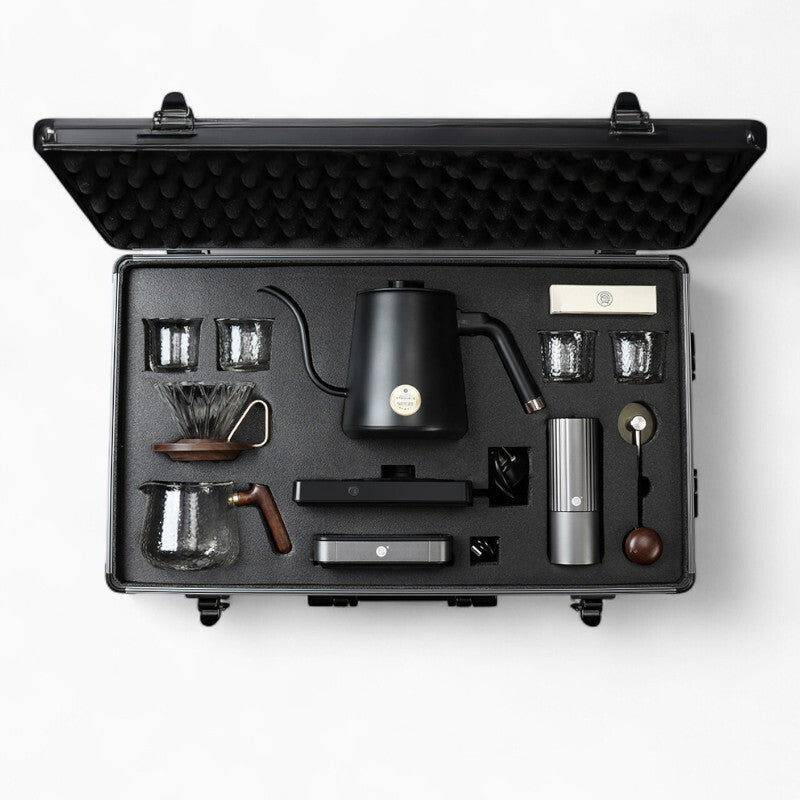
Many home baristas discover that single-origin beans marketed for pour-over create spectacularly complex espresso shots when dialed in correctly. The Professional Pour Over Coffee Kit with Grinder and Kettle available at Rethink Cafe includes precision tools that help you adjust grind settings perfectly for whatever beans you choose, whether you're brewing espresso or drip.
Video: Understanding the Real Differences
Sometimes seeing the process helps clarify the concepts. This video breaks down exactly how beans transform from green seeds to your cup, regardless of what the bag claims:
Bidirectional Brewing: Can You Use Espresso Beans for Drip Coffee?
Just as regular coffee beans work for espresso, espresso-labeled beans absolutely work for drip coffee, pour-over, and French press. The result will simply reflect the darker roast characteristics—expect bold, rich flavors with lower acidity and potentially more bitterness if over-extracted.

If you enjoy darker roasts, drip coffee with espresso beans might become your preferred morning brew. The oils present on dark-roasted beans can even add a pleasant richness to auto-drip machines. For the best results when using dark roasts in drip methods, grind slightly coarser than you would for lighter beans to prevent over-extraction and bitterness.
Freshness: The Universal Requirement
Whether you choose beans labeled for espresso or coffee, freshness trumps labeling every time. Coffee beans begin losing aromatic compounds and developing stale flavors within weeks of roasting. The enemy of great coffee isn't the wrong label—it's oxygen exposure.
Once you open a bag of beans, the degassing process that makes coffee flavorful also creates a dilemma: CO2 release must occur, but oxygen entry must be minimized. This is where proper storage becomes essential for maintaining the integrity of your espresso or drip coffee, regardless of what the bag claims.

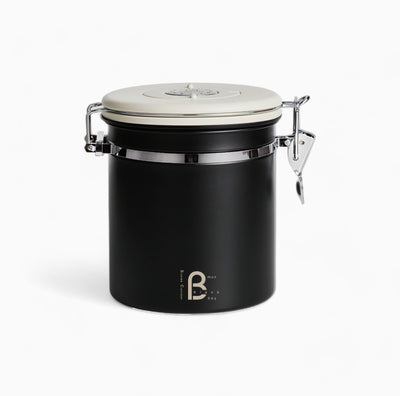
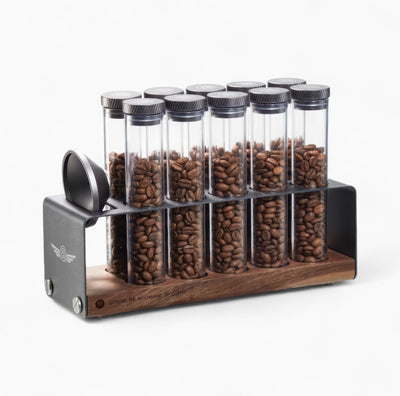
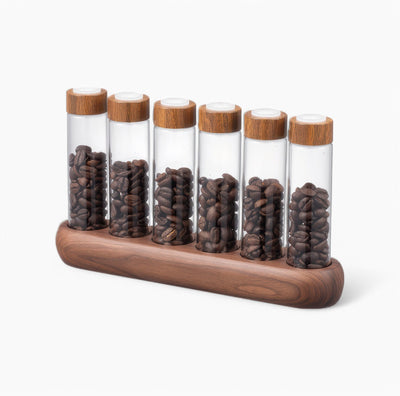
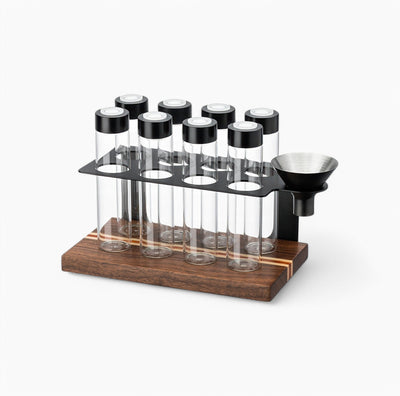
Coffee Bean Storage Tubes with One-Way Degassing Valve
$27.90 $53.00
Keep every gram fresh with these storage tubes featuring one-way degassing valves that protect your beans from oxygen while letting CO2 escape naturally.
Explore ProductThe Coffee Bean Storage Tubes with One-Way Degassing Valve solve this exact problem. These containers allow CO2 to escape naturally while blocking oxygen from entering, maintaining peak freshness whether you're storing beans for espresso shots or morning pour-over. According to research from Specialty Coffee Association standards, proper storage can extend optimal flavor windows by several weeks.
Equipment and Its Role in Bean Selection
Your brewing equipment often dictates bean choice more than the label on the bag. High-end espresso machines with precise temperature control can extract nuanced flavors from light-roasted single origins, while basic machines often perform better with darker, more forgiving roasts. Similarly, conical burr grinders capable of consistent fine grinding open up possibilities that blade grinders cannot achieve.
This brings us to an important reality: the coffee and espresso bean difference becomes less meaningful when you have quality equipment that can handle whatever you throw at it. A capable grinder and espresso machine combination eliminates the need to hunt specifically for "espresso-labeled" beans.
The Equipment That Eliminates Limitations

Professional Pour Over Coffee Kit with Grinder and Kettle
$445.90
$743.00
Master any brewing method with this complete kit featuring precision grinders and temperature-controlled kettles for perfect extractions every time. Learn more ➔

Experience your espresso at the perfect temperature with these insulating double-wall cups that keep heat in while staying cool to the touch. Learn more ➔
The Professional Pour Over Coffee Kit with Grinder and Kettle gives you the flexibility to switch between brewing methods without purchasing new beans, while the Double Wall Borosilicate Glass Espresso Cups 3oz Set ensures that whether you're drinking dark-roasted traditional espresso or bright single-origin shots, your coffee stays at the perfect temperature from first sip to last.
Which Roast Level Is Actually Best for Espresso?
The question of which roast is best for espresso has no universal answer—only personal preference. Traditional Italian espresso calls for dark roasts that create the thick, syrupy body and pronounced bitterness many espresso drinkers love. Third-wave coffee culture has embraced medium and even light roasts that highlight origin characteristics, acidity, and sweetness.
Consider these roast profiles when selecting beans:
- Dark Roasts: Traditional choice, easier extraction, bold flavors, pronounced oils, excellent with milk drinks.
- Medium Roasts: Balanced approach, maintains origin character while developing sweetness, forgiving across brewing methods.
- Light Roasts: Challenging but rewarding, requires precise technique, brightest acidity, most complex flavor potential.

Practical Recommendations for Home Baristas
Now that you understand the reality behind regular coffee beans for espresso and vice versa, how should you shop? Focus on roast dates over marketing labels. Look for beans roasted within the past two weeks. Buy from reputable roasters who provide origin information and roast dates, not just fancy "Espresso Blend" packaging.
Experiment boldly. Your favorite espresso might come from beans labeled for drip. Your perfect morning pour-over might use beans marketed for espresso. The barriers between these categories exist primarily in marketing departments, not in your cup.
Conclusion: Focus on Quality, Not Labels
The espresso beans vs coffee beans question ultimately reveals a coffee industry quirk rather than a biological distinction. All coffee beans can become espresso; all espresso-labeled beans can become drip coffee. The variables that matter are roast freshness, grind quality, equipment capability, and your personal taste preferences.
Stop limiting yourself to bags marked "Espresso Only" or "For Drip." Instead, invest in proper storage to maintain freshness, quality grinding equipment to achieve proper extraction, and brewing tools that give you control over the final result. When you have these elements in place, any high-quality bean can shine regardless of its label.
At Rethink Cafe, we design equipment and accessories that remove the artificial barriers between brewing methods. From precision storage solutions to professional-grade brewing kits, we provide the tools that let you focus on what actually matters: the quality of your beans and the craft of your preparation.
Frequently Asked Questions about Espresso Beans vs Coffee Beans
Yes, espresso beans and coffee beans come from the same plants. The difference lies in how they're roasted and prepared, not in the bean itself. "Espresso beans" are typically just coffee beans roasted darker and blended specifically for espresso extraction, but any coffee bean can technically be used to make espresso with the right grind and equipment.
Absolutely. Any coffee bean can be used for espresso as long as it's ground fine enough and fresh. Beans labeled for drip coffee often work wonderfully for espresso, especially if they're freshly roasted. The key factors are grind size, freshness, and adjusting your extraction parameters to suit the roast level, not the label on the bag.
The difference is primarily in roasting and marketing, not in the bean itself. Espresso beans are typically roasted darker and may be blended specifically for espresso extraction characteristics—creating bold flavors that stand up to milk and pressure brewing. However, there's no biological or botanical difference between "espresso beans" and regular "coffee beans"—they all come from the same coffee plants.
Yes, espresso beans work perfectly well for drip coffee, pour-over, and French press. Since espresso beans are usually darker roasts, using them for drip coffee will result in bolder, richer flavors with less acidity. You may want to grind slightly coarser for drip methods to prevent over-extraction and bitterness, but the beans themselves are completely compatible with all brewing methods.
The "best" roast depends entirely on personal preference. Traditional Italian espresso uses dark roasts for bold, chocolatey flavors and thick crema, while modern specialty coffee often uses medium or light roasts to highlight origin characteristics and bright acidity. Dark roasts are more forgiving for beginners, while lighter roasts require precise grinding and extraction control but offer more complex flavor profiles.