The world of specialty coffee has reached a new pinnacle in 2026, and at the heart of this evolution lies a single question: which organic coffee beans truly deserve a place in your brewing ritual? For home baristas and coffee enthusiasts who refuse to compromise on quality, the search for the best organic coffee beans isn't just about taste—it's about ethics, sustainability, and unlocking the full potential of every single cup.
At Rethink Cafe, we understand that exceptional coffee starts with exceptional beans. This comprehensive guide cuts through the noise to present the top organic coffee beans of 2026, focusing on fair trade, clean, and sustainably sourced picks that deliver both remarkable flavor and peace of mind. Whether you're crafting the perfect espresso shot or perfecting your pour-over technique, we'll show you how to maximize the investment you've made in premium beans with the right equipment and knowledge.
What Makes the Best Organic Coffee Beans Stand Out
Not all organic coffee beans are created equal. The distinction between a mediocre cup and a transcendent one often comes down to three critical factors: certification authenticity, sourcing practices, and roast quality. Understanding these elements helps you make informed decisions when selecting your next bag of USDA organic coffee beans.
USDA Organic and Fair Trade Certifications Explained
When you see the USDA Organic seal on your coffee packaging, it guarantees that the beans were grown without synthetic pesticides, herbicides, or fertilizers for at least three years prior to harvest. This isn't merely a marketing label—it's a commitment to clean coffee beans that are better for both the environment and your health.
Fair Trade certification adds another layer of integrity to your purchase. This designation ensures that farmers receive fair compensation for their labor, work under safe conditions, and invest in community development projects. For the conscious consumer, choosing fair trade organic coffee means supporting sustainable livelihoods while enjoying superior flavor profiles that only ethically sourced beans can deliver.
Single Origin vs. Sustainable Blends
Single origin organic coffee offers a unique window into the terroir of a specific region. These beans capture the essence of their growing environment—the soil composition, altitude, and climate—creating distinct flavor notes that range from bright citrus to deep chocolate undertones. For the purist who wants to experience coffee in its purest form, single origin selections are unmatched.
Sustainable blends, on the other hand, combine beans from multiple regions to create balanced flavor profiles. The best blends of 2026 prioritize not just taste but transparency in their sourcing, often combining organic arabica beans from different certified farms to achieve complex, harmonious results. Both approaches have merit, and the best organic coffee beans of 2026 are available in both formats to suit your brewing preferences.

Why 2026 Is the Year of Clean Coffee
The specialty coffee industry has undergone a significant transformation this year. Consumer demand for eco-friendly coffee beans has driven unprecedented innovation in sustainable farming practices, from regenerative agriculture techniques that restore soil health to water-conserving processing methods that protect local ecosystems.
Modern roasters are now leveraging technology to maintain complete traceability from farm to cup. You can now trace the journey of your organically grown coffee back to the specific cooperative or estate where it was cultivated. This transparency has elevated the standards for what constitutes premium coffee, making 2026 the ideal time to upgrade your home brewing experience with beans that align with your values.
Maximizing Flavor Potential from Your Organic Beans
Investing in premium organic whole bean coffee is only the first step. To truly appreciate the nuanced flavors and aromatics that make these beans exceptional, you need to approach preparation with the same level of care that went into growing them. The equipment you use can either amplify or diminish the qualities that make organic beans worth the premium price.
The Static Problem in Grinding
One of the most frustrating challenges when grinding high-quality beans is static electricity. This seemingly minor issue can cause grounds to cling to surfaces, leading to inconsistent dosing, wasted coffee, and messy countertops. When you've invested in premium chemical free coffee beans, every milligram matters—static waste can cost you precious grams over time, diminishing the value of your purchase.
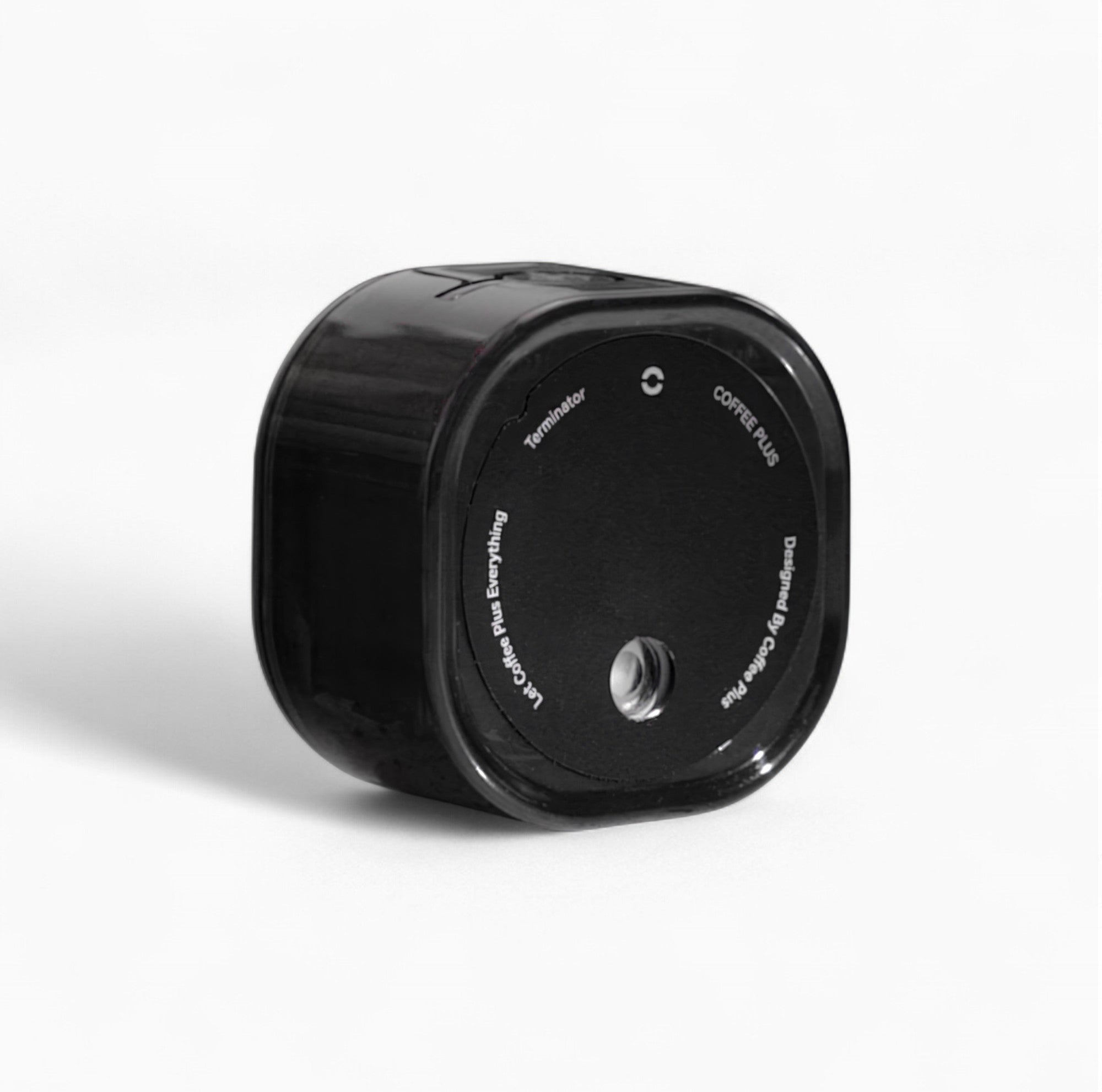
The solution lies in neutralizing static before grinding begins. By treating your beans with a fine mist that prevents charge buildup, you ensure that every ground makes it precisely where it should: into your portafilter or brewing device.

Electric Anti-Static Bean Sprayer for Espresso
$25.90 $87.00
Neutralize static before grinding your precious organic beans with precision 16um mist technology, ensuring every milligram makes it to the portafilter without waste.
Explore ProductThe Electric Anti-Static Bean Sprayer for Espresso addresses this exact pain point with precision 16um mist technology. By neutralizing static before you grind your precious organic beans, this device ensures zero waste and perfect dosing every time. It's an essential tool for any home barista serious about maximizing their investment in premium coffee.
Temperature Precision Matters
Water temperature is arguably the most overlooked variable in home brewing. The volatile aromatic compounds in organic coffee require precise thermal conditions to fully express themselves. Too hot, and you risk burning delicate notes into bitterness. Too cool, and you under-extract, leaving complex flavors locked in the grounds.
The sweet spot for most brewing methods sits between 195°F and 205°F, but different beans and roasts respond best to specific temperatures within that range. Having equipment that allows you to dial in exact temperatures transforms good coffee into extraordinary coffee.
Brewing Methods for Premium Organic Coffee
Once you have the best organic coffee beans in your possession and the right tools to prepare them, your brewing method becomes the final variable in the equation. While espresso lovers have their own set of considerations, pour-over methods have surged in popularity among organic coffee enthusiasts for their ability to highlight the clean, nuanced profiles of sustainably sourced beans.
Pour Over Excellence
The pour-over method offers unparalleled control over extraction, allowing you to showcase the terroir-driven characteristics of your sustainable coffee. This technique requires patience and precision but rewards you with a cup that reveals layers of flavor impossible to achieve with automatic machines.
Success with pour-over depends on three key elements: the right grind size, proper water temperature, and controlled pouring technique. The ritual itself—watching the bloom form, controlling the spiral pour, adjusting the flow rate—connects you more deeply with the coffee you've sourced from ethical farms around the world.

Mastering pour-over technique transforms your morning routine into a mindful practice, one where every decision—from bean selection to pour speed—impacts the final cup. The tactile experience of handling fresh organic beans, smelling their aroma as you measure them out, and watching the extraction bloom connects you to the sustainable origins of your coffee.
Essential Equipment for Organic Coffee Brewing

Gooseneck Electric Kettle with Temperature Control
$138.90
$255.00
Unlock the full flavor potential of your organic coffee with precise temperature control from 104-212°F, featuring six one-touch presets for perfect extraction every time. Learn more ➔

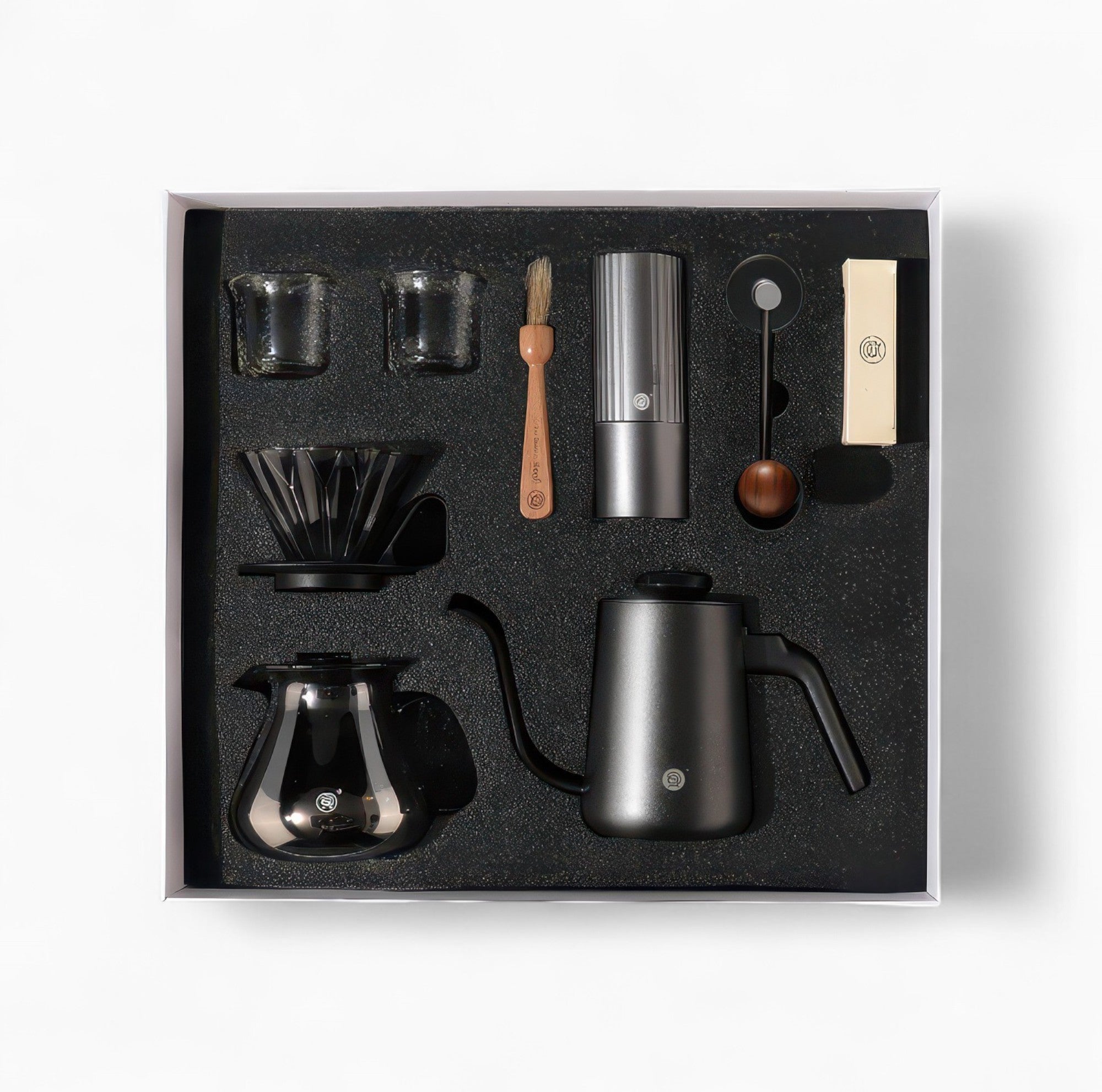
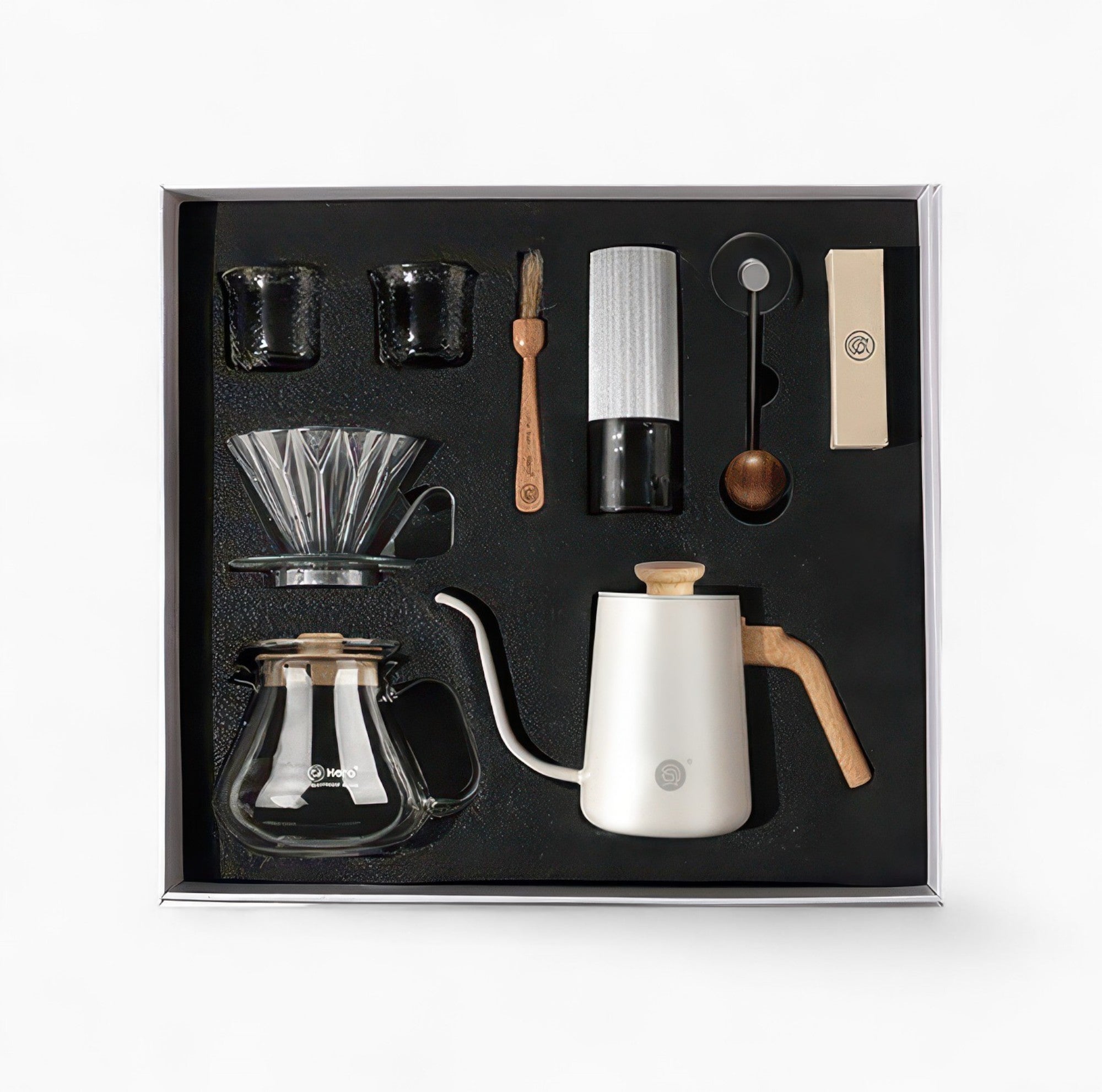
Complete Pour Over Coffee Kit with Grinder and Kettle
$235.90
$360.00
Experience cafe-quality organic coffee at home with this comprehensive brewing system, featuring precision grinding and temperature-controlled pouring for exceptional extractions. Learn more ➔
At Rethink Cafe, we recommend the Gooseneck Electric Kettle with Temperature Control for its ability to unlock the full flavor potential of your organic coffee. With precise temperature control from 104-212°F and six one-touch presets, this kettle takes the guesswork out of water preparation. Pair it with the Complete Pour Over Coffee Kit with Grinder and Kettle for a comprehensive brewing system that brings cafe-quality organic coffee into your kitchen.
Understanding Roast Profiles for Organic Beans
Among the most common questions we receive is: which organic coffee beans have the darkest roast? The answer requires nuance. While dark roasts are popular among those who prefer bold, smoky flavors, the best organic roasters of 2026 have refined their techniques to preserve origin characteristics even at higher roast levels.
Dark roast organic coffee beans develop rich, full-bodied profiles with notes of dark chocolate, caramel, and toasted nuts. However, it's crucial to source these from roasters who understand how to apply heat without burning away the delicate compounds that make organic coffee special. Look for organic dark roast coffee beans that maintain sweetness and complexity rather than tasting charred or one-dimensional.
Medium and light roasts, by contrast, emphasize the intrinsic qualities of the bean itself. These are ideal for pour-over brewing methods where you want to taste the specific terroir of single origin organic coffee. The choice between roast levels ultimately depends on your brewing method and flavor preferences, but 2026's best offerings excel across the entire spectrum.
Proper Storage Techniques for Maximum Freshness
Protecting your investment in premium beans starts the moment you bring them home. Organic coffee beans are often more delicate than conventional varieties because they haven't been treated with preservatives or stabilizers. This means proper storage is essential for maintaining the volatile aromatic compounds that deliver exceptional flavor.
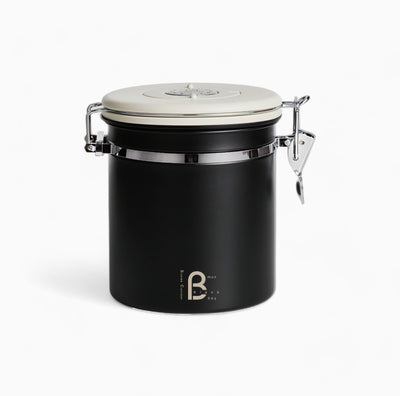
The enemies of fresh coffee are air, light, heat, and moisture. Store your beans in an opaque, airtight container kept in a cool, dark location—never in the refrigerator or freezer, where condensation can damage the beans. For optimal flavor, use whole beans within two to four weeks of roasting and grind just before brewing.

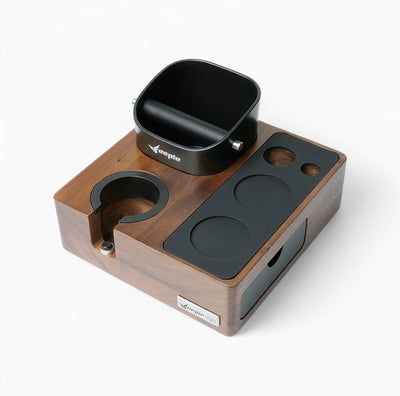
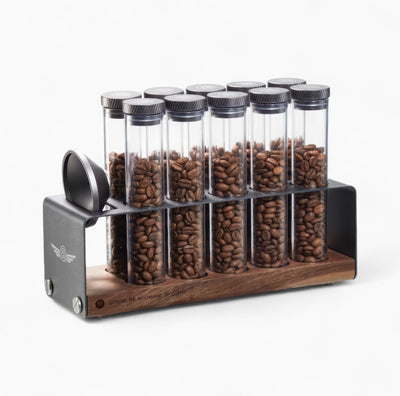
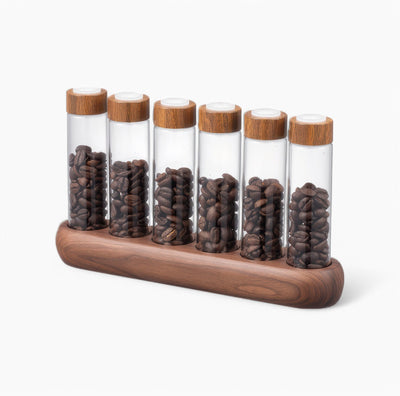
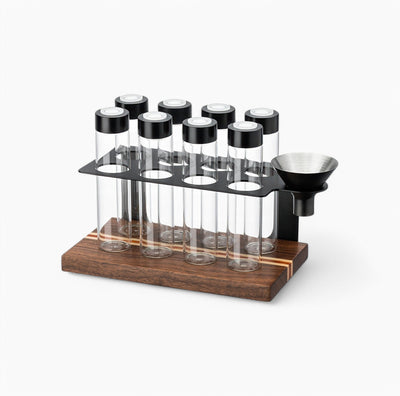
A well-organized coffee station not only looks beautiful but also preserves the quality of your beans. Consider investing in proper bean storage solutions from Rethink Cafe to ensure your sustainable coffee stays fresh from the first cup to the last. The combination of ethical sourcing and proper home storage creates the foundation for consistently excellent coffee.
Pro Tip: Buy your organic whole bean coffee in quantities you can use within 3-4 weeks. While bulk purchases seem economical, stale beans rob you of the very flavors that justify the premium price of fair trade organic coffee.
Video Guide: Expert Recommendations for 2026
Sometimes seeing the selection process in action helps crystallize your understanding of what separates exceptional beans from mediocre ones. This video showcases the top organic coffee selections of 2026 and provides practical brewing advice from industry experts who live and breathe specialty coffee.
The recommendations in this video align with our research into the best fair trade and sustainably sourced options available this year. Notice how each selection balances flavor complexity with ethical sourcing practices—the hallmark of truly premium organic coffee in 2026.
The Rethink Cafe Commitment to Your Coffee Journey
The pursuit of exceptional coffee is a journey, not a destination. Every upgrade you make—from choosing fair trade coffee beans to investing in precision brewing equipment—compounds the quality of your daily ritual. At Rethink Cafe, we've built our reputation on understanding what home baristas truly need: not just products, but solutions that solve real problems and elevate the entire coffee experience.
Whether you're searching for the perfect organic arabica beans, need equipment to maximize their potential, or want to create a coffee station that inspires your morning routine, we're here to support your evolution as a home barista. The best organic coffee beans of 2026 deserve equipment that honors their quality—and that's exactly what you'll find in our curated collection of espresso machines, grinders, and brewing accessories.
Ready to transform your coffee ritual? Explore our complete range of equipment designed specifically for home baristas who refuse to compromise. From anti-static solutions to precision temperature control, every product in the Rethink Cafe collection exists to help you extract the maximum potential from your premium organic beans.
Visit rethink-cafe.com today and discover why thousands of coffee enthusiasts trust us to equip their perfect coffee moment. Your best cup of 2026 starts with the right beans—and the right tools to brew them.
Frequently Asked Questions About Organic Coffee Beans
The best organic coffee beans of 2026 are characterized by USDA Organic certification, Fair Trade sourcing, and transparent farm-to-cup traceability. Top picks include single origin organic arabica beans from sustainable cooperatives in Ethiopia, Colombia, and Guatemala, as well as carefully curated blends that balance flavor complexity with ethical sourcing. Look for beans that specify their growing altitude, processing method, and roast date for the freshest experience.
Yes, organic coffee beans are absolutely worth the premium for most coffee enthusiasts. The additional cost supports sustainable farming practices that protect ecosystems, ensures farmers receive fair compensation, and delivers coffee free from synthetic chemical residues. Beyond ethics, organic coffee often exhibits more complex flavor profiles because the plants develop natural defense compounds that contribute to taste complexity. When paired with proper brewing equipment, the investment in organic beans pays dividends in every cup.
USDA Organic certification requires that coffee be grown without synthetic pesticides, herbicides, or fertilizers for at least three years prior to harvest, using sustainable soil management and biodiversity protection practices. Fair Trade certification ensures that coffee farmers receive minimum price guarantees, work under safe conditions, and receive premiums invested in community development projects. Together, these certifications represent a commitment to environmental stewardship and social equity throughout the coffee supply chain.
Store organic coffee beans in an opaque, airtight container away from direct sunlight, heat sources, and moisture. Keep them at room temperature in a cool, dark pantry—never in the refrigerator or freezer, as temperature fluctuations cause condensation that degrades flavor. Whole beans stay fresh for 2-4 weeks after roasting; grind only what you need immediately before brewing. Consider investing in vacuum-sealed storage containers with one-way valves that release CO2 while preventing oxygen exposure.
The primary difference lies in growing practices. Organic coffee is cultivated without synthetic chemicals, relying instead on natural composting, shade-grown techniques, and biological pest control. Conventional coffee may use synthetic fertilizers and pesticides that can leave residues and harm local ecosystems. Organic farming also emphasizes soil health and biodiversity, often resulting in beans with more complex flavor profiles. Additionally, organic certification requires rigorous third-party verification, while conventional coffee has no such oversight requirements.
Organic dark roast coffee beans are available from many specialty roasters who have refined techniques to preserve origin characteristics even at higher roast levels. Look for beans labeled "French Roast," "Espresso Roast," or "Dark Roast" from certified organic sources. The best organic dark roasts of 2026 maintain sweetness and complexity rather than tasting burnt, featuring bold profiles with notes of dark chocolate, caramel, and toasted nuts. Popular origins for dark roasts include Sumatra, Brazil, and Mexico, where the beans' natural density holds up well to extended roasting.