Decaf coffee has undergone a remarkable transformation over the past decade. Gone are the days when decaf coffee beans were synonymous with weak, flat flavor and chemical aftertastes. Today's specialty decaf offerings rival their caffeinated counterparts in complexity, body, and satisfaction. For home baristas who want to enjoy their evening espresso ritual without sacrificing sleep quality, this evolution couldn't have come at a better time.
In this guide, you'll discover what separates exceptional decaf from mediocre alternatives, why processing methods matter more than ever, and how to select the best decaf coffee beans that deliver full flavor without the jitters. We'll also explore the tools that help you preserve and extract the maximum potential from your decaf investment.
Understanding Decaf Coffee Processing Methods
The journey from regular to decaffeinated coffee isn't just about removing caffeine—it's about preserving everything else that makes coffee worth drinking. The method used to extract caffeine dramatically impacts the final cup's flavor profile and quality.
The Swiss Water Process Revolution
Among serious coffee enthusiasts, the Swiss Water process decaf stands as the gold standard for chemical-free decaffeination. This method uses pure water, temperature, and time to gently remove 99.9% of caffeine while leaving the beans' original flavor compounds intact.
Unlike traditional solvent-based methods that rely on methylene chloride or ethyl acetate, Swiss Water processing operates on a principle called osmosis. Green coffee beans are soaked in a flavor-charged water solution that draws out caffeine molecules without stripping away the oils and aromatics that define each origin's character.
Chemical vs. Natural Methods
While solvent-based decaffeination is FDA-approved and safe for consumption, many discerning drinkers notice subtle differences in flavor preservation. The chemical-free decaf beans produced through Swiss Water or carbon dioxide methods typically retain more of their original complexity, particularly the delicate floral and fruity notes found in high-altitude Arabicas.
What Makes the Best Decaf Coffee Beans in 2026
Identifying truly exceptional decaf requires looking beyond the caffeine content. Here are the key factors that separate the best from the rest:
- Origin transparency: Quality roasters specify the coffee's growing region and farm, just as they do for regular offerings
- Roast date freshness: Decaf beans stale faster than regular coffee due to structural changes during processing
- Processing method disclosure: Reputable roasters proudly state their decaffeination process
- Flavor notes alignment: Expect the same tasting notes you'd find in caffeinated versions from the same origin
- Third-party certifications: Look for organic and fair-trade designations when available

The best decaffeinated specialty coffee in 2026 comes from roasters who treat their decaf offerings with the same care and attention as their flagship beans. This means small-batch roasting, precise profile development, and transparent sourcing from quality-focused farms.
Is Swiss Water Process Decaf Better?
This is one of the most common questions among home baristas exploring decaf options, and the answer depends on your priorities.
The Short Answer: For flavor preservation and health-conscious consumers, Swiss Water decaf consistently outperforms solvent-based alternatives. The difference is especially noticeable in lighter roasts where origin character shines through.
Multiple blind taste tests conducted by specialty coffee associations have demonstrated that Swiss Water decaf preserves significantly more of the volatile aromatic compounds that contribute to flavor complexity. This is particularly important for pour-over brewing methods that highlight subtle tasting notes.
For those with chemical sensitivities or who simply prefer consuming foods processed without artificial solvents, the choice becomes even clearer. The water-based method represents a natural approach that aligns with clean eating philosophies.
Do Decaf Coffee Beans Taste Different?
There's a persistent myth that decaf inherently tastes inferior to regular coffee. While there was truth to this decades ago, modern processing techniques have largely closed the flavor gap.

Here's what you can expect from quality decaf coffee beans in 2026:
Similarities to regular coffee: Body, mouthfeel, sweetness, and overall balance should be comparable to caffeinated versions from the same roaster. A well-processed Colombian decaf should still deliver those classic chocolate and caramel notes.
Subtle differences: Some cuppers note slightly muted acidity in certain decaf lots, though this varies by processing method and roast level. Dark roasts tend to mask these differences more effectively than light roasts.
The freshness factor: Decaf beans often reach consumers less fresh than regular coffee because they're produced in smaller batches. This is where proper storage becomes critical—more on that shortly.
Storage and Brewing: Protecting Your Investment
Even the world's finest organic decaf coffee beans will disappoint if stored improperly. The decaffeination process makes beans slightly more porous and susceptible to oxidation, meaning they stale faster than their caffeinated counterparts.
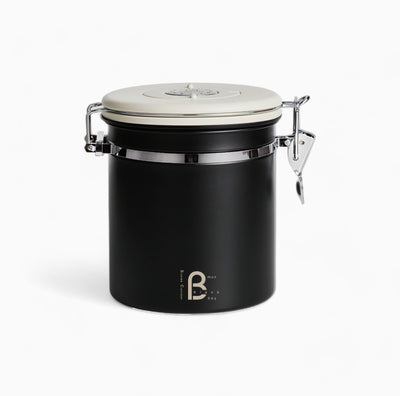
To maintain peak freshness, decaf should be stored in airtight containers away from light, heat, and moisture. This is where investing in quality storage solutions pays dividends in every cup you brew.
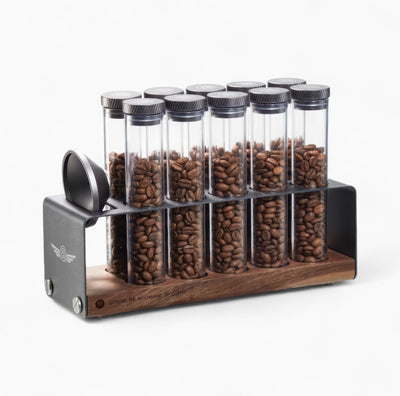
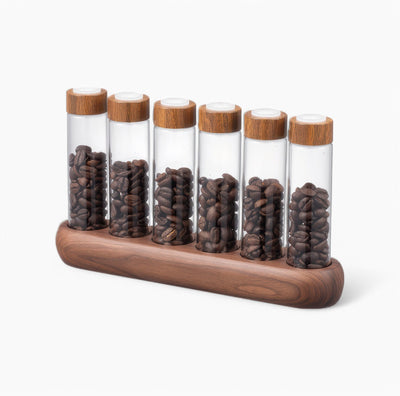
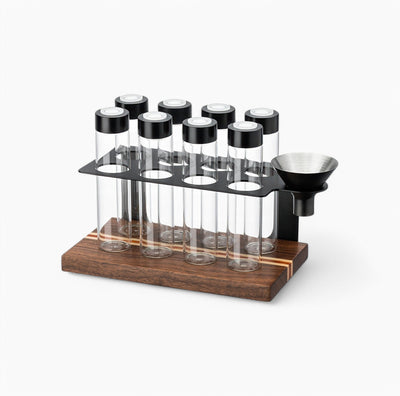
For home baristas who take their craft seriously, the Coffee Bean Storage Tubes With Walnut Display Base provides an elegant solution. These glass tubes create a vacuum-sealed environment that preserves aromatic compounds while adding a touch of sophistication to your coffee station.

Coffee Bean Storage Tubes With Walnut Display Base
$34.90 $67.00
Protect your premium decaf beans in style with these elegant glass storage tubes featuring a beautiful walnut display base.
Explore ProductBrewing Equipment for Maximum Decaf Extraction
Quality decaf deserves quality brewing equipment. The pour-over method is particularly effective for highlighting the nuanced flavors that remain after careful decaffeination.

Watch this comprehensive guide to brewing exceptional decaf at home:
The right equipment makes all the difference when brewing low-caffeine coffee beans. Precise dosing and temperature control ensure you extract the full spectrum of flavors without introducing bitterness or astringency.
Premium Brewing Essentials for Your Decaf Setup

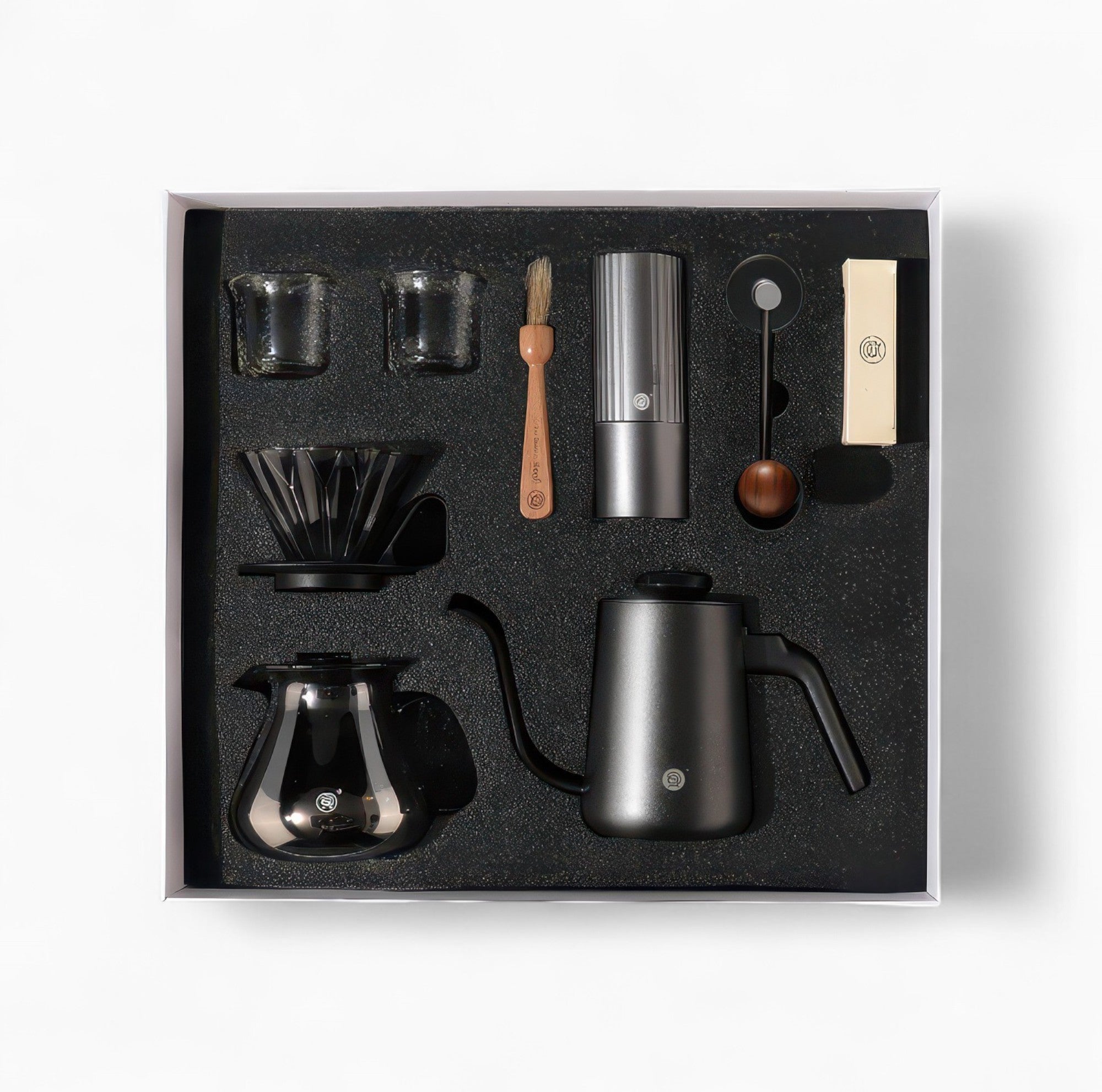
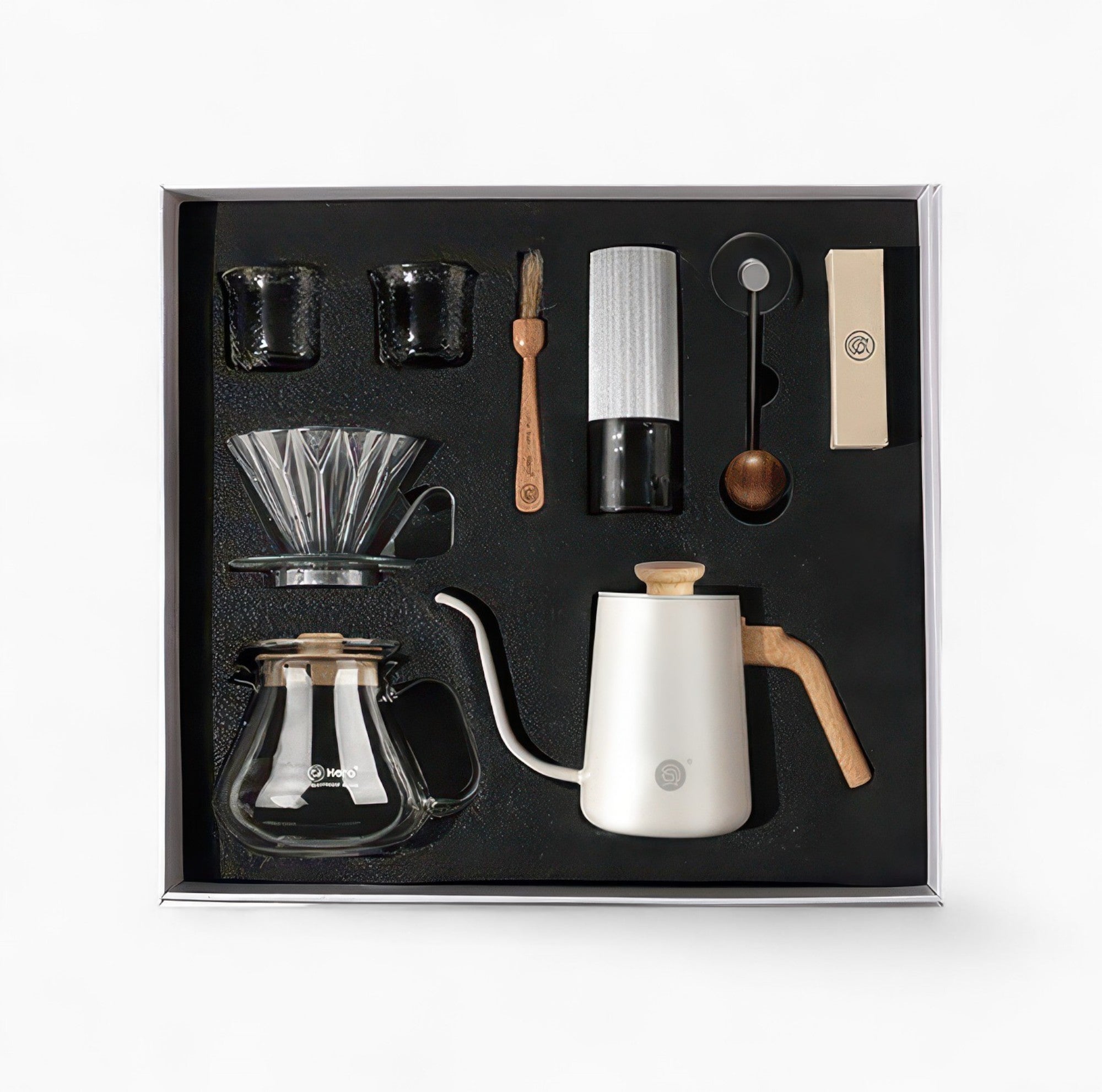
Complete Pour Over Coffee Kit with Grinder and Kettle
$235.90
$360.00
Brew exceptional decaf at home with this all-in-one pour over kit featuring precision grinding and temperature control. Learn more ➔

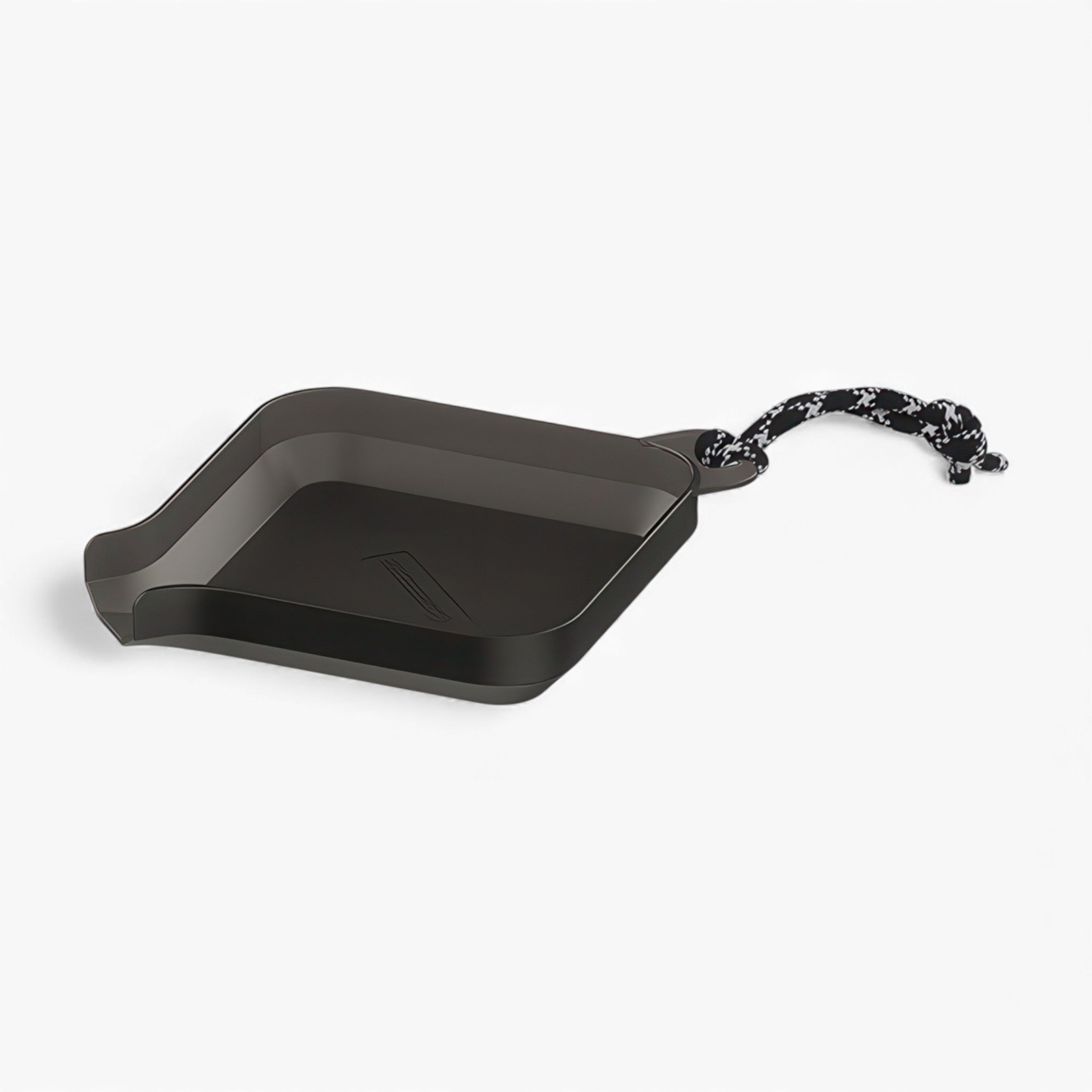
Coffee Bean Weighing Tray with Universal Pour Spout
$12.90
$22.00
Achieve perfect decaf dosing every time with this square-bottom tray designed for accurate weighing and easy pouring. Learn more ➔
Organic Decaf and Half Caff Options
Are Organic Decaf Coffee Beans Worth It?
For environmentally conscious consumers, organic decaf coffee beans represent the pinnacle of sustainable coffee consumption. These beans are grown without synthetic pesticides or fertilizers and processed using organic-compliant decaffeination methods.
The value proposition extends beyond personal health. Organic certification often indicates that farmers receive fair compensation and that environmental stewardship was prioritized throughout the supply chain. When combined with Swiss Water processing, you get coffee that's better for both you and the planet.
According to research from the Specialty Coffee Association, organic farming practices can actually enhance certain flavor compounds when combined with proper processing techniques.
How Much Caffeine Is in Half Caff Coffee Beans?
Half caff coffee beans offer a middle ground for those who want to reduce their caffeine intake without eliminating it entirely. As the name suggests, these blends typically contain approximately 50% of the caffeine found in regular coffee.
Standard coffee contains roughly 95mg of caffeine per 8-ounce cup. A half caff blend would deliver approximately 45-50mg—enough to provide a gentle lift without the crash or sleep disruption associated with full-strength coffee. This makes half caff an excellent option for afternoon sipping or for those gradually transitioning away from caffeine.
Choosing Your Caffeine Level
When selecting between full decaf, half caff, and regular coffee, consider your sensitivity level and consumption timing. Many home baristas keep all three options on hand for different occasions throughout the day.
For more information on the botanical origins of coffee and how different varieties affect flavor, check out our comprehensive guide from the Coffee Research Institute.
Conclusion: Your Path to Exceptional Decaf
The landscape for best decaf coffee beans has never been more promising. With advanced processing methods like Swiss Water decaffeination, specialty roasters can now deliver decaf that satisfies even the most discerning palates. The key is knowing what to look for: transparent processing methods, fresh roast dates, and proper storage protocols.
At Rethink Cafe, we understand that great coffee—decaf or otherwise—requires more than just quality beans. It demands the right tools, techniques, and knowledge to unlock every bean's potential. From precision Coffee Bean Weighing Trays that ensure perfect dosing to elegant storage solutions and complete brewing systems, we provide everything the home barista needs to craft exceptional decaf experiences.
Whether you're exploring decaf for health reasons, better sleep, or simply to expand your coffee horizons, the perfect cup awaits. The best decaf coffee beans of 2026 prove that you don't need caffeine to enjoy coffee worth savoring.
Frequently Asked Questions About Decaf Coffee Beans
The best decaf coffee beans are those processed using the Swiss Water method or CO2 process, sourced from single-origin farms, and roasted fresh by specialty coffee roasters. Look for beans that specify origin details, roast dates within the past 2-4 weeks, and tasting notes similar to their caffeinated counterparts. Top-rated decaf options often come from Colombian, Ethiopian, or Brazilian origins that retain chocolate, nutty, or fruity characteristics after decaffeination.
Yes, Swiss Water process decaf is generally considered superior for flavor preservation and health-conscious consumers. This chemical-free method uses water, temperature, and time to remove 99.9% of caffeine while retaining the bean's natural oils and aromatic compounds. Compared to solvent-based methods using methylene chloride or ethyl acetate, Swiss Water decaf typically preserves more origin character and avoids any potential chemical residue concerns.
Quality decaf coffee beans processed using modern methods like Swiss Water should taste remarkably similar to their caffeinated counterparts. While subtle differences exist—slightly muted acidity in some cases—the overall flavor profile, body, and sweetness should be comparable. The key is purchasing from specialty roasters who treat their decaf with the same care as regular coffee, and consuming it fresh since decaf beans stale more quickly due to increased porosity from processing.
Organic decaf coffee beans are worth the investment for health-conscious consumers and environmentally minded drinkers. They ensure no synthetic pesticides or fertilizers were used during growing, and organic certification requires chemical-free decaffeination methods. Beyond personal health benefits, organic beans often support better farming practices, fair compensation for growers, and environmental sustainability. The flavor can be exceptional when organic growing is combined with quality processing methods.
Half caff coffee beans contain approximately 50% of the caffeine found in regular coffee. A standard 8-ounce cup of regular coffee has about 95mg of caffeine, while half caff delivers roughly 45-50mg per cup. This reduced caffeine level provides a gentle energy boost without the jitters or sleep disruption associated with full-strength coffee. Half caff is an excellent option for afternoon drinking, those sensitive to caffeine, or anyone transitioning toward full decaf.