Walking into your kitchen and inhaling the aroma of freshly brewed coffee made from fresh coffee beans is one of life's simple pleasures. Yet many coffee enthusiasts unknowingly use stale beans that have lost their vibrant flavors and aromatic complexity. Understanding what constitutes truly fresh roasted coffee beans—and knowing how to preserve that freshness from purchase to cup—transforms an ordinary morning ritual into an extraordinary sensory experience.
Whether you're just beginning your specialty coffee journey or looking to refine your current brewing routine, this guide will walk you through everything you need to know about whole bean coffee. You'll learn how to identify freshness indicators before purchasing, where to find reputable sources for recently roasted coffee, proper storage techniques that preserve flavor, and the brewing methods that showcase these premium beans at their best.

Understanding Coffee Bean Freshness: What "Fresh" Actually Means
When we discuss fresh roasted coffee beans, we're referring to beans that have been roasted within a specific timeframe that allows them to retain their optimal flavor profile while developing their full aromatic potential. Unlike produce that spoils, coffee beans undergo a degassing process after roasting, releasing carbon dioxide that affects extraction and taste.
The concept of coffee bean freshness exists on a spectrum. Immediately after roasting, beans contain high levels of CO2 that can create uneven extraction if brewed too soon. This "resting period" typically lasts 3-7 days for espresso and 1-3 days for filter coffee. After this window, beans enter their peak flavor phase, which generally lasts between 2-6 weeks post-roast when stored properly. Understanding this timeline helps you plan your purchases and anticipate when your coffee will taste its absolute best.
Freshness Timeline: Beans roast → Degas 3-7 days → Peak flavor 2-6 weeks → Gradual decline → Stale after 3+ months.
How to Identify Truly Fresh Coffee Beans Before Buying
Learning to spot freshness indicators empowers you to make informed purchasing decisions and avoid stale inventory. When evaluating specialty coffee beans at your local roaster or coffee shop, several visual and sensory cues reveal the roast's age and quality.
Visual Inspection: Appearance Reveals Freshness
Fresh roasted beans exhibit a natural sheen from oils that rise to the surface during roasting, though the intensity varies by roast level. Light roasts appear matte with minimal oil, while dark roasts display an oily, glossy surface. The beans should feel firm and slightly pliable, not brittle or crumbly. Look for uniform coloration indicating even roasting, and check for any signs of fading or discoloration that suggest age.

The Roasted-On Date: Your Freshness Guarantee
Always check for a coffee roast date on packaging. Quality roasters prominently display when beans were roasted, not just "best by" dates that can be months away. Ideally, you want beans roasted within the past 7-14 days. If you only see a "best by" date that extends 12+ months into the future, consider this a red flag indicating that the roaster may prioritize shelf stability over freshness culture.
The Bloom Test: Freshness You Can See
Once you're home, the bloom—the initial release of gases when hot water first hits grounds—provides immediate feedback about your beans' freshness. Fresh coffee beans will produce a vigorous bloom with significant bubbling and expansion, sometimes doubling in volume. Stale beans barely react, producing flat brown water with minimal aromatic release. This visual feedback helps you assess whether your storage methods are working effectively.
Where to Buy Fresh Roasted Coffee Beans
Finding reliable sources for recently roasted coffee requires knowing where to look and what questions to ask. The freshness of your starting material directly impacts your final cup quality, regardless of brewing equipment or technique.
Local Roasters: The Freshest Option
Visiting a local coffee roaster offers the best chance for maximum freshness. Most roasters sell beans within days of roasting, often the same day they finish a batch. Establishing relationships with local roasters also provides access to limited releases, single-origin selections, and expert advice tailored to your brewing preferences. Ask about their roast schedule and whether they offer subscription services that deliver beans at their peak.
Specialty Coffee Shops
Independent coffee shops that prioritize specialty coffee often maintain relationships with multiple roasters, offering rotation and variety. Check their bean display—if it looks dusty or has obviously been sitting for weeks, consider looking elsewhere. Fresh-focused shops will often post roast dates clearly and offer suggestions based on what just arrived.
Online Direct-to-Consumer Options
Many quality roasters now ship directly, though transit time becomes a factor. Look for roasters who ship within 24 hours of roasting and offer expedited options. Some subscription services guarantee beans arrive during their optimal brewing window. When you buy fresh coffee beans online, factor shipping time into your freshness calculations.
Proper Storage: Preserving Fresh Coffee Beans at Home
Even the finest fresh roasted coffee beans will degrade quickly without proper storage. Oxygen, moisture, light, and heat are the four enemies of coffee freshness, degrading volatile aromatic compounds that define great coffee's complexity.
Container Selection: Keeping Enemies at Bay
Transfer beans from retail bags to airtight, opaque containers immediately after opening. Ceramic canisters with silicone seals, vacuum-sealed containers, or specialized coffee storage systems keep oxygen exposure minimal. Clear glass containers might look attractive, but they allow light to degrade beans; choose opaque options or store in dark cabinets.
Freezing vs. Refrigeration: The Debate
Freezing can extend coffee's lifespan when done correctly, but it requires careful execution. Only freeze beans in small, airtight portions you'll use within a week, and never refreeze. The key is minimizing condensation by letting frozen beans come to room temperature before opening. Avoid refrigeration entirely—the constant temperature fluctuations and moisture create condensation that deteriorates flavor rapidly.

Brewing Fresh Coffee Beans: Equipment That Maximizes Flavor
Once you've sourced premium fresh ground coffee or whole beans, your equipment choices determine whether you'll extract their full potential. The right tools preserve the nuanced flavors that distinguish fresh specialty beans from commodity coffee.
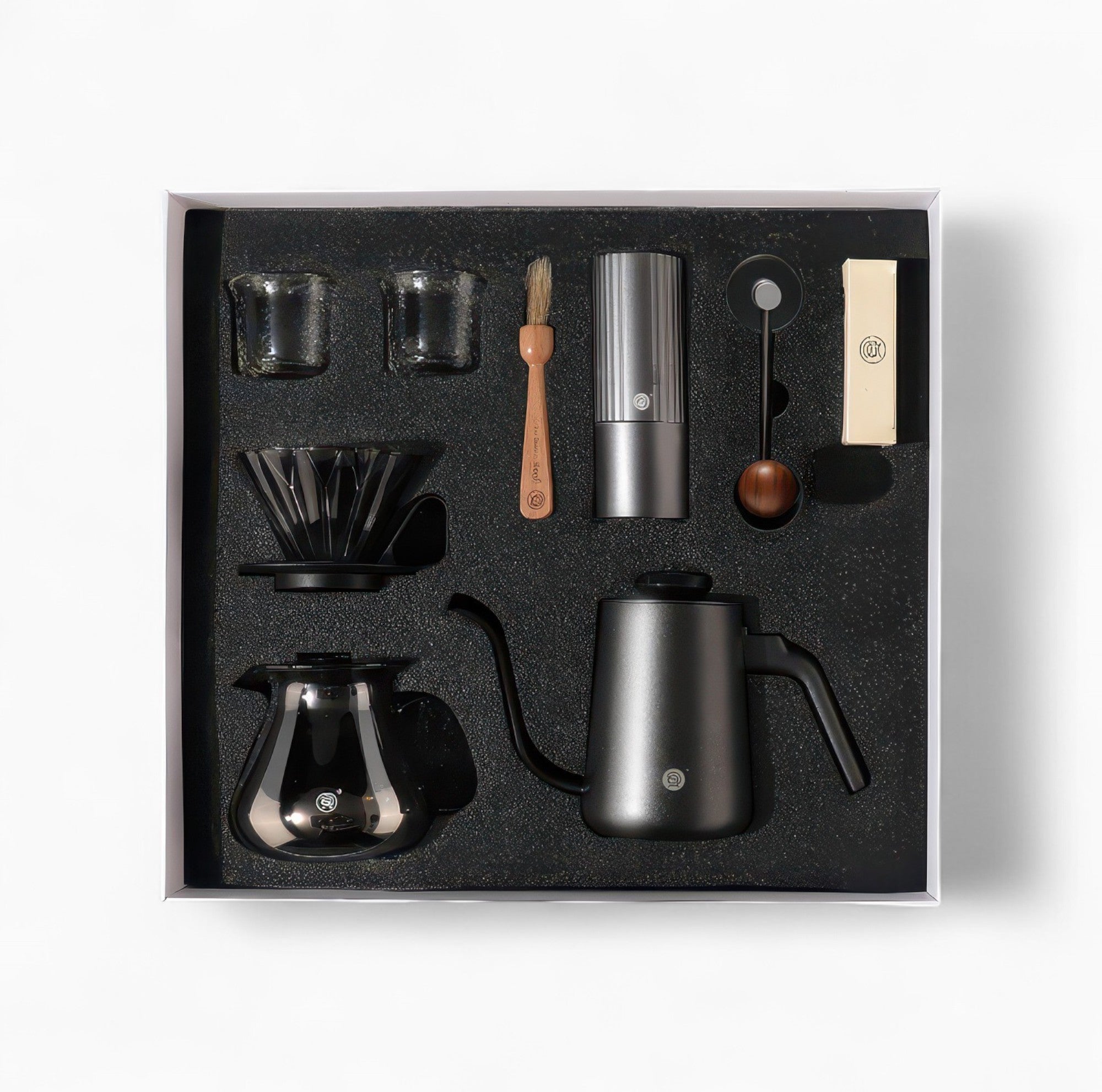
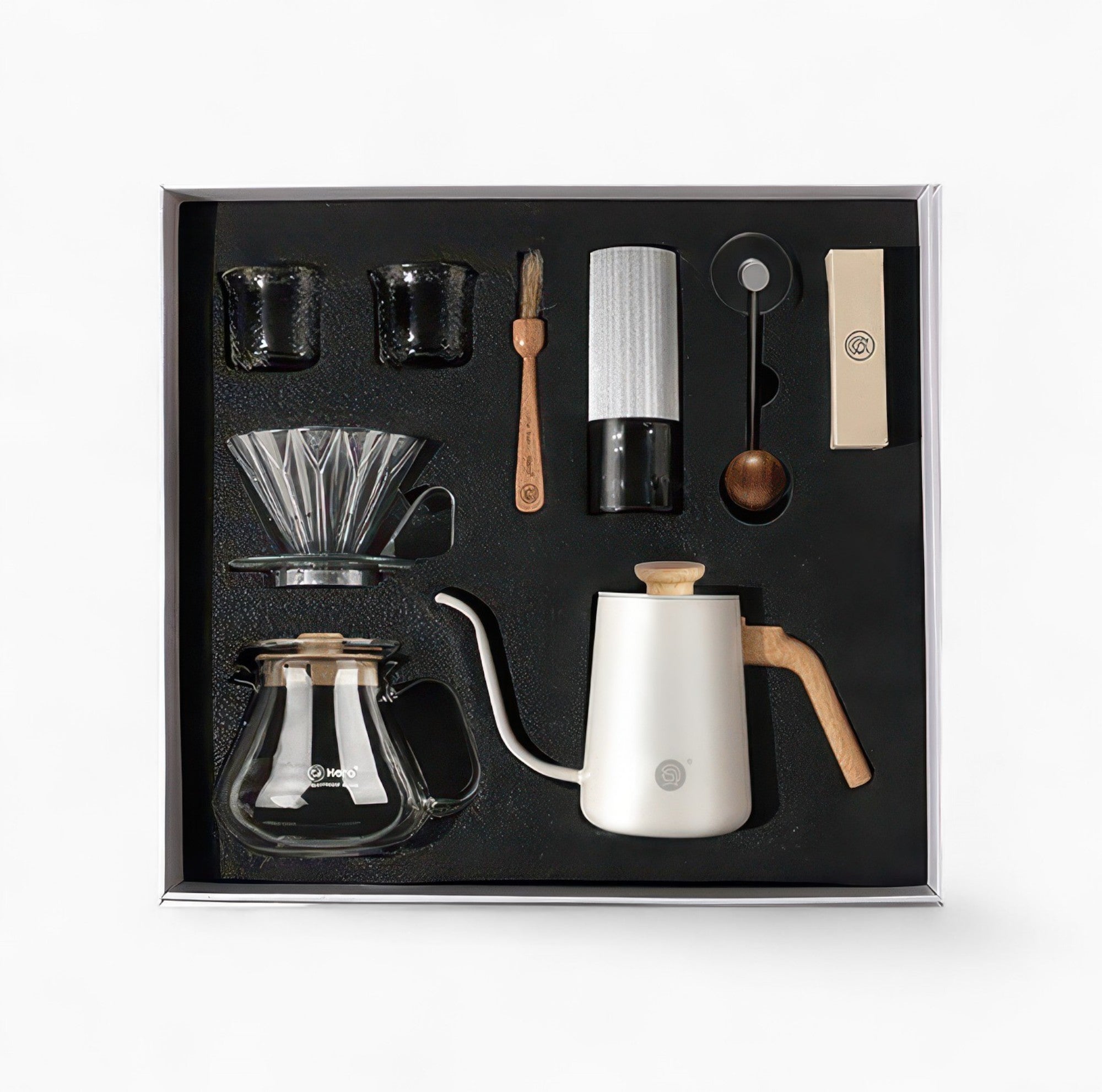
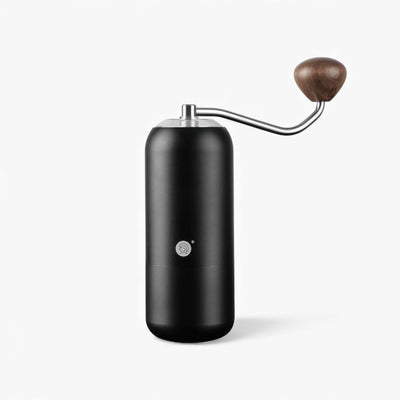
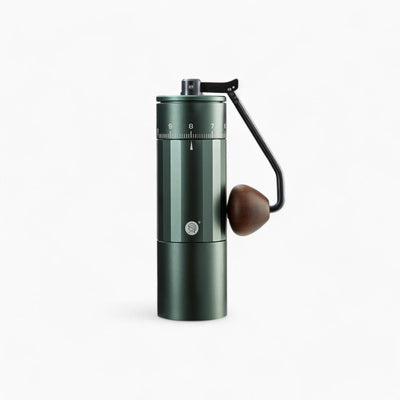
The Complete Pour Over Coffee Kit with Grinder and Kettle represents an ideal solution for those seeking to maximize their fresh bean experience. This comprehensive system includes a precision hand grinder that maintains consistent particle size—essential for even extraction—paired with a temperature-controlled kettle that allows precise heating to highlight specific flavor notes in different roast profiles.

Complete Pour Over Coffee Kit with Grinder and Kettle
$235.90 $360.00
This complete pour over kit includes a precision hand grinder and temperature-controlled kettle to extract maximum flavor from your fresh coffee beans.
Explore ProductThe Importance of Precise Water Temperature
Water temperature significantly impacts extraction and flavor when brewing fresh coffee beans. Too hot, and you'll extract bitter compounds; too cool, and you'll miss sweetness and complexity. Different roast levels and bean origins respond best to specific temperature ranges—lighter roasts often benefit from higher temperatures (200-205°F) to extract denser compounds, while darker roasts shine at slightly lower temperatures (195-200°F) preventing excessive bitterness.
Grinding Fresh: The Non-Negotiable Step
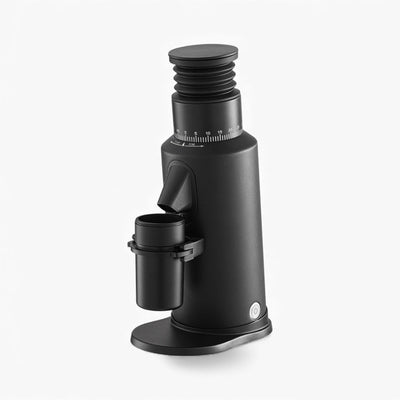
Always grind immediately before brewing. Pre-ground coffee loses aromatics within hours due to increased surface area exposure to oxygen. Investing in a quality grinder matters more than expensive brewing equipment—consistent particle size produces even extraction and balanced flavor. Hand grinders offer excellent precision for pour-over methods while providing a meditative morning ritual.
Creating Your Ultimate Coffee Station
Organizing your brewing setup enhances both workflow and enjoyment. Keeping filter papers, scales, and accessories readily accessible encourages consistent brewing practices that extract the best from your specialty coffee beans.
The Walnut Wood Coffee Filter Paper Storage Rack combines functionality with aesthetic appeal, providing dedicated storage that keeps your brewing essentials organized and protected from kitchen humidity. Crafted from solid walnut, this piece elevates your coffee station while ensuring filters stay dry and ready.
For precision brewing that honors your carefully selected fresh roasted coffee beans, the Gooseneck Electric Kettle with Temperature Control offers digital accuracy with six preset temperatures. The gooseneck spout provides the pour control essential for techniques like the pulse pour or Rao Spin, allowing you to extract maximum sweetness and complexity from your fresh beans.
Elevate Your Fresh Bean Brewing Experience

Walnut Wood Coffee Filter Paper Storage Rack
$29.90
$65.00
Keep your coffee station organized with this handcrafted walnut storage rack, designed to hold filter papers and accessories for daily brewing. Learn more ➔

Gooseneck Electric Kettle with Temperature Control
$138.90
$255.00
Achieve precise water temperature for brewing fresh coffee beans with this gooseneck kettle featuring digital temperature control and six presets. Learn more ➔

Enjoying Fresh Coffee Daily: Your Complete System
Finding, buying, and enjoying fresh coffee beans isn't about purchasing trendy equipment—it's about understanding the lifecycle of your coffee and creating systems that preserve quality from roaster to cup. Start by sourcing from reputable roasters who prioritize transparency on roast dates. Store your beans properly in airtight, opaque containers away from heat and moisture. Grind immediately before brewing using consistent equipment that matches your chosen method.
The difference between coffee made from beans roasted three days ago versus three months ago is dramatic—brighter acidity, more distinct flavor notes, fuller body, and a lingering finish that makes each sip memorable. When you pair excellent fresh beans with precision equipment like the Complete Pour Over Coffee Kit, the Walnut Wood Storage Rack, or the Gooseneck Electric Kettle, you're not just making coffee—you're crafting an experience that celebrates the craft and care behind every bean.
At Rethink Cafe, we believe that exceptional coffee should be accessible to every home barista. Our curated selection of brewing equipment supports your journey toward coffee perfection, ensuring that your investment in quality beans translates to cups that consistently exceed expectations.
Frequently Asked Questions about Fresh Coffee Beans
Fresh coffee beans maintain optimal flavor for approximately 2-6 weeks after roasting when stored properly in an airtight, opaque container. While beans remain safe to drink for several months, they'll gradually lose aromatic complexity and vibrant flavor notes. For best results, purchase quantities you'll consume within 2-4 weeks and look for beans with a clear roast date printed on the package.
Look for these freshness indicators: (1) A recent roast date on the packaging—ideally within the past 7-14 days, (2) An oily sheen on dark roasts or a matte, firm appearance on light roasts, (3) A strong, pleasant aroma when you open the bag. The most definitive test is the bloom: fresh beans will bubble and expand significantly when hot water hits them, while stale beans produce minimal reaction.
Local coffee roasters offer the freshest options, often selling beans the same day they're roasted. Specialty coffee shops and some premium grocery stores also stock fresh beans with visible roast dates. Online direct-from-roaster services can work well if they guarantee shipping within 24 hours of roasting. Avoid anonymous bulk bins or bags without roast dates, as these often contain coffee roasted months ago.
Store fresh coffee beans in an airtight, opaque container at room temperature away from heat, light, and moisture. Avoid the refrigerator due to temperature fluctuations and condensation. Freezing can extend life if beans are sealed in small, airtight portions and allowed to reach room temperature before opening. Coffee storage containers with CO2 valves help release gases while keeping oxygen out.
The ideal roast date depends on your brewing method. For pour-over and drip coffee, beans roasted 1-7 days ago are typically perfect. For espresso, beans benefit from a slightly longer rest period of 5-14 days post-roast to allow excess CO2 to escape. Beyond 3-4 weeks, you'll notice gradual flavor degradation, though coffee remains drinkable for months if properly stored.