
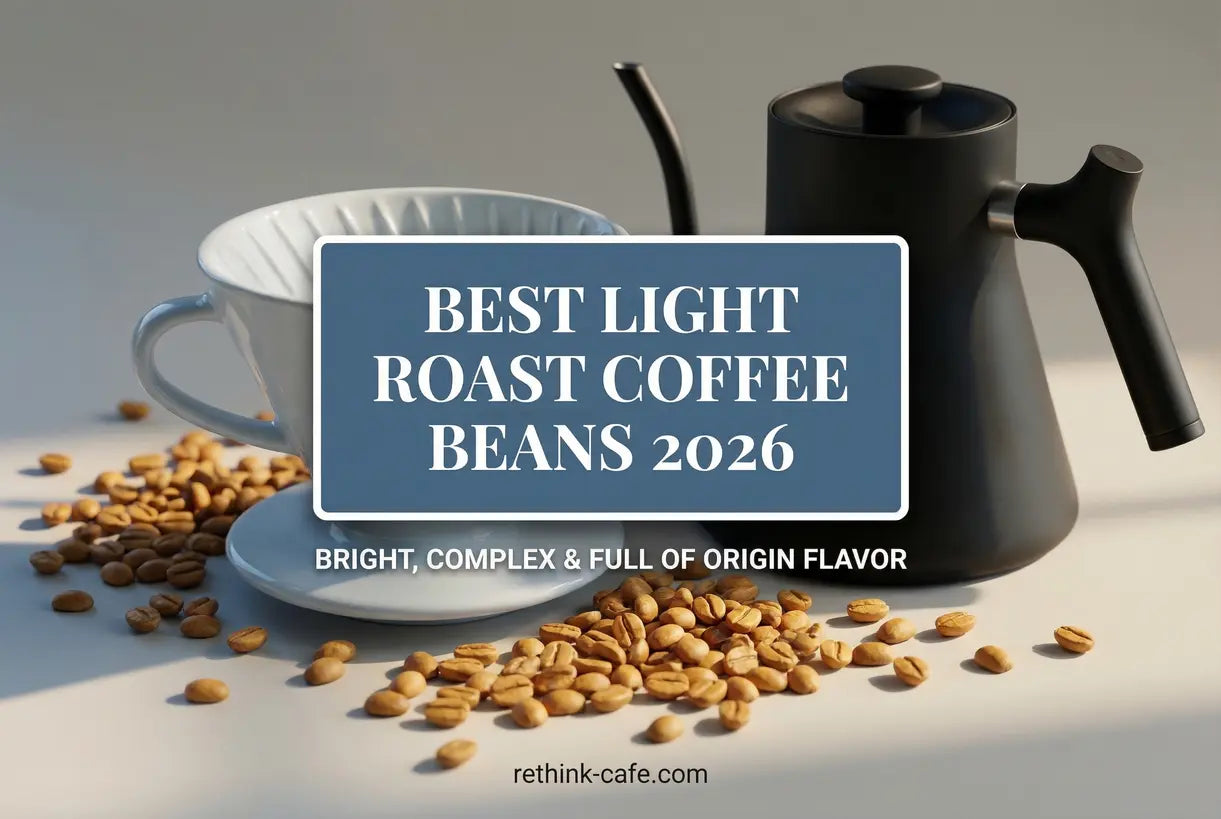
Few things excite the home baristamore than the first whiff of freshly roasted beans at the lighter end of the spectrum. Whether you are just beginning to explore beyond your usual morning blend or you are a full fledged coffee enthusiast chasing the next extraordinary cup, light roast coffee beans represent the purest expression of what coffee farmers work so hard to cultivate. Unlike darker roast styles that trade origin character for smokiness, light roasts preserve the delicate, terroir driven notes that make each growing region unique. In this guide, we will explore why these bright, complex coffees are dominating specialty menus in 2026 and reveal exactly how to unlock their full potential with the right techniques and equipment.
By the end of this article, you will understand what separates exceptional light roasted beans from the rest, how to brew them to highlight their nuanced flavor profiles, and which tools you need to achieve café-quality results at home. The journey from good coffee to transcendent coffee often comes down to precision, which is why we will also introduce you to professional grade equipment that makes extracting the best from delicate light roasts easier than ever before.
What Makes Light Roast Coffee Beans Special?
Light roast coffee beans are defined by their brief roasting time and lower internal temperatures, typically reaching between 356°F and 401°F (180°C to 205°C). Unlike medium or dark roasts that linger in the roasting drum until oils begin to surface, light roasts are pulled before the first crack fully completes. This abbreviated roasting process preserves the bean's natural density and, more importantly, its origin-specific flavor compounds.
The result is a cup that tastes distinctly of its birthplace. Ethiopian light roasts burst with bergamot and blueberry notes, Colombian offerings showcase caramel sweetness with bright citrus acidity, and Kenyan beans present that signature black currant tartness. These are not subtle undertones; they are the headline flavors that define single origin light roast experiences. When you choose best light roast coffee, you are choosing to taste the soil, altitude, and processing method exactly as the producer intended.
The Anatomy of Light Roasted Beans
Visually, light roasted beans remain dry to the touch with no surface oil. The color ranges from tan to cinnamon, and the beans themselves remain harder and denser than their dark roasted counterparts. This density impacts everything from grind size to brewing time. Because the cellular structure remains largely intact, light roast beans require more energy and often longer extraction times to yield their full flavor potential.
This physical characteristic is crucial for home baristas to understand. If you have ever brewed a light roast and found it tasted thin or grassy, the culprit was likely insufficient extraction. The solution involves adjusting your grind finer, increasing water temperature, or extending contact time. These adjustments coax out the vibrant, bright coffee beans potential that remains locked inside when brewed with standard dark roast parameters.
Why 2026 Is the Year for Light Roast Coffee
The specialty coffee landscape has shifted dramatically toward transparency and traceability. Consumers no longer want anonymous blends; they want to know the farm, the farmer, and the specific varietal in their cup. This cultural shift aligns perfectly with light roasting philosophy, which prioritizes expression over uniformity.
As direct trade relationships deepen between roasters and producers, we are seeing unprecedented access to microlots and experimental processing methods. Honey processed Guatemalan beans, anaerobic fermented Panamanians, and carbonic maceration Ethiopians all benefit enormously from lighter roasting that preserves their unique processing signatures. The best roasters in 2026 have mastered the delicate balance of development time, ensuring beans are neither under roasted (vegetal, sour) nor over roasted (losing their distinctiveness).
Single Origin Light Roast Dominance
Search any specialty roaster's current offerings and you will notice the prominence of single origin coffee options at the light roast level. This is not coincidental. Single origin light roasts allow drinkers to compare and contrast how different environments affect flavor. A naturally processed Ethiopian Yirgacheffe offers wildly different fruit notes compared to a washed Burundi from neighboring Africa, and light roasting makes these differences unmistakable.
The pour over coffee beans category has particularly embraced this trend. Manual brewing methods like V60, Chemex, and Kalita Wave have become the preferred vehicles for showcasing light roast brilliance. These drip methods offer the control and clarity needed to highlight subtle florals, stone fruits, and tea-like qualities that immersion methods might muddy.

Understanding Light Roast Flavor Profiles
When you take your first sip of a properly brewed light roast, the immediate impression is often one of brightness. This is not the dull bitterness that characterizes dark roasts; it is a lively, sparkling acidity that enlivens the palate. Think of the difference between biting into a fresh green apple versus a piece of dark chocolate. Both have their place, but one invigorates while the other satisfies through richness.
The specific flavors found in origin flavor coffee vary dramatically by region, but certain patterns emerge. Central American light roasts frequently deliver milk chocolate sweetness balanced by orange or lemon acidity. African light roasts trend toward floral aromatics, berry fruits, and wine-like complexity. Asian Pacific origins like high grown Sumatrans can retain clean sweetness despite the region's reputation for earthy, heavy bodied profiles when roasted dark.
Acidity vs Sourness: Understanding the Difference
A common misconception holds that light roast coffee is merely sour. In reality, skilled roasting develops sweetness and clarity alongside acidity. The difference between pleasant, crisp brightness and unpleasant sourness lies in roast development. Properly developed light roasts maintain enough sweetness to balance their tang, creating a harmonious, juicy cup. Underdeveloped beans taste sharp and grassy, while properly executed light roasts taste vibrant and complex.
How to Brew Light Roast Coffee Beans for Maximum Flavor
Extracting the full potential from light coffee beans requires adjusting your brewing approach. The increased density of light roasts means they extract more slowly than dark roasts. If you use the same grind setting and timing for both, your light roast will taste weak and underwhelming.
For pour over brewing, start with water between 200°F and 205°F (93°C to 96°C). The higher temperature helps penetrate the dense bean structure and extract solubles efficiently. Use a grind size slightly finer than you would for medium roasts, resembling kosher salt rather than coarse sea salt. Extending your total brew time toward the longer end of the standard range, typically three to four minutes, allows full extraction without over brewing.
Pre-infusion or blooming is particularly crucial for light roasts. Allowing the grounds to degas and saturate for 45 to 60 seconds before adding the remaining water ensures even extraction. This step prevents the "channeling" that can occur when water finds paths of least resistance through the coffee bed, leaving some grounds under extracted and others over extracted.



Gooseneck Electric Kettle with Temperature Control
$138.90 $255.00
Dial in precise water temperature (195-205°F) with this electric gooseneck kettle featuring 6 preset temperatures. Essential for extracting bright, sweet notes from light roast beans.
Explore ProductEssential Equipment for Light Roast Perfection
Precision separates good home coffee from exceptional home coffee, and this is doubly true for light roasts. Because these beans demand careful temperature control, consistent grinding, and accurate measurements, investing in quality equipment removes the variables that lead to disappointing cups.
Water temperature is arguably the most critical variable. While dark roasts can withstand boiling water without significant degradation, light roasts need heat to extract properly but can turn bitter if scalded. A variable temperature kettle allows you to hit the sweet spot around 202°F consistently. This precision unlocks the sweet, complex notes that make bright roast coffee worth seeking out.
Grind consistency matters equally. Uneven particle sizes create a mixture of over extracted fines (bitter) and under extracted boulders (sour), muddying the clarity that defines great light roast coffee. A quality burr grinder produces uniform particles that extract evenly, revealing the clean, distinct flavor notes characteristic of well roasted origin beans.
Pro Tip: When brewing light roasts, use a slightly higher coffee-to-water ratio than you might for dark roasts. A 1:15 ratio (1 gram of coffee to 15 grams of water) often provides the strength needed to carry the subtle flavors through milk or stand alone in a larger cup.

The Precision Toolkit
Achieving repeatability requires measuring both your coffee dose and your yield accurately. Eyeballing scoops leads to inconsistent results, especially when adjusting between different beans with varying densities. A scale accurate to 0.1 grams ensures that your experiments are controlled and your successes replicable. When you discover that perfect recipe for a particular Ethiopian or Panamanian bean, you want to be able to recreate it exactly every morning.
Complete Your Light Roast Setup

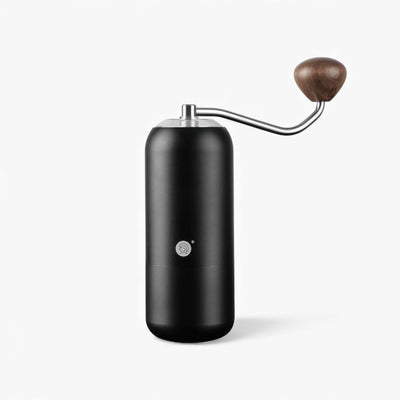
Mini Rui Compact Travel Coffee Grinder for Espresso
$116.90
$181.00
Achieve consistent grind size for light roast perfection. This portable electric grinder features 6-axis precision burrs and USB-C charging for cafe-quality results anywhere. Learn more ➔

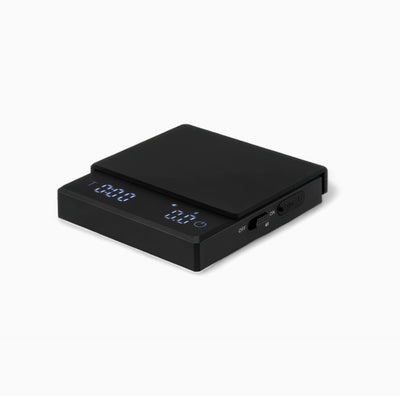
Precision Digital Coffee Scale with LED Brew Guide
$64.90
$143.00
Brew with precision using this 0.1g accurate scale with LED pour-over guidance. Features portafilter mode and real-time flow rate display for repeatable light roast extractions. Learn more ➔
Light Roast vs Dark Roast: The Key Differences
Understanding how light roasted beans differ from their darker counterparts helps inform not just purchasing decisions but brewing approaches. When coffee beans roast, they undergo significant chemical changes. Sugars caramelize, acids degrade, and aromatics develop and then burn off.
Dark roasts extend into the second crack phase and beyond, where the internal structure of the bean fractures completely and oils migrate to the surface. This creates the glossy, black beans associated with French or Italian roasts. The flavor profile shifts dramatically toward carbon, smoke, and generic bitterness. The origin character is essentially roasted away, replaced by the taste of the roast itself.
Light roasts, by stopping shortly after first crack, preserve the volatile aromatic compounds that signal freshness and origin. The body of a light roast cup tends to be tea-like and delicate rather than heavy and syrupy. This clarity makes them ideal for tasting the subtle differences between growing regions and processing methods.
| Characteristic | Light Roast | Dark Roast |
|---|---|---|
| Bean Color | Tan to Cinnamon | Dark Brown to Black |
| Surface Oil | Dry | Oily |
| Body | Light, Tea-like | Heavy, Full |
| Acidity | Bright, Crisp | Muted, Low |
| Origin Flavor | Prominent | Obscured |
For a deeper exploration of coffee's journey from seed to cup, including how different varietals respond to roasting, check out our comprehensive guide to coffee beans.
Conclusion: Embracing the Bright Side of Coffee
The world of single origin light roast coffee offers endless discovery for those willing to look beyond traditional dark roasts. By preserving the intrinsic qualities of carefully cultivated beans, light roasting celebrates the diversity and complexity that makes specialty coffee so captivating. Whether you are drawn to the floral aromatics of Ethiopian naturals, the citrus brightness of Colombian washed beans, or the exotic fermentation notes of experimental microlots, light roasts deliver an unfiltered connection to the people and places behind your daily ritual.
Excellence in light roast brewing demands attention to detail, but the rewards justify the effort. With proper equipment like a Gooseneck Electric Kettle with Temperature Control, you can control the precise temperatures needed for full extraction. A Mini Rui Compact Travel Coffee Grinder for Espresso ensures the consistency required to showcase delicate flavors. And with a Precision Digital Coffee Scale with LED Brew Guide, you can replicate your successes with scientific accuracy.
At Rethink Cafe, we believe every home barista deserves the tools and knowledge to experience coffee at its brightest and most complex. The journey into light roast specialty coffee is one of constant learning and delightful surprises. Each bag of beans represents a story of soil, climate, and craftsmanship waiting to be told through your cup. Take that first step today, and discover why 2026 is the year that light roast coffee moved from specialty curiosity to essential daily experience.
Frequently Asked Questions about Light Roast Coffee Beans
Light roast coffee refers to beans that have been roasted for a shorter duration at lower temperatures, typically between 356°F and 401°F. The beans are removed from the roaster shortly after the first crack occurs, preserving their light tan to cinnamon color. This roasting style maintains the bean's natural density and highlights origin-specific flavors that reflect the soil, climate, and processing method of where the coffee was grown, rather than the roasted flavor itself.
Brewing light roast coffee beans requires adjusting for their higher density and reduced solubility. Use water heated to 200°F to 205°F and grind slightly finer than you would for medium roasts. Extend extraction time toward three to four minutes for pour over methods. A proper bloom phase of 45 to 60 seconds allows CO2 to escape and ensures even water penetration. Consider using a slightly higher coffee-to-water ratio of 1:15 to enhance the strength of the delicate flavors.
The best light roast coffee beans in 2026 feature single origin offerings from renowned growing regions. Ethiopian naturals dominate with their berry and floral notes, while Colombian washed beans offer balanced citrus and chocolate profiles. Experimental processing methods like anaerobic fermentation have gained popularity, producing unique flavor profiles that shine at lighter roast levels. Look for beans roasted by specialty roasters who provide transparency about farm origins, harvest dates, and roast development times.
Yes, light roast coffee typically exhibits more perceived acidity than darker roasts, but this should be understood as brightness rather than sourness. The shorter roasting time preserves organic acids that degrade during extended roasting. When properly developed, this acidity presents as crisp, vibrant, and fruity notes that enliven the palate. However, if a light roast tastes harshly sour or grassy, it is likely under roasted rather than properly light roasted. True light roast acidity balances with sweetness for a harmonious, juicy cup.
Light roast coffee tastes significantly different from dark roast in several key ways. While dark roasts emphasize smoky, bitter, and carbon flavors from extended roasting, light roasts highlight origin characteristics like floral aromatics, fruit notes, and tea-like textures. Light roasts have a lighter body, higher brightness, and complex flavor clarity that reflects the specific terroir. Dark roasts tend to taste similar regardless of origin because the roasting process dominates, whereas light roasts showcase the unique identity of each bean's source region.


