If you're serious about your morning espresso or pour-over ritual, choosing the best dark roast coffee beans isn't just about caffeine—it's about unlocking a world of bold, smoky complexity that lighter roasts simply can't deliver. As home baristas increasingly seek out rich, full-bodied flavor profiles, dark roast beans have experienced a remarkable renaissance. Whether you're dialing in shots on your espresso machine or brewing a satisfying French press, the right dark roast can transform your daily coffee experience from mundane to extraordinary.
In this comprehensive guide, we'll explore the top dark roast coffee beans available in 2026, breaking down what separates exceptional beans from mediocre ones. You'll learn how to identify quality roasts, understand the subtle differences between various dark roast profiles, and discover the essential brewing techniques that bring out their best characteristics. Along the way, we'll introduce you to the precision equipment that helps serious coffee enthusiasts extract every ounce of flavor from these bold beans.
What Makes Dark Roast Coffee Beans Unique
Dark roast coffee beans undergo a longer roasting process that fundamentally transforms their chemical composition and flavor profile. While light roasts preserve the bean's origin character and bright acidity, dark roasts develop through the caramelization of sugars and the Maillard reaction—creating those signature chocolate, caramel, and smoky notes that dark roast enthusiasts crave.
The extended roasting time pushes beans past the second crack, causing the cellular structure to break down and oils to migrate to the surface. This oil sheen you see on freshly roasted dark beans isn't just visual appeal—it's where much of the flavor compounds reside. Rich espresso beans at this roast level extract differently than their lighter counterparts, often producing a heavier body and more substantial mouthfeel that stands up beautifully to milk in cappuccinos and lattes.
When selecting bold coffee beans, look for roasters who understand the delicate balance required. Push the roast too far, and you'll end up with charred, ashy flavors that mask the bean's inherent quality. Nail it, and you'll experience a symphony of dark chocolate, toasted nuts, and subtle spice that makes every sip memorable.
Dark Roast vs French Roast: Understanding the Spectrum
One of the most common points of confusion among home baristas is the distinction between standard dark roasts and french roast coffee beans. While both fall under the "dark roast" umbrella, they represent different points along the roasting spectrum with distinct characteristics.
A standard dark roast typically ends shortly after the second crack, preserving some origin nuances while developing deep caramel and chocolate notes. French roast coffee beans, however, are taken further into the roasting process, often resulting in nearly black beans with an almost glossy oil surface. The flavor profile shifts dramatically toward smoky, charred notes with significantly diminished acidity—some would say the coffee tastes more "roasty" than reflective of its origin.
Italian and Spanish roasts push even further into this territory. For espresso preparation, many home baristas prefer the middle ground: a well-executed dark roast that provides body and chocolate notes without crossing into burnt territory. Your personal preference will depend on whether you value origin character or roast character more prominently in your cup.
Best Brewing Methods for Dark Roast Coffee Beans
While dark roast coffee beans for espresso are the classic pairing, these bold beans excel across multiple brewing methods. Understanding how grind size, water temperature, and extraction time interact with dark roasts will help you achieve optimal results.
For espresso, dark roasts benefit from slightly lower brewing temperatures (around 195-200°F) compared to lighter roasts. The beans' cellular structure has been broken down during roasting, making them more soluble and prone to over-extraction if you're not careful. A properly calibrated grinder becomes essential here—consistency is paramount when working with these oily, dense beans.
French press and cold brew methods also showcase dark roasts beautifully. The extended contact time in immersion brewing extracts the full depth of chocolate and caramel notes, while the paper-filter bypass allows natural oils to contribute to mouthfeel. Pour-over enthusiasts can use dark roasts too, though you may want to extend brew time slightly and use a coarser grind to avoid over-extraction.

The Critical Role of Grind Quality for Dark Roasts
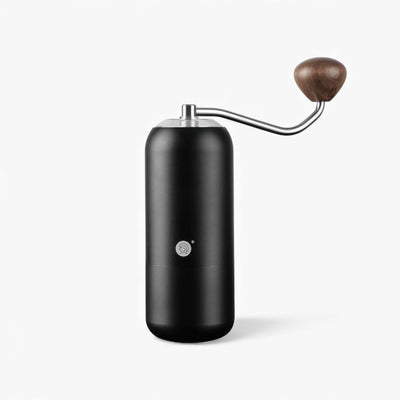
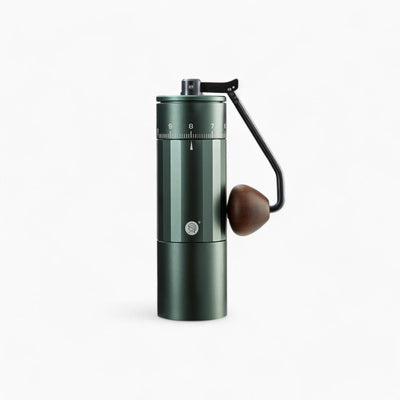
Here's where serious home baristas separate themselves from casual coffee drinkers: grind quality matters exponentially more with smoky coffee beans than with lighter alternatives. The oily surface of dark roasted beans can cause static issues and inconsistent particle distribution in lower-quality grinders, leading to channeling and uneven extraction.
When you invest in precision grinding equipment, you're not just buying convenience—you're ensuring that every gram of those premium dark roast beans reaches its full flavor potential. Inconsistent grinds create a mixture of over-extracted fines and under-extracted boulders, resulting in a cup that's simultaneously bitter and sour.

The video above demonstrates advanced brewing techniques specifically tailored for dark roast profiles. Notice how the presenter adjusts parameters to account for the bean's solubility—this level of control requires equipment that delivers consistent results shot after shot.

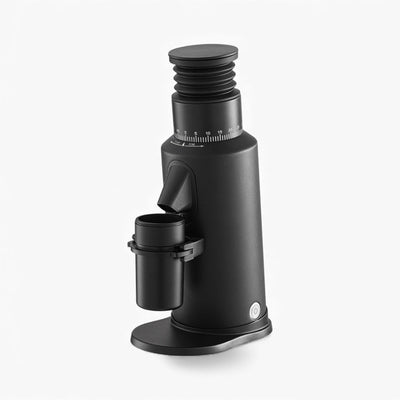
Conical Burr Coffee Grinder with 25 Grind Settings
$74.99 $89.99
Unlock the full potential of your dark roast beans with this precision conical burr grinder featuring 25 adjustable settings from espresso-fine to French press-coarse.
Explore ProductThe Conical Burr Coffee Grinder with 25 Grind Settings solves the precise challenges dark roast enthusiasts face. With 25 distinct grind settings spanning espresso-fine to French press-coarse, you can dial in the exact particle size your brewing method demands. The conical burr design produces remarkably uniform grinds, eliminating the inconsistency that plagues blade grinders and lesser burr systems when handling oily dark roast beans.
Proper Storage: Preserving Bold Flavor Profiles
Dark roast coffee beans reach their peak flavor shortly after roasting and begin degrading as they interact with oxygen, light, and moisture. The oils that give bold roast coffee its distinctive sheen and flavor are particularly vulnerable to oxidation, which is why proper storage isn't just recommended—it's essential for protecting your investment.
Many home baristas make the mistake of storing beans in their original bags, even after opening. While quality roasters use one-way valves in their packaging, once that seal is broken, oxygen begins its inevitable work of staling your beans. The bold, smoky characteristics that define great dark roasts are among the first flavors to diminish.

Notice the visible oil sheen on premium dark roast beans in the image above. This oil contains volatile aromatic compounds that begin dissipating the moment beans are exposed to air. Single-dose storage solutions that remove oxygen exposure at the individual serving level represent the gold standard for preservation.
Dialing In Espresso with Dark Roast Beans
For home baristas pursuing the perfect espresso shot, dark coffee roast profiles present unique opportunities and challenges. The reduced acidity and increased solubility of dark roasts can produce incredibly sweet, chocolate-forward shots—but only if your technique and equipment are dialed in precisely.
Tamping pressure and distribution become even more critical with dark roasts. The beans' density and oil content can cause puck resistance issues if not managed properly. Channeling—the enemy of balanced extraction—often occurs when tamping pressure is inconsistent or when grounds aren't distributed evenly before the tamper makes contact.

The home barista in the image above understands that great espresso requires more than quality beans—it demands precision at every stage of preparation. From grind consistency to tamping technique, each variable contributes to the final cup.
Essential Equipment for Dark Roast Excellence

Coffee Bean Storage Tubes with One Way CO2 Valve
$12.90
$22.00
Preserve the bold, smoky flavors of your dark roast beans with airtight single-dose storage tubes featuring patented one-way CO2 exhaust valves for peak freshness. Learn more ➔

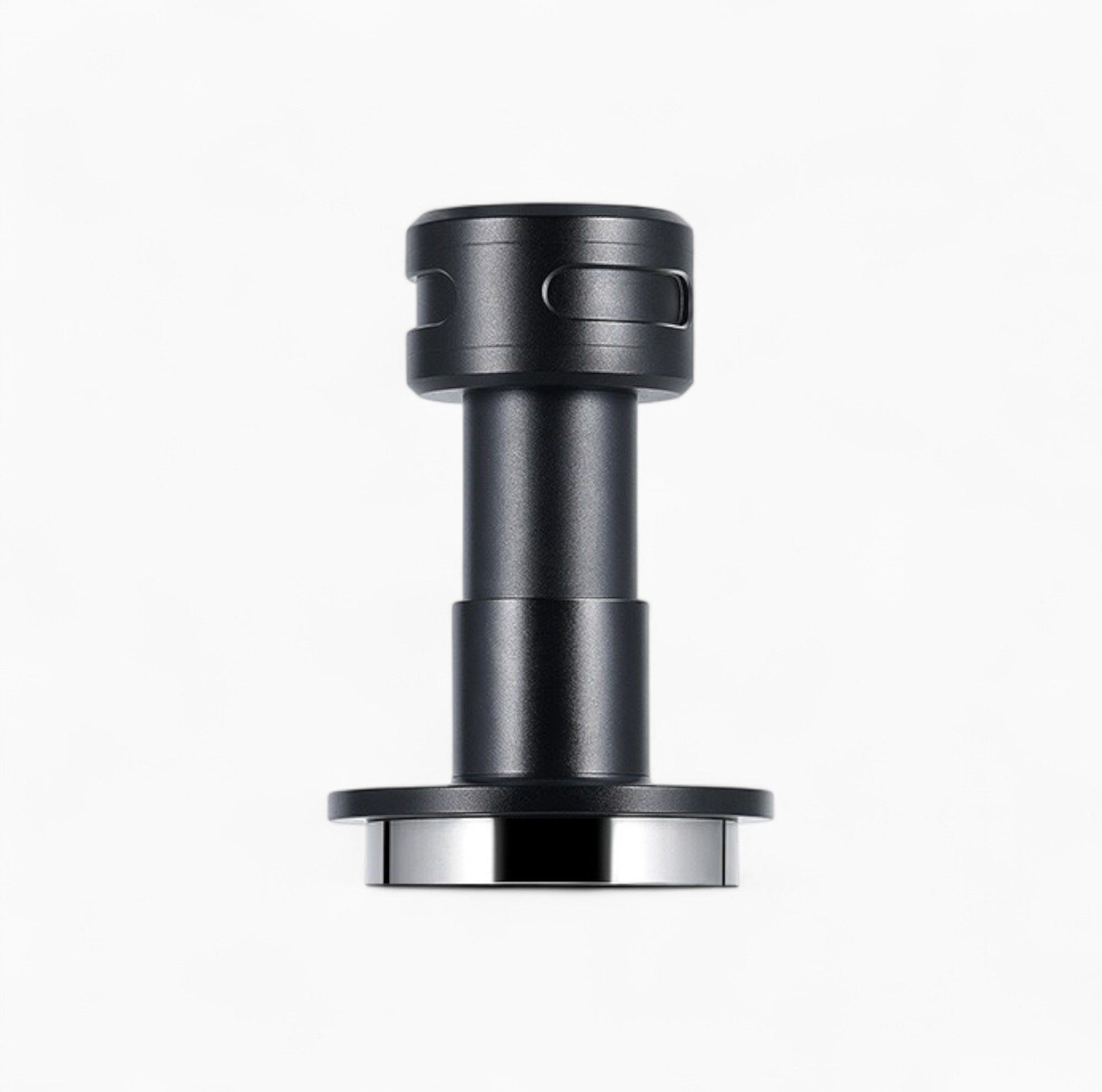
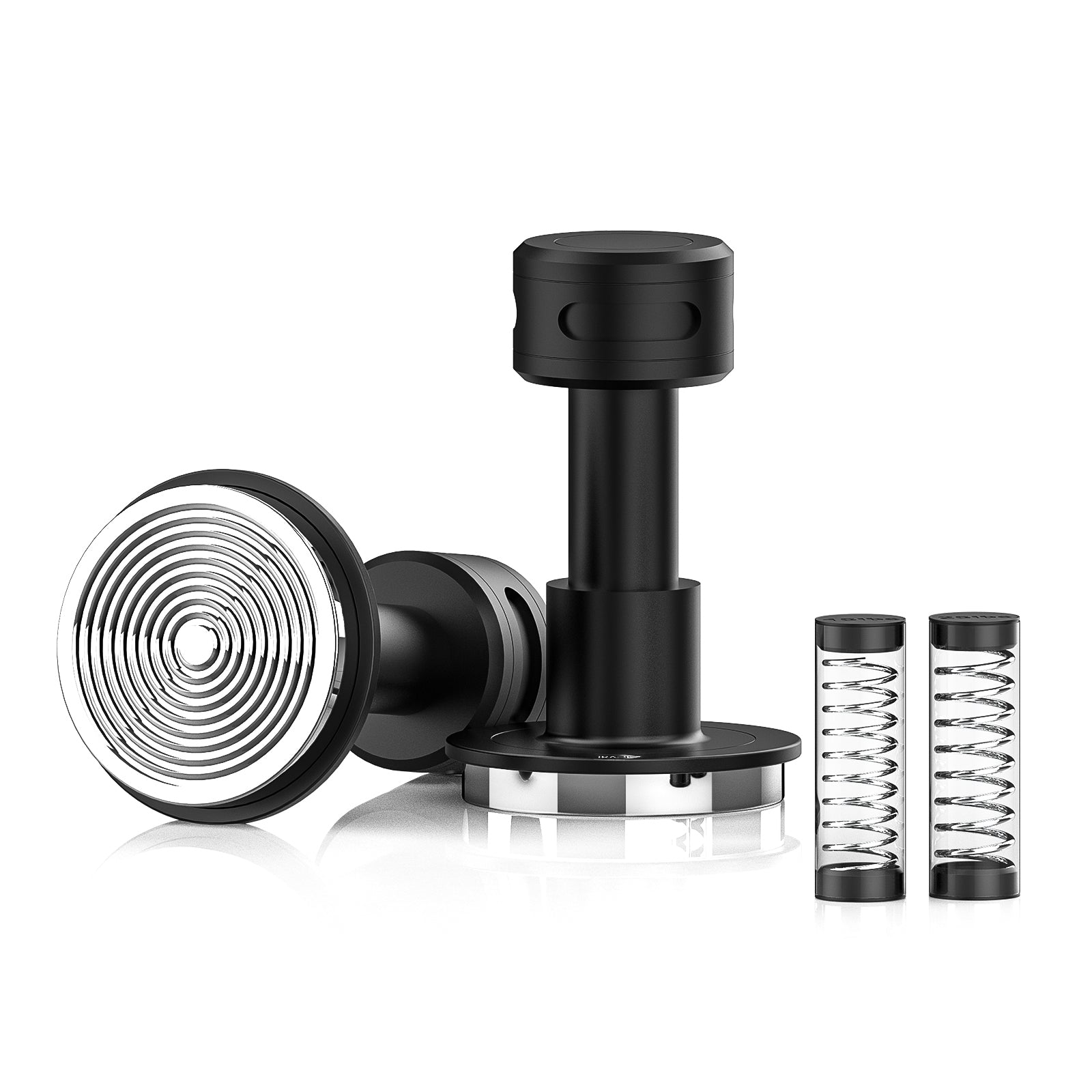
Calibrated Click Espresso Tamper with Spring Set
$56.90
$100.00
Achieve perfect espresso extraction with your dark roast beans using this calibrated tamper with three interchangeable springs for consistent pressure every time. Learn more ➔
The Coffee Bean Storage Tubes with One Way CO2 Valve addresses the storage challenge head-on. Those one-way CO2 valves allow freshly roasted beans to degas without letting oxygen back in—a crucial balance for maintaining the volatile aromatic oils that define great dark roasts. Single-dose storage means you only expose what you're brewing, keeping the remainder perfectly preserved.
For espresso preparation, the Calibrated Click Espresso Tamper with Spring Set eliminates the variability that ruins shots. The three interchangeable calibrated springs let you establish and repeat your ideal tamping pressure, ensuring consistent puck density and resistance for even water flow through your dark roast grounds.
Our 2026 Dark Roast Coffee Bean Recommendations
While equipment matters enormously, the foundation of exceptional coffee remains the beans themselves. For 2026, we're seeing remarkable developments in dark roasted coffee sourcing and roasting techniques. The best roasters are treating dark profiles with the same precision and care traditionally reserved for light roasts, producing beans that showcase both roast mastery and origin character.
Look for beans from established growing regions like Sumatra, Brazil, and Colombia—these origins typically hold up well to darker roasting while maintaining pleasant sweetness. Single-origin dark roasts are increasingly available, allowing you to taste how extended roasting affects specific terroirs. Blends remain popular for espresso, offering roasters the ability to balance brightness, body, and crema through careful component selection.
When evaluating best dark roast coffee beans, consider these factors: roast date (within 2-4 weeks is ideal), bean appearance (uniform color with visible but not excessive oil), aroma (chocolate, caramel, and subtle smokiness—not burnt or acrid), and of course, your personal taste preferences. Don't be afraid to experiment with beans from different origins and roasting styles until you find your perfect match.
Pro Tip: When brewing dark roasts, use water approximately 5-10 degrees cooler than you would for light roasts. The lower temperature helps prevent over-extraction while still pulling out those desirable chocolate and caramel notes.
Conclusion: Elevate Your Dark Roast Experience
Selecting the best dark roast coffee beans in 2026 is about understanding the interplay between bean quality, roast technique, and your brewing setup. The bold, smoky, chocolate-forward cups that dark roast enthusiasts love don't happen by accident—they result from quality beans handled with precision equipment and attentive technique.
Whether you're pulling espresso shots, brewing French press, or perfecting your pour-over, the tools you use matter as much as the beans themselves. A quality grinder transforms good beans into great coffee. Proper storage preserves those precious aromatic oils. Consistent tamping ensures even extraction and balanced flavor.
At Rethink Cafe, we understand that serious home baristas demand equipment that matches their dedication to the craft. From precision grinders to calibrated tampers and innovative storage solutions, our curated selection of espresso tools and accessories empowers you to extract every ounce of potential from your favorite dark roast beans. Ready to take your coffee ritual to the next level? Explore our collection and discover the difference that quality equipment makes in every cup.
Frequently Asked Questions about Dark Roast Coffee Beans
The best dark roast coffee beans for espresso typically come from origins like Brazil, Colombia, and Sumatra, which develop chocolate, caramel, and nutty notes when roasted deeply. Look for beans roasted within 2-4 weeks of purchase with visible oil sheen but not excessive surface oil. Single-origin dark roasts showcase specific terroir characteristics, while blends offer balanced sweetness, body, and crema. Ultimately, the "best" choice depends on your taste preferences—experiment with different origins and roast levels to find your ideal profile.
Dark roast and french roast represent different points along the roasting spectrum. Standard dark roasts end shortly after the second crack, preserving some origin character while developing deep caramel and chocolate notes. French roast coffee beans are taken further, resulting in nearly black beans with a glossy oil surface and pronounced smoky, charred flavors. French roasts have minimal acidity and taste more "roasty" than reflective of their origin. Italian and Spanish roasts go even darker. For espresso, many home baristas prefer the middle ground—a well-executed dark roast that provides body without burnt characteristics.
Yes, dark roast coffee beans are significantly less acidic than light roasts. The extended roasting process breaks down acidic compounds and creates new flavor molecules through caramelization and the Maillard reaction. This makes dark roasts more approachable for people with sensitive stomachs who find lighter coffees too sharp or bright. However, darker roasts are more soluble and can become bitter if over-extracted, so proper brewing technique remains essential. The perceived acidity is replaced by deeper, rounder flavors like chocolate, caramel, and toasted nuts.
Store dark roast coffee beans in an airtight container away from light, heat, and moisture. Because dark roasts have oils on their surface, they're more vulnerable to oxidation than lighter roasts. Use containers with one-way CO2 valves that allow degassing while keeping oxygen out. Single-dose storage tubes are ideal, as they minimize exposure each time you brew. Avoid storing beans in the refrigerator or freezer unless using specialized freezer containers—temperature fluctuations cause condensation that damages flavor. Consume dark roasts within 2-4 weeks of roasting for optimal taste.
Dark roast coffee beans excel across multiple brewing methods. Espresso is the classic pairing, producing rich, chocolate-forward shots with thick crema. French press and cold brew showcase dark roasts beautifully—the extended contact time extracts full depth of flavor while immersion brewing preserves the oils that contribute to mouthfeel. Pour-over works well with a slightly coarser grind and extended brew time to prevent over-extraction. For any method, use water slightly cooler (195-200°F) than for light roasts, as dark roasts are more soluble and extract faster. Avoid very hot water, which can create bitter, ashy flavors.