Finding the best espresso machine in 2026 is about more than comparing spec sheets or chasing the highest price tag. For the home barista who watches James Hoffmann reviews and scrolls through r/espresso, the goal is clear: precise extraction, thermal stability, and the ability to replicate that rich, syrupy shot from your favorite specialty café. Whether you are upgrading from a manual lever or buying your first semi-automatic, the machine is the engine of your morning ritual.
However, an engine is useless without the right transmission. Many enthusiasts invest thousands in the highest quality espresso machine only to be frustrated by sour, channeling shots because they neglected the workflow. In this guide, we break down the top machines for 2026 and, crucially, the precision tools you need to dial in your extraction and eliminate inconsistency.
What Defines the Best Espresso Machine for Home Use?
Before dropping your hard-earned money, it is vital to understand what separates a consumer appliance from a precision tool. The best espresso machine for your home setup must offer consistency. You are looking for stable water temperature (often achieved via PID controllers) and regulated pressure (ideally 9 bars, not the 15 bars found on marketing materials for lower-end machines).
Pro Tip: Many commercial-style machines come with spouted portafilters that hide extraction errors. Switching to a bottomless setup is the fastest way to diagnose channeling.
When evaluating options for 2026, consider the warm-up time and the ecosystem. Are you looking for a single boiler like the Gaggia Classic Evo Pro, or a dual boiler for simultaneous steaming and brewing? Your choice defines your workflow.

Top Machine Recommendations by Category
Based on extensive community feedback and technical specifications, here are the standout contenders for the title of best espresso machine this year.
The Entry-Level King: Breville Bambino Plus
Often cited as the best starting point, the Bambino Plus offers incredible value. It heats up in 3 seconds and offers 9-bar extraction out of the box. However, the stock accessories are often lightweight. To truly unlock its potential, you must upgrade the tamper and baskets.
The Enthusiast's Canvas: Gaggia Classic Evo Pro
For those who love to tinker, the Gaggia remains a staple. It is a robust, industrial-grade machine. While it is capable of excellence, it demands a specific workflow (temperature surfing) or aftermarket modifications (PID installation) to maintain consistent temperatures.
The Prosumer Choice: E61 Dual Boilers
Machines featuring the E61 group head (like Lelit or Rocket) offer thermal mass and classic aesthetics. These are for the home barista who wants a tactile, manual experience and refuses to compromise on steam power.
Why Your Machine Is Only Half the Equation
You can own the highest quality espresso machine on the market, but if your puck preparation is flawed, you will experience channeling. Channeling occurs when water finds the path of least resistance through the coffee bed, leading to uneven extraction—part of your shot is over-extracted and bitter, while the rest is under-extracted and sour.
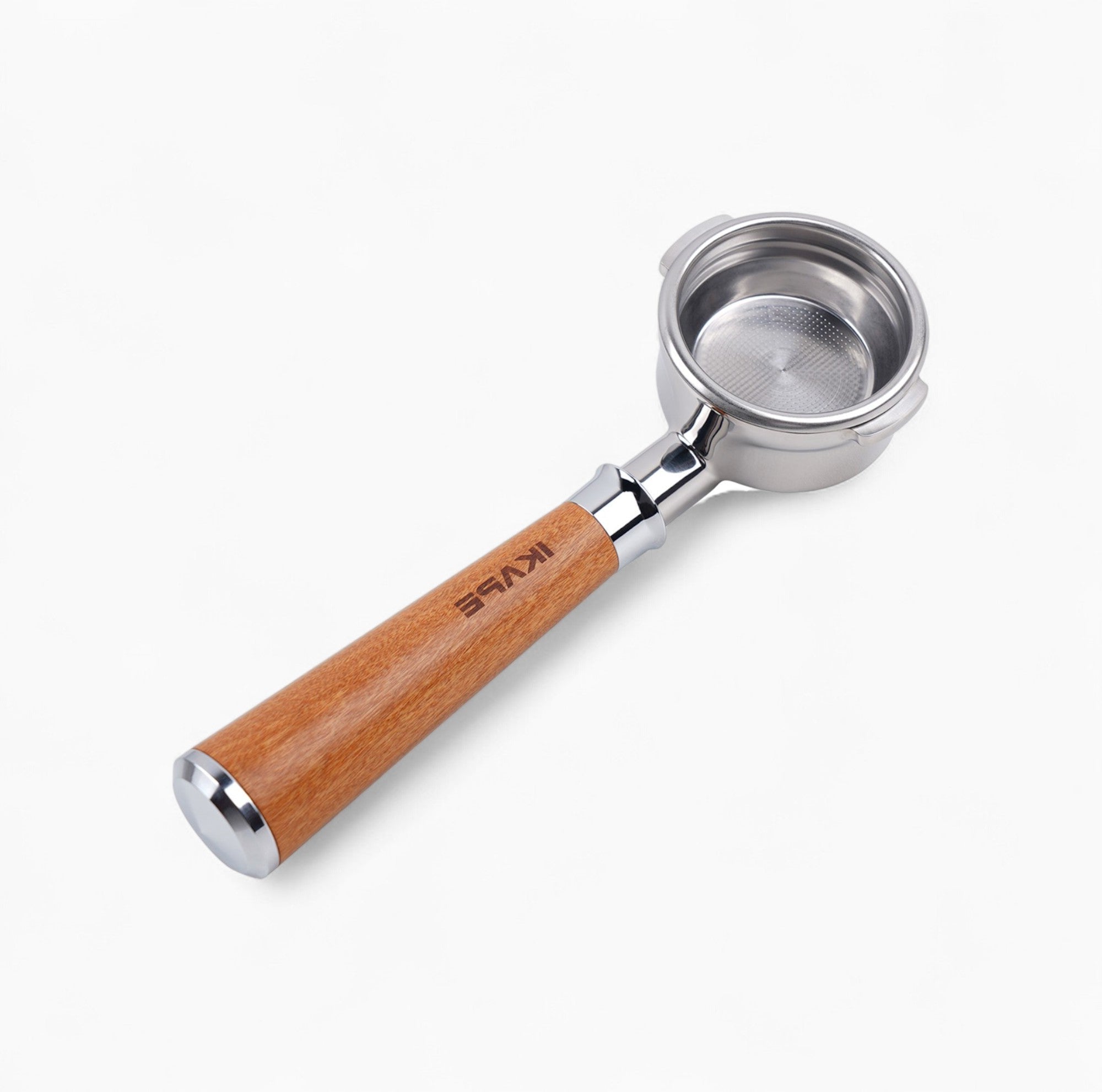
Most machines ship with stock portafilters that mask these issues. To truly see what is happening during extraction, a bottomless portafilter is non-negotiable. It allows you to visualize the flow and correct your distribution technique.

Solid Wood Handle Bottomless Espresso Portafilter
$67.90 $133.00
Upgrade your new machine with a bottomless portafilter to diagnose extraction and eliminate channeling.
Explore ProductPrecision Puck Prep: The Secret to Café Quality
Once you have your machine, the focus shifts to "puck prep." This is the ritual of preparing the coffee grounds in the basket before tamping. The goal is a perfectly uniform density to ensure the water flows evenly through the entire puck.

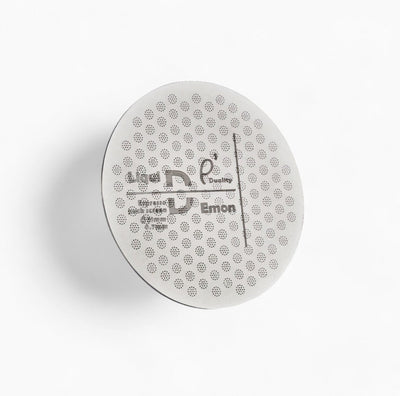
Standard distribution methods often leave clumps or uneven density. This is where the WDT (Weiss Distribution Technique) becomes essential. By using fine needles (around 0.35mm to 0.4mm) to rake through the grounds, you break up clumps and fluff the coffee, creating a consistent bed for tamping. Without this step, even the best espresso machine 2026 has to offer will produce inconsistent results.



Pairing Your Machine with the Right Grinder and Tools
It is a common saying in the coffee world: "Date the machine, marry the grinder." The grinder controls the particle size distribution, which dictates flow rate. However, once the coffee is ground, how you handle it matters just as much. The workflow usually looks like this:
- Weigh: Precision to 0.1g is required.
- Grind: Fresh beans, grind setting dialed in for your specific machine.
- Distribute (WDT): Eliminate clumps and level the bed.
- Tamp: Apply consistent, level pressure.
For a visual guide on how different machines stack up and why workflow matters, check out this comparison:
Essential Upgrades for Every New Machine Owner
When you unbox your new equipment, you might find the included accessories lacking. Manufacturers often cut costs on the tamper and milk pitcher. A lightweight plastic tamper makes it difficult to get a level puck, and a generic pitcher often has a spout that is too wide for detailed latte art.
To achieve that glossy microfoam and complex pour, a calibrated pitcher and a precision WDT tool are the first accessories you should acquire. These engineered tools provide the control necessary to execute the techniques you see online.
Complete Your Precision Setup

Espresso Rotary WDT Tool with Magnetic Dosing Ring
$72.90
$122.00
Achieve consistent puck prep with this rotary WDT tool engineered for precision distribution every shot. Learn more ➔

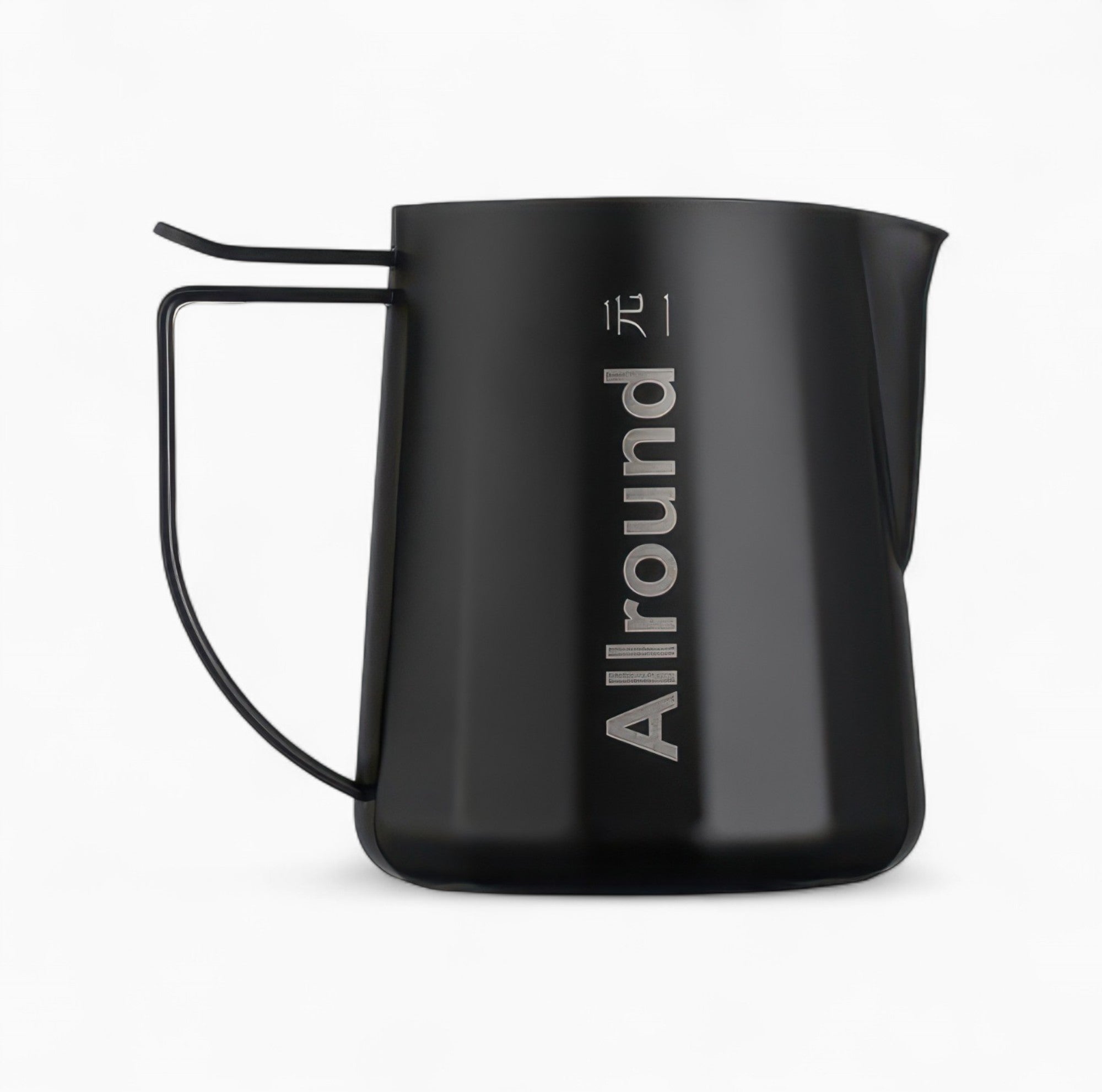
Competition Grade Milk Frothing Pitcher Stainless Steel
$57.90
$112.00
Pour flawless latte art with this 304 stainless steel pitcher featuring a precision-engineered spout. Learn more ➔
Optimizing Your Station for Workflow
The best espresso machine is one that fits your space and encourages a smooth workflow. Arranging your station with a knock box, your scale, and your WDT tool within arm's reach helps build muscle memory. This consistency is what allows you to refine your taste and dial in new beans effectively.

Conclusion
Choosing the best espresso machine in 2026 is an exciting step toward café-quality coffee at home. Whether you choose a Breville, a Gaggia, or a high-end dual boiler, remember that the machine provides the potential, but your tools and technique unlock the flavor. By investing in precision accessories like a bottomless portafilter and a WDT tool, you eliminate variables and ensure every shot is optimized. Don't compromise on your morning ritual; give your machine the support it needs to perform at its best.
Frequently Asked Questions about Best Espresso Machines
The best quality machine depends on your budget and skill level. For pure extraction quality in the prosumer range, dual boiler machines with E61 group heads or the La Marzocco Linea Mini are top-tier. For value and performance, the Breville Bambino Plus is highly recommended for its thermal stability and ease of use.
Generally, Breville (Sage) machines are preferred by enthusiasts for their modern heating technologies (ThermoJet) and ability to produce true 9-bar espresso more consistently than entry-level DeLonghi models, which often use pressurized baskets designed for pre-ground coffee.
To make the best shots, look for a machine with a PID controller for temperature stability and an Over-Pressure Valve (OPV) regulated to 9 bars. The Gaggia Classic Evo Pro is a strong contender if you are willing to learn proper puck prep, while dual boilers offer the most consistency.
Baristas often recommend machines that mirror commercial reliability. The La Marzocco Linea Mini, Rocket Appartamento, and Rancilio Silvia Pro X are frequent favorites because they offer commercial-grade components and steam power suitable for home use.
A solid entry-level setup starts around $500 for the machine (like a Bambino Plus). However, you should allocate at least 40-50% of your total budget to a high-quality burr grinder and precision accessories, as these have a larger impact on flavor than the machine itself.