Creating café-quality espresso at home isn't just a morning routine—it's a craft that transforms your kitchen into a personal coffee sanctuary. For the modern home barista who appreciates the nuances of extraction and the satisfaction of a perfect shot, choosing the best espresso machine for home use is a decision that deserves careful consideration.
Whether you're a James Hoffmann enthusiast following the latest brewing techniques or an r/espresso lurker researching your first serious investment, this comprehensive buying guide will help you navigate the $300 to $3000+ market. We'll explore the key differences between automatic and semi-automatic machines, compare top brands like Breville and DeLonghi, and identify which features actually matter for your specific skill level and budget.
Understanding Home Espresso Machine Types
Before diving into specific models, it's essential to understand the three primary categories of home espresso machines. Each type offers different levels of control, convenience, and learning curve—factors that should align with your experience level and daily routine.
Semi-Automatic Espresso Machines
Semi-automatic machines represent the sweet spot for most home baristas. You control the shot timing while the machine manages temperature and pressure. This category includes popular models like the Gaggia Classic Pro and Lelit Bianca, offering the hands-on experience that coffee enthusiasts crave while maintaining consistency.
Automatic and Super-Automatic Machines
For those prioritizing convenience, automatic machines handle the entire brewing process at the touch of a button. Super-automatics go further by grinding beans internally and managing milk frothing. While these sacrifice some control, brands like DeLonghi excel in this space, making them ideal for busy professionals who want quality without the learning curve.
Manual Lever Machines
Purist home baristas often gravitate toward manual lever machines, which provide complete control over pressure profiling. These require significant skill and practice but reward dedicated users with unparalleled extraction control and a deeply satisfying brewing ritual.
Key Features That Define the Best Home Espresso Machines
When evaluating the best espresso machine for home use, several technical specifications separate exceptional models from mediocre ones. Understanding these features will help you invest wisely in equipment that grows with your skills.
Temperature Stability and PID Control
Consistent brewing temperature is non-negotiable for quality espresso. The best machines feature PID (Proportional-Integral-Derivative) controllers that maintain precise temperature stability within 1°F. This technology, found in higher-end models like the Lelit Bianca, eliminates temperature surfing and ensures repeatable results shot after shot.
Pressure Profiling and Pre-Infusion
Pre-infusion gently saturates the coffee puck before full pressure extraction, reducing channeling and improving flavor clarity. Advanced machines offer programmable pre-infusion and even full pressure profiling, allowing you to manipulate extraction pressure throughout the shot—techniques that James Hoffmann enthusiasts particularly appreciate.
Build Quality and Boiler Types
The best home espresso machines feature commercial-grade components. Brass boilers offer superior thermal mass and stability compared to aluminum alternatives. E61 group heads, found on machines like the Gaggia Classic Pro and Lelit models, represent the industry standard for temperature stability and build longevity.
Integrated Grinders vs. Separate Units
A critical decision point involves grinder integration. Machines like the Breville Barista Express include built-in conical burr grinders, offering convenience and space savings. However, separate grinder setups typically provide superior grind quality, more adjustment precision, and easier maintenance. For serious enthusiasts, investing in a dedicated espresso grinder often yields better results than all-in-one solutions.

Price Tiers: What to Expect at Every Budget Level
The best espresso machine for home use exists across a wide price spectrum, from entry-level models under $500 to prosumer machines exceeding $3,000. Understanding what each tier offers helps align your investment with your commitment level and desired features.
Entry Level ($300-$600): Learning the Basics
This range includes solid starter machines like the Breville Bambino Plus and Gaggia Classic Pro. Expect single boilers, basic temperature control, and manual steaming capabilities. While these machines require technique development, they produce café-quality espresso when paired with a capable grinder and proper puck preparation. This tier suits beginners committed to learning proper technique.
Mid-Range ($600-$1,500): Enhanced Control and Convenience
The mid-range introduces significant upgrades: PID temperature control, better build quality, and improved steam power. Machines like the Breville Barista Express Impress and Lelit Anna offer programmable features, faster heat-up times, and more consistent results. This tier balances automation with manual control, appealing to enthusiasts who want quality without constant monitoring.
Prosumer ($1,500-$3,000+): Commercial-Grade Performance
Prosumer machines bring commercial café technology into residential kitchens. Dual boilers, E61 group heads, rotary pumps, and extensive programmability define this category. Models like the Lelit Bianca and Rocket Appartamento offer pressure profiling, exceptional temperature stability, and the build quality to last decades. These machines suit serious enthusiasts and those pursuing café-quality results at home.
Breville vs. DeLonghi: The Ultimate Home Espresso Showdown
Two brands dominate the conversation around the best espresso machine for home use: Breville and DeLonghi. Both offer compelling options across price points, but their philosophies and strengths differ significantly.
Breville: The Enthusiast's Choice
Breville has cultivated a devoted following among home baristas through machines that balance innovation with user-friendly design. The Bambino Plus delivers exceptional value for beginners with its automatic milk texturing and compact footprint. The Barista Express remains a perennial favorite, combining a built-in conical burr grinder with intuitive controls.
Breville's strength lies in thoughtful features like the "Impress" puck system, which automates tamping pressure, and precise PID temperature control across their lineup. For the r/espresso community member who wants quality results without endless tinkering, Breville offers an appealing middle ground.
DeLonghi: Convenience and Consistency
DeLonghi excels in the super-automatic category, where convenience meets quality. Their Dinamica and Magnifica lines appeal to busy professionals who want excellent espresso without the learning curve. These machines handle grinding, tamping, brewing, and milk frothing automatically.
However, DeLonghi also offers compelling semi-automatic options like the Dedica series, which provides a slim profile and straightforward operation for beginners. While DeLonghi machines may offer less granular control than Breville equivalents, they deliver consistency and ease of use that many home users prioritize.
The Verdict
Choose Breville if you value control, customization, and the ability to grow with your machine. Opt for DeLonghi if convenience, automation, and hassle-free operation top your priority list. Both brands produce the best espresso machine for home use within their respective philosophies.
Essential Accessories for Your Home Espresso Setup
Even the best espresso machine for home use requires quality accessories to achieve café-level results. While the machine handles extraction, proper puck preparation and milk texturing tools significantly impact your final cup quality.
Investing in a few key accessories early in your home barista journey prevents frustration and accelerates your learning curve. From distribution tools that eliminate channeling to precision tampers that ensure consistent pressure, these additions transform good espresso into exceptional espresso.

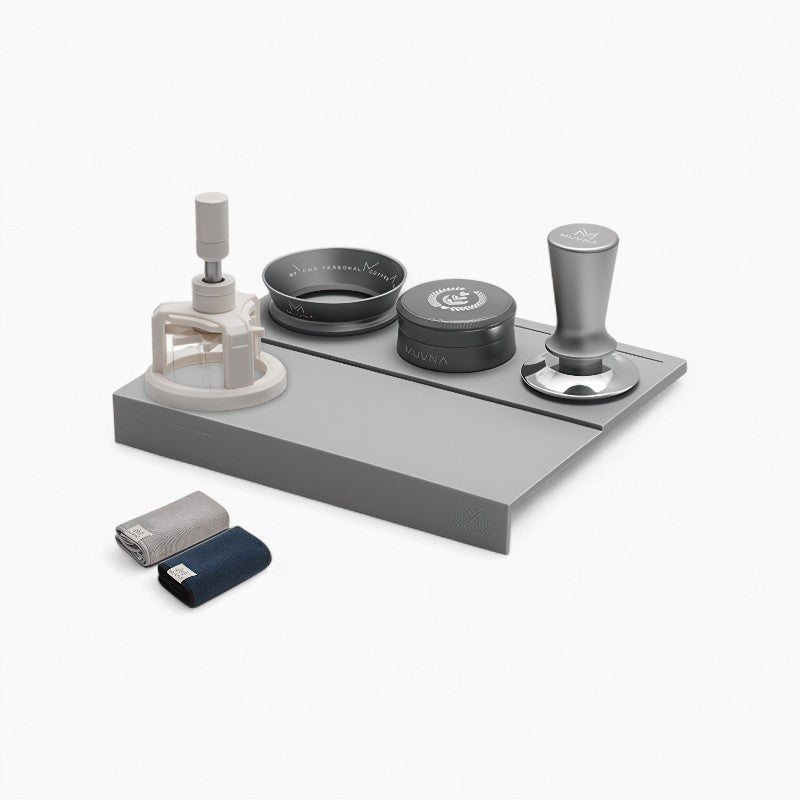
Professional Barista Starter Kit with Tamper and WDT
$139.90 $260.00
Master your puck prep with this 5-piece kit featuring constant pressure tamper, WDT tool, and gravity distributor for consistent cafe-quality extractions every morning.
Explore ProductThe foundation of great espresso lies in proper puck preparation. A quality tamper and distribution tool eliminate channeling—the uneven water flow that creates bitter, unbalanced shots. The WDT (Weiss Distribution Technique) tool, originally popularized by home barista communities, breaks up clumps and creates uniform density throughout the puck.
Milk Frothing Solutions for Every Setup
Not every home espresso machine includes a steam wand powerful enough to create true microfoam. For machines lacking robust steaming capabilities, or for those who prefer alternative milk options that behave differently under steam, handheld frothers offer surprising versatility.

Portafilter Upgrades and Precision Baskets
Many entry-level machines come with pressurized baskets that mask grind inconsistencies but limit extraction quality. Upgrading to a bottomless portafilter reveals your puck preparation quality through extraction visualization—channeling becomes immediately visible as spurts or uneven flow. Paired with precision baskets featuring uniform hole patterns, these upgrades extract more clarity and sweetness from your coffee.
Essential Accessories for Your New Espresso Machine

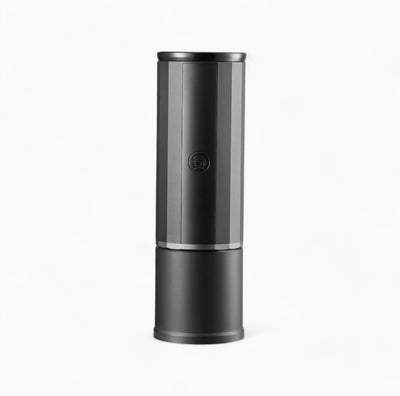
USB Rechargeable Handheld Milk Frother Stainless Steel
$19.99
$29.99
Create velvety microfoam in seconds without a steam wand - perfect for lattes and cappuccinos with your new espresso machine. Learn more ➔

58mm Espresso Bundle with Bottomless Portafilter Kit
$255.90
$460.00
Upgrade your setup with premium accessories including bottomless portafilter, precision tamper, and distributor designed for E61 group heads. Learn more ➔
Matching Machine Types to Experience Levels
Selecting the best home espresso machine requires honest assessment of your experience level and commitment to the craft. The right machine should challenge you just enough to improve your skills without creating frustration that leads to abandonment.
For Beginners: Prioritize Forgiveness and Learning
New home baristas should seek machines with features that compensate for technique gaps while teaching proper fundamentals. Look for PID temperature control for stability, pressure gauges for feedback, and solenoid valves that prevent portafilter sneeze. The Breville Bambino Plus excels here with automatic milk texturing and pre-infusion that helps beginners achieve drinkable shots while learning.
For Intermediate Enthusiasts: Control and Consistency
Once you've mastered basic technique, you'll want machines offering greater control over extraction variables. External OPV (over-pressure valve) adjustment, flow control capabilities, and improved steam power become priorities. This is where machines like the Gaggia Classic Pro (with modifications) and Lelit Anna shine, offering room to grow without requiring immediate upgrades.
For Advanced Home Baristas: Precision and Performance
Experienced home baristas pursuing the best espresso machine for home use prioritize commercial-grade components and extensive customization. Dual boilers for simultaneous brewing and steaming, rotary pumps for quiet operation and plumbing capability, and full pressure profiling through flow control devices define this category. These machines represent long-term investments that rival commercial café equipment.

Making Your Decision: Key Considerations Beyond the Machine
Even the highest-rated espresso machine requires supporting elements to perform optimally. Before finalizing your purchase, consider the ecosystem your machine will operate within.
Grinder Quality Matters More Than Machine Features
Experienced home baristas consistently emphasize that grinder quality impacts espresso quality more than marginal machine differences. The ability to make micro-adjustments and maintain consistent particle distribution matters enormously. Budget accordingly—allocating 40-50% of your total budget to grinding equipment often yields better results than spending everything on the machine alone.
Water Quality and Maintenance Requirements
Scale buildup represents the primary cause of home espresso machine failure. Understanding your water hardness and implementing appropriate filtration or descaling protocols extends machine life significantly. Additionally, consider maintenance accessibility—some machines feature easily replaceable components while others require professional service for basic repairs.
Space and Aesthetic Integration
Your espresso machine becomes a kitchen centerpiece used daily. Consider counter space requirements not just for the machine itself, but for grinder placement, tamping stations, and cup warming areas. Many home baristas create dedicated coffee stations that enhance both workflow and kitchen aesthetics.
Pro Tip: Before investing in a high-end machine, visit local cafés using equipment you're considering. Many specialty coffee shops use prosumer models and baristas often welcome questions about real-world performance and maintenance requirements.
Conclusion: Investing in Your Home Espresso Journey
Finding the best espresso machine for home use is a personal decision that balances your current skills, desired learning curve, budget, and daily routine. Whether you choose the forgiving automation of a Breville Bambino Plus, the classic reliability of a Gaggia Classic Pro, or the professional capabilities of a Lelit Bianca, remember that the machine is just one component of exceptional espresso.
Pair your chosen machine with quality accessories, a capable grinder, and proper technique, and you'll join the ranks of home baristas who start each day with coffee that rivals their favorite café. At Rethink Cafe, we're committed to supporting your journey with not just equipment, but the knowledge and accessories that transform good coffee into extraordinary experiences.
Frequently Asked Questions about Best Espresso Machines for Home
The highest-rated espresso machines for home use vary by category, but the Breville Barista Express consistently ranks among the best overall for its balance of features, price, and performance. For enthusiasts seeking more control, the Lelit Bianca and Gaggia Classic Pro receive exceptional ratings for their commercial-grade components and extraction capabilities. Ultimately, the "highest rated" depends on your specific needs—convenience-focused users often prefer DeLonghi super-automatics, while control-oriented baristas favor semi-automatic prosumer models.
Neither brand is objectively "better"—they excel in different areas. Breville typically appeals to enthusiasts who want more control over their espresso extraction, offering features like adjustable pre-infusion, PID temperature control, and manual steaming capabilities. Their machines often include built-in grinders and encourage user learning.
DeLonghi dominates the super-automatic category, excelling in convenience and consistency for users who prioritize ease over control. Their machines handle everything from bean to cup with minimal user intervention. For beginners wanting simplicity or busy professionals seeking quality without time investment, DeLonghi often proves the better choice. For aspiring home baristas wanting to develop skills and control variables, Breville typically offers more room to grow.
The "best" machine for making espresso shots depends on your definition of quality and your budget. For pure shot quality without milk drinks, consider these categories:
Entry-level excellence: The Gaggia Classic Pro produces shots rivaling café quality when paired with a good grinder. Its commercial 58mm portafilter and capable boiler extract excellent espresso once you master the technique.
Mid-range precision: The Lelit Anna with PID control offers temperature stability previously found only in commercial machines, resulting in consistent extraction and the ability to fine-tune for different beans.
High-end performance: The Lelit Bianca or Rocket Appartamento feature E61 group heads, rotary pumps, and flow control, providing the tools to extract every nuance from high-quality beans.
Remember that the machine is only one component—grind quality, puck preparation, and fresh beans matter equally in producing exceptional espresso shots.
Beginners should choose an espresso machine that balances forgiveness with learning potential. The ideal starter machine helps you produce drinkable espresso immediately while teaching the fundamentals of extraction.
Recommended beginner-friendly features:
- Pre-infusion: Gently saturates the puck before full pressure, reducing channeling caused by uneven distribution or tamping.
- PID temperature control: Eliminates temperature surfing and provides consistent brewing conditions.
- Pressure gauge: Visual feedback helps you identify grind and tamping issues.
- Automatic milk frothing (optional): The Breville Bambino Plus offers automatic steaming, letting beginners focus on shot quality first.
Top beginner recommendations:
The Breville Bambino Plus offers the easiest entry point with automatic milk texturing, fast heat-up, and compact size. The Breville Barista Express adds a built-in grinder, providing an all-in-one solution that eliminates the need for separate equipment decisions.
For beginners committed to learning traditional technique, the Gaggia Classic Pro offers commercial-grade components at an entry-level price, though it requires more skill to master.
Avoid super-automatic machines as a beginner if you want to develop barista skills—they produce consistent coffee but teach you nothing about extraction principles.
The best espresso machine for home use depends on your specific needs, but several models consistently earn recommendations across different categories:
Best Overall Value: The Breville Barista Express offers an integrated grinder, PID temperature control, and solid build quality around the $700 price point. It provides everything needed to start making excellent espresso without separate equipment purchases.
Best for Beginners: The Breville Bambino Plus removes complexity with automatic milk frothing, fast heat-up times, and a compact footprint. It produces quality espresso and textured milk with minimal learning curve.
Best for Enthusiasts: The Lelit Bianca offers dual boilers, flow control for pressure profiling, and E61 group head technology previously found only in commercial machines. It provides the tools to explore every aspect of espresso extraction.
Best Budget Option: The Gaggia Classic Pro delivers commercial-grade components and 58mm portafilter compatibility at an entry-level price. With proper technique and a capable grinder, it produces espresso rivaling machines costing three times as much.
When choosing, consider not just the machine price but the total investment including a quality grinder (essential), accessories, and ongoing coffee bean costs. The best machine is one that fits your budget, skill level, and daily routine while leaving room for growth as your passion develops.