Choosing the best espresso machine brands for your home setup is one of the most significant decisions you'll make on your journey from casual coffee drinker to serious home barista. With new models hitting the market every year and price tags ranging from under $200 to well over $2,000, understanding which manufacturers consistently deliver quality, reliability, and value has never been more important.
Whether you're upgrading from a basic drip machine or ready to invest in your first prosumer setup, this comprehensive guide ranks the best home espresso machine brands of 2026. We'll compare market leaders like Breville and DeLonghi against heritage Italian names like Gaggia and Rancilio, breaking down exactly what makes each manufacturer unique and which ones deserve your hard-earned money.
Why Brand Matters When Choosing an Espresso Machine
Not all espresso machines are created equal, and the manufacturer behind your machine profoundly impacts everything from temperature stability to long-term repairability. When evaluating espresso machine brands, you're not just buying a product—you're buying into an ecosystem of engineering philosophy, customer support, and parts availability.
The best manufacturers invest in research and development that delivers measurable benefits: PID temperature controllers that keep your brewing water within 1°F of your target, commercial-grade portafilter dimensions that accept aftermarket accessories, and boiler designs that recover quickly between shots. These details separate the appliances that merely make coffee from the machines that craft exceptional espresso.
The Best Espresso Machine Brands of 2026: A Complete Ranking
After extensive testing, community feedback from r/espresso, and analysis of build quality across price tiers, here are the manufacturers currently leading the market:
Entry-Level Champions: Under $500
Breville dominates this category with their Bambino and Bambino Plus models, offering unprecedented temperature control and automatic milk texturing at prices that were impossible five years ago. Their thermocoil heating systems reach operating temperature in under three seconds—a feature previously reserved for commercial machines.
DeLonghi counters with their Dedica series and Stilosa line, emphasizing slim profiles and traditional Italian aesthetics. While their thermoblock systems prioritize speed over thermal mass, recent iterations have dramatically improved temperature stability for the price point.
Mid-Range Powerhouses: $500–$1,000
This is where Gaggia enters the conversation with their legendary Classic Pro—a machine that bridges the gap between appliance and professional equipment. With a commercial 58mm portafilter, three-way solenoid valve, and serviceable internals, the Classic Pro represents the entry point into "real" espresso territory.
Breville's Barista Express and Barista Pro continue to dominate here, integrating precision grinders directly into the machine body. While purists argue that separate grinders offer better adjustability, the convenience factor and space savings make these among the best espresso machine brands for home users with limited counter space.
Prosumer Territory: $1,000+
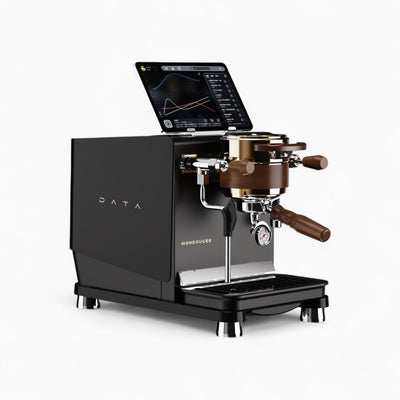
Once you cross the thousand-dollar threshold, Rancilio becomes impossible to ignore. Their Silvia Pro X offers dual boiler performance with commercial-grade brew pressure profiling previously found only in café equipment. Meanwhile, Rocket Espresso and ECM (German engineering) focus on heat exchange systems wrapped in stunning stainless steel housing that could double as modern art.
Breville vs. DeLonghi: The Defining Comparison
No discussion of the best espresso machine brands is complete without addressing the most common question in home espresso forums: Is Breville better than DeLonghi? The answer depends entirely on your priorities.
Breville excels at user experience and innovation. Their machines typically include features like volumetric shot programming, pressure gauges, and assisted tamping systems that lower the learning curve for beginners. The Australian company approaches espresso from an appliance perspective—seamless, integrated, and technologically advanced.
DeLonghi, conversely, offers Italian heritage and value engineering. Their machines often provide solid performance at lower price points, with simpler interfaces that prioritize reliability over features. The Capresso division (owned by DeLonghi) particularly shines in super-automatic machines that handle everything from bean to cup with minimal intervention.
For the enthusiast willing to learn technique, Breville generally offers more control and upgrade potential. For the caffeine-focused user wanting consistency with minimal effort, DeLonghi's super-automatics provide better value.

What Separates the Most Reliable Espresso Machine Brands
Reliability in espresso equipment isn't just about longevity—it's about consistency of performance. The most reliable brands share several engineering philosophies:
- Commercial portafilter dimensions: 58mm baskets with standardized depth allow for accessory compatibility and consistent puck preparation
- Brass or stainless steel boilers: Resist scale buildup better than aluminum alternatives and maintain temperature stability shot-to-shot
- Three-way solenoid valves: Release pressure post-extraction, preventing soupy pucks and making cleanup easier
- Serviceable components: Gaskets, heating elements, and pumps should be replaceable without specialized tools
Rancilio and Gaggia lead reliability conversations because their machines from the 1990s are still running today with basic maintenance. Breville receives mixed reviews—excellent performance for 5-7 years, but often unrepairable afterward due to proprietary parts and integrated circuits.
Finding Your Perfect Match: What Home Baristas Actually Need
Before investing in any brand, honestly assess your workflow preferences. Do you want to dial in single-origin beans every morning, adjusting grind and dose for optimal extraction? Or do you need consistent, convenient shots before your commute?
Key Insight: The "best" brand is the one you'll actually use daily. A $2,000 Rocket sitting unused because you dread the warmup time is inferior to a $400 Gaggia you pull shots from every morning.
Consider these brand-specific strengths:
- Breville: Quick heat-up, integrated grinding, volumetric dosing—ideal for tech-savvy users who want control without complexity
- DeLonghi: Compact footprints, excellent super-automatics—perfect for small kitchens and busy schedules
- Gaggia: Commercial parts, serviceable internals, traditional 58mm portafilters—best for learners who want room to grow
- Rancilio/Rocket/ECM: E61 groupheads, massive boilers, heat stability—essential for hosting multiple guests or back-to-back milk drinks
The Reliability Verdict: Which Brand Lasts Longest
If your priority is machine longevity above all else, traditional European brands offer undeniable advantages. Gaggia's Classic Pro uses the same group head design found in commercial machines for decades. Rancilio essentially packages commercial Silvia components into home-friendly housings.
However, Breville's newer machines (particularly the Dual Boiler and Oracle Touch) have addressed earlier reliability concerns with improved boilers and easier descaling procedures. For most home users pulling 1-4 shots daily, any machine from these major brands should provide 5-10 years of service with proper water filtration and regular maintenance.

Regardless of which espresso machine brands you choose, remember that the grinder is equally important as the machine itself. No $2,000 machine can compensate for inconsistent particle distribution, which is why pairing your chosen brand with a capable grinder is non-negotiable for quality results.

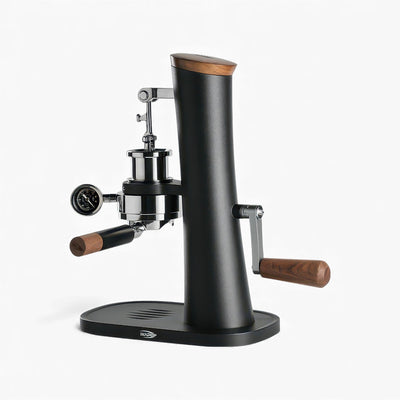
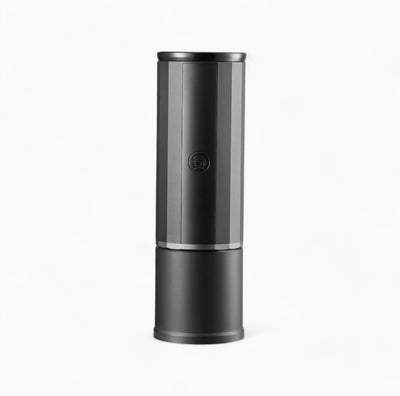
Z5 X-Fold Manual Coffee Grinder with Titanium Burrs
$185.90 $365.00
Pair your new espresso machine with this precision manual grinder featuring 38mm titanium burrs and 100-step adjustment for dialed-in espresso grinding.
Explore ProductEssential Upgrades for Any Brand Choice
Once you've selected from the best espresso machine brands, certain accessories dramatically improve your consistency and enjoyment. A bottomless portafilter reveals channeling issues and spurts that indicate uneven distribution, helping you improve technique faster than opaque spouts ever could.
Similarly, a precision milk pitcher with an advanced flow spout makes the difference between wobbly hearts and crisp rosettas. While many machines include basic accessories, upgrading to competition-grade tools transforms your daily ritual from mundane to artisanal.
Complete Your Espresso Setup

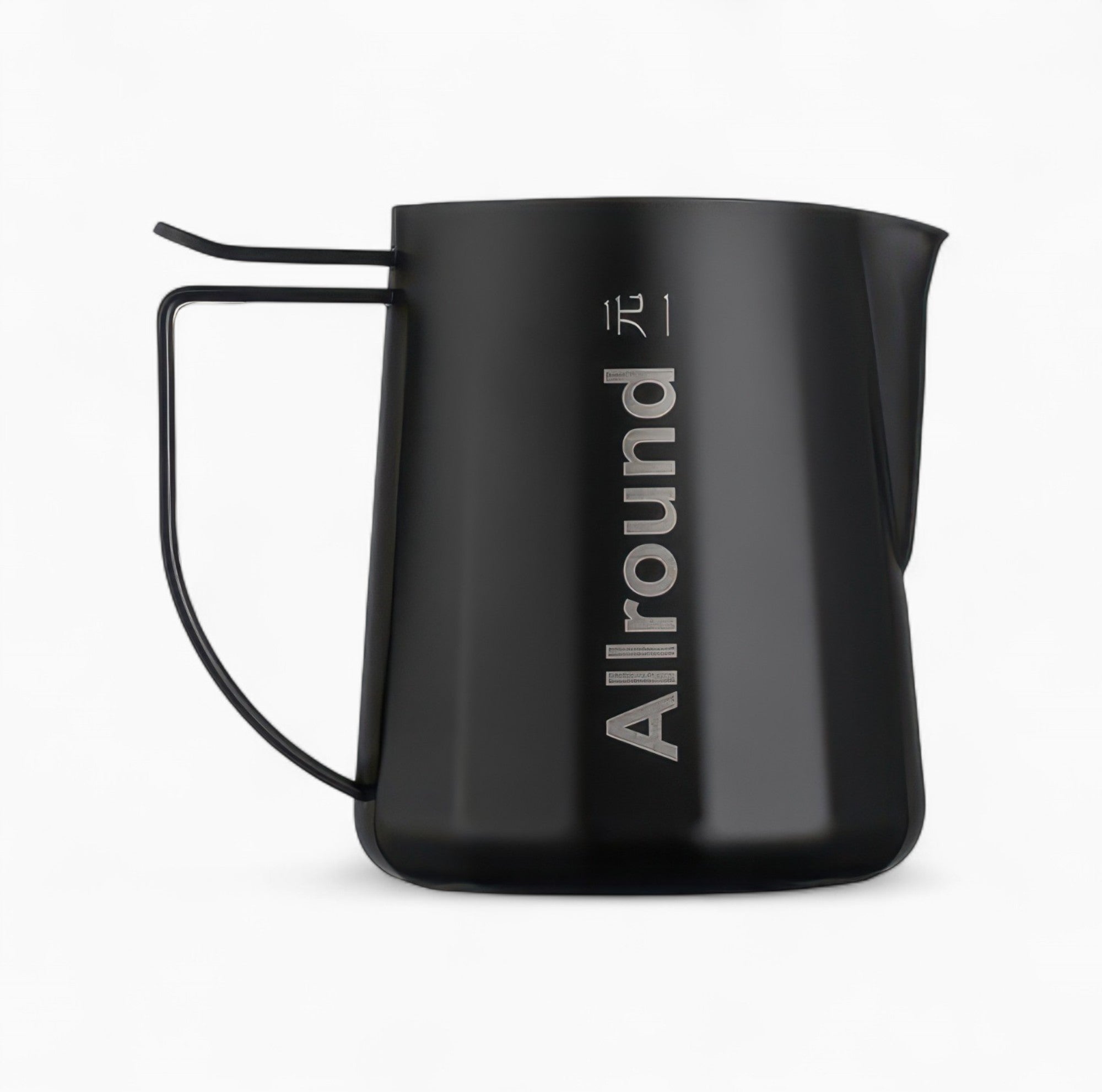
Competition Grade Milk Frothing Pitcher Stainless Steel
$57.90
$112.00
Complete your espresso setup with this precision milk pitcher featuring an advanced flow spout for creating perfect latte art every time. Learn more ➔

Italian Handle Bottomless Portafilter for 51-58mm
$75.90
$133.00
Upgrade any espresso machine with this bottomless portafilter to instantly spot channeling and improve your extraction technique. Learn more ➔
Making Your Final Decision
The best espresso machine brands of 2026 each offer distinct advantages for different home baristas. Breville remains the choice for tech-forward users who value convenience and modern interfaces. DeLonghi provides accessible entry points and excellent automation. Gaggia and Rancilio serve those prioritizing Italian craftsmanship and long-term serviceability.
Whichever direction you choose, remember that exceptional espresso comes from the intersection of quality equipment, fresh beans, and practiced technique. The machine is your partner in the journey, not a magic bullet. At Rethink Cafe, we curate accessories and tools specifically designed to help you extract the maximum potential from whichever brand calls to your countertop.
Ready to dive deeper? Compare specific models side-by-side and discover which machine fits your budget and skill level perfectly.
Frequently Asked Questions about Espresso Machine Brands
The best espresso machine brands include Breville for user-friendly innovation, DeLonghi for value and automation, Gaggia for Italian heritage and serviceability, and Rancilio for prosumer reliability. For luxury heat exchange machines, Rocket Espresso and ECM lead the market. Each brand excels in different price tiers and use cases, with Breville and DeLonghi dominating entry-level markets while Gaggia and Rancilio rule the prosumer space.
Breville offers superior temperature control, faster heat-up times, and more granular shot programming than most DeLonghi models at comparable prices. However, DeLonghi often provides better value under $300 and shines in super-automatic machines that require less user skill. Breville is generally better for enthusiasts wanting to learn technique, while DeLonghi suits those prioritizing convenience and traditional Italian aesthetics.
For home use, consider the Breville Bambino Plus if you want speed and ease, the Gaggia Classic Pro if you're learning traditional technique with room to grow, or the Rancilio Silvia if you prioritize longevity and don't mind a learning curve. Match your choice to your daily routine—super-automatics like the DeLonghi Dinamica suit busy schedules, while semi-automatics reward ritual and experimentation.
Rancilio and Gaggia consistently rank as the most reliable espresso machine brands, with many units lasting 15-20 years with basic maintenance. Their commercial-grade components, brass boilers, and widely available replacement parts make them serviceable for decades. Breville offers excellent reliability for the first 5-7 years but typically becomes difficult to repair afterward due to proprietary electronics.
For home machines, medium to dark roast espresso blends from brands like Intelligentsia, Counter Culture, or Blue Bottle work best as they're formulated for the 9-bar pressure profiles of consumer machines. Freshness matters more than brand—choose beans roasted within 2-4 weeks of your purchase date. For super-automatic machines, avoid overly oily beans that can clog grinders, regardless of the roaster.