Welcome to the rabbit hole. If you are reading this, you likely aren't looking for a push-button appliance that churns out mediocre brown water. You are searching for an espresso machine that serves as the cornerstone of a morning ritual—a precision instrument capable of producing cafe-quality texture and flavor right on your kitchen counter.
Choosing the right equipment is daunting. The market is flooded with options ranging from budget-friendly appliances to commercial-grade single groups costing thousands. However, the machine is only one part of the equation. To truly enjoy espresso at home, you need to understand the mechanics of extraction, the necessity of precision puck prep, and how to dial in your beans. This guide explores how to select the best setup for your needs and, more importantly, how to optimize your workflow for consistent, delicious results.
Navigating the Home Espresso Machine Landscape
When researching the best espresso machine for home, you will encounter three main categories: manual, semi-automatic, and super-automatic. For the enthusiast who values flavor and control, the semi-automatic espresso machine is the industry standard. These machines require you to grind, dose, and tamp the coffee yourself, handing you the keys to the extraction process.
While super-automatics offer convenience, they often compromise on the texture of the milk and the clarity of the shot. A semi-automatic machine, paired with a capable burr grinder, allows you to manipulate variables like dose, yield, and grind size. This control is essential for unlocking the distinct notes of single-origin beans or achieving that heavy, syrupy body in a traditional roast.

The Engine Room: How It Works
To troubleshoot a sour shot or inconsistent flow, you need to understand what is happening inside the chassis. At its core, an electric espresso machine is a system designed to heat water to roughly 93°C (200°F) and force it through a compressed puck of coffee at approximately 9 bars of pressure.
Most entry-level to mid-range machines use a vibration pump, which builds pressure gradually. High-end prosumer machines often utilize rotary pumps, which offer instant pressure and silent operation. Regardless of the pump type, the goal is consistent extraction. Stability in temperature and pressure ensures that the water extracts the desirable oils and solids from the coffee without pulling bitter tannins (over-extraction) or leaving behind sour acids (under-extraction).
Many aspiring home baristas ask, "how much does an espresso machine cost?" The answer varies wildly, but there is a sweet spot between $500 and $1,500 where you get reliable temperature stability (often via a PID controller) and decent build quality without paying for commercial certifications you don't need in a kitchen.



Mastering the Workflow: Puck Prep is King
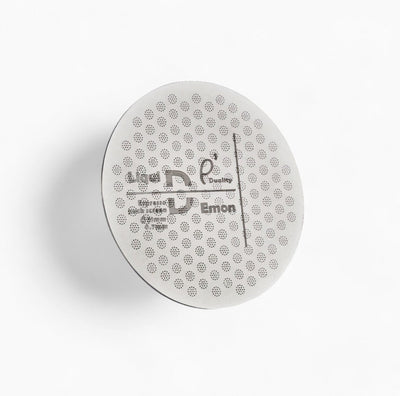
You can own a $5,000 dual-boiler machine, but if your puck preparation is poor, your espresso will taste disappointing. Channeling is the arch-nemesis of the home barista. This occurs when water finds a path of least resistance through the coffee bed, leading to an uneven extraction where some grounds are over-extracted and others are barely touched.
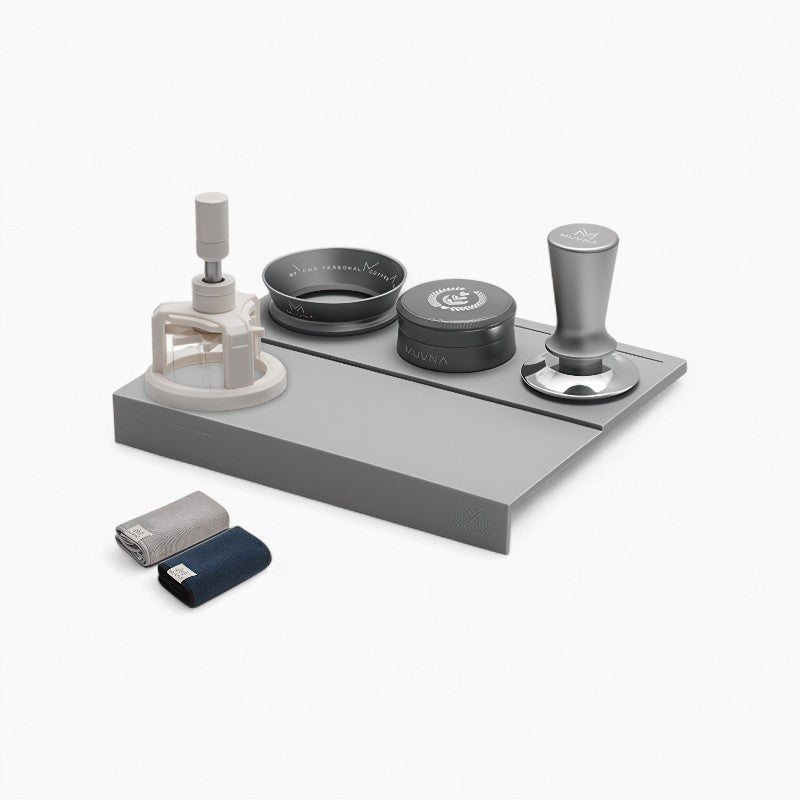
To eliminate channeling, you must focus on distribution. This is where tools like a WDT (Weiss Distribution Technique) tool become non-negotiable. By raking through the grounds with fine needles (ideally 0.35mm to 0.4mm), you break up clumps and create a uniform density throughout the basket. This ensures the water flows evenly through the entire puck, maximizing flavor clarity.

Professional Barista Starter Kit with Tamper and WDT
$139.90 $260.00
Upgrade your espresso machine with five precision tools engineered to eliminate channeling and deliver consistent extraction.
Explore ProductThe Importance of the Tamp
Once your grounds are distributed, tamping compresses them into a solid puck. The goal here is a level, flat surface. You do not need to apply 30 pounds of pressure; you need to apply consistent pressure until the coffee is fully compressed and the tamper stops moving. A calibrated tamper can help remove the guesswork, ensuring you hit the same depth and alignment every time.

Dialing In: The 2:1 Ratio
Once your prep is optimized, it is time to engage the pump. A standard starting point for almost any home espresso machine is the 2:1 ratio. This means if you dose 18 grams of dry coffee into your portafilter, you should aim for approximately 36 grams of liquid espresso out.
Typically, this output should be achieved in 25 to 30 seconds. If your shot runs too fast (e.g., 15 seconds), your grind is likely too coarse. If it chokes the machine or drips out slowly over 45 seconds, your grind is too fine. Adjusting your grinder to hit this time and weight window is called "dialing in." It requires patience, but it is the only way to get the best out of your beans.
Beyond the Shot: Milk Texture and Portability
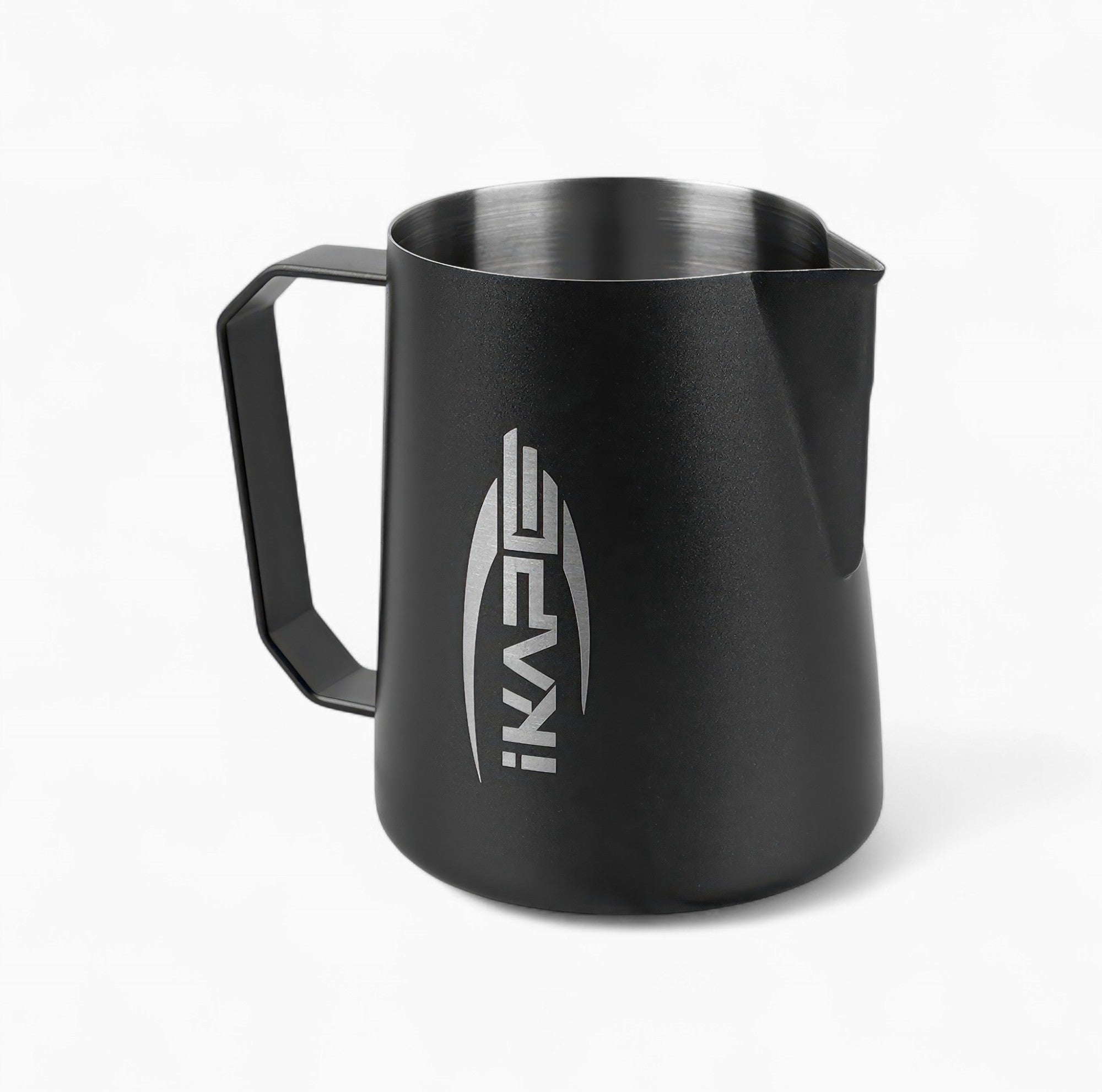
For many, the espresso machine experience isn't complete without silky microfoam. Steaming milk requires creating a vortex to fold air into the liquid, breaking down large bubbles into a glossy, paint-like texture. A pitcher with a specific spout geometry allows for the control needed to pour intricate latte art.
Furthermore, espresso enjoyment isn't limited to the kitchen countertop. Innovation in thermal dynamics has led to portable devices capable of generating 9 bars of pressure, allowing you to maintain your ritual while traveling. Whether you are at home or on the road, the right tools make the difference between a caffeinated beverage and a culinary experience.
Elevate Your Milk & Mobile Game

Precision Milk Frothing Pitcher for Latte Art
$44.90
$75.00
Pour flawless latte art with this concave-base pitcher designed for velvety microfoam and precise flow control. Learn more ➔

KAPO K2 Portable Espresso Machine With Self-Heating
$224.90
$392.00
Pull real 9-bar espresso shots anywhere with this self-heating portable machine featuring Bluetooth app control. Learn more ➔

Conclusion
Investing in a high-quality espresso machine is the first step, but it is your skills and accessories that bridge the gap between amateur and pro. By understanding the mechanics of extraction, prioritizing puck prep with WDT tools and calibrated tampers, and adhering to the 2:1 ratio, you eliminate the variables that cause bad coffee. The goal isn't just to consume caffeine; it is to craft a cup that reflects the care and precision you put into it. Optimize your setup, dial in your process, and enjoy the ritual.
Frequently Asked Questions about Home Espresso
The best machine depends on your budget and willingness to learn. For enthusiasts who want cafe-quality results, a semi-automatic machine with a PID controller (for temperature stability) is ideal. Popular choices often fall in the $500–$1,500 range.
An espresso machine works by heating water to approximately 200°F (93°C) and using a pump to force it through a compressed puck of finely ground coffee at about 9 bars of pressure, extracting oils and solids to create a concentrated shot.
Yes, if you drink espresso or milk-based drinks daily. While the upfront cost is significant, home brewing allows you to use higher quality beans than most chains and saves money over time compared to buying daily $5 lattes.
Prices range from under $100 for basic appliances to over $5,000 for high-end dual boilers. A solid, reliable entry-level setup (machine plus a capable grinder) typically requires an investment of around $600 to $1,000.
The 2:1 rule is a standard brewing ratio where the weight of the liquid espresso in the cup is double the weight of the dry coffee grounds used. For example, 18g of ground coffee yields 36g of liquid espresso.