
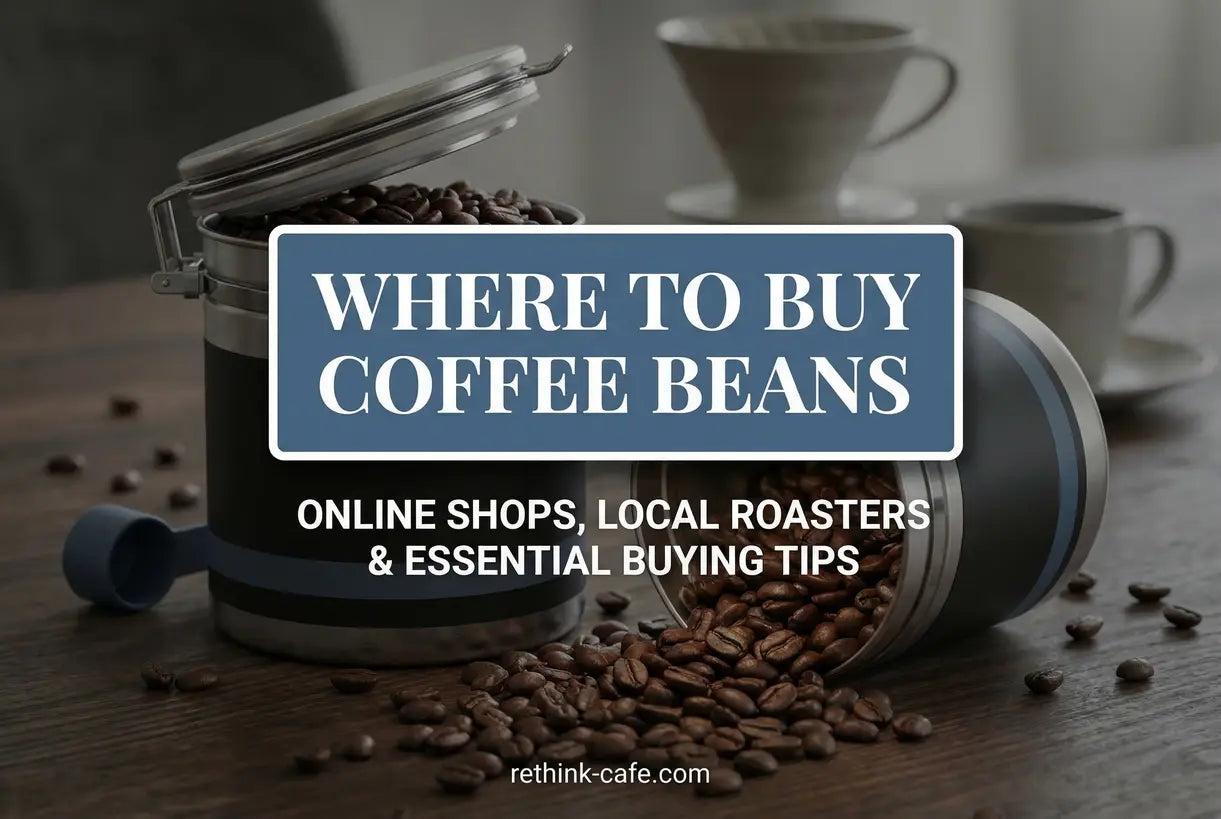
Finding the perfect coffee beans can feel overwhelming. With countless roasters, supermarkets, and online shops claiming to have the "best" coffee, how do you actually know where to buy coffee beans that will transform your morning cup from mediocre to magnificent?
Whether you're a home barista perfecting your espresso technique or a coffee enthusiast exploring specialty roasts, sourcing fresh, high-quality beans is the foundation of exceptional coffee. This guide will walk you through the best places to purchase coffee beans, what to look for when buying, and how to store your beans properly to maintain peak freshness.

Online vs Local: Where to Source Your Coffee Beans
When deciding where to buy coffee beans, you typically have two primary options: online specialty roasters or local coffee shops and roasters. Each approach offers distinct advantages depending on your priorities.
Buying Coffee Beans Online
Online coffee roasters have revolutionized how enthusiasts access specialty coffee. The biggest advantage is variety—you can explore single-origin beans from Ethiopia, Colombia, or Indonesia without leaving your home. Many online roasters roast to order, ensuring your beans arrive at peak freshness.
When you buy coffee beans online, look for roasters that provide detailed information about roast dates, origin details, and flavor profiles. Reputable online shops typically ship within 24-48 hours of roasting, which is crucial for maintaining flavor integrity.
Supporting Local Coffee Roasters
Local coffee roasters offer something that online shopping cannot replicate: immediate freshness and personal connection. When you buy from local roasters, you can often purchase beans that were roasted within days—or even hours—of your purchase.
Local roasters also provide the opportunity to ask questions, sample different roasts, and build relationships with professionals who can guide your coffee journey. Plus, supporting local businesses strengthens your community's economy and reduces the environmental impact of shipping.
How to Identify Fresh, High-Quality Coffee Beans
Once you've decided where to buy coffee beans, knowing how to evaluate quality is essential. Freshness is the single most important factor affecting flavor, yet many consumers overlook simple indicators.

The Roast Date Matters Most
Always check the roast date before purchasing. Coffee beans reach their peak flavor between 3 days and 3 weeks after roasting. Avoid beans with only "best by" dates—these can hide the true roast date and often indicate coffee that's been sitting for months.
When examining packaging, look for valves that allow CO2 to escape while preventing oxygen from entering. This one-way valve technology indicates the roaster understands freshness preservation.
Visual and Aromatic Cues
Fresh coffee beans should have a slight oily sheen without appearing greasy. The aroma should be potent and pleasant—if beans smell stale, cardboard-like, or have no scent, they've likely passed their prime. When possible, ask to smell the beans before purchasing, especially at local roasters.
Understanding Coffee Labels: Single Origin vs Blends
Navigating coffee terminology is crucial when determining where to buy coffee beans that match your taste preferences. Understanding these distinctions helps you make informed decisions and discover beans you'll truly enjoy.
Single origin coffee comes from one specific location—whether a particular farm, region, or country. These beans showcase unique flavor profiles characteristic of their growing environment, processing method, and varietal. Single origins are ideal for those who enjoy exploring distinct, complex flavors and appreciate traceability.
Blended coffee combines beans from multiple origins to create balanced, consistent flavor profiles. Roasters craft blends to achieve specific taste characteristics—perhaps chocolatey richness, bright acidity, or full body. Blends are excellent for daily drinking and espresso preparation, offering reliable flavor that doesn't vary dramatically between batches.
What to Expect: Specialty Coffee Pricing Guide
Understanding pricing helps set realistic expectations when researching where to buy coffee beans. While it's tempting to choose the cheapest option, coffee pricing often reflects quality, sustainability, and freshness.
Supermarket coffee typically ranges from $5-10 per pound. While budget-friendly, these beans often lack roast dates, use lower-grade beans, and may have been sitting on shelves for months. The savings often come at the cost of flavor and freshness.
Specialty coffee from local or online roasters generally costs $15-25 per pound. This price reflects higher-quality Arabica beans, ethical sourcing practices, small-batch roasting, and freshness. For enthusiasts seeking exceptional flavor, this investment delivers significantly better results.
Micro-lot and rare varietals can command $30-50+ per pound. These limited-edition beans offer unique flavor experiences and support specific farming communities. While not for daily consumption, they provide special occasion experiences for true connoisseurs.
Storing Your Coffee Beans for Maximum Freshness
Once you've determined where to buy coffee beans and made your purchase, proper storage becomes critical. Coffee beans are perishable—they begin losing flavor immediately after roasting due to exposure to oxygen, light, heat, and moisture.
The enemies of fresh coffee are air, light, heat, and moisture. Storing beans in their original bag (even with a seal) often isn't sufficient for long-term freshness. Once opened, coffee begins oxidizing, leading to stale, flat flavors within weeks.

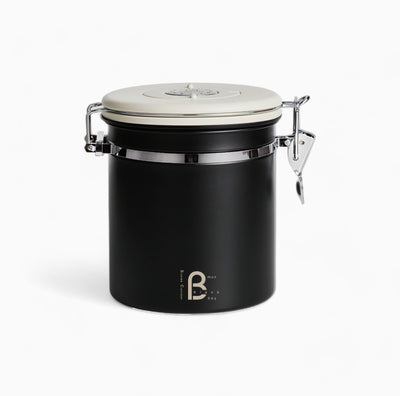
For optimal preservation, transfer your beans to an airtight container specifically designed for coffee storage. Look for containers with CO2 valves that allow degassing while preventing oxygen entry. Keep the container in a cool, dark cabinet away from direct sunlight and heat sources like ovens or stovetops.
Never store coffee in the refrigerator or freezer. The temperature fluctuations create condensation that damages the beans, and coffee easily absorbs odors from other foods. Room temperature storage in proper containers yields the best results.

Airtight Coffee Bean Canister with CO2 Valve
$37.90 $63.00
Keep your newly purchased beans fresh longer with this 304 stainless steel canister featuring a one-way CO2 exhaust valve and built-in roast date tracker. Available in 250g, 500g, and 750g capacities.
Explore ProductOrganizing Multiple Coffee Varieties
For enthusiasts who enjoy exploring different origins and roast profiles, managing multiple open bags becomes a challenge. Each variety requires proper storage, and keeping track of roast dates and flavor profiles across several containers can clutter your coffee station.
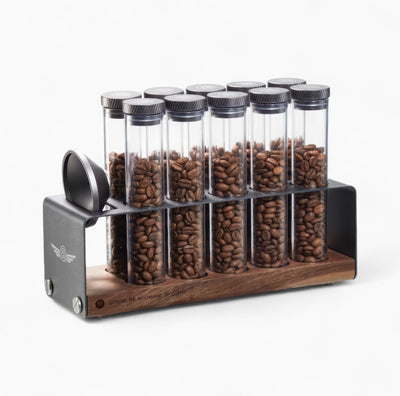
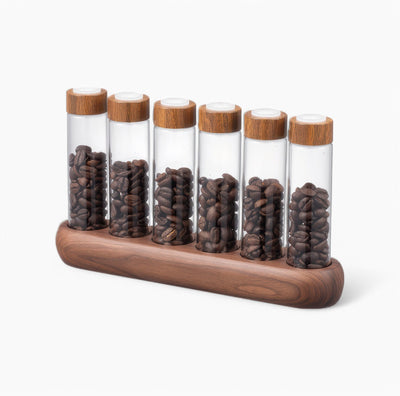
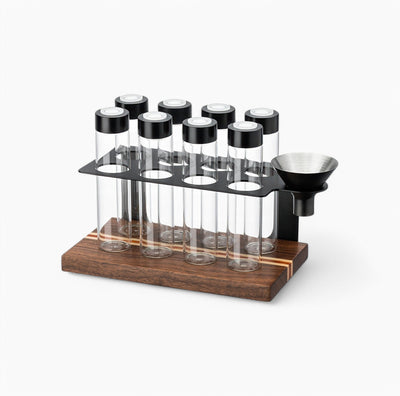
Specialized storage systems designed for coffee enthusiasts offer elegant solutions. Glass storage tubes with degassing valves allow you to display multiple varieties while maintaining freshness. These systems not only preserve your investment but also create an organized, professional-looking coffee station that reflects your passion for quality.
When organizing multiple beans, label each container with the origin, roast date, and flavor notes. This practice helps you rotate through your collection efficiently, ensuring you consume beans at their peak while exploring the diverse world of specialty coffee.
Elegant Storage Solutions for Your Coffee Collection

Coffee Bean Storage Tubes With Walnut Display Base
$34.90
$67.00
Organize multiple coffee bean varieties in style with these borosilicate glass storage tubes featuring a beautiful walnut wood base. Single or double row options available. Learn more ➔

Glass Coffee Bean Storage Tubes with Degassing Valve
$62.90
$122.00
Perfect for storing freshly roasted beans, these lab-grade glass tubes feature one-way degassing valves that release CO2 while blocking oxygen to preserve peak flavor. Learn more ➔
Conclusion: Your Journey to Better Coffee Starts with Better Beans
Knowing where to buy coffee beans is the first step toward transforming your daily coffee ritual into an extraordinary experience. Whether you choose the convenience and variety of online specialty roasters or the immediacy and community connection of local shops, prioritizing freshness and quality will always yield superior results.
Remember that buying great beans is only part of the equation. Proper storage using specialized coffee canisters ensures your investment maintains its peak flavor profile. At Rethink Cafe, we understand that exceptional coffee requires exceptional care at every stage—from sourcing to storage to brewing.
Ready to elevate your coffee experience? Explore our curated collection of bean storage solutions and barista tools designed to help you get the most from every bag of specialty coffee you bring home.
Frequently Asked Questions about Buying Coffee Beans
The best online coffee shops are specialty roasters who roast to order and ship within 24-48 hours. Look for companies that provide detailed roast dates, origin information, and flavor profiles. Subscription services from reputable roasters are also excellent for discovering new varieties while ensuring freshness.
Local roasters generally offer superior freshness and quality compared to supermarkets. Supermarket coffee often sits on shelves for months, losing essential flavors. Local roasters provide transparency about roast dates, sourcing practices, and can offer personalized recommendations. However, supermarkets may be more convenient for basic daily coffee needs.
Always check the roast date first—beans are best within 2-4 weeks of roasting. Look for a slight oily sheen on dark roasts (though light roasts may appear dry). Fresh beans should smell potent and aromatic, not stale or cardboard-like. Avoid beans in clear packaging exposed to light, and steer clear of any with visible moisture or mold.
Single origin coffee comes from one specific location—whether a single farm, region, or country. These beans highlight unique flavor profiles specific to their terroir, processing method, and varietal, making them ideal for experiencing distinct tasting notes. Blended coffee combines beans from multiple origins to create balanced, consistent flavor profiles. Roasters craft blends to achieve specific characteristics like chocolatey richness or bright acidity, making them excellent for daily drinking and espresso preparation.
Quality specialty coffee typically ranges from $15-25 per pound. This price reflects higher-grade Arabica beans, ethical sourcing practices, small-batch roasting, and freshness. Supermarket coffee usually costs $5-10 per pound but often lacks roast dates and quality transparency. Premium micro-lot coffees and rare varietals can cost $30-50+ per pound, offering unique flavor experiences for special occasions. While specialty coffee requires a higher investment, the difference in taste, freshness, and ethical sourcing makes it worthwhile for enthusiasts seeking exceptional daily coffee experiences.


