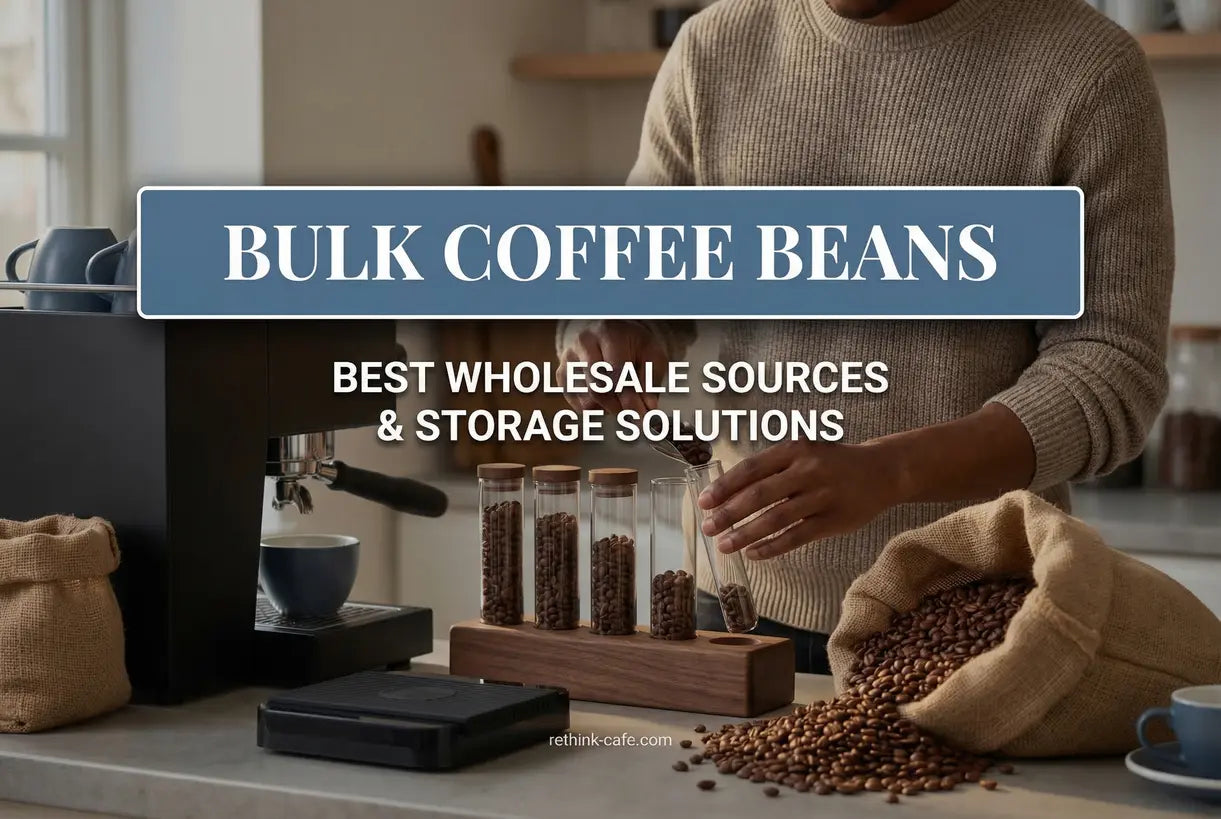
Buying bulk coffee beans can transform your morning ritual from an expensive habit into a cost-effective luxury. For the dedicated home barista, purchasing wholesale coffee beans offers both economic advantages and the opportunity to explore higher-quality specialty coffees without breaking the bank. However, the promise of savings comes with a critical challenge: maintaining freshness from the first scoop to the last.
When you buy specialty coffee in bulk, you're committing to a relationship with those beans that spans weeks or even months. The difference between a café-quality espresso and a flat, stale disappointment often comes down to how you store your large quantity coffee beans. In this guide, you'll discover the best sources for wholesale coffee sourcing, learn proper storage methods that preserve flavor integrity, and understand the essential tools that make bulk buying practical for serious coffee enthusiasts.
Where to Find the Best Wholesale Coffee Sources
Before you can master coffee bean storage, you need to know where to find quality beans in the first place. The landscape of wholesale coffee sourcing has expanded dramatically, giving home baristas access to roasters and suppliers previously reserved for cafés.
Direct from Specialty Roasters
Many specialty coffee roasters now offer wholesale programs or bulk pricing tiers starting at 5 pounds. This approach ensures you're getting freshly roasted beans with clear roast dates—critical information for calculating your optimal consumption window. The Specialty Coffee Association maintains standards that roasters must meet, making SCA-certified roasters a reliable starting point for your search.
Local Coffee Cooperatives
Regional coffee cooperatives often sell directly to consumers at wholesale prices. These organizations typically source beans from specific importers and can provide detailed information about origin, processing methods, and harvest dates. Building relationships with these suppliers can lead to exclusive access to micro-lots and limited releases.
Online Bulk Retailers
Several online platforms specialize in connecting consumers with wholesale coffee bean suppliers. Look for retailers that ship in valve-sealed bags with nitrogen flushing—this preserves freshness during transport and gives you a longer window to enjoy your beans at peak flavor.
The Economics of Bulk Coffee Buying
Is buying coffee beans in bulk actually cheaper? The answer depends on your consumption rate and storage capabilities. Generally, you can expect to save between 20-40% per pound when purchasing wholesale quantities compared to retail bags.
However, these savings only materialize if you consume the beans before they go stale. The break-even point typically occurs when you drink at least 2-3 cups daily and have proper storage infrastructure in place. For occasional drinkers, smaller quantities may actually provide better value when you account for waste.
Understanding Coffee Bean Freshness and Shelf Life
Freshness is the single most important factor in coffee quality. Once roasted, coffee beans begin releasing CO2 and volatile aromatic compounds. While this degassing period (typically 3-7 days post-roast) is necessary for optimal espresso extraction, prolonged exposure to oxygen, light, heat, and moisture accelerates staling.
Whole bean coffee maintains peak flavor for approximately 2-4 weeks after roasting when stored properly. Pre-ground coffee degrades within hours. When you buy large quantity coffee beans, understanding this timeline becomes essential:
- Week 1-2: Peak flavor window, optimal aromatic complexity
- Week 3-4: Good quality, some oxidation beginning
- Week 5-8: Drinkable but noticeably diminished
- Beyond 8 weeks: Significant staleness, flat flavor profile
These timelines assume proper storage. Improperly stored bulk coffee can become undrinkable within days.
Proper Storage Techniques for Large Quantities
Storing bulk coffee beans requires a multi-layered approach. You cannot simply leave a 5-pound bag on your counter and expect consistent quality. The optimal strategy involves dividing your wholesale purchase into immediate-use and long-term storage portions.

This infographic illustrates the four enemies of coffee freshness: oxygen, light, heat, and moisture. Your storage system must address all four factors simultaneously. The most effective approach divides your bulk purchase into three categories:
- Daily Access Container: Holds 3-7 days worth of beans in an easy-access, airtight vessel
- Short-term Storage: Remaining beans from your open bag in a sealed secondary container
- Long-term Reserve: Unopened bags stored in a cool, dark environment
Temperature stability matters significantly. Storing beans in the refrigerator creates condensation issues, while freezers require special protocols. The ideal storage location maintains temperatures between 60-75°F with low humidity.
Essential Tools for Managing Bulk Coffee
Successful bulk coffee management requires more than good intentions—you need the right equipment. The transition from retail to wholesale quantities reveals workflow inefficiencies that specialized tools can solve.
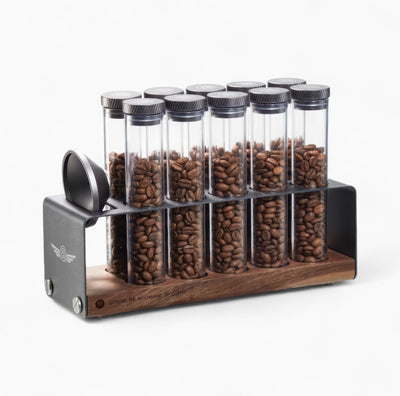
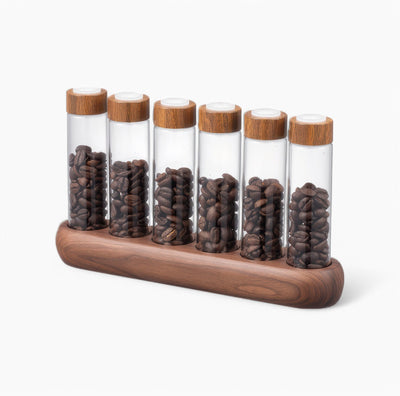
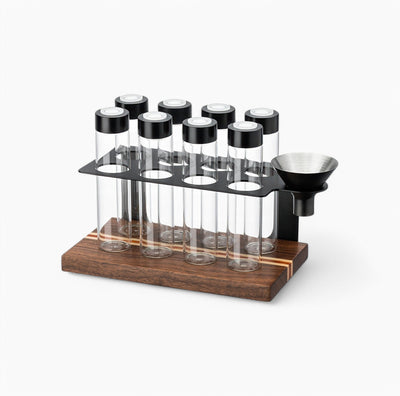
One of the most common frustrations bulk buyers face is the daily ritual of opening a large bag, scooping beans, and resealing everything. This process exposes your entire supply to oxygen repeatedly. Coffee Bean Storage Tubes With Walnut Display Base offer an elegant solution to this problem.

Coffee Bean Storage Tubes With Walnut Display Base
$34.90 $67.00
Glass tubes with walnut base - perfect for portioning your bulk coffee beans into single doses while keeping them visible and fresh on your counter.
Explore ProductThese glass tubes allow you to portion your bulk purchase into single-dose amounts while keeping them visible and fresh on your counter. The walnut base provides stability and transforms functional storage into a display piece worthy of your coffee station. Most importantly, this system eliminates the daily oxygen exposure that degrades your beans.
Choosing the Right Storage Containers
Container selection represents the most critical decision in your bulk coffee storage strategy. Not all airtight containers are created equal when it comes to coffee preservation. The ideal vessel addresses the unique challenge of coffee's continued CO2 release after roasting.

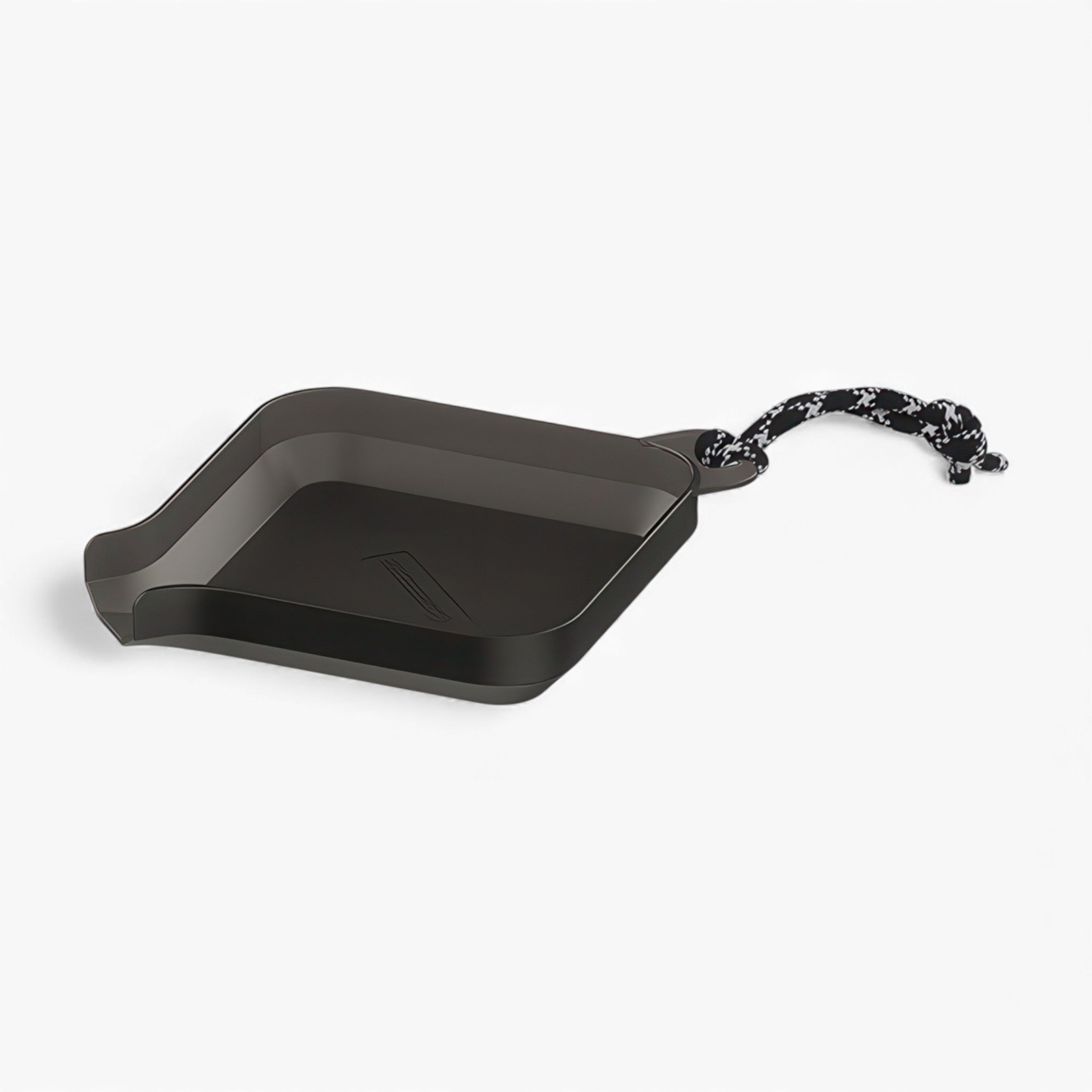
Standard airtight containers trap CO2 inside, potentially creating pressure issues and affecting flavor. The Coffee Bean Weighing Tray with Universal Pour Spout complements your storage system by making the transfer process precise and mess-free.
Essential Bulk Coffee Management Tools

Coffee Bean Weighing Tray with Universal Pour Spout
$12.90
$22.00
Square-bottom weighing tray with 40% larger scale contact area - essential for accurately measuring bulk coffee bean quantities before storage. Learn more ➔

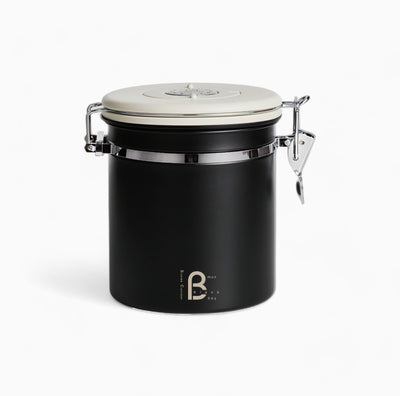
Airtight Coffee Bean Canister with CO2 Valve
$37.90
$63.00
304 stainless steel canister with one-way CO2 valve available in 250g to 750g capacities - the perfect solution for preserving bulk coffee freshness at home. Learn more ➔
The Airtight Coffee Bean Canister with CO2 Valve represents the gold standard for home storage. The one-way valve allows CO2 to escape without letting oxygen enter—preserving the delicate aromatic compounds that define great coffee. Available in capacities from 250g to 750g, these stainless steel canisters protect against all four freshness enemies while looking professional on your counter.
For comprehensive coffee storage guidance, the National Coffee Association provides detailed recommendations on preserving bean quality in various environments.
Creating an Efficient Bulk Coffee Station
Once you have the right tools and understand proper storage principles, the final step is workflow optimization. Your bulk coffee station should minimize the number of times you handle your beans while making the daily ritual enjoyable.

An efficient station typically follows this sequence: the bulk bag remains sealed in a pantry or cupboard, portioned beans sit in display tubes for daily access, and your grinder sits ready to receive measured doses. This eliminates the friction that often causes people to abandon bulk buying after the initial enthusiasm fades.
Conclusion: Making Bulk Coffee Work for You
Buying bulk coffee beans represents a significant upgrade to your home barista experience when approached thoughtfully. The savings are real, but they depend entirely on your commitment to proper storage and workflow management. By sourcing from quality wholesale suppliers, investing in appropriate storage solutions, and creating an efficient system, you can enjoy specialty-grade coffee at a fraction of the retail cost.
At Rethink Cafe, we understand the challenges home baristas face when scaling up their coffee purchases. Our curated selection of storage solutions—from glass dosing tubes to CO2-valve canisters—addresses the specific pain points of bulk buying. Whether you're taking your first step into wholesale quantities or refining an existing system, the right tools transform bulk coffee from a risky experiment into a sustainable, delicious routine.
Frequently Asked Questions about Buying Bulk Coffee Beans
You can buy bulk coffee beans wholesale from specialty coffee roasters, local coffee cooperatives, and online bulk retailers. Many specialty roasters offer wholesale pricing starting at 5 pounds. Regional coffee cooperatives sell directly to consumers at reduced rates, while online platforms connect buyers with wholesale suppliers. Look for retailers that provide roast dates, origin information, and valve-sealed packaging with nitrogen flushing for maximum freshness.
Store bulk coffee beans in airtight containers away from light, heat, and moisture at temperatures between 60-75°F. Divide your purchase into three categories: a daily access container holding 3-7 days worth, short-term storage for the remaining open bag, and unopened bags kept in a cool, dark environment. Avoid refrigerators due to condensation issues. Use containers with CO2 valves that allow gas to escape while preventing oxygen entry. Glass or stainless steel containers provide the best protection against flavor contamination.
Yes, buying coffee beans in bulk is typically 20-40% cheaper per pound compared to retail. A single 12oz retail bag might cost $24-32 per pound, while wholesale quantities often drop to $12-16 per pound. However, savings only materialize if you have proper storage and consume beans before they stale. The break-even point usually occurs when drinking 2-3 cups daily with appropriate storage infrastructure.
Whole bean coffee maintains peak flavor for 2-4 weeks after roasting when stored properly. Weeks 1-2 represent the peak flavor window. By week 3-4, quality remains good but oxidation begins. Beans remain drinkable through weeks 5-8 though noticeably diminished. Beyond 8 weeks, significant staleness develops. These timelines assume proper storage in airtight containers away from light, heat, and moisture. Improperly stored coffee can become stale within days.
The best containers for bulk coffee storage are airtight vessels made from glass or stainless steel with one-way CO2 valves. These valves allow coffee's natural CO2 release to escape while preventing oxygen from entering. Stainless steel offers durability and light protection. Glass enables visual monitoring of bean levels. Avoid plastic containers, which can absorb odors and allow light penetration. Container capacity should match your consumption rate—250g for 1-2 cups daily, 750g for households with multiple daily drinkers.