
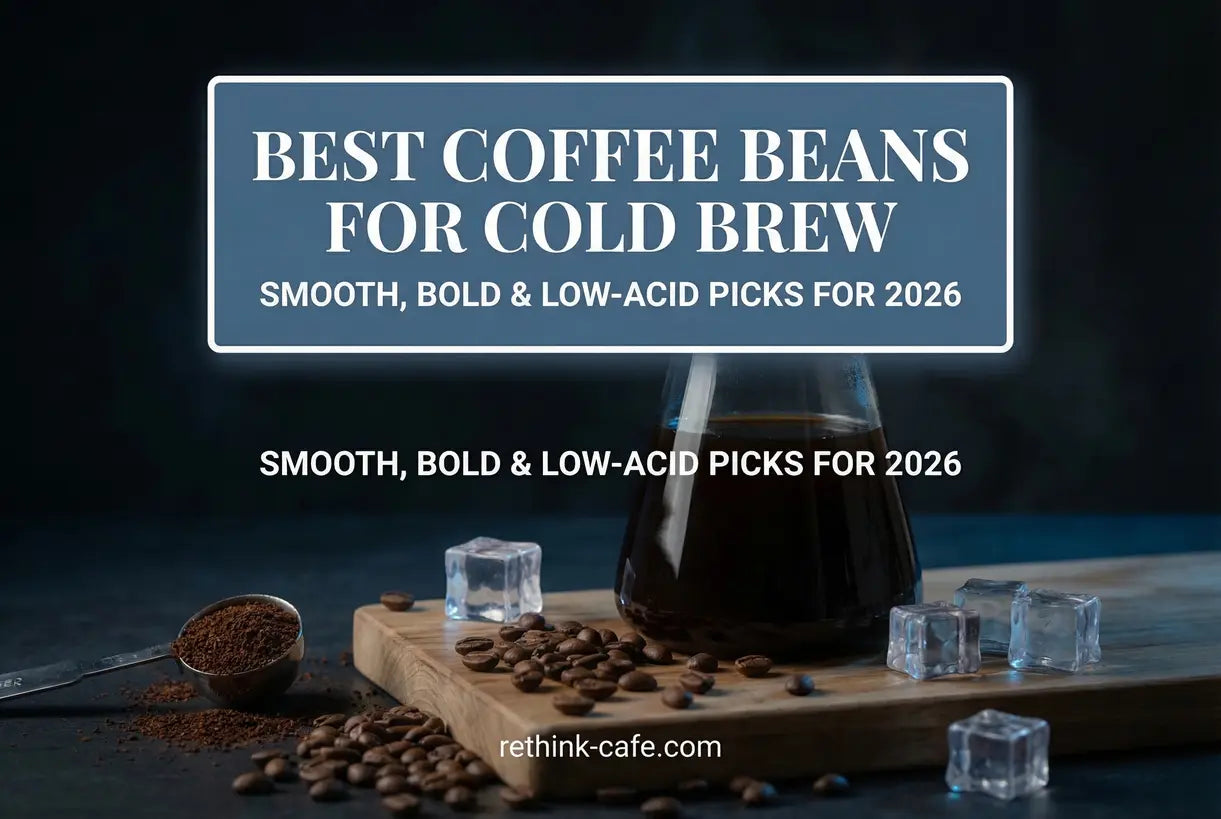
Cold brew coffee has transformed from a café trend into a daily ritual for home baristas seeking smooth, bold, and low-acid coffee experiences. Unlike traditional hot brewing methods, cold extraction unlocks entirely different flavor compounds from your cold brew coffee beans, delivering sweetness and complexity that hot brewing simply cannot achieve. Whether you're perfecting your morning routine or exploring new coffee territories, understanding which beans work best for cold brewing is essential for exceptional results.
In this comprehensive guide, we'll explore the best coffee beans for cold brew, dive into grind size requirements, and reveal the equipment that takes your brewing from good to extraordinary. By the end, you'll know exactly how to select beans that produce velvety, chocolate-forward cold brew with minimal acidity and maximum satisfaction.
What Makes the Best Coffee Beans for Cold Brew
Not all coffee beans perform equally when subjected to cold water extraction. The extended steeping process—typically 12 to 24 hours—pulls different compounds from the grounds compared to hot brewing. This means your bean selection directly impacts the final cup's smoothness, acidity level, and overall flavor profile.
The best cold brew beans typically share certain characteristics. First, they possess inherent sweetness and low acidity, as cold water doesn't extract acids as aggressively as hot water. Second, they offer robust body and chocolate or nutty tasting notes that shine through the cold extraction process. Finally, freshness matters tremendously—beans roasted within 2-4 weeks provide optimal volatile aromatic compounds that define exceptional cold brew.
Single-origin beans from regions like Colombia, Brazil, and Guatemala often excel in cold brew applications due to their naturally balanced profiles. However, blends specifically crafted for cold brew have gained popularity, combining beans that complement each other's strengths during the lengthy extraction period.
Roast Levels and Flavor Profiles for Cold Brew
Selecting the appropriate roast level significantly influences your cold brew's character. While personal preference always matters, certain roast profiles consistently produce superior results for cold extraction methods.
Medium to dark roasts generally dominate cold brew recommendations. These roast levels develop the caramelized sugars and reduced acidity that define smooth cold brew coffee. Dark roast cold brew delivers intense chocolate, caramel, and nutty flavors with virtually no perceptible acidity. Many enthusiasts appreciate how darker roasts create that signature bold, almost syrup-like mouthfeel that makes cold brew so distinctive.
However, don't dismiss medium roasts entirely. A well-executed medium roast offers nuanced fruit and floral notes that can create remarkably complex cold brew. The key lies in the bean's origin—certain African and Central American beans maintain enough brightness at medium roasts to add intrigue without becoming harsh.
That said, extremely light roasts typically underperform for cold brew. Their higher acidity and underdeveloped sugars can translate to grassy, sour, or astringent flavors when extracted with cold water over extended periods. If you prefer lighter roasts, consider blending them with darker roasted beans to balance the profile.

The Importance of Grind Size for Cold Brew Success
Grind size represents one of the most critical variables in cold brew preparation. The extended contact time between water and grounds demands a specific particle size to achieve proper extraction without introducing unwanted bitterness or sediment.
Coarse grind cold brew preparations reign supreme for good reason. A coarse, uniform grind resembles sea salt or rough sand in texture. This particle size creates optimal surface area for flavor extraction while preventing over-extraction and excessive sediment in your final beverage. Fine grinds expose too much surface area, leading to bitter, muddy results that lack the clarity cold brew enthusiasts crave.
Consistency matters enormously here. Uneven particle distribution creates a mixed extraction—some grounds under-extract while others over-extract, producing unbalanced, unpredictable flavors. This is where investing in a quality grinder pays dividends for serious cold brew artisans.

Cold Brew Coffee Maker with 400-Mesh Glass Filter
$54.90 $92.00
Brew smooth, grit-free cold brew with this precision 400-mesh filter system and borosilicate glass carafe for perfect extraction every time.
Explore ProductTop Coffee Bean Recommendations for Smooth Cold Brew
When sourcing beans specifically for cold brew, consider these proven options that consistently deliver exceptional results:
- Brazilian Santos: Naturally low in acidity with pronounced chocolate and nutty notes. These beans create exceptionally smooth cold brew with incredible sweetness.
- Colombian Supremo: Balanced body with caramel sweetness and subtle fruit undertones. Perfect for those wanting complexity without harshness.
- Sumatra Mandheling: Earthy, full-bodied profile with herbal and spice notes. Creates bold, intense cold brew for those who prefer darker, richer flavors.
- Guatemalan Antigua: Smoky, spicy characteristics with chocolate undertones. Produces sophisticated cold brew with remarkable depth.
- Ethiopian Yirgacheffe (Medium Roast): For adventurous palates, this bean offers floral and citrus notes that transform into berry-like sweetness when cold brewed properly.
Remember that freshness cannot be overstated. Purchase whole beans and grind them immediately before brewing to preserve the volatile aromatic compounds that define exceptional cold brew. Pre-ground coffee loses these essential oils rapidly, resulting in flat, lifeless beverages regardless of bean quality.

Why Your Cold Brew Might Taste Bitter
Bitterness in cold brew typically stems from preventable errors rather than bean selection. Understanding these common mistakes helps you achieve consistently smooth results.
Over-extraction represents the primary culprit behind bitter cold brew. While steeping times vary based on personal preference, exceeding 24 hours rarely improves results and often introduces harsh, astringent compounds. The extended contact time pulls out tannins and other bitter elements that the cold water couldn't access in shorter periods.
Grind size inconsistencies also contribute significantly to bitterness. When fine particles mix with coarse grounds, the fines over-extract dramatically, introducing unwanted bitterness that taints the entire batch. Using a quality burr grinder ensures uniform particle size and predictable extraction.
Water quality matters more than many home baristas realize. Hard water or water containing high mineral content can accentuate bitter compounds while suppressing desirable sweetness. Filtered water often produces cleaner, more balanced results, allowing your carefully selected beans to shine.
Complete Your Cold Brew Setup

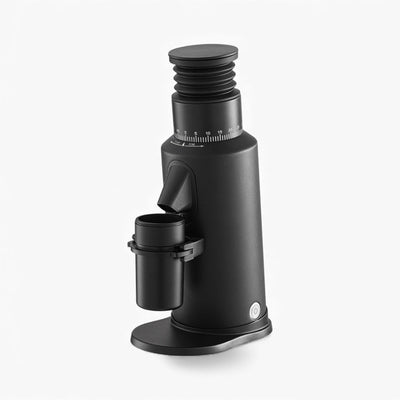
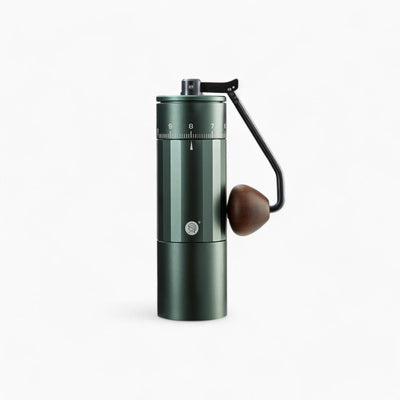
Achieve consistent coarse grinds ideal for cold brew with 30 adjustable settings and uniform particle distribution from quality conical burrs. Learn more ➔

Ceramic Gradient Coffee Cup for Espresso Tasting
$22.90
$38.00
Enjoy your cold brew in style with this premium ceramic cup designed for optimal flavor concentration and sensory experience. Learn more ➔
Perfecting Your Steeping Time
The duration of cold water contact with your grounds significantly impacts flavor development. Finding your ideal steeping time requires understanding how extraction progresses over time.
Most cold brew recipes recommend steeping between 12 and 24 hours. Shorter steeping times (12-16 hours) generally produce brighter, more nuanced flavors with lighter body—ideal for those who appreciate subtle complexity. Longer steeping periods (18-24 hours) extract more soluble compounds, creating bolder, more intense beverages with fuller mouthfeel.
Environmental factors influence optimal timing. Room temperature steeping extracts faster than refrigerator steeping, often requiring 2-4 hours less time for equivalent results. Additionally, darker roasts typically require less steeping time than lighter roasts to achieve full extraction.
The best approach involves experimentation. Start with 16 hours as your baseline, then adjust based on taste preferences. Keep detailed notes about bean origin, roast level, steeping time, and results to refine your process systematically. Small adjustments reveal significant flavor differences in cold brewing.
Low-Acid Cold Brew Options for Sensitive Stomachs
One of cold brew's most celebrated benefits is its significantly reduced acidity compared to hot-brewed coffee. This makes it ideal for coffee lovers who experience digestive discomfort from traditional brewing methods. However, bean selection can further minimize acidity for those with particularly sensitive systems.
Low acid cold brew preparations begin with naturally low-acid beans. Seek out beans from Brazil, Sumatra, or India, as these origins typically exhibit lower acidity than African or Central American counterparts. Additionally, dark roast levels further reduce perceived acidity through the roasting process's chemical transformations.
Cold brewing itself reduces acidity by approximately 67% compared to hot brewing, according to research from scientific studies on coffee extraction. The cold water simply doesn't extract acidic compounds as effectively as hot water. Combined with proper bean selection, this makes cold brew one of the most stomach-friendly coffee preparations available.
For those seeking the lowest possible acidity, consider "acid-free" or "low-acid" marketed beans that undergo specific processing to minimize acidic compounds. While these beans sometimes sacrifice some flavor complexity, they provide comfortable enjoyment for those who would otherwise avoid coffee entirely.


Elevating Your Cold Brew Game
Mastering cold brew coffee requires attention to detail across multiple variables—the beans you select, the grind you achieve, the steeping time you employ, and the equipment you trust. Each element contributes to creating that perfect glass of smooth, bold, low-acid cold brew that transforms your morning routine.
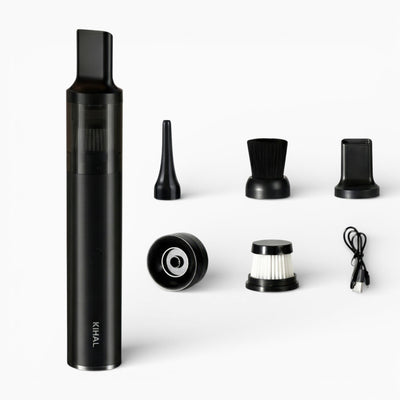
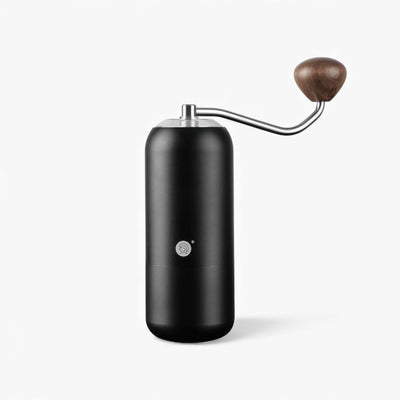
At Rethink Cafe, we understand that exceptional coffee experiences begin with exceptional tools. Whether you're just beginning your cold brew journey or refining your technique, having the right equipment makes every batch more consistent and enjoyable. From precision grinders that deliver uniform coarse grounds to specialized cold brew makers that extract every nuance from your carefully selected beans, the right tools elevate good coffee to extraordinary coffee.
Explore our curated collection of cold brew equipment and discover how professional-grade tools can transform your home brewing experience. Because when you've invested in quality beans, you deserve equipment that honors that investment.
Frequently Asked Questions about Cold Brew Coffee Beans
The best coffee beans for cold brew are typically medium to dark roasts with low acidity and prominent chocolate, nut, or caramel notes. Brazilian Santos, Colombian Supremo, and Sumatra Mandheling consistently produce excellent results. These beans' natural sweetness and reduced acidity shine through cold extraction, creating smooth, rich beverages without harshness.
Coarse grind is significantly better for cold brew. A coarse grind resembling sea salt provides optimal surface area for flavor extraction during the extended steeping process while preventing over-extraction and excessive sediment. Fine grinds expose too much surface area, resulting in bitter, muddy cold brew with unwanted astringency.
Cold brew should steep between 12 and 24 hours depending on your taste preferences and environmental factors. Shorter steeping times (12-16 hours) produce brighter, more nuanced flavors, while longer periods (18-24 hours) create bolder, more intense brews. Room temperature steeping extracts faster than refrigerator steeping. Start with 16 hours as a baseline and adjust based on your results.
Medium to dark roasts work best for cold brew. Dark roasts deliver intense chocolate, caramel, and nutty flavors with minimal acidity and a signature bold mouthfeel. Medium roasts can offer nuanced fruit and floral notes while maintaining balance. Extremely light roasts generally underperform, potentially producing grassy or sour flavors when cold extracted.
Bitter cold brew typically results from over-extraction, inconsistent grind size, or poor water quality. Steeping too long (beyond 24 hours) extracts harsh tannins and bitter compounds. Uneven grind distribution causes fine particles to over-extract while coarse particles under-extract. Additionally, hard water or water with high mineral content can accentuate bitterness. Use a consistent coarse grind, limit steeping time to 12-24 hours, and use filtered water for best results.


