

The French press remains one of the most beloved brewing methods among home baristas—and for good reason. This classic immersion brewing technique delivers a full-bodied, richly textured cup that showcases the true character of your beans like no other method can. But here's the truth: even the finest French press cannot compensate for poorly selected beans or improper preparation.
Selecting the right coffee press beans is the foundation of exceptional immersion brewing. When paired with the proper grind, fresh roasting, and precise technique, your French press becomes a gateway to some of the most satisfying coffee experiences possible. In this guide, we'll explore everything you need to know about choosing and preparing the best beans for your French press in 2026.
What Makes Coffee Press Beans Different?
French press brewing operates on a fundamentally different principle than drip or pour-over methods. During immersion brewing, your coffee grounds remain fully submerged in hot water for an extended period—typically four minutes or more. This prolonged contact extracts more oils, aromatics, and soluble compounds than filtered methods.
Because there's no paper filter to trap oils and fine particles, the beans you choose directly determine your cup's clarity, body, and flavor intensity. This means selecting beans with inherent depth and complexity becomes paramount. Coffee press beans should possess enough structure to withstand extended extraction without becoming muddy or astringent.
Bean density, origin characteristics, and processing methods all influence how coffee behaves during immersion brewing. Single-origin beans from regions known for full body—such as Sumatra, Brazil, or Colombia—often shine brightest in this format.
Roast Level: Dark vs Light for French Press
One of the most common questions among French press enthusiasts centers on roast level preferences. While personal taste always matters, immersion brewing tends to favor specific roast profiles.
Medium-dark to dark roasts generally perform exceptionally well as coffee press beans. These roasts develop rich chocolate, caramel, and nutty notes that translate beautifully through the French press's oil-preserving design. The extended development time during roasting creates soluble compounds that extract readily during the four-minute steep.
That said, lighter roasts can work for French press when handled correctly. However, they require more precise timing and temperature control to avoid under-extraction. Light roasts often present brighter, more acidic profiles that some immersion brewers find less harmonious with the method's naturally heavier mouthfeel.
For 2026, we recommend starting your French press journey with beans roasted between medium and dark levels. This range delivers the rich, comforting cup most home baristas seek while providing enough complexity to keep each sip interesting.
The Critical Role of Grind Size for Coffee Press Beans
Grind size represents perhaps the most critical variable in French press success. Unlike espresso's fine powder or pour-over's medium consistency, French press demands a coarse, uniform grind resembling sea salt or rough breadcrumbs.

Why does grind size matter so dramatically? Coarse particles extract more slowly than fine ones, preventing over-extraction during the extended steep time. When grounds are too fine, they slip past the press filter, creating sludge and bitterness. When too coarse, under-extraction produces weak, sour results.
The challenge lies in achieving consistent coarse particles. Blade grinders chop beans unevenly, producing a mixture of dust and boulders that extracts unpredictably. For French press excellence, invest in a quality burr grinder capable of producing uniform coarse grounds.
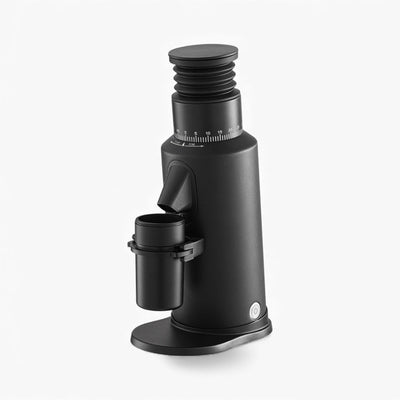
The Mechanic E-Grinder Precision Conical Burr Coffee Grinder addresses this challenge directly. Its 48mm stainless steel conical burrs and 100-step precision adjustment allow you to dial in the exact coarse grind your coffee press beans require.

Mechanic E-Grinder Precision Conical Burr Coffee Grinder
$375.90 $650.00
Achieve the perfect coarse grind for French press with 100-step precision adjustment. 48mm stainless steel conical burrs deliver uniform particles essential for rich immersion extraction.
Explore ProductUniform particle size ensures every ground extracts at the same rate, delivering balanced flavor without the bitterness or sludge that ruins French press experiences. When your grinder produces consistent coarse grounds, you'll immediately notice cleaner cups with pronounced sweetness and reduced astringency.
Freshness: Why Recently Roasted Beans Transform Your Cup
Coffee is an agricultural product with a finite window of peak flavor. After roasting, beans undergo degassing and oxidation processes that gradually diminish their vibrant aromatics. For French press brewing—where oils and aromatics play starring roles—freshness becomes even more critical.
Ideally, coffee press beans should be used between 7 and 30 days post-roast. During this window, beans have completed initial degassing (preventing bloated extraction) while retaining their volatile aromatic compounds. Beyond 30 days, coffees lose the brightness and complexity that make French press special.
Look for roast dates printed on packaging, not vague "best by" dates. Many specialty roasters now stamp precise roast dates, helping you track freshness accurately. When possible, buy whole beans and grind immediately before brewing to preserve aromatics that begin dissipating within minutes of grinding.

Proper Storage Preserves Flavor and Aromatics
Once you've invested in quality coffee press beans, protecting that investment becomes essential. Oxygen, light, heat, and moisture all accelerate coffee degradation. Proper storage extends your beans' viable brewing window while maintaining the nuanced flavors that make French press rewarding.

Borosilicate glass storage containers offer excellent protection while allowing you to monitor bean levels and condition. Unlike plastic, glass doesn't absorb odors or impart unwanted flavors. When combined with airtight seals and UV protection, glass storage creates an ideal environment for preserving bean quality.
The Coffee Bean Storage Tubes With Walnut Display Base elevate your storage solution with elegant borosilicate glass tubes that protect aromatics while showcasing your collection. The walnut base adds natural warmth to any kitchen aesthetic.
Dialing In Your Brew Ratios with Precision
French press brewing rewards consistency. Once you discover your ideal strength, replicating it requires precise measurement of both coffee and water. While many home baristas eyeball ratios, investing in accurate measurement tools transforms your brewing from guesswork into craft.
The standard French press ratio starts at 1:15 coffee to water—approximately 30 grams of coffee for 450ml of water. However, personal preferences vary widely, and experimentation helps you discover your perfect balance. Some prefer stronger 1:12 ratios, while others enjoy lighter 1:17 extractions.
Timing also plays a crucial role. Most French press recipes call for a four-minute steep, though some baristas extend this to five minutes for darker roasts or reduce to three for lighter profiles. The key is consistency: use the same timing once you find your sweet spot.
Essential Tools for French Press Precision

Precision Coffee Scale with Timer and Ratio Modes
$59.90
$108.90
Dial in your French press ratios with 0.1g precision and built-in timer. Four brewing modes help you nail the perfect coffee-to-water ratio every time. Learn more ➔

Coffee Bean Storage Tubes With Walnut Display Base
$34.90
$67.00
Keep your French press beans fresh and organized. Elegant borosilicate glass tubes with walnut base protect aromatics while showcasing your favorite single origins. Learn more ➔
The Precision Coffee Scale with Timer and Ratio Modes eliminates measurement guesswork with 0.1g accuracy and built-in timer functionality. Its four brewing modes help you replicate perfect ratios consistently, taking your French press game from amateur to artisan.
Avoiding Bitterness: Mastering Extraction Control
Bitterness represents the most common complaint among French press newcomers. Understanding what creates unwanted bitterness helps you prevent it entirely, unlocking the smooth, rich cups this method promises.

Three primary factors cause bitter French press coffee:
- Over-extraction: Steeping too long or using water that's too hot extracts undesirable compounds from the grounds. Stick to 195-205°F water and monitor your timing carefully.
- Inconsistent grind: Fines created by poor grinding over-extract rapidly, adding harshness even when larger particles extract properly. Quality burr grinding eliminates this variable.
- Low-quality beans: Beans with defects, improper roasting, or age beyond their prime often present bitter, cardboard-like flavors that extraction control cannot fix.
Preventing bitterness starts with selecting quality coffee press beans, grinding them consistently coarse, and controlling your extraction parameters. When all three align, French press delivers remarkably smooth, sweet cups that rival any brewing method.
Video Guide to French Press Excellence
Sometimes seeing technique in action clarifies what text cannot convey. This comprehensive guide demonstrates proper French press technique from bean selection through final pour.
Notice how the brewer maintains consistent ratios, monitors timing, and achieves that perfect coarse grind consistency. These fundamentals translate directly to your home setup when you have the right tools and beans.
Our Top Coffee Press Bean Recommendations for 2026
While personal preference ultimately guides bean selection, certain origins consistently deliver exceptional results in French press brewing:
Brazilian Santos: These beans offer the classic chocolate-nut profile many associate with perfect French press coffee. Low acidity and substantial body make them forgiving for beginners.
Sumatra Mandheling: Known for earthy, spicy notes and heavy mouthfeel, these beans exemplify what immersion brewing does best. The full extraction highlights their complex herbal qualities.
Colombian Supremo: Balanced sweetness with caramel and stone fruit notes, these versatile beans work across roast levels while maintaining clarity in the cup.
Ethiopian Yirgacheffe (Medium Roast): For those seeking brightness without excessive acidity, a medium-roasted Yirgacheffe delivers berry and wine notes that surprise many French press drinkers.
When sourcing beans, prioritize roasters who provide roast dates, origin information, and processing details. The transparency indicates quality commitment that translates to better cups.
Conclusion: Elevate Your French Press Experience
French press brewing offers home baristas an accessible path to cafe-quality coffee without expensive equipment or complex techniques. By focusing on the fundamentals—selecting fresh, quality coffee press beans, grinding them coarsely and consistently, and controlling your extraction parameters—you unlock this method's full potential.
The difference between mediocre and exceptional French press often comes down to preparation details that quality tools make effortless. From the Mechanic E-Grinder's precision grinding to the Precision Scale's measurement accuracy and the Storage Tubes' freshness protection, Rethink Cafe provides everything serious home baristas need to achieve French press excellence.
Your perfect cup awaits. Start with exceptional beans, apply the principles outlined here, and discover why French press remains the preferred method for coffee enthusiasts who refuse to compromise on flavor.
Frequently Asked Questions about Coffee Press Beans
The best grind size for French press is coarse, resembling sea salt or rough breadcrumbs. This larger particle size prevents over-extraction during the extended steep time and allows the metal filter to separate grounds from brewed coffee effectively. Too fine, and you'll get bitter, muddy results with sediment in your cup. Too coarse, and under-extraction produces weak, sour coffee. A quality burr grinder set to coarse settings delivers consistent results.
Medium-dark to dark roasts generally perform better as coffee press beans due to their fuller body and reduced acidity. These roasts develop chocolate, caramel, and nutty notes that shine through French press's oil-preserving extraction. However, medium roasts work well too, offering balance and complexity. Light roasts can succeed in French press but require precise temperature and timing control to avoid under-extraction and excessive brightness.
Most French press recipes recommend a four-minute steep as the standard starting point. This duration provides sufficient extraction for full flavor development without over-extraction bitterness. Darker roasts may benefit from slightly longer steeping (up to five minutes), while lighter roasts might need only three minutes. After pouring water, start your timer and plunge at the four-minute mark for balanced, rich results.
French press bitterness typically stems from over-extraction, inconsistent grind size, or poor bean quality. Over-extraction occurs when coffee steeps too long or water exceeds 205°F. Inconsistent grinds create fines that over-extract rapidly even when larger particles extract properly. Low-quality or stale beans often present inherent bitterness that no technique can fix. Prevent bitterness by using fresh beans, grinding coarsely with a burr grinder, monitoring water temperature, and adhering to proper steep times.
Yes, freshly roasted beans are essential for exceptional French press coffee. Because immersion brewing preserves oils and aromatics that other methods filter out, the freshness of your beans directly impacts cup quality. Use coffee press beans between 7 and 30 days post-roast for optimal flavor. Beans older than 30 days lose volatile aromatics and present flat, stale characteristics. Always check roast dates and store beans properly in airtight, opaque containers to preserve freshness.


