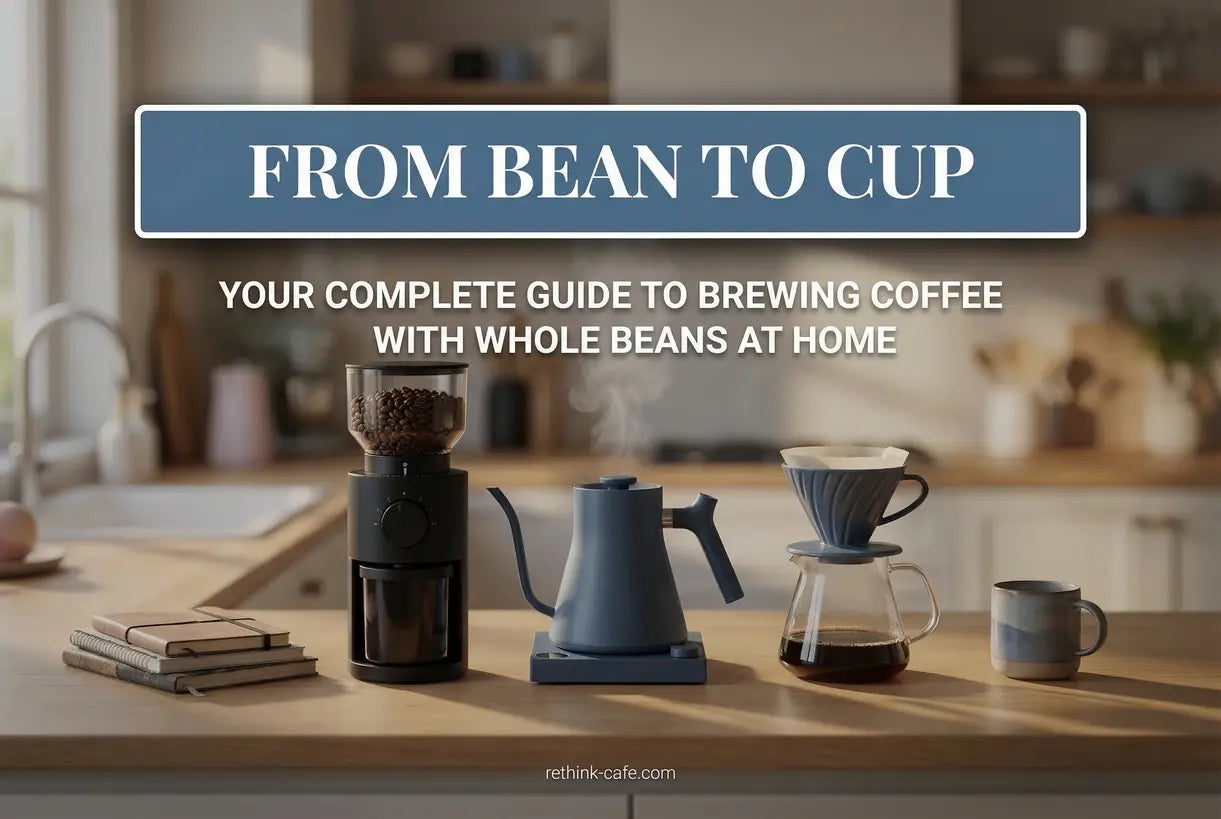
There's a reason coffee shops grind their beans right before brewing. The transformation from whole bean to aromatic cup is where magic truly happens. If you've been buying pre-ground coffee from the grocery store, you're missing out on the full spectrum of flavor that coffee has to offer. Learning how to make coffee with coffee beans at home opens up a world of freshness and customization that pre-ground simply cannot match.
Whether you're a curious beginner ready to upgrade your morning routine or a home barista looking to refine your technique, this guide will walk you through every step of the journey from bean to cup. By the end, you'll understand exactly how many beans you need, the right grind sizes for different brewing methods, and which tools will help you achieve café-quality results in your own kitchen.
Why Whole Bean Coffee Changes Everything
When coffee beans are ground, they immediately begin releasing their volatile aromatic compounds. Within minutes, those delicate oils that give coffee its complex flavor profile start to dissipate. Pre-ground coffee sitting on a shelf has already lost significant flavor potential before it ever reaches your cup.
Whole bean coffee preserves these essential oils inside the protective shell of the bean until the moment you're ready to brew. This means:
- Maximum freshness with every cup you make
- Customizable grind size for any brewing method
- Extended shelf life compared to pre-ground alternatives
- Richer aroma and more nuanced flavor profiles
The journey from whole bean to finished cup isn't complicated, but it does require understanding a few fundamental principles. Let's explore what you need to get started.
What You Need to Brew Coffee from Whole Beans
Before diving into the brewing process, let's clarify the essential equipment for whole bean coffee preparation. You don't need a professional espresso bar to achieve excellent results, but investing in a few key tools will dramatically improve your coffee quality.
Here's the foundation of any good home brewing setup:
- A quality coffee grinder (this is non-negotiable)
- A digital scale for precise measurements
- Your preferred brewing device (pour over, French press, drip machine, etc.)
- Fresh, whole coffee beans stored properly
- Filtered water heated to the right temperature

The grinder is arguably the most critical piece of equipment. A burr grinder crushes beans to a consistent size, while blade grinders chop them unevenly, leading to both over-extraction and under-extraction in the same cup. Consistency is key to unlocking the full potential of your beans.
Step-by-Step Guide: From Bean to Cup
Measuring Your Beans
One of the most common questions new home baristas ask is about proper coffee measurements. The general rule for measuring coffee beans per cup is using a ratio of 1:16 (coffee to water). This translates to approximately:
- 15-18 grams of whole beans per 8-10 oz cup of coffee
- 30 grams for a standard 16 oz mug
- 60 grams for a full 32 oz carafe
These measurements assume whole beans before grinding. Remember that volume measurements (scoops) are notoriously inaccurate because bean density varies by roast level and origin. Dark roasts are lighter and less dense than light roasts, so a scoop of dark roast contains fewer beans than the same scoop of light roast.
Grinding Your Beans
Once measured, it's time to grind. The grind size you need for whole bean coffee depends entirely on your chosen brewing method:
| Brewing Method | Grind Size | Texture Reference |
| Espresso | Fine | Table salt |
| Pour Over (V60, Chemex) | Medium-Fine | Granulated sugar |
| Drip Coffee Machine | Medium | Sand |
| French Press | Coarse | Sea salt or breadcrumbs |
| Cold Brew | Extra Coarse | Coarse sea salt |
The goal is to extract the optimal amount of flavor without introducing bitterness (over-extraction) or sourness (under-extraction). Fine grinds extract quickly and work best with fast methods like espresso. Coarse grinds extract slowly, making them ideal for immersion methods like French press.
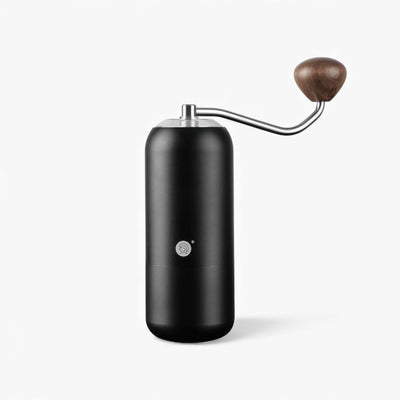
To achieve these precise grind settings consistently, you need a grinder that offers both accuracy and repeatability. The Mechanic E-Grinder Precision Conical Burr Coffee Grinder features 100 precision steps and near-zero retention, ensuring your beans are ground to the exact specification you need, every single morning.

Mechanic E-Grinder Precision Conical Burr Coffee Grinder
$375.90 $650.00
Take command of your grind with 100 precision steps and near-zero retention for fresh, consistent coffee every morning.
Explore ProductThe Importance of Precision
When it comes to brewing coffee from whole beans, precision separates good coffee from exceptional coffee. Eyeballing your measurements might work for casual brewing, but if you want consistent, repeatable results, a digital scale becomes essential.
Do you need a scale to measure coffee beans accurately? While not strictly necessary for casual brewing, a scale with 0.1g accuracy removes all guesswork. You'll know exactly how much coffee and water you're using, allowing you to:
- Replicate your perfect cup every morning
- Adjust ratios precisely when experimenting
- Follow recipes from professional baristas
- Diagnose and fix brewing issues
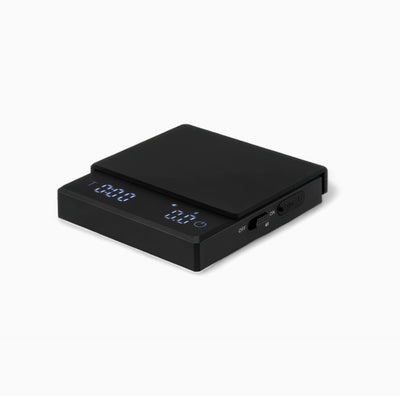
The Precision Digital Coffee Scale with LED Brew Guide offers exactly this level of precision with the added benefit of LED-guided pour over training modes, making it perfect for beginners learning proper technique.
Brewing Methods for Whole Bean Coffee
Now that your beans are measured and ground, it's time to brew. Here are the most popular methods for home coffee brewing:
Pour Over: This manual method gives you complete control over water flow and extraction time. It produces a clean, bright cup that highlights subtle flavor notes in your beans. Methods include V60, Chemex, and Kalita Wave.
French Press: An immersion method where coarse grounds steep in hot water for 4-5 minutes before plunging. This produces a fuller-bodied cup with more oils and sediment.
Drip Machine: Automatic and convenient, modern drip machines with proper temperature control (195-205°F) can produce excellent coffee when paired with fresh grounds.
Espresso: Requires the finest grind and precise pressure (9 bars) to extract concentrated shots. This is the most technically demanding method but produces the most intense flavor.
Common Questions About Brewing with Whole Beans
As you begin your fresh coffee bean brewing journey, certain questions naturally arise. Let's address the most common concerns that home baristas encounter.

Can you make coffee with whole beans without grinding them? Technically yes, but the results are disappointing. Whole beans have very low surface area exposed to water, meaning extraction is extremely slow and inefficient. You would need to steep them for hours and still get weak, under-extracted coffee. Grinding is essential to expose the soluble compounds inside the beans.
How long do whole coffee beans stay fresh? Properly stored in an airtight container away from light, heat, and moisture, whole beans maintain peak freshness for 2-4 weeks after roasting. They remain drinkable for several months but gradually lose their vibrant aromatics. Store them at room temperature, not in the refrigerator or freezer, where condensation can degrade quality.
For a visual walkthrough of these techniques, watch this comprehensive beginner's guide:
According to research published in the Journal of Food Engineering, grinding coffee increases surface area by over 10,000 times compared to whole beans, explaining why proper grinding is so crucial for extraction.
Creating Your Perfect Home Coffee Station
Now that you understand the fundamentals of grinding coffee beans at home and brewing techniques, it's time to consider your complete setup. A well-organized coffee station makes the morning ritual more enjoyable and ensures you have everything at your fingertips.

The ideal home coffee station includes:
- A dedicated area with proper lighting
- Your grinder positioned for easy access
- Scale and brewing equipment within reach
- Bean storage containers that seal airtight
- A kettle with temperature control for precision pouring
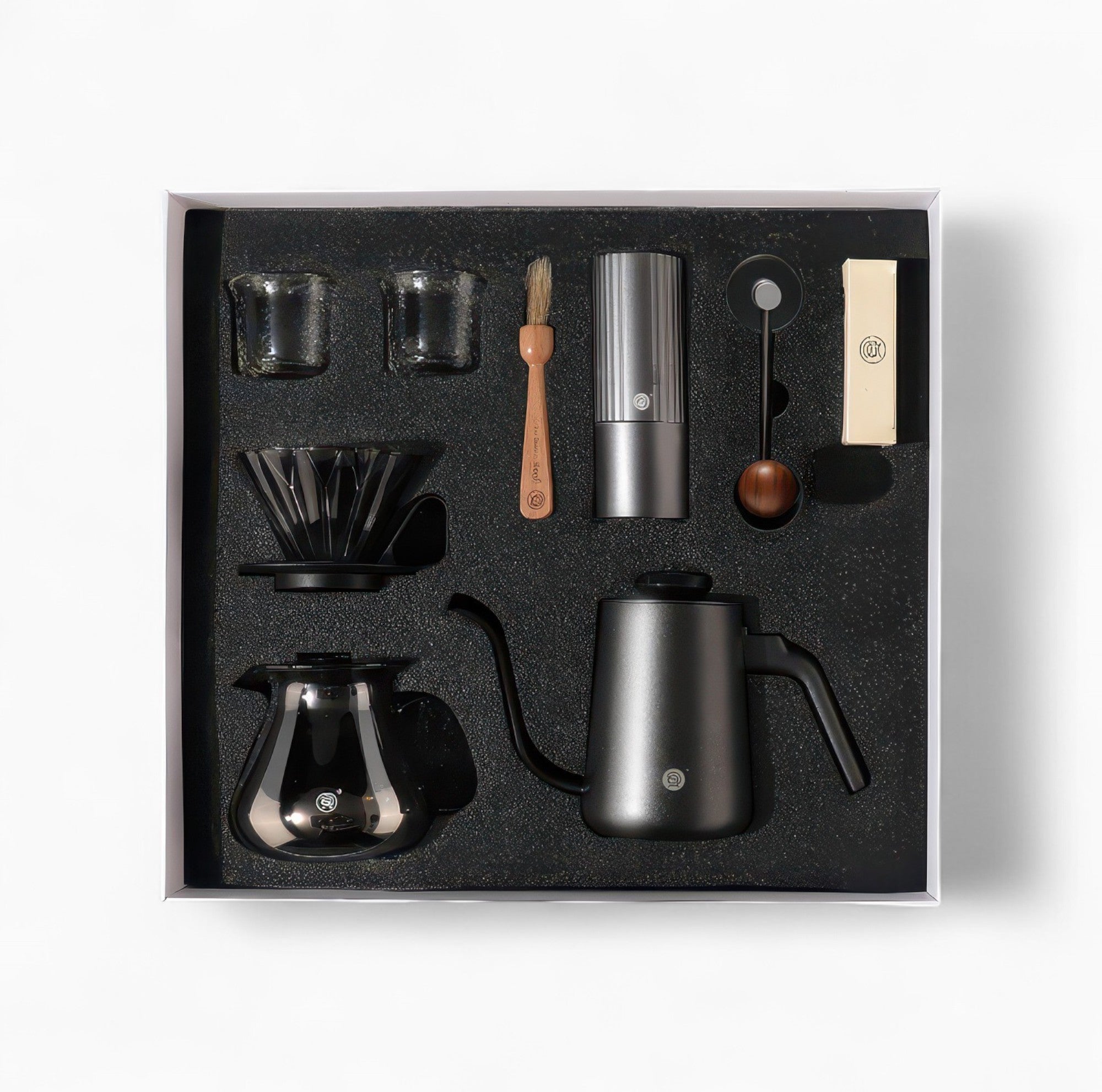
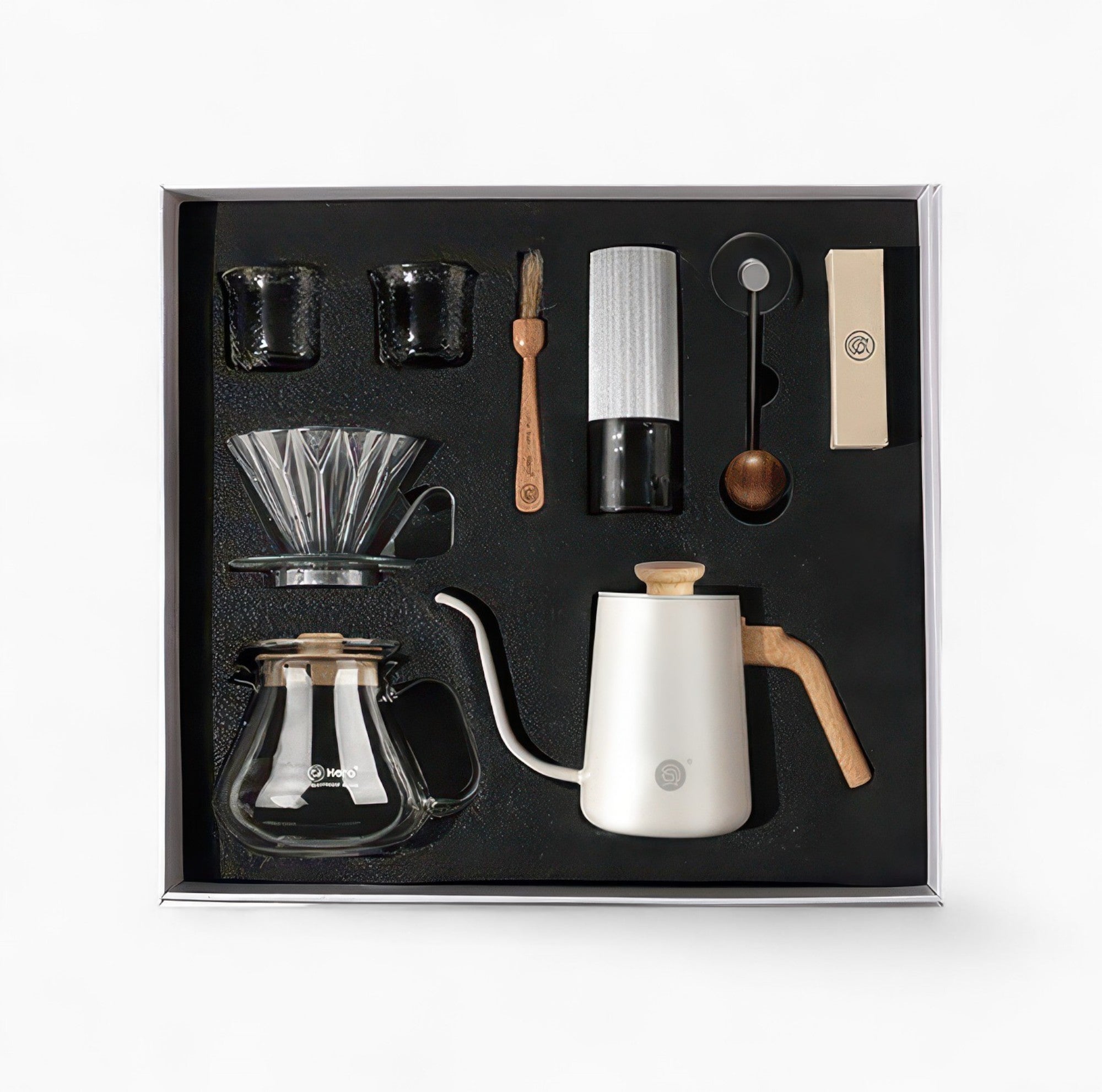
If you're starting from scratch or looking to upgrade your entire setup, consider an all-in-one solution. The Complete Pour Over Coffee Kit with Grinder and Kettle provides everything you need to brew exceptional coffee from whole beans in one comprehensive package.
Essential Tools for Whole Bean Brewing

Precision Digital Coffee Scale with LED Brew Guide
$64.90
$143.00
Achieve perfect coffee ratios every time with 0.1g accuracy and LED-guided pour over training modes. Learn more ➔

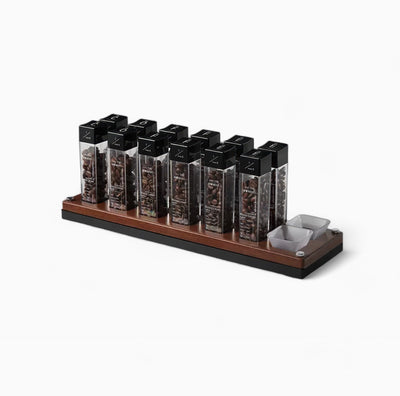
Complete Pour Over Coffee Kit with Grinder and Kettle
$235.90
$360.00
Everything you need to brew exceptional coffee from whole beans - grinder, kettle, and dripper in one complete set. Learn more ➔

Conclusion: Your Journey to Better Coffee Starts with the Bean
Learning how to make coffee with coffee beans transforms your daily ritual from a simple caffeine delivery system into a rewarding sensory experience. By starting with whole beans, measuring precisely, grinding fresh, and using the right equipment, you've taken control of every variable that affects your cup's quality.
The difference between pre-ground and freshly ground whole bean coffee is not subtle—it's dramatic. Once you taste coffee made from beans ground moments before brewing, you'll understand why coffee professionals obsess over freshness and precision.
At Rethink Cafe, we're committed to helping home baristas achieve café-quality results without the café. Our carefully curated selection of grinders, scales, and brewing equipment is designed to remove the barriers between you and exceptional coffee. Whether you're just starting your home barista coffee beans journey or looking to upgrade your existing setup, we have the tools and expertise to support your passion.
Ready to transform your morning cup? Explore our collection of premium coffee equipment and take the first step toward brewing perfection.
Frequently Asked Questions About Brewing Coffee with Whole Beans
Use approximately 15-18 grams of whole beans per 8-10 oz cup of coffee, following a 1:16 coffee-to-water ratio. For a standard 16 oz mug, use about 30 grams. These measurements apply to whole beans before grinding. For consistent results, use a digital scale rather than volume measurements, as bean density varies by roast level.
The grind size depends on your brewing method: use fine grind (table salt texture) for espresso, medium-fine (granulated sugar) for pour over, medium (sand) for drip machines, and coarse (sea salt) for French press. Matching grind size to brewing method ensures proper extraction—too fine causes bitterness, too coarse produces weak, sour coffee.
While not strictly necessary for casual brewing, a digital scale with 0.1g accuracy is highly recommended for consistent, repeatable results. Volume measurements (scoops) are inaccurate because bean density varies by roast level. A scale allows you to follow precise recipes, replicate perfect cups, and diagnose brewing issues by adjusting ratios systematically.
Technically possible but not recommended. Whole beans have minimal surface area exposed to water, requiring hours of steeping to extract any flavor. The result is weak, under-extracted coffee lacking the aromatic oils and soluble compounds that make coffee enjoyable. Grinding increases surface area by over 10,000 times, making it essential for proper extraction.
Properly stored in an airtight container away from light, heat, and moisture, whole coffee beans maintain peak freshness for 2-4 weeks after roasting. They remain drinkable for several months but gradually lose aromatic complexity. Store at room temperature—not in the refrigerator or freezer—where condensation can degrade quality. Buy freshly roasted beans in quantities you'll use within a month.