

Have you ever stared at a bag of most expensive coffee beans priced at $100, $300, or even $600 per pound and wondered if it could possibly be worth it? You're not alone. The world of luxury coffee operates on a completely different plane than your daily supermarket blend, and understanding what drives these prices reveals a fascinating intersection of biology, geography, and craftsmanship.
For the passionate home barista, investing in premium beans represents the pinnacle of the coffee journey. But before you commit to that splurge purchase, you need to know exactly what you're paying for. At Rethink Cafe, we believe that appreciating rare coffee begins with understanding it. In this guide, we'll explore the world's priciest beans, decode what justifies their premium, and show you how to extract every dollar of value from these exceptional coffees.
What Makes Coffee Beans Expensive?
The price tag on exclusive coffee varieties stems from several interconnected factors. Unlike mass-produced commercial coffee, luxury beans often require specialized growing conditions, labor-intensive harvesting, unique processing methods, and extremely limited production volumes.

Key Factors Driving Coffee Prices
- Terroir and altitude: The highest-quality beans often grow at elevations between 1,500 and 2,000 meters, where cooler temperatures slow cherry development and concentrate flavors.
- Limited harvest windows: Some premium varieties produce only a few hundred pounds annually, creating natural scarcity.
- Processing complexity: Methods like wet-hulling, honey processing, or animal-assisted fermentation require significant labor and expertise.
- Hand-picking requirements: Specialty coffee demands selective harvesting of only ripe cherries, sometimes requiring multiple passes through the same trees.
- Competition and awards: Winning Cup of Excellence or Best of Panama competitions can drive auction prices into the stratosphere.
The World's Most Expensive Coffee Varieties
When exploring premium coffee beans, several names consistently appear at auction record prices. Understanding what makes each variety special helps justify their positions in the luxury market.
Kopi Luwak: The Controversial Classic
Kopi Luwak coffee has achieved near-mythical status as the world's most famous expensive bean. Harvested from the droppings of Asian palm civets that consume ripe coffee cherries, this Indonesian coffee undergoes a unique fermentation process in the animal's digestive tract. Proteolytic enzymes break down proteins that contribute to bitterness, resulting in an exceptionally smooth cup with distinctive earthy and chocolate notes.
However, ethical concerns have emerged about the treatment of civets in commercial production. Authentic wild-harvested Kopi Luwak remains rare and commands $100 to $600 per pound, while many commercial versions use caged animals. The video below explores whether this controversial coffee lives up to its legendary reputation:
Panama Geisha: The Record-Breaker
Panama Geisha beans represent the gold standard of modern specialty coffee. Originally from Ethiopia's Gesha region but perfected in Panama's Boquete highlands, this variety consistently shatters auction records. In 2022, a lot sold for over $6,000 per pound at the Best of Panama auction. What justifies this price? Geisha delivers an unparalleled flavor experience—intense jasmine aromatics, bergamot brightness, and tea-like body that bears little resemblance to conventional coffee.

Other Notable Luxury Varieties
| Coffee Variety | Origin | Approximate Price Range | Key Characteristics |
|---|---|---|---|
| St. Helena Coffee | Saint Helena Island | $70-150/lb | Isolated terroir, caramel and citrus notes |
| Blue Mountain | Jamaica | $50-120/lb | Mild, balanced, virtually no bitterness |
| Elida Geisha Natural | Panama | $150-300/lb | Fruity complexity, wine-like finish |
| Esmeralda Special | Panama | $100-350/lb | Multiple award winner, floral intensity |
| Black Ivory Coffee | Thailand | $500+/lb | Elephant-processed, extremely limited |
The Rarity Factor: Why Scarcity Commands Premium
Understanding rare coffee beans requires appreciating how limited production drives value. A typical Panama Geisha farm might produce only 50-100 pounds of exportable green coffee annually. Compare that to Brazil's millions of metric tons, and you begin to understand why luxury coffee operates more like fine wine than commodity agriculture.
This scarcity isn't artificial—it's rooted in biology. Geisha trees produce lower yields than commercial varieties. They require specific microclimates, particular soil compositions, and experienced hands to reach their potential. The result is a coffee that represents perhaps 0.01% of global production, creating natural exclusivity that commands premium pricing.
Are Expensive Coffee Beans Worth It?
The value equation for high-end coffee depends entirely on your perspective and brewing approach. For the casual drinker who adds milk and sugar, luxury beans represent poor value—the subtlety gets lost. But for the dedicated home barista with proper equipment and technique, expensive coffee delivers experiences impossible to replicate with commodity beans.
The Value Proposition: At $5 per cup from a cafe versus $0.50-$2 per cup brewing luxury beans at home, investing in premium coffee and quality equipment often saves money while delivering superior results.
When Premium Beans Make Sense
- You brew black coffee or use minimal additives
- You own a capable grinder and precision brewing equipment
- You can taste and appreciate subtle flavor differences
- You view coffee as an experience rather than just caffeine delivery
- You want to understand the upper limits of what coffee can be
How to Brew Luxury Coffee at Home
Investing in expensive coffee beans demands respect for proper preparation. These beans reveal their complexity through precision, and even slight errors in dosing, grind size, or temperature can mask their distinctive characteristics.

Essential Brewing Principles for Premium Beans
Start with the fundamentals: use filtered water heated to 195-205°F, maintain consistent ratios between 1:15 and 1:17 (coffee to water), and grind immediately before brewing. For delicate varieties like Geisha, pour-over methods often reveal more nuance than immersion brewing. The paper filter clarity allows floral and fruity notes to shine without the body muddling the experience.
Timing matters significantly. Most premium beans peak flavor 7-14 days post-roast, and their volatile aromatics begin degrading within minutes of grinding. This is why serious enthusiasts invest in equipment that preserves freshness and enables precise measurement.
Protecting Your Investment: Proper Storage
When you've spent $100 or more on rare coffee, storage becomes critical. Oxygen, light, moisture, and temperature fluctuations rapidly degrade even the finest beans. Traditional bags with one-way valves help, but for the ultimate preservation of specialty coffee beans, single-dose storage represents the gold standard.
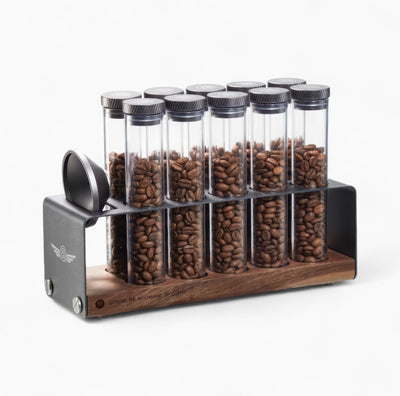
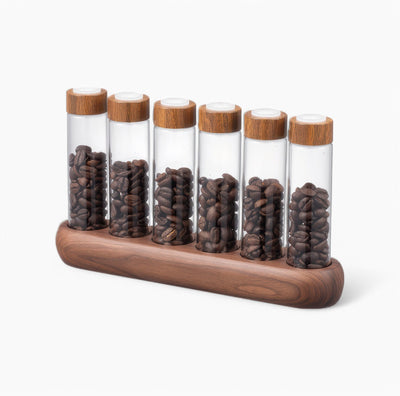
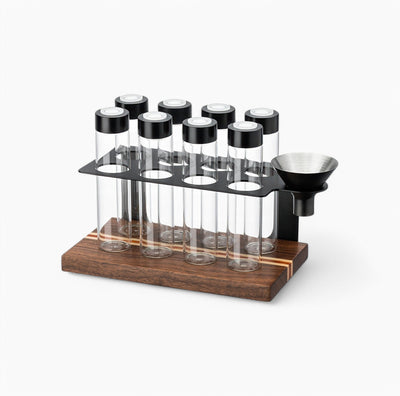
The Coffee Bean Storage Tubes with One Way CO2 Valve offer a sophisticated solution for preserving your premium purchases. Unlike larger containers that expose remaining beans to air each time you open them, these single-dose tubes let you portion your expensive coffee and keep every gram as fresh as the day it was roasted.

Coffee Bean Storage Tubes with One Way CO2 Valve
$12.90 $22.00
Preserve your expensive coffee beans with single-dose storage tubes featuring CO2 valves to keep every gram as fresh as the day it was roasted.
Explore ProductThe Equipment That Makes a Difference
Beyond storage, extracting maximum value from luxury coffee requires precision tools. Inconsistent dosing can ruin an expensive shot of espresso, while poor grind uniformity leads to uneven extraction that wastes premium beans. The equipment you use should match the quality of what you're brewing.
Consider the Walnut Wood Precision Coffee Scale for achieving barista-grade accuracy in your home setup. With 0.1g precision, this gorgeous solid walnut scale ensures you dose your premium beans perfectly every time—critical when each gram represents significant value.
For grinding, the Mechanic E-Grinder Precision Conical Burr Coffee Grinder unlocks the full potential of expensive beans. Its 100 adjustment steps and near-zero retention mean you can dial in the perfect grind for any brewing method while preserving every precious gram of your investment.
Precision Equipment for Premium Coffee

Walnut Wood Precision Coffee Scale 0.1g Accuracy
$39.90
$93.00
Achieve barista-grade accuracy with this gorgeous solid walnut scale featuring 0.1g precision for perfect dosing of premium coffee beans. Learn more ➔

Mechanic E-Grinder Precision Conical Burr Coffee Grinder
$375.90
$650.00
Unlock the full potential of expensive beans with this precision grinder featuring 100 adjustment steps and near-zero retention for maximum freshness. Learn more ➔
Pro Tip: When brewing expensive beans for the first time, start with a slightly lower dose than usual. Premium coffees often have more intense flavors, and a standard dose might overwhelm your palate. You can always adjust upward on subsequent brews.
Conclusion: The True Value of Luxury Coffee
The world of most expensive coffee beans offers more than just status symbols—it represents the pinnacle of what coffee agriculture can achieve. From the unique processing of Kopi Luwak to the floral perfection of Panama Geisha, these beans justify their prices through genuine rarity, exceptional labor practices, and flavor experiences unavailable at any lower price point.
For the home barista ready to explore these heights, success depends on treating premium beans with the respect they deserve. Proper storage preserves their volatile aromatics. Precision equipment extracts their full potential. And thoughtful brewing technique reveals why connoisseurs worldwide consider these coffees worth every penny.
At Rethink Cafe, we're dedicated to helping you make the most of every coffee experience—from your daily cup to once-in-a-lifetime luxury beans. The journey from commodity coffee to these exceptional varieties reveals just how complex and rewarding this beverage can be. When you're ready to protect your investment and brew with confidence, our curated selection of precision equipment stands ready to elevate your home barista setup.
Frequently Asked Questions about Expensive Coffee Beans
Panama Geisha beans currently hold the record for the most expensive coffee, with auction prices regularly exceeding $1,000 per pound. The highest recorded price came in 2022 when a lot of Geisha coffee sold for over $6,000 per pound at the Best of Panama auction. These beans command such prices due to their exceptional flavor complexity, extreme rarity, and consistent competition wins.
Kopi Luwak coffee is expensive due to its unique production process involving Asian palm civets. These animals selectively eat ripe coffee cherries, and the beans undergo fermentation in their digestive tracts before being collected from their droppings. This process requires significant labor to find and clean the beans, and authentic wild-sourced Kopi Luwak is extremely rare. Prices range from $100 to $600 per pound, though ethical concerns about animal treatment have emerged in commercial production.
Several factors drive coffee bean prices: limited production volume and natural scarcity, specialized growing conditions at high altitudes, labor-intensive harvesting and processing methods, unique or animal-assisted fermentation processes, competition wins and awards that increase demand, and meticulous quality control that rejects imperfect beans. Premium beans often require hand-picking, special processing, and represent less than 1% of global coffee production.
Expensive coffee beans are worth the investment for enthusiasts who brew black coffee, own quality equipment, and can appreciate subtle flavor differences. For casual drinkers who add milk and sugar, the nuances get lost and represent poor value. However, home brewing expensive beans typically costs $0.50-$2 per cup versus $5+ at cafes, making it economical for those with proper equipment. The key is matching your brewing capability to the beans' potential.
Black Ivory Coffee from Thailand is considered among the rarest, with annual production limited to just a few hundred pounds. Similar to Kopi Luwak but using elephants instead of civets, these beans undergo digestive fermentation before careful collection and processing. Panama Geisha from specific micro-lots is also exceptionally rare, with some farms producing only 50-100 pounds annually. St. Helena coffee from the remote South Atlantic island represents another extremely limited variety.


