Imagine paying upwards of \$600 per pound for coffee beans that have traveled through an animal's digestive system. It sounds unbelievable, yet coffee made from poop beans represents one of the most fascinating—and expensive—niches in the specialty coffee world. From the tropical forests of Indonesia to the elephant sanctuaries of Thailand, these rare beverages like Kopi Luwak and Black Ivory Coffee command extraordinary prices and capture the curiosity of coffee enthusiasts worldwide.
Whether you're a seasoned home barista or simply curious about what makes animal processed coffee so special, understanding the science, ethics, and proper brewing techniques behind these unique beans will transform how you view your morning cup. At Rethink Cafe, we believe that extraordinary beans deserve equally exceptional brewing equipment to unlock their full potential.
What Exactly Are Animal-Processed Coffee Beans?
Animal processed coffee, often called dung coffee beans, refers to coffee cherries that have been eaten by specific animals, fermented in their digestive tracts, and then excreted. Farmers collect these beans from the animals' droppings, thoroughly wash and sterilize them, then roast them to create a beverage with remarkably distinct flavor characteristics.

The process isn't as unhygienic as it initially sounds. The beans themselves are the pits of coffee cherries, protected by multiple layers of fruit pulp and skin during their journey through the animal. Once collected, producers subject the beans to rigorous cleaning procedures followed by high-temperature roasting (typically between 350-450°F), which eliminates any potential pathogens while developing the complex flavor profile that enthusiasts pay premium prices to experience.
From Civets to Elephants: The Most Coveted Varieties
While several animals produce these specialty beans, two varieties dominate the market due to their distinct flavor profiles and the ethical way they're produced.
Kopi Luwak: The Original Cat Poop Coffee
The most famous variety, Kopi Luwak (also known as civet coffee or weasel coffee), originates from the Asian palm civet, a cat-like mammal native to Southeast Asia. These nocturnal creatures naturally select the ripest, sweetest coffee cherries, instinctively choosing higher-quality fruit than mechanical harvesting often captures.

During the 12-24 hours the beans spend in the civet's digestive system, proteolytic enzymes break down the proteins that typically make coffee bitter. The result? A remarkably smooth cup with hints of chocolate, caramel, and subtle earthy notes—characteristics that have made cat poop coffee beans legendary among connoisseurs.
Black Ivory: Elephant-Processed Luxury
Produced in Thailand, Black Ivory Coffee involves elephant poop coffee beans that undergo a similar but extended transformation. Elephants consume Thai Arabica cherries, and the beans ferment in their digestive systems for up to 72 hours—three times longer than with civets. This extended fermentation, combined with the elephant's herbivorous diet, creates an exceptionally mild, floral brew with almost no bitterness, often described as having notes of malt, milk chocolate, and hints of spice. The limited production—only about 150 kilograms annually—makes this one of the world's rarest coffees.
The Science Behind the Unique Flavor Profile
The magic of these specialty coffees lies in biochemistry. When animals consume coffee cherries, their stomach acids and digestive enzymes begin breaking down the bean's proteins into shorter peptides and free amino acids. This process reduces the concentration of caffeine and eliminates many of the acidic compounds responsible for coffee's typical bitterness.
Research published in food science journals confirms that unique fermentation process alters the bean's chemical composition at a molecular level. The resulting cup typically exhibits lower acidity, a heavier body, and a distinctively smooth finish compared to traditionally processed beans from the same harvest. This scientific transformation explains why even coffee purists who might balk at the origin story find themselves captivated by the taste once they overcome the initial hesitation.
Safety and Ethical Considerations
A common concern among potential consumers centers on safety—and rightfully so. However, properly processed coffee made from poop beans undergoes the same rigorous cleaning and high-temperature roasting that kills any bacteria or pathogens. The roasting process reaches temperatures far exceeding 350°F, effectively sterilizing the beans while developing their flavor.
Ethics, however, present a more complex issue. The surge in demand for Kopi Luwak led to industrial farming practices where civets are captured and kept in battery-cage conditions, force-fed coffee cherries, and denied their natural diet and behaviors. Ethical consumers should seek out wild-sourced civet coffee certified by organizations that verify the animals roam freely and that beans are collected from their natural habitat rather than cruel farming operations.

Why These Specialty Beans Command Premium Prices
Several factors contribute to the astronomical prices—ranging from \$100 to \$600 per pound—of these coffees. First, supply remains extremely limited. Collecting beans requires following animals through forests or searching through elephant dung, making production labor-intensive and unpredictable. Second, the unique fermentation process creates a flavor profile impossible to replicate mechanically.

Additionally, the luxury market's appetite for exclusive experiences drives demand among collectors and curious coffee enthusiasts willing to pay for novelty. When you invest in animal processed coffee, you're paying for rarity, labor-intensive collection, and a taste profile that conventional processing simply cannot achieve.
The Art of Brewing Animal-Processed Coffee at Home
Given the investment these beans represent, proper brewing technique becomes crucial. These delicate, smooth beans require precision to extract their nuanced flavors without introducing bitterness or over-extraction that would mask their unique characteristics.
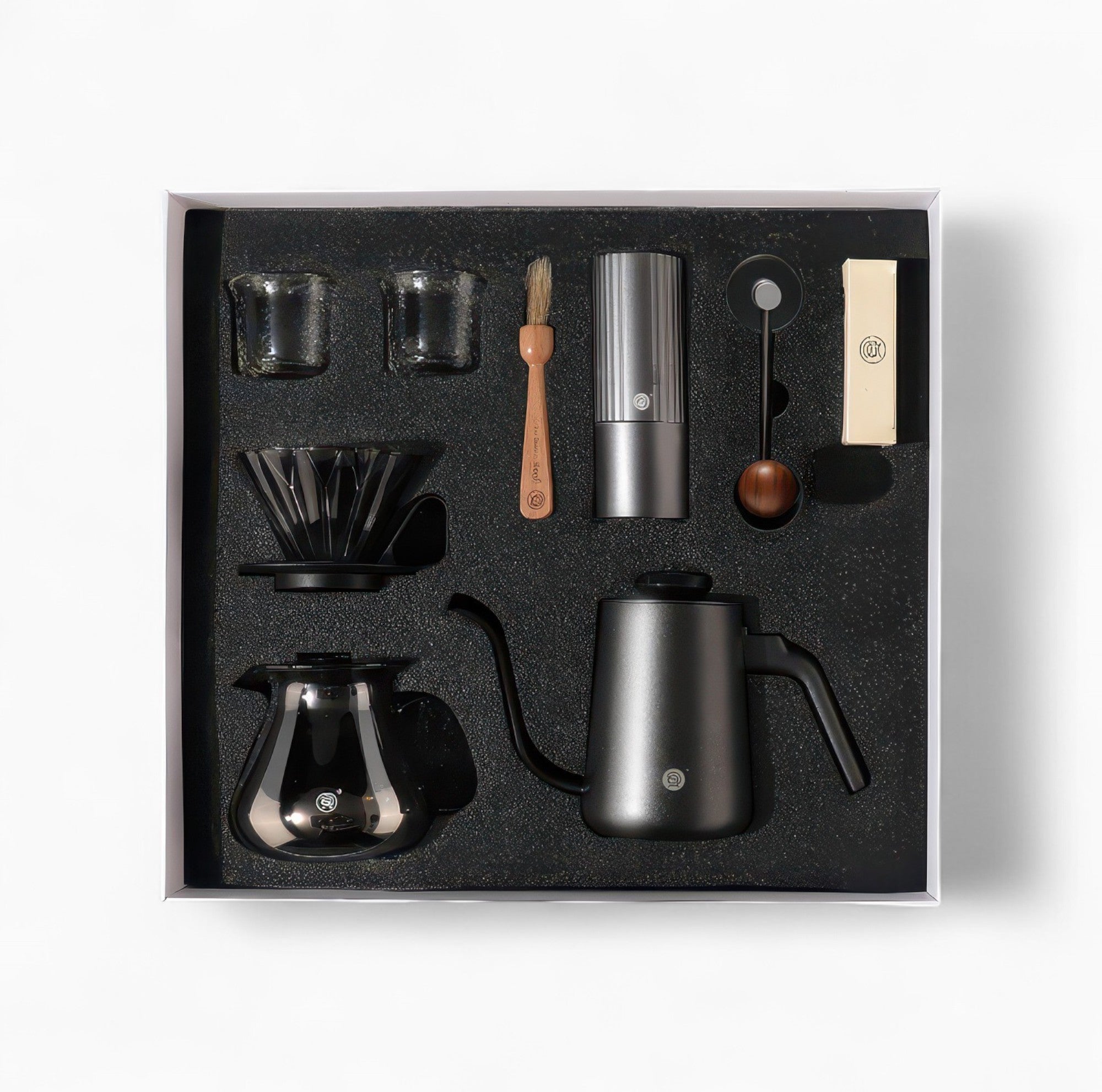
For pour over methods that highlight the subtle floral and chocolate notes, the Complete Pour Over Coffee Kit with Grinder and Kettle provides everything needed for optimal extraction. The precision grinder ensures consistent particle size—critical for these expensive beans—while the temperature-controlled kettle maintains the exact heat needed to extract the complex sugars developed during the animal's digestion process.

Complete Pour Over Coffee Kit with Grinder and Kettle
$235.90 $360.00
Brew specialty animal-processed beans to perfection with this complete pour over kit featuring precision grinder and temperature-controlled kettle for optimal extraction.
Explore ProductAlternatively, espresso preparation concentrates the unique flavor compounds into an intense, syrupy shot that showcases the reduced acidity and enhanced sweetness. Achieving the perfect extraction requires professional-grade tools that maintain consistent pressure and distribution.
Professional Equipment for Premium Beans

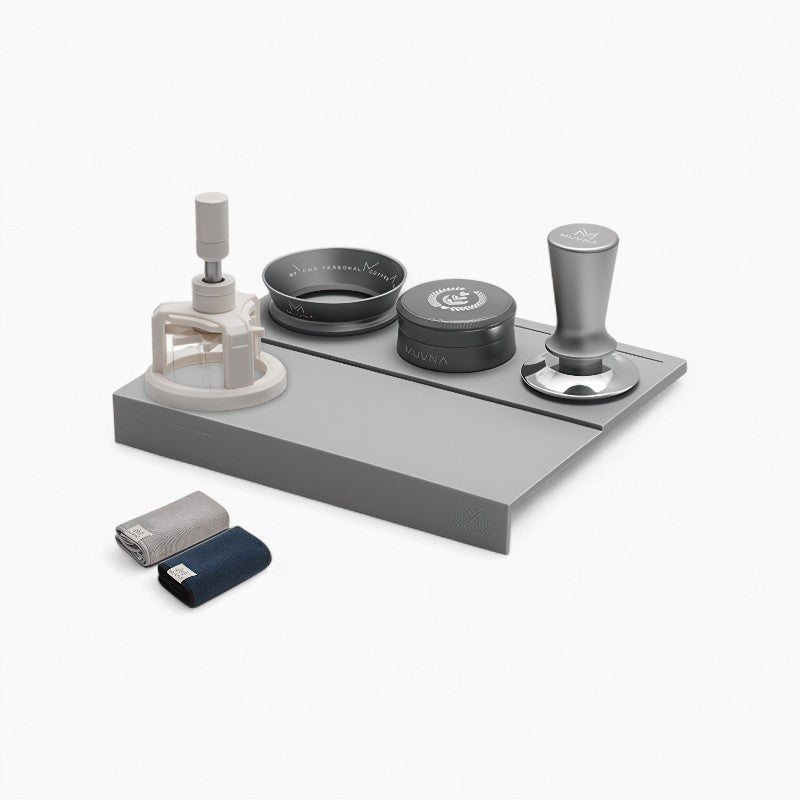
Professional Barista Starter Kit with Tamper and WDT
$139.90
$260.00
Master espresso preparation with this 5-piece kit including constant pressure tamper and WDT tool for perfectly extracted shots of premium beans. Learn more ➔

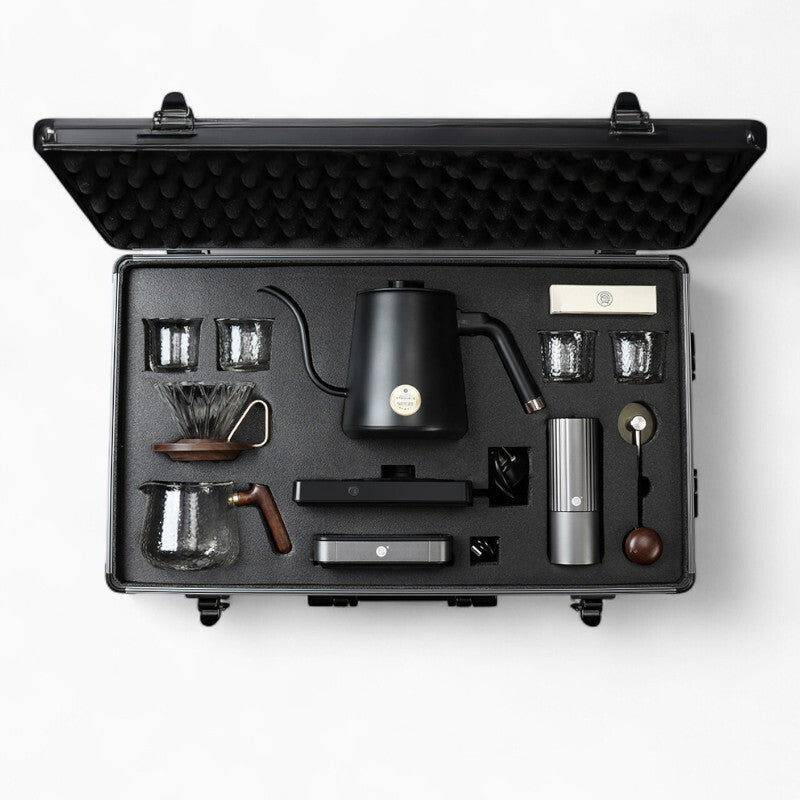
Professional Pour Over Coffee Kit with Grinder and Kettle
$445.90
$743.00
Take your brewing on the road with this portable professional kit featuring award-winning Z7 grinder and precision temperature control for exceptional results anywhere. Learn more ➔
The Professional Barista Starter Kit with Tamper and WDT delivers the consistency required for these luxury beans, featuring a constant pressure tamper and WDT tool that ensure even water distribution through the puck. For those who refuse to compromise on their brewing experience even while traveling, the Professional Pour Over Coffee Kit with Grinder and Kettle offers award-winning grinding capabilities and precise temperature control in a portable format.
Conclusion
Coffee made from poop beans represents the intersection of nature, science, and luxury in the coffee world. Whether you choose to splurge on Kopi Luwak, sample the rare floral notes of Black Ivory, or simply appreciate learning about these unique processing methods, understanding how animal digestion transforms coffee chemistry deepens your appreciation for this remarkable beverage.
When you do invest in these extraordinary beans, remember that the brewing equipment matters just as much as the beans themselves. At Rethink Cafe, we provide the precision tools that serious coffee enthusiasts need to honor the rarity and unique character of animal processed coffee. From temperature-controlled kettles to professional-grade grinders, having the right equipment ensures that every expensive cup delivers the smooth, complex experience you're paying for.
Frequently Asked Questions about Animal-Processed Coffee
Coffee made from poop beans refers to specialty coffee beans that have been eaten by animals like civet cats or elephants, fermented in their digestive tracts, and then excreted. The beans are collected from the animal droppings, thoroughly cleaned, and roasted. This process, known as animal processing, creates unique flavor profiles with reduced acidity and enhanced smoothness due to the enzymatic breakdown that occurs during digestion.
Yes, Kopi Luwak coffee is safe to drink when properly processed. The beans undergo rigorous washing and cleaning procedures followed by high-temperature roasting (350-450°F), which effectively sterilizes them and eliminates any potential pathogens. The coffee cherry's natural structure protects the inner bean during digestion, and the roasting process ensures the final product meets food safety standards.
The primary animals that produce poop coffee are the Asian palm civet (which creates Kopi Luwak or civet coffee) and elephants (which produce Black Ivory coffee). Other animals occasionally used include certain species of monkeys and birds. Civets create the most common variety, while elephant-processed coffee is rarer and more expensive due to the extended fermentation time and limited production quantities.
Civet cat coffee commands high prices (ranging from \$100 to \$600 per pound) due to several factors: limited supply as producers must collect beans from wild or farmed civets rather than traditional harvesting; labor-intensive collection processes; the unique enzymatic fermentation that occurs in the civet's digestive system creating a flavor profile impossible to replicate mechanically; and strong demand from luxury markets seeking exclusive coffee experiences.
Black Ivory coffee is produced when elephants in Thailand consume high-quality Arabica coffee cherries. The beans undergo fermentation in the elephant's digestive system for up to 72 hours—three times longer than civet processing. During this time, the beans' proteins break down while interacting with other foods in the elephant's herbivorous diet. Workers then collect the dung, extract the beans, wash them thoroughly, and roast them to create an exceptionally mild, floral coffee with notes of malt, chocolate, and spice.