
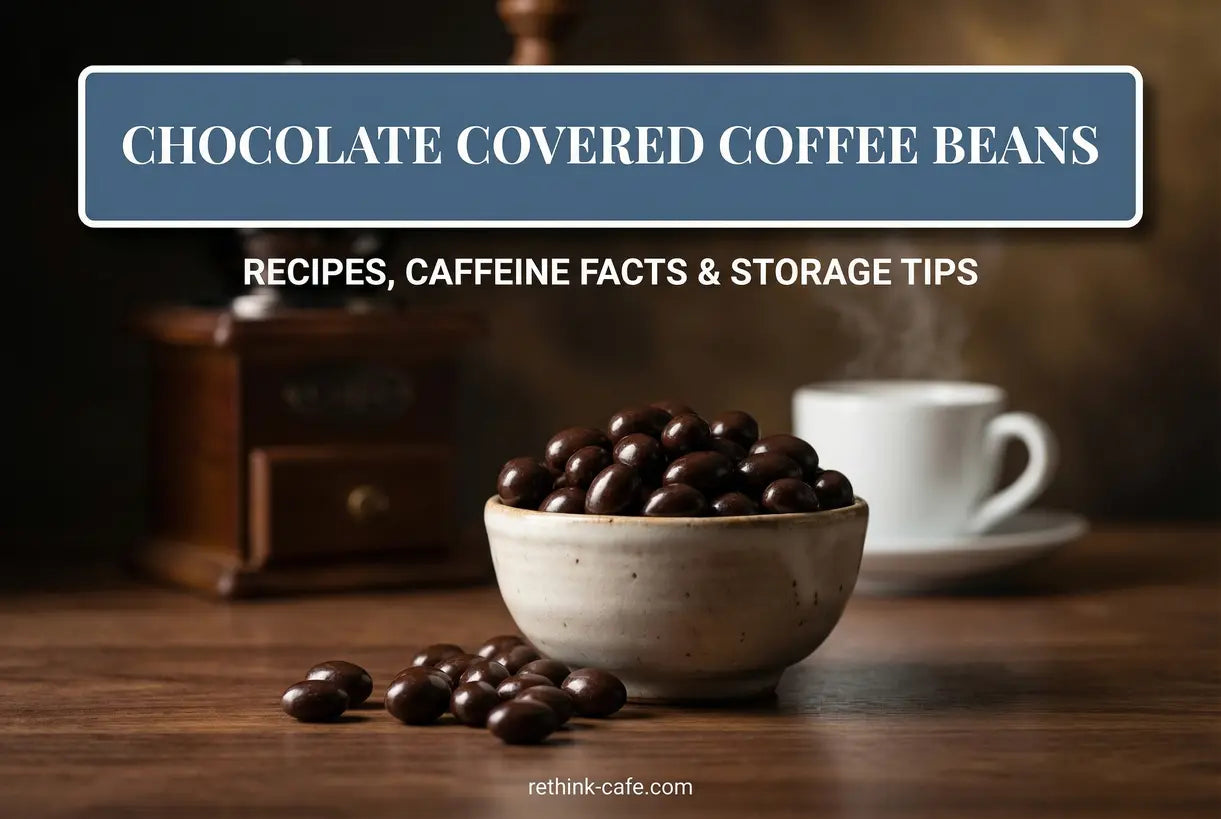
There's something undeniably irresistible about the combination of rich, creamy chocolate and bold, aromatic coffee. Chocolate covered coffee beans represent the ultimate fusion of two beloved indulgences, delivering a satisfying crunch followed by a smooth melt and an energizing kick that keeps you reaching for more. Whether you're seeking a midday pick-me-up, a sophisticated after-dinner treat, or a unique gift for the coffee lover in your life, these bite-sized delights check every box.
In this comprehensive guide, we'll explore everything you need to know about this popular snack—from understanding exactly how much caffeine you're consuming to mastering the art of making them at home. We'll also cover proper storage techniques to maintain freshness and discuss why dark chocolate varieties have gained such a devoted following. By the end, you'll understand why quality storage solutions from Rethink Cafe can elevate your chocolate coffee bean experience from good to exceptional.
Do Chocolate Covered Coffee Beans Have Caffeine?
The short answer is yes—chocolate covered coffee beans absolutely contain caffeine. In fact, they're one of the most concentrated sources of edible caffeine available. The caffeine comes from two sources: the coffee bean itself and the chocolate coating (particularly if it's dark chocolate).
When you bite into a chocolate covered espresso bean, you're consuming the entire roasted coffee bean, not just an extraction like in brewed coffee. This means you're ingesting all the natural caffeine content that would typically be dispersed throughout an entire cup of joe. The chocolate coating adds a smaller but notable additional caffeine boost, with dark chocolate containing more caffeine than milk or white varieties.
For coffee enthusiasts who appreciate the ritual of preparation, proper storage becomes essential when handling these potent treats. Keeping them fresh and properly organized ensures every bite delivers that perfect crunch and flavor profile you expect.
How Much Caffeine Is In Chocolate Covered Coffee Beans?
Understanding caffeine content helps you enjoy these treats responsibly while maximizing their energizing benefits. Here's the breakdown you need to know:
| Type | Caffeine Content |
|---|---|
| Single chocolate covered coffee bean | 3-5 mg |
| 1 ounce serving (approx. 28 beans) | 84-140 mg |
| Dark chocolate coating (additional) | 2-4 mg per bean |
| Standard cup of brewed coffee (8 oz) | 95 mg |
As you can see, a small handful of chocolate covered espresso beans can deliver caffeine comparable to your morning cup. However, the absorption rate differs—eating caffeine provides a more gradual release compared to drinking it, potentially offering sustained energy without the jitters associated with rapid caffeine spikes.
The actual caffeine content varies based on several factors including the coffee bean variety (Robusta contains nearly double the caffeine of Arabica), roast level (lighter roasts retain more caffeine), and chocolate percentage. For those tracking their intake, dark chocolate varieties typically pack the biggest punch.
How to Make Chocolate Covered Coffee Beans at Home
Creating your own homemade chocolate coffee beans is surprisingly simple and allows you to customize the chocolate type, sweetness level, and even experiment with flavor infusions. The process requires minimal equipment but rewards you with fresher, more flavorful results than most store-bought alternatives.

Here's a straightforward approach to crafting your own batch:
- Select your beans: Start with high-quality whole roasted coffee beans. Medium to dark roasts work best as they complement the chocolate without overpowering it.
- Choose your chocolate: Dark chocolate (60-70% cacao) provides the best balance of flavor and health benefits, though milk chocolate works for those preferring a sweeter profile.
- Temper the chocolate: Melt your chocolate slowly using a double boiler, maintaining a temperature between 88-90°F for dark chocolate or 86-88°F for milk chocolate.
- Coat the beans: Drop handfuls of beans into the melted chocolate, stirring gently to ensure even coverage.
- Cool and set: Remove coated beans with a fork, allowing excess chocolate to drip off before placing them on parchment paper to harden.
For visual learners, this step-by-step demonstration shows just how effortless the process can be:
Once you've mastered the basic recipe, consider experimenting with white chocolate drizzle, cocoa powder dusting, or even espresso powder coatings for an extra coffee kick.
Are Dark Chocolate Coffee Beans Better Than Milk Chocolate?
The debate between dark chocolate versus milk chocolate covered coffee beans ultimately comes down to personal preference, though dark chocolate varieties offer distinct advantages that have made them increasingly popular among health-conscious consumers.

Dark chocolate coffee beans typically contain:
- Higher antioxidant levels: Dark chocolate is rich in flavonoids, which may support heart health and reduce inflammation
- Less sugar: Lower sugar content means less sweetness but a more authentic coffee flavor experience
- More caffeine: The higher cacao percentage contributes additional natural caffeine
- Sophisticated flavor profile: The bitterness of dark chocolate complements the roasted notes of coffee beans exceptionally well
Milk chocolate varieties, while sweeter and more approachable for casual snacking, often mask the nuanced flavors of quality coffee beans with their high sugar content. However, they remain an excellent entry point for those new to chocolate-covered coffee beans.
Regardless of your chocolate preference, the storage requirements remain the same. Both varieties are susceptible to temperature fluctuations and humidity, which can cause blooming (white streaks on the chocolate surface) or flavor degradation.
How Long Do Chocolate Covered Coffee Beans Last?
When stored properly, chocolate covered coffee beans maintain peak quality for approximately 2-4 weeks at room temperature. However, with optimal storage conditions, they can remain edible for up to 6 months—though the flavor and texture will gradually decline over time.
Several factors affect longevity:
- Air exposure: Oxygen degrades both the coffee oils and chocolate quality
- Humidity: Moisture causes chocolate to develop bloom and coffee beans to stale faster
- Temperature: Heat melts chocolate; cold can cause condensation when removed
- Light: Direct sunlight damages chocolate and accelerates coffee oil rancidity
This is where proper storage solutions become invaluable. For the home barista who takes their coffee seriously, investing in quality storage containers isn't just about organization—it's about preserving the integrity of every component in your coffee ritual, including your chocolate treats.
Essential Storage Solutions for Chocolate Coffee Beans
Proper storage transforms your chocolate covered coffee beans from a quick snack that loses freshness within days to a lasting treat you can enjoy at peak quality for weeks. Since these delicate morsels combine two ingredients that both degrade quickly when exposed to air, light, and moisture, specialized storage becomes essential.

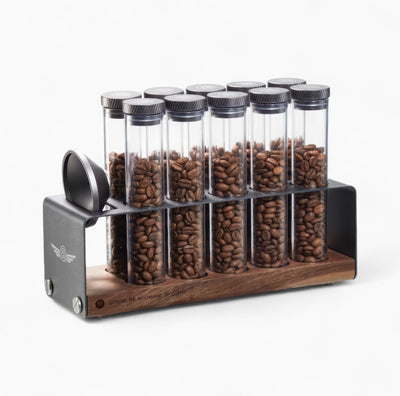
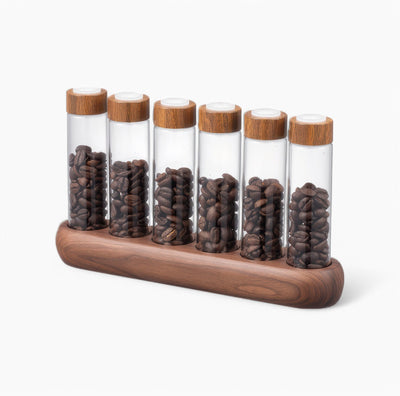
Coffee Bean Storage Tubes With Walnut Display Base
$34.90 $67.00
Store your chocolate coffee beans in elegant glass tubes with a walnut wood base. Perfect for organizing and displaying your treats.
Explore ProductThe Coffee Bean Storage Tubes With Walnut Display Base offers an elegant solution that combines functionality with aesthetic appeal. These glass tubes allow you to see your chocolate coffee beans at a glance while the walnut wood base adds a touch of sophistication to any kitchen counter or coffee station. The individual tube design lets you portion your treats and maintain freshness for each serving.
For those prioritizing maximum freshness preservation, consider these additional storage options:
Professional-Grade Storage Solutions

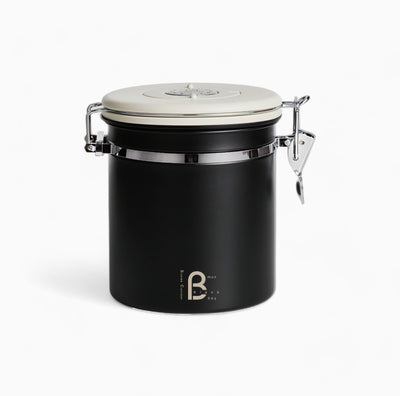
Airtight Coffee Bean Canister with CO2 Valve
$37.90
$63.00
Keep your chocolate covered coffee beans fresh longer with this stainless steel canister featuring a one-way CO2 exhaust valve. Learn more ➔

Glass Coffee Bean Storage Tubes with Degassing Valve
$62.90
$122.00
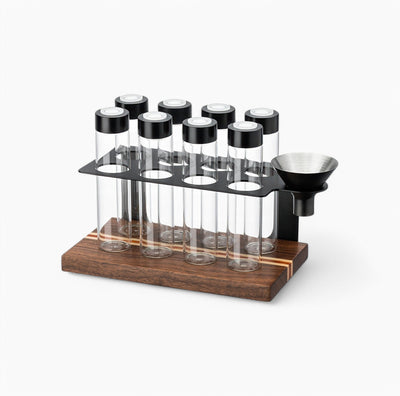
Preserve your chocolate coffee bean freshness with lab-grade glass tubes featuring built-in degassing valve technology. Learn more ➔
The Airtight Coffee Bean Canister with CO2 Valve features innovative one-way exhaust technology that allows naturally occurring CO2 to escape while preventing oxygen from entering—critical for preserving the volatile oils in both coffee and chocolate. Meanwhile, the Glass Coffee Bean Storage Tubes with Degassing Valve combines lab-grade clarity with professional degassing technology, allowing you to monitor your treats while maintaining optimal atmospheric conditions inside.
Finding the Best Chocolate Covered Coffee Beans
While making your own chocolate covered coffee beans at home offers satisfaction and customization, sometimes you want the convenience of professionally crafted treats. When shopping for the best chocolate covered coffee beans, look for these quality indicators:
- Single-origin coffee beans: These offer distinct flavor profiles based on their growing region
- High-quality chocolate: Look for real cocoa butter rather than vegetable oil-based coatings
- Fresh roast dates: The underlying coffee beans should be recently roasted for optimal flavor
- Artisan producers: Smaller batch producers typically maintain stricter quality control
Once you've invested in quality chocolate covered espresso beans—whether homemade or purchased—protecting that investment with proper storage is non-negotiable. The combination of premium ingredients deserves premium storage solutions.

Conclusion
Chocolate covered coffee beans offer a unique combination of indulgence and utility—the pleasure of fine chocolate with the functional benefits of caffeine. Whether you're drawn to them for the energy boost, the sophisticated flavor pairing, or the sheer convenience of an on-the-go treat, understanding caffeine content, mastering homemade recipes, and implementing proper storage practices ensures you get the most from every bite.
As a home barista, you already understand that great coffee experiences depend on attention to detail at every stage. The same principle applies to these delightful confections. From selecting quality ingredients to storing them in specialized containers that preserve their freshness, every decision impacts your final experience.
Rethink Cafe specializes in equipping coffee enthusiasts with the tools and accessories needed to elevate every aspect of their coffee journey—including proper storage for treats like chocolate covered coffee beans. Our curated selection of storage solutions, from elegant glass display tubes to professional-grade canisters with CO2 valves, ensures your coffee-related treats stay as fresh as the day you made or purchased them.
Frequently Asked Questions about Chocolate Covered Coffee Beans
Yes, chocolate covered coffee beans contain caffeine from two sources: the coffee bean itself and the chocolate coating. A single bean typically contains 3-5 mg of caffeine from the coffee plus an additional 2-4 mg if coated in dark chocolate. This makes them one of the most concentrated edible sources of caffeine available.
A single chocolate covered coffee bean contains approximately 3-5 mg of caffeine from the coffee bean plus 2-4 mg from dark chocolate coating, totaling 5-9 mg per bean. A typical 1-ounce serving (about 28 beans) delivers 84-140 mg of caffeine, comparable to an 8-ounce cup of brewed coffee. The exact amount depends on the bean variety, roast level, and chocolate percentage.
To make chocolate covered coffee beans at home: 1) Select high-quality whole roasted coffee beans, preferably medium to dark roast. 2) Temper your chosen chocolate (dark chocolate at 88-90°F or milk chocolate at 86-88°F). 3) Drop beans into melted chocolate and stir for even coating. 4) Remove with a fork, allowing excess to drip off. 5) Place on parchment paper to harden. The process requires only chocolate and coffee beans as ingredients.
Dark chocolate coffee beans are generally considered superior for several reasons: they contain higher antioxidant levels, less sugar, more caffeine, and offer a more sophisticated flavor profile that complements the roasted coffee notes. However, milk chocolate varieties are sweeter and may be preferred by those who enjoy a less intense taste. The choice ultimately depends on personal preference and whether you prioritize health benefits or sweetness.
Chocolate covered coffee beans last 2-4 weeks at room temperature when stored properly in an airtight container away from light and moisture. With optimal storage conditions—such as using specialized canisters with CO2 valves or degassing technology—they can remain edible for up to 6 months, though peak flavor and texture will gradually decline. Refrigeration is not recommended as it causes condensation when removed, leading to blooming and texture issues.


