

Have you ever looked at your bag of specialty coffee and wondered, can you eat coffee beans directly? Perhaps you've heard about chocolate-covered espresso beans and questioned whether eating the whole bean offers any real benefits. As coffee enthusiasts, we've all been there—curious about the very source of our daily ritual.
This guide dives deep into coffee bean consumption, exploring everything from nutritional benefits to potential risks, caffeine content comparisons between eating roasted coffee beans versus drinking them, and exactly how many are safe to enjoy. Whether you're a seasoned home barista or simply coffee-curious, understanding the full picture will help you make informed decisions about your coffee habits.
Is It Safe to Eat Coffee Beans?
Let's address the most pressing question first: are coffee beans safe to eat? The definitive answer is yes, coffee beans are indeed edible and safe for human consumption in moderate amounts. However, like many foods, the way they're prepared and the quantity consumed matters significantly.
Both raw and roasted coffee beans can be eaten, though most people prefer roasted varieties for their improved flavor and reduced bitterness. The roasting process not only develops the complex taste profiles we love but also reduces certain compounds that can cause digestive discomfort when beans are consumed in larger quantities.
It's worth noting that while are coffee beans safe to eat is often asked, the context matters greatly. Eating a handful of quality roasted beans as an occasional treat differs dramatically from making whole beans a dietary staple. Your body processes caffeine differently when consuming the whole bean compared to brewed coffee, which we'll explore in depth.
Nutritional Benefits of Eating Coffee Beans
The health benefits of eating coffee beans extend beyond just the caffeine kick. When you consume the whole bean, you're ingesting parts that would otherwise be filtered out during brewing. These include:
- Powerful antioxidants and chlorogenic acids that help combat oxidative stress
- Dietary fiber from the bean's structural components
- Polyphenols with potential anti-inflammatory properties
- Diterpenes like cafestol and kahweol, which may support liver health
Research suggests that the fiber content in whole coffee beans can support digestive health, while the concentrated antioxidant profile may exceed what you'd typically consume from drinking the same volume of brewed coffee. The beans also retain more of their natural oils and compounds that contribute to their unique nutritional profile.

The Caffeine Factor: Eating vs. Brewing
One of the most common questions is whether do coffee beans have more caffeine than brewed coffee. The answer is significantly more nuanced than a simple yes or no.
When you consume whole coffee beans, you're ingesting 100% of the caffeine present in the bean. In brewing, much of the caffeine remains in the grounds, with only a portion transferring to your cup. This means that eating even a small number of beans can deliver a substantial caffeine dose—roughly equivalent to drinking multiple cups of coffee at once.
Quick Caffeine Comparison: One roasted coffee bean contains approximately 6-12mg of caffeine. Eating 30 beans equals roughly one 8-ounce cup of brewed coffee, but the absorption happens faster since the bean bypasses your brewing process entirely.
This concentrated delivery method means the effects come on faster and can feel more intense. If you're sensitive to caffeine, even eating a few coffee beans might produce noticeable jitters, elevated heart rate, or sleep disruption.
How Many Coffee Beans Can You Eat Per Day?
Establishing safe consumption limits is crucial for anyone interested in integrating whole beans into their routine. Health experts generally recommend limiting caffeine intake to 400mg per day for healthy adults—roughly equivalent to eating 40-70 medium-roasted Arabica beans.
However, we recommend a more conservative approach. Start with 3-5 beans to assess your tolerance, particularly if you're new to this practice. Many enthusiasts find that 10-20 beans provide plenty of flavor and boost without triggering adverse effects.

Factors Affecting Your Tolerance:
- Body weight and metabolism significantly impact caffeine processing
- Roast level—lighter roasts contain marginally more caffeine than dark roasts
- Individual sensitivity to caffeine varies widely among people
- Empty vs. full stomach changes absorption speed
Remember that are chocolate-covered coffee beans healthier than plain ones is a question with a tricky answer. While the chocolate adds calories and sugar, it also slows down the caffeine absorption rate and may reduce stomach irritation for some people.
Raw vs. Roasted Coffee Beans: Which Should You Eat?
If you're considering eating raw coffee beans versus roasted varieties, understanding the differences is essential. Raw green beans contain significantly higher levels of certain acids and compounds that can cause digestive upset. They're also extremely hard and woody, making them difficult to chew and potentially damaging to teeth.
Roasted coffee beans are the clear winner for edibility:
- Texture: Roasted beans become brittle and easier to chew, especially at medium to dark roast levels
- Flavor: Roasting develops the caramelized sugars and complex aromatics we associate with coffee
- Digestibility: Heat processing breaks down irritating compounds, making roasted beans gentler on the stomach
Most people find that eating roasted coffee beans offers the best experience, though personal preference and tolerance should guide your choices.
Chocolate-Covered vs. Plain Coffee Beans
The popularity of chocolate-covered espresso beans raises an interesting comparison. From a health perspective, are chocolate-covered coffee beans healthier than plain ones depends entirely on your dietary goals.
Plain roasted beans offer fewer calories and no added sugars, making them preferable for those monitoring their calorie intake. They also provide the pure coffee experience that many enthusiasts seek. However, the dark chocolate coating can add beneficial flavonoids, though this comes with increased sugar and fat content.
Generally speaking, high-quality dark chocolate (70% cacao or higher) provides the best balance—reducing the intensity of pure coffee while adding complementary antioxidant benefits.
Preserving Bean Quality: Storage Matters
Whether you're brewing the perfect espresso shot or nibbling on beans as a treat, proper coffee bean storage is non-negotiable for maintaining flavor and freshness. Exposure to oxygen, light, heat, and moisture rapidly degrades both the taste and nutritional properties of your coffee beans.
The problem many coffee lovers face is storing beans for occasional snacking or brewing. Once you open a bag, the degassing process accelerates, and oxidation begins compromising that fresh-roasted quality you paid for. This is where specialized storage solutions become invaluable.
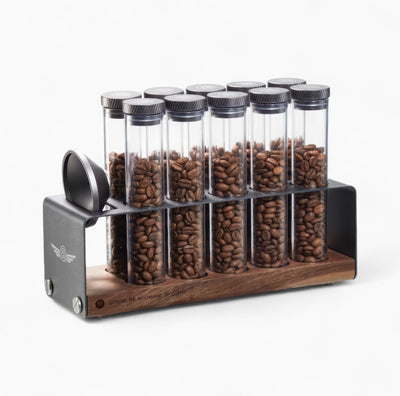
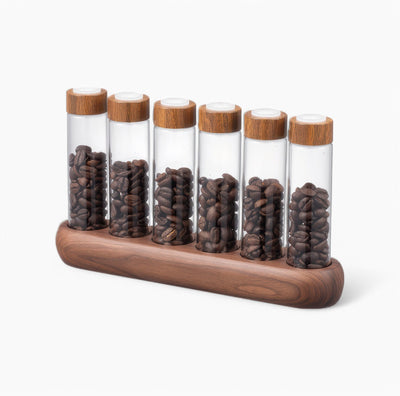
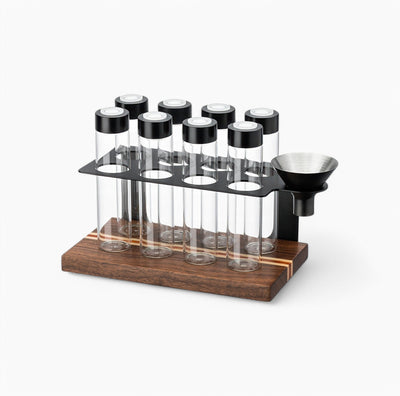
At Rethink Cafe, we understand that preserving your Coffee Bean Storage Tube Set with One-Way Valves transforms how you maintain your inventory. These precision-engineered tubes feature one-way degassing valves that allow CO2 to escape while preventing oxygen infiltration—keeping every bean as fresh as the day you purchased it.

Coffee Bean Storage Tube Set with One-Way Valves
$41.90 $70.00
Keep your coffee beans fresh with precision single-dose storage tubes featuring one-way degassing valves — perfect for preserving flavor before you brew or enjoy.
Explore ProductFrom Snacking to Sipping: Elevating Your Coffee Journey
Understanding can you eat coffee beans opens doors to a deeper appreciation of what makes specialty coffee special. The same quality beans you carefully select for your morning brew deserve proper attention whether you're espresso extraction or tasting them whole.
For those who develop a passion for exploring coffee flavors across different formats, investing in professional-grade equipment becomes essential. The Ceramic Coffee Aroma Tasting Cup for Cupping allows you to experience every nuanced note in your coffee, while serious espresso enthusiasts will appreciate the extraction improvements from our Precision 58mm Espresso Filter Basket Double Layer.
These tools don't just improve your brewing—they deepen your understanding of the bean itself, creating a more holistic coffee appreciation.
Elevate Your Coffee Experience

Ceramic Coffee Aroma Tasting Cup for Cupping
$29.90
$50.00
Experience every coffee note with this premium ceramic tasting cup, engineered with a flared rim to enhance aromatics and elevate your coffee appreciation ritual. Learn more ➔

Precision 58mm Espresso Filter Basket Double Layer
$44.90
$78.00
Upgrade your espresso extraction with this precision-engineered double-layer filter basket, delivering richer aroma and smoother body from every dose of beans. Learn more ➔

Who Should Avoid Eating Coffee Beans?
While coffee beans are generally safe for healthy adults, certain populations should exercise caution or avoid coffee bean consumption entirely:
- Pregnant or breastfeeding women—caffeine easily crosses the placenta and passes into breast milk
- Children and adolescents—their developing systems process caffeine more slowly
- People with heart conditions—the concentrated caffeine can trigger arrhythmias or elevated blood pressure
- Individuals with anxiety disorders—caffeine's stimulant effects may worsen symptoms
- Those with insomnia or sleep disorders—even small amounts consumed late in the day can disrupt sleep patterns
Additionally, the question of can dogs eat coffee beans deserves a clear warning: never. Caffeine is toxic to pets, and even a small quantity can cause serious health issues. Always keep coffee beans stored securely away from curious pets.
Conclusion: Making Coffee Beans Part of Your Routine
The answer to can you eat coffee beans is a confident yes—provided you understand your limits and choose quality beans. Whether you're seeking concentrated antioxidants, a unique caffeine experience, or simply curious about eating the source of your favorite beverage, the practice can be both safe and enjoyable when approached mindfully.
Success lies in starting small, paying attention to your body's response, and treating whole bean consumption as a special indulgence rather than a daily habit. From the nutritional benefits to the pure enjoyment of complex flavor profiles, eating coffee beans offers a new dimension to your coffee appreciation journey.
At Rethink Cafe, we're dedicated to supporting coffee lovers at every stage of their exploration. From precision storage solutions that preserve every bean's peak freshness to professional-grade tasting equipment that enhances every cup, our mission is helping you experience coffee at its absolute best. Ready to rethink your coffee routine? Start with the beans themselves.
Frequently Asked Questions about Eating Coffee Beans
Raw coffee beans are technically safe to eat but not recommended. They contain higher levels of acids that can cause digestive discomfort, have an extremely hard texture that may damage teeth, and taste extremely bitter and grassy. Roasted beans are the preferred choice for both flavor and digestibility.
Most healthy adults can safely eat 10-30 roasted coffee beans per day, depending on individual caffeine tolerance. Each bean contains 6-12mg of caffeine, so 30 beans equals approximately one cup of brewed coffee. Start with 3-5 beans to assess your tolerance, especially if you're sensitive to caffeine.
Eating coffee beans delivers more concentrated caffeine than drinking brewed coffee because you're consuming 100% of the bean's caffeine content. When brewing, much of the caffeine remains in the grounds. However, the total caffeine you consume depends on quantity—eating a few beans is comparable to drinking a small cup of coffee.
Eating coffee beans provides concentrated antioxidants and chlorogenic acids that combat oxidative stress, dietary fiber from the bean's structure, and beneficial compounds like cafestol and kahweol that may support liver health. You're also getting more polyphenols than you would from brewing, as none are lost to the brewing process or grounds.
This depends on your dietary goals. Plain coffee beans are lower in calories and have no added sugar. However, dark chocolate-covered beans (70%+ cacao) add beneficial flavonoids and antioxidants while potentially slowing caffeine absorption and reducing stomach irritation. For health-conscious consumers, plain beans are generally preferable unless you're specifically seeking the chocolate's benefits and don't mind the extra calories.


