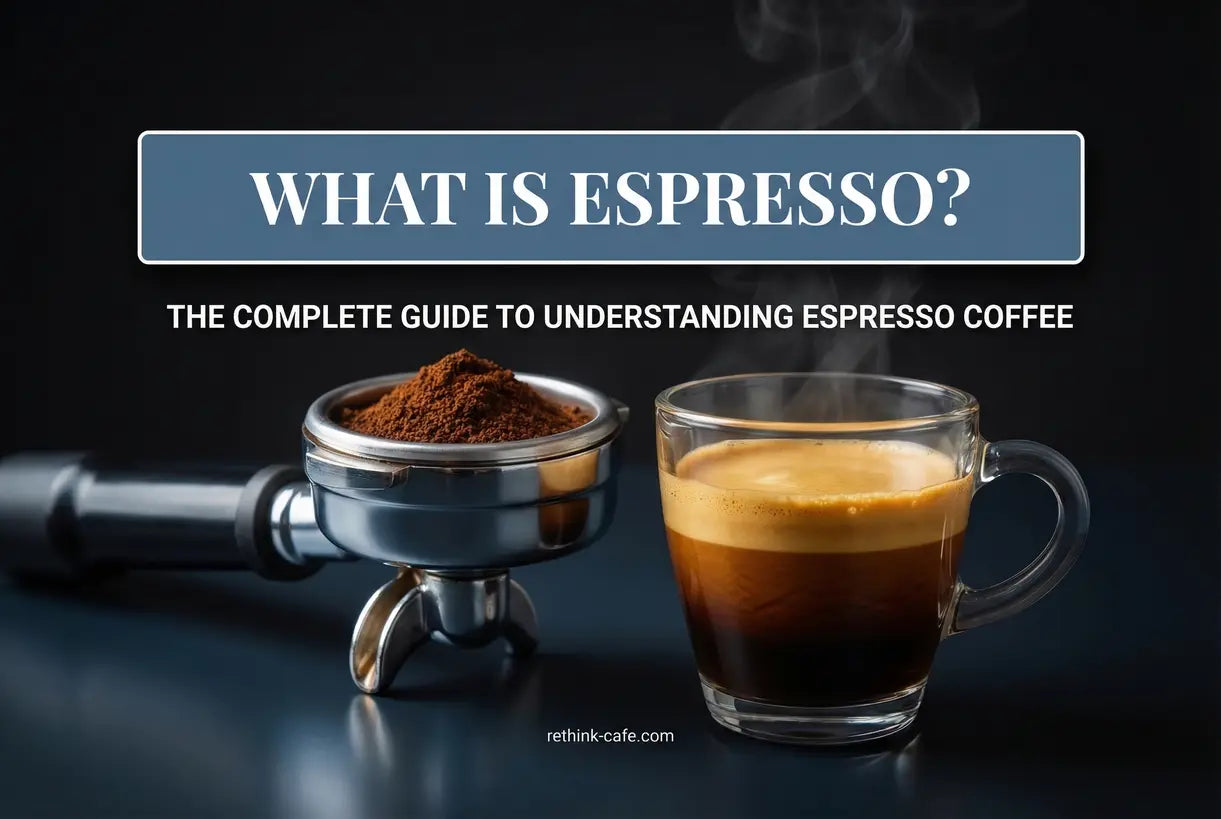
If you've ever wondered why that tiny cup of espresso costs as much as a full-sized coffee, you're not alone. This concentrated coffee beverage has captivated millions around the world, forming the foundation of beloved drinks like lattes, cappuccinos, and americanos. But what exactly is espresso, and why does it taste so different from your morning drip?
This comprehensive guide breaks down everything you need to know about espresso coffee – from its rich Italian heritage to the science behind that perfect shot. Whether you're a curious beginner or ready to start brewing at home, you'll discover what distinguishes espresso from regular coffee and what equipment truly makes a difference in your daily cup.

What Is Espresso Coffee?
At its core, espresso is a brewing method rather than a bean type or roast level. The word itself comes from the Italian "esprimere," meaning "to express" or "to press out." This perfectly describes the process: hot water is forced through specially prepared, finely ground coffee at high pressure.
True espresso emerged in Milan, Italy, during the late 19th century when Luigi Bezzera patented the first espresso machine in 1901. His invention revolutionized coffee culture by dramatically reducing brewing time while concentrating flavors and aromas.
What defines authentic espresso coffee is a combination of three critical elements:
- Pressure: 9 bars of atmospheric pressure force water through the coffee puck
- Temperature: Water heated to approximately 195-205°F (90-96°C)
- Fineness: Coffee ground significantly finer than drip or pour-over
When these conditions align, the result is a 1-2 ounce beverage characterized by intensity, complexity, and that signature layer of golden foam called crema.
How Is Espresso Different from Regular Coffee?
The distinction between espresso and regular coffee extends far beyond serving size. The most significant difference lies in the extraction method. Drip coffee relies on gravity – water slowly filters through grounds. Espresso employs controlled mechanical pressure, extracting soluble compounds more aggressively and efficiently.
This pressure-based brewing creates several measurable differences:
| Characteristic | Espresso | Drip Coffee |
|---|---|---|
| Brewing Time | 25-30 seconds | 3-5 minutes |
| Pressure | 9 bars | Gravity only |
| Grind Size | Fine | Medium |
| Serving Size | 1-2 oz | 8-12 oz |
| Concentration | High (8-12% TDS) | Lower (1.2-1.5% TDS) |
Because of these differences, espresso delivers a more concentrated flavor profile. The same compounds exist in both beverages, but espresso packs them into a smaller volume. Think of it as the difference between a reduction sauce and a broth – both delicious, but dramatically different in intensity.
What Makes a Good Espresso Shot?
A quality espresso shot balances sweetness, acidity, and bitterness in harmony. Professional baristas evaluate espresso across multiple sensory dimensions: aroma, body, flavor, and aftertaste. But how do you achieve this balance at home?
The foundation lies in puck preparation. Before water ever touches your coffee, you must create a perfectly uniform bed of grounds. Uneven distribution leads to channeling – water rushing through weak spots instead of extracting evenly. This results in sour, under-extracted flavors alongside bitter, over-extracted ones.
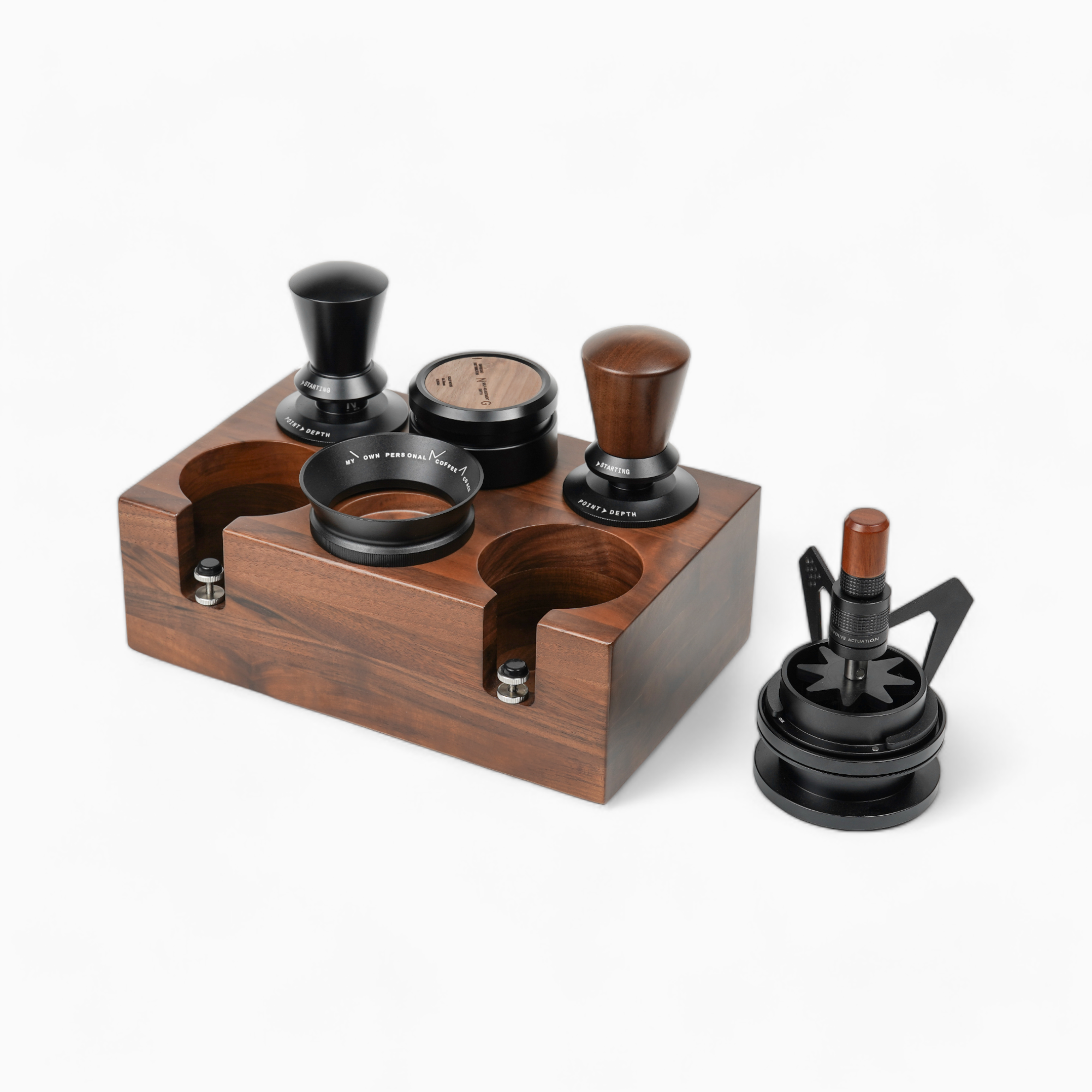
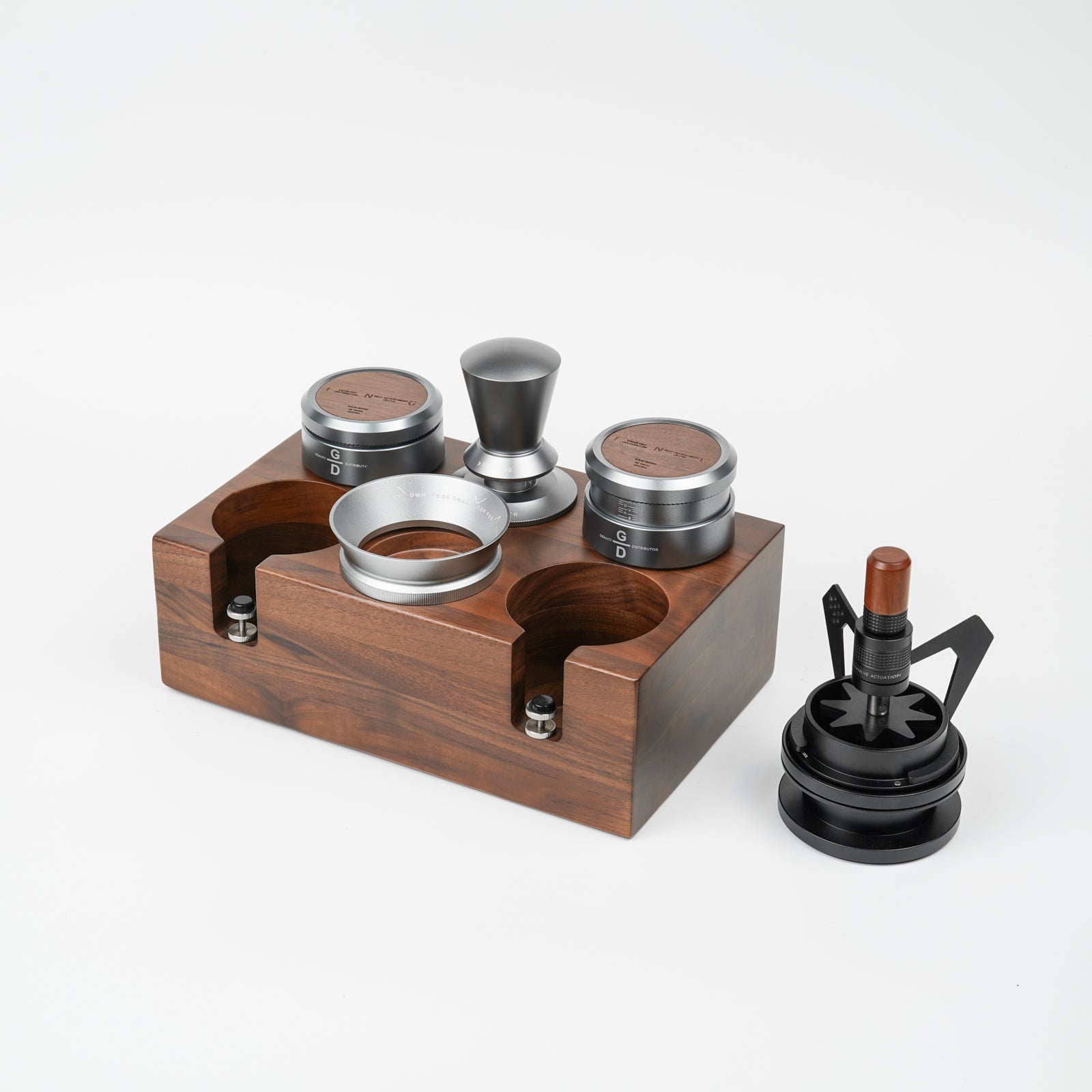
Consistent distribution and tamping are essential skills every home barista must develop. The tools you use directly impact your results, which is why investing in quality accessories matters from day one.

Barista Master Bundle Kit with Tamper and Distributor
$324.90 $382.00
Transform your espresso routine with this professional barista kit featuring tamper, distributor, and WDT tools for perfect puck preparation every time.
Explore ProductPerfect puck preparation using a quality Barista Master Bundle Kit with Tamper and Distributor eliminates variables that sabotage extraction. When your coffee bed is level and evenly compacted, water flows uniformly, extracting optimal flavor from every particle. This kit includes everything you need for professional-level preparation: a precision tamper, distribution tool, and WDT (Weiss Distribution Technique) tool for breaking up clumps.
Beyond preparation, timing matters immensely. A standard espresso shot should extract for 25-30 seconds from the moment you begin pumping – whether manually or automatically. Too fast, and you under-extract (sour, thin). Too slow, and you over-extract (bitter, harsh).
What Is Crema on Espresso?

The golden-brown foam crowning a fresh espresso shot is called crema – and it's far more than decorative. This emulsion of coffee oils, carbon dioxide, and water creates distinct textural and flavor characteristics that define authentic espresso.
Crema forms when hot, high-pressure water emulsifies the coffee bean's natural oils during extraction. These oils trap carbon dioxide released during roasting, creating microbubbles that float to the surface. Fresh beans produce more crema because they retain higher CO2 levels from roasting.
But crema communicates more than freshness. Experienced baristas use it to diagnose extraction quality:
- Color: Ideal crema shows golden-brown with reddish-brown tiger striping
- Texture: Should be smooth and velvety, not bubbly or disappear quickly
- Consistency: Dense enough to suspend sugar particles for several seconds
Pro Tip: Crema contains the most concentrated bitter compounds in your espresso shot. Some baristas "skim" excess crema when tasting for quality assessment, as it can mask subtle flavor nuances underneath.
While crema looks beautiful, the liquid beneath contains the full spectrum of flavors. A properly pulled shot offers caramel sweetness, fruity acidity, and chocolate undertones in complex layers. The crema adds body and mouthfeel but represents just one dimension of the experience.
Why Is Espresso So Strong?
If you're new to espresso coffee drink culture, the intensity can be surprising. That small serving packs a punch because of concentration, not necessarily caffeine content.
A single espresso shot (1 oz) typically contains 60-70mg of caffeine. An 8-ounce drip coffee contains 80-120mg. So per serving, drip coffee usually wins. However, per ounce, espresso contains roughly 6-7 times more caffeine, which explains its reputation as a powerful "pick-me-up."
The strength people taste isn't just caffeine – it's the concentrated flavor compounds. With Total Dissolved Solids (TDS) reaching 8-12% compared to drip coffee's 1.2-1.5%, espresso delivers exponentially more aromatic oils, acids, and sugars in every sip. The brewing method extracts different compounds than drip methods, emphasizing body and intensity over clarity and nuance.
Serving size fundamentally shapes our perception. We expect larger beverages to last longer, so we sip slowly. Espresso demands a different approach: small, quick sips while the crema remains stable, experiencing the shot's evolution as it cools from first taste to last.
Making Espresso at Home

Creating café-quality espresso at home has never been more accessible. While professional machines offer advanced features, the fundamentals remain consistent: fresh beans, proper grind, correct dosing, and precise extraction.
Start with whole beans and a quality grinder. Pre-ground coffee deteriorates within minutes of grinding – freshness matters enormously for espresso. Invest in tools that improve consistency, as variables you can't control become your limiting factors.
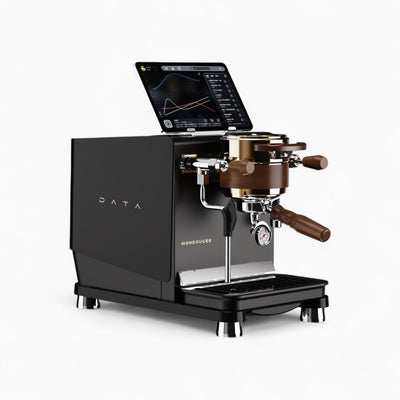
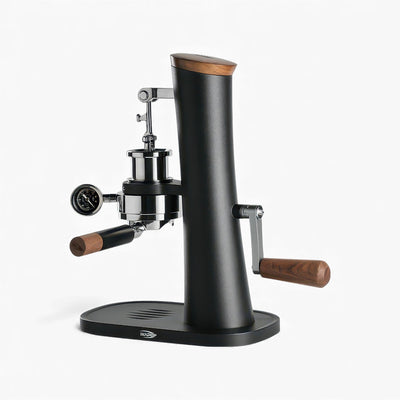
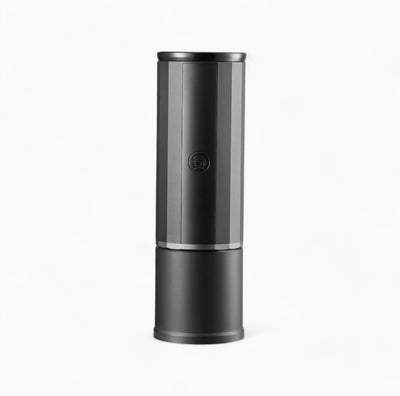
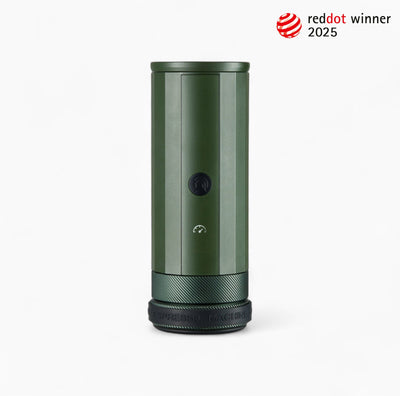
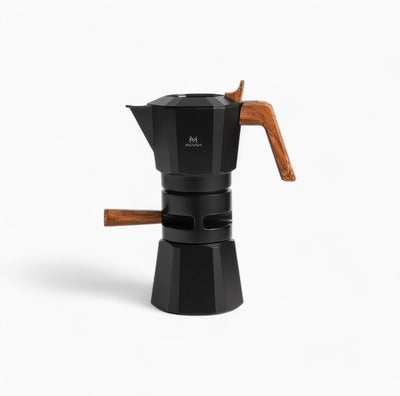
Your equipment setup determines what style of espresso at home you can achieve. A full countertop machine with heating elements and pumps offers convenience. But innovative portable espresso devices now deliver authentic 9-bar pressure without electricity, opening possibilities for camping, travel, or office brewing.
Serving Your Espresso Perfectly
The vessel holding your espresso shot matters more than most realize. Standard ceramic cups absorb heat rapidly, causing temperature drop that diminishes flavor. Double-wall borosilicate glass maintains stable temperature while remaining cool to the touch, preserving your shot's intended characteristics from first sip to last.
Elevate Your Espresso Experience

Enjoy your espresso in perfectly designed double-wall cups that keep your shot hot while staying cool to the touch. Set of two. Learn more ➔

Pneumatic Portable Espresso Maker 9 Bar Pressure
$255.90
$425.00
Experience true espresso anywhere with this portable 9-bar pressure espresso maker. No electricity needed, just perfect extraction on the go. Learn more ➔
Serving in the Double Wall Borosilicate Glass Espresso Cups 3oz Set elevates both aesthetics and taste. Their insulation properties keep your espresso at optimal drinking temperature longer, allowing you to appreciate the full flavor evolution.
For espresso enthusiasts who refuse to compromise quality anywhere, the Pneumatic Portable Espresso Maker 9 Bar Pressure delivers authentic extraction without electricity. Using manual pressure to achieve true 9-bar brewing, this device proves that excellent espresso isn't confined to your kitchen counter.
Learning Resource: Watch this comprehensive tutorial to see espresso principles in action. The video demonstrates proper technique, common mistakes, and professional tips to accelerate your home barista journey.
Research from the Journal of Food Engineering confirms that variables like water temperature, pressure consistency, and particle size distribution dramatically impact espresso quality. While we can't replicate laboratory precision at home, understanding these relationships helps us make better brewing decisions.
Conclusion: Your Espresso Journey Starts Here
Espresso represents the pinnacle of coffee craftsmanship – a beverage where science and art converge in every tiny cup. From understanding what distinguishes espresso from regular coffee to mastering the nuances of extraction timing, you've now built a foundation that will serve you for years of brewing.
The journey from curious observer to skilled home barista starts with knowledge, but true mastery requires the right tools. At Rethink Cafe, we curate professional-grade equipment that eliminates the guesswork from your morning routine. Whether you're building your first home espresso station or upgrading your existing setup, our carefully selected espresso machines, grinders, and accessories help you achieve café-quality results consistently.
Remember: great espresso isn't about expensive equipment – it's about understanding the fundamentals and executing them with precision. Now that you know what makes an exceptional espresso shot, you're ready to transform your daily coffee ritual.
Frequently Asked Questions about Espresso
Espresso coffee is a concentrated coffee beverage brewed by forcing hot water through finely ground coffee beans at approximately 9 bars of pressure. Unlike regular drip coffee, espresso uses pressure extraction rather than gravity, resulting in a more concentrated drink with distinctive body, intensity, and a layer of crema on top. A standard single espresso shot is typically 1 ounce and takes 25-30 seconds to brew.
The main differences between espresso and regular coffee are the brewing method, concentration, and serving size. Espresso uses high pressure (9 bars) to force water through finely ground coffee in 25-30 seconds, while regular drip coffee relies on gravity and takes 3-5 minutes. Espresso has 6-7 times more coffee concentration per ounce, resulting in a bolder, more intense flavor profile. Espresso is served in 1-2 ounce portions, compared to 8-12 ounces for drip coffee.
A good espresso shot balances sweetness, acidity, and bitterness in harmony. Key factors include: using freshly ground coffee (within minutes), proper grind size (fine but not powdery), even puck preparation with quality distribution and tamping, water temperature of 195-205°F (90-96°C), and extraction time of 25-30 seconds. The result should show thick, golden-brown crema and offer complex flavors including caramel sweetness, possible fruity notes, and chocolate undertones without excessive bitterness or sourness.
Espresso tastes strong because of its high concentration, not because it contains more caffeine than other coffee. A single espresso shot has 60-70mg of caffeine compared to 80-120mg in an 8-ounce drip coffee. However, espresso contains 6-7 times more flavor compounds per ounce due to its brewing method. The high-pressure extraction dissolves more oils, acids, and aromatic compounds, creating a more intense sensory experience in a smaller volume.
Crema is the golden-brown foam layer that forms on top of a freshly pulled espresso shot. It consists of emulsified coffee oils, water, and carbon dioxide bubbles trapped during the high-pressure extraction process. Crema indicates bean freshness (fresher beans produce more crema due to higher CO2 retention) and extraction quality. While crema adds body and visual appeal, the liquid beneath contains the primary flavor compounds. The ideal crema is smooth, velvety, and golden-brown with reddish tiger striping, lasting for several minutes before dissipating.