You've probably seen bourbon coffee beans listed on specialty roaster menus and wondered what makes them special. While the name might conjure images of Kentucky distilleries, this prized coffee has nothing to do with whiskey and everything to do with exceptional flavor. As a heirloom coffee varietal, Bourbon represents one of the most celebrated genetic lineages in the coffee world, tracing back over 300 years to a remote island in the Indian Ocean.
In this guide, we'll explore what makes Bourbon coffee unique, why it's considered a specialty coffee cultivar, and how you can experience its distinctive characteristics at home. Whether you're building your home barista setup or simply curious about the stories behind your morning cup, understanding this arabica bourbon varietal will deepen your appreciation for craft coffee.

What Are Bourbon Coffee Beans?
The Bourbon varietal takes its name from Bourbon Island, now known as Réunion, a French territory east of Madagascar. In the early 1700s, French missionaries brought coffee plants from Yemen to this volcanic island, establishing what would become one of the most influential coffee genetic lines in history. From these original plants, Bourbon spread to Brazil in the 1860s and throughout Latin America, Africa, and beyond.
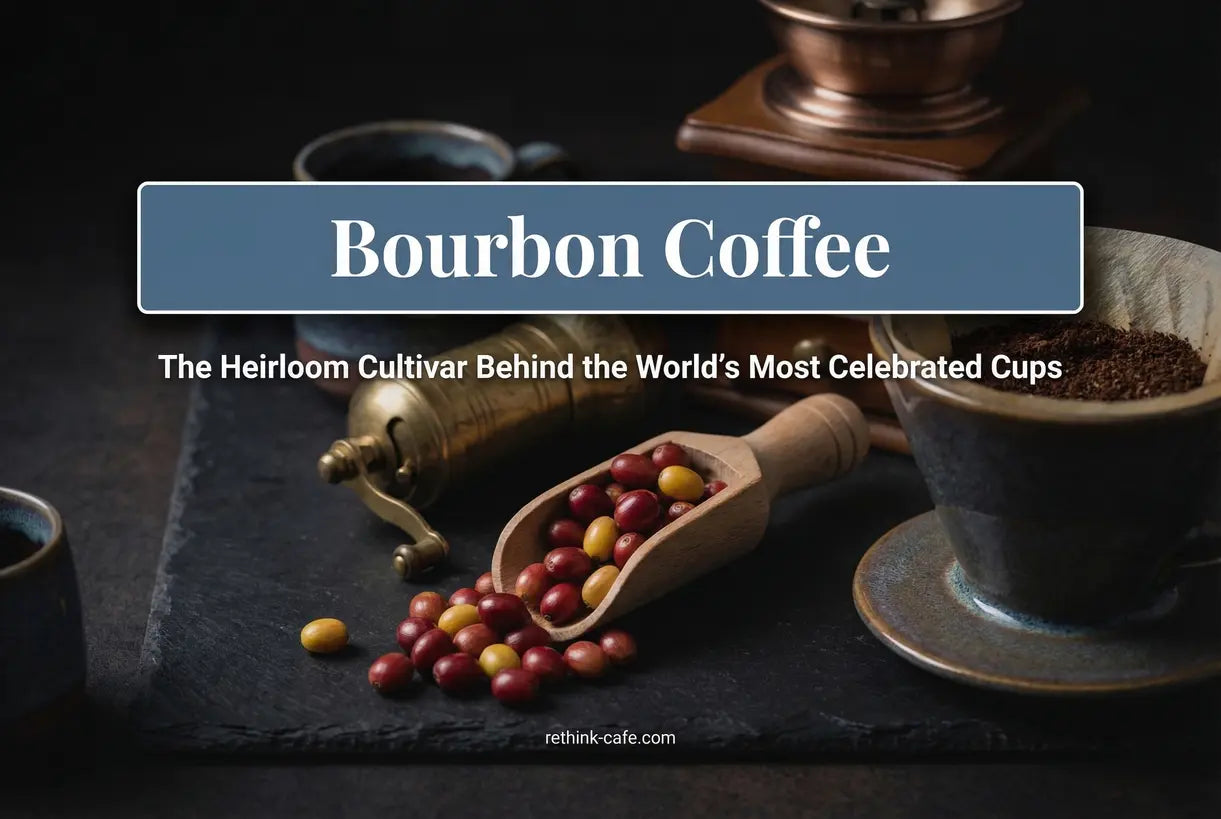
Bourbon coffee plants are distinguished by their relatively low yields but exceptional cup quality. The trees produce red bourbon coffee and yellow bourbon beans, depending on the specific mutation, with cherries that ripen to vibrant colors against dark green foliage. This visual beauty in the field translates to complexity in the cup.
What truly sets Bourbon apart is its genetic purity. As a natural mutation of Typica, another foundational Arabica varietal, Bourbon maintained its distinct characteristics through centuries of careful cultivation. This preservation of original traits is precisely what earns it the designation of heirloom arabica beans in the modern specialty coffee lexicon.

Why Is Bourbon Coffee Considered an Heirloom Varietal?
The term "heirloom" in coffee refers to varieties that have remained genetically stable over many generations, passed down through careful cultivation rather than modern hybridization. Bourbon meets this definition perfectly. Unlike many contemporary coffee varieties developed in laboratories to resist disease or increase yield, Bourbon represents a direct line to coffee's historical origins.
Heirloom status carries significant implications for flavor. Because Bourbon wasn't bred for production efficiency or pest resistance, its genetics remain optimized for taste complexity. The plants are often more susceptible to disease like coffee leaf rust, which actually contributes to their rarity and value. Farmers must invest more care and attention in cultivating Bourbon, and this dedication shows in the final cup.
Today, when you purchase bourbon varietal coffee, you're connecting with agricultural heritage. Each sip represents centuries of traditional cultivation methods, terroir-specific growing conditions, and the patient work of farmers who prioritize quality over quantity.

What Does Bourbon Coffee Taste Like?
The bourbon coffee flavor profile is celebrated for its exceptional sweetness and complex fruit notes. While tasting notes vary significantly based on origin and processing method, you can expect these common characteristics:
- Bright sweetness: Often described as caramel, honey, or brown sugar
- Complex fruit notes: Ranging from stone fruits like peach and apricot to berries and citrus
- Silky body: A smooth, almost creamy mouthfeel that distinguishes it from other varietals
- Balanced acidity: Pleasant and bright without being overwhelming
- Clean finish: A lingering sweetness that invites another sip
African Bourbons, particularly from Rwanda and Burundi, often exhibit exceptional clarity with pronounced floral and citrus notes. Latin American expressions tend toward chocolate and nut profiles with that signature caramel sweetness. The common thread across all origins is a remarkable depth of flavor that rewards careful brewing.
Pro Tip: Taste Bourbon from different origins side by side to experience how terroir shapes this varietal's expression. A Bourbon from El Salvador will taste distinctly different from one grown in Rwanda, despite sharing the same genetic lineage.

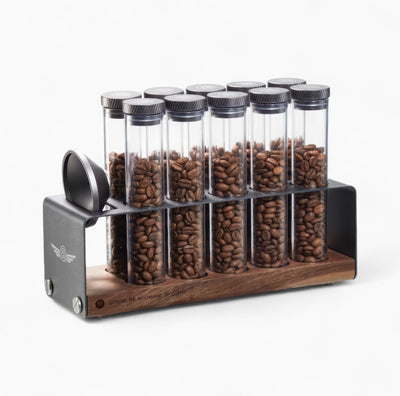
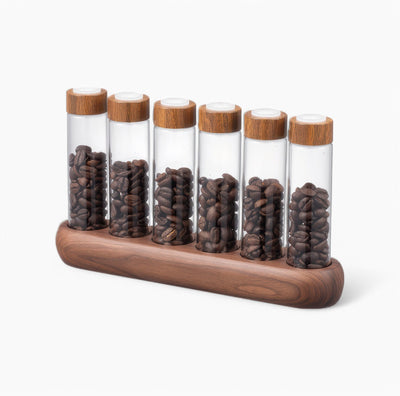
Coffee Bean Storage Tubes With Walnut Display Base
$34.90 $67.00
Showcase your prized Bourbon beans in elegant glass tubes with a warm walnut base. Perfect for displaying and protecting specialty single-origins while keeping them fresh and accessible.
Explore ProductWhere Are Bourbon Coffee Beans Grown?
While Bourbon originated in the Indian Ocean, today it thrives in coffee-growing regions worldwide. Understanding where your Bourbon comes from helps predict its flavor profile and supports appreciation for the diverse terroirs that shape this varietal.
Rwanda and Burundi
These East African nations have become synonymous with exceptional Bourbon production. Grown at high elevations on volcanic soil, Rwandan and Burundian Bourbons are renowned for their bright acidity, floral aromatics, and complex fruit flavors. Many coffee professionals consider these origins to produce the purest expression of Bourbon's genetic potential.
Brazil
As the world's largest coffee producer, Brazil cultivates substantial amounts of Bourbon, particularly in the mountainous regions of Minas Gerais and São Paulo. Brazilian Bourbons tend toward chocolate and nut profiles with lower acidity, making them approachable and versatile for various brewing methods.
El Salvador
This Central American nation has preserved Bourbon cultivation longer than many neighbors who switched to disease-resistant hybrids. Salvadoran Bourbons are prized for their balance, often featuring caramel sweetness with subtle citrus brightness.
Other Notable Regions
You'll also find excellent Bourbon expressions from Guatemala, Honduras, Costa Rica, Colombia, and increasingly, experimental plantings in Asia. Each region coaxes different characteristics from this adaptable varietal.
Red, Yellow, and Pink: Understanding Bourbon Sub-Varieties
Within the Bourbon family, three color mutations have emerged as distinct sub-varieties. While genetically nearly identical, these mutations can express subtle differences in the cup:
Red Bourbon
The original and most common mutation, Red Bourbon cherries ripen to deep crimson. This variety typically produces the classic Bourbon profile: exceptional sweetness, complex fruit notes, and a silky body. It's the standard against which other mutations are measured.
Yellow Bourbon
A natural mutation where cherries ripen to golden yellow rather than red. Yellow Bourbon is often characterized by slightly higher acidity and brighter fruit notes compared to its red counterpart. Some cuppers note a distinct lemon or pineapple character that differentiates it from Red Bourbon.
Pink Bourbon
The rarest of the three, Pink Bourbon cherries display a distinctive salmon or pink color when ripe. This variety has gained cult status among specialty coffee enthusiasts for its remarkable cup quality, often combining the sweetness of Red Bourbon with the acidity of Yellow, plus unique floral notes. Pink Bourbon is still relatively uncommon outside Colombia and parts of Central America.
Premium Storage Solutions for Your Bourbon Beans

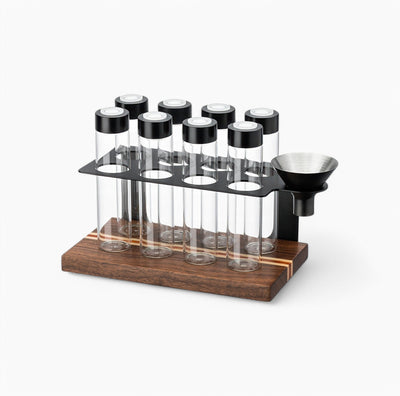
Glass Coffee Bean Storage Tubes with Degassing Valve
$62.90
$122.00
Preserve the delicate aromatics of freshly roasted Bourbon beans with lab-grade tubes featuring one-way degassing valves. Ideal for specialty coffees that need to breathe while staying protected from oxidation. Learn more ➔

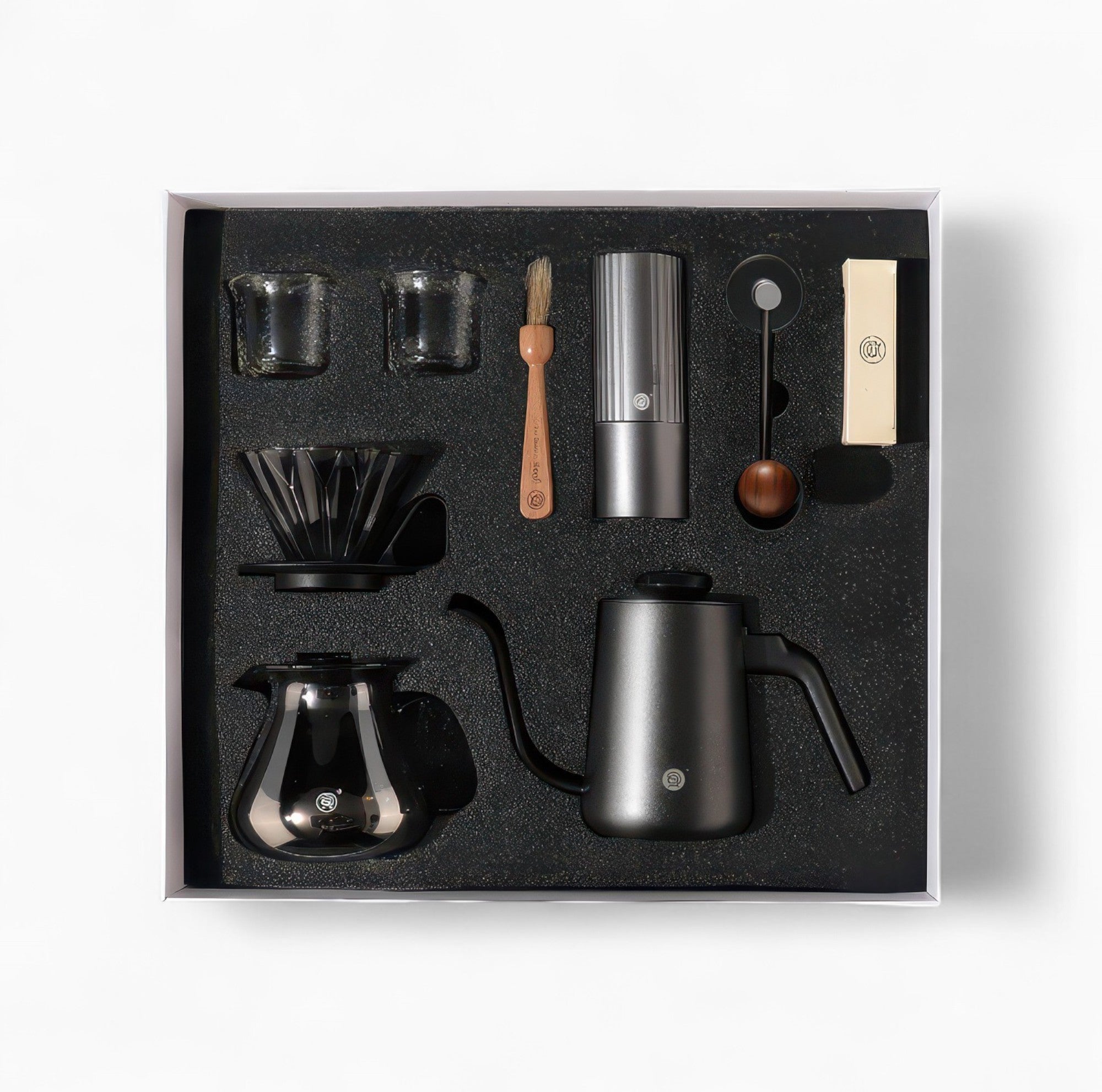
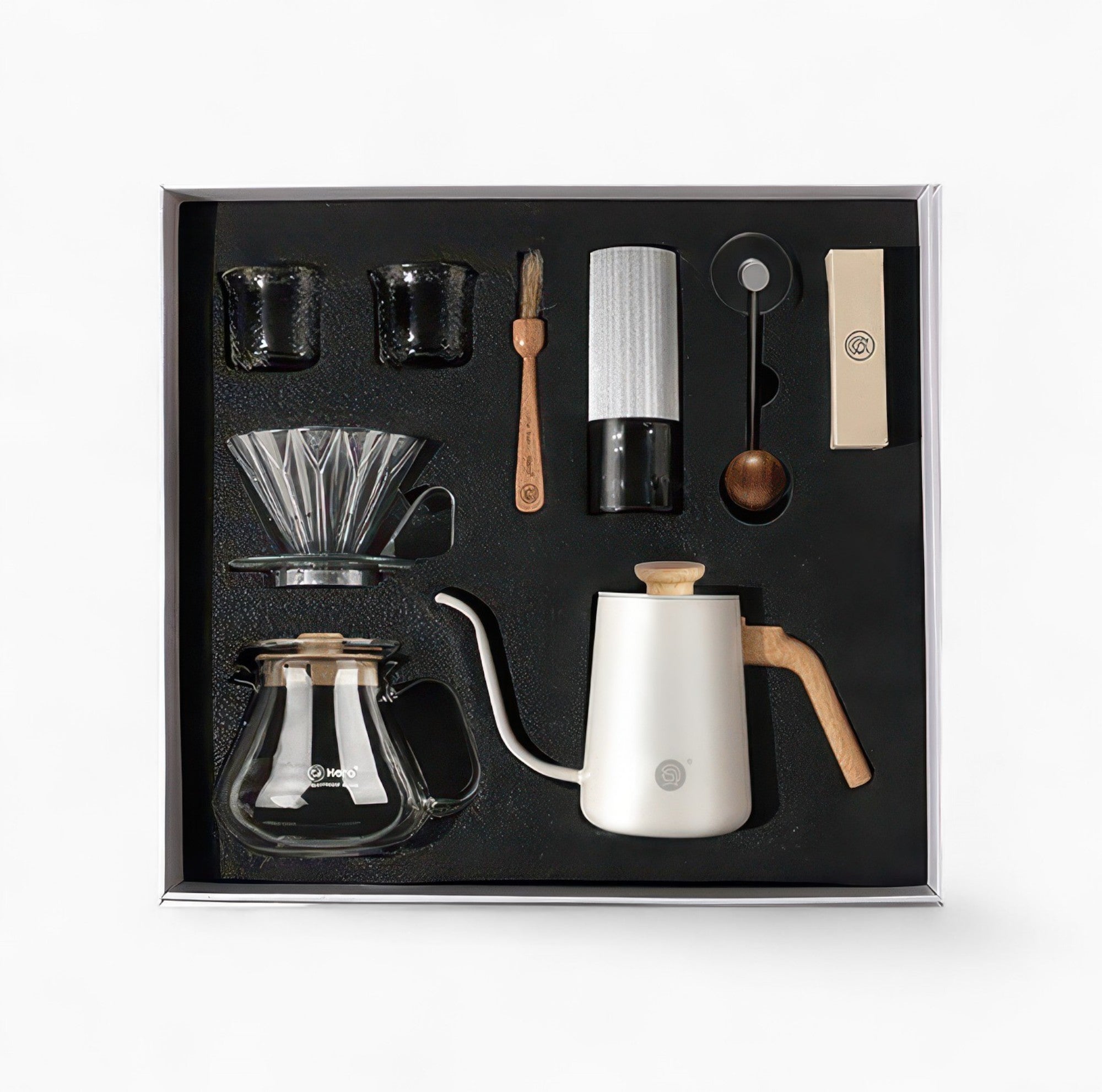
Complete Pour Over Coffee Kit with Grinder and Kettle
$235.90
$360.00
Unlock the full flavor potential of heirloom Bourbon beans with this precision pour over kit. Features a conical burr grinder and temperature-controlled kettle for optimal extraction of delicate varietals. Learn more ➔
Is Bourbon Coffee Related to Bourbon Whiskey?
This question confuses many coffee newcomers, and understandably so. Despite the identical name, bourbon coffee beans share no ingredient connection with America's native whiskey. The relationship is purely nominal, stemming from the shared origin of the name: Bourbon Island (Réunion).
American bourbon whiskey takes its name from Bourbon County, Kentucky, which was named in honor of the French royal family. Meanwhile, the coffee varietal honors the island where it was first cultivated. The parallel naming is a fascinating example of how geography and history create unexpected linguistic connections.
That said, both products do share a certain sophistication and complexity that appeals to connoisseurs. Just as whiskey enthusiasts appreciate the nuances of different mash bills and aging processes, coffee professionals celebrate Bourbon varietal for its distinct genetic expression. If you enjoy exploring flavor complexity in whiskey, you'll likely appreciate the layered experience of a well-prepared Bourbon coffee.
Brewing Tips for Bourbon Coffee Beans
To fully appreciate Bourbon's complexity, proper brewing technique is essential. This varietal's delicate flavors and nuanced acidity reward precision and care.
Choose the Right Method
Pour over methods like V60, Chemex, and Kalita Wave excel at highlighting Bourbon's clarity and brightness. The Complete Pour Over Coffee Kit with Grinder and Kettle from Rethink Cafe provides everything needed for precise extraction of these delicate varietals. French press brings out body and sweetness, while espresso can showcase Bourbon's syrupy texture.
Water Temperature and Quality
Use water between 195°F and 205°F (90°C-96°C). Too hot will extract harsh bitterness; too cool will leave sweetness undeveloped. Filtered water free from chlorine and excessive minerals allows Bourbon's subtle notes to shine.
Grind Fresh
Bourbon's aromatics are best preserved by grinding immediately before brewing. A quality burr grinder ensures consistent particle size for even extraction.
Storage Matters
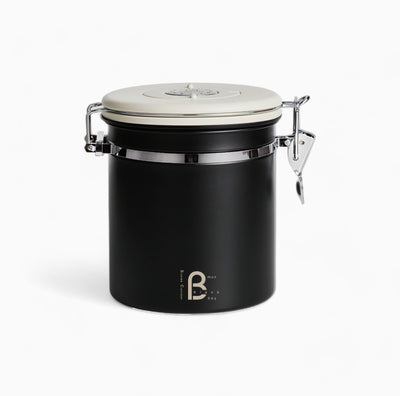
Protect your investment in specialty Bourbon beans by storing them properly. Keep beans away from light, heat, and moisture in an airtight container. The Coffee Bean Storage Tubes With Walnut Display Base offers an elegant solution for displaying and protecting your prized single-origins.

Conclusion: The Heirloom Experience
Bourbon coffee beans represent something increasingly rare in modern agriculture: a direct connection to history. From its origins on a remote Indian Ocean island to its cultivation across the world's finest coffee regions, this heirloom coffee varietal offers a taste experience that transcends ordinary coffee.
Whether you're drawn to the bright florals of a Rwandan Bourbon or the caramel sweetness of a Brazilian expression, exploring this varietal deepens your understanding of what specialty coffee can be. The care required to cultivate these plants, the precision needed to roast them, and the attention demanded to brew them properly all contribute to a cup that rewards your effort.
At Rethink Cafe, we believe that exceptional coffee deserves exceptional tools. From our precision pour over kits to our elegant storage solutions, we provide home baristas with everything needed to honor these remarkable beans. Ready to experience Bourbon coffee at its best? Explore our collection of brewing equipment and start your journey into heirloom coffee excellence today.
Want to learn more about the world of specialty coffee beans? Understanding the foundation of coffee cultivation helps you appreciate varietals like Bourbon even more. Perfect Daily Grind offers an excellent deep-dive into coffee varieties and their origins.
Frequently Asked Questions about Bourbon Coffee Beans
Bourbon coffee beans are a heirloom Arabica varietal that originated on Bourbon Island (now Réunion) in the Indian Ocean. They're a natural mutation of the Typica varietal and are prized for their exceptional sweetness, complex fruit notes, and silky body. Despite the name, they have no relation to bourbon whiskey.
Bourbon coffee is characterized by exceptional sweetness often described as caramel, honey, or brown sugar, accompanied by complex fruit notes ranging from stone fruits to berries. It typically has a silky body, balanced acidity, and a clean, lingering finish. African Bourbons tend toward floral and citrus notes, while Latin American expressions often feature chocolate and nut profiles.
Bourbon coffee is grown in many of the world's finest coffee regions. Major producers include Rwanda and Burundi in East Africa (known for bright, floral expressions), Brazil (chocolate and nut profiles), and El Salvador in Central America. You'll also find exceptional Bourbon from Guatemala, Honduras, Costa Rica, Colombia, and increasingly from Asian origins.
No, Bourbon coffee beans share no ingredient connection with bourbon whiskey. Both derive their names independently from the same geographical reference: Bourbon Island (now Réunion), a French territory in the Indian Ocean. The coffee varietal was cultivated there in the 1700s, while American bourbon whiskey was named after Bourbon County, Kentucky, which honored the French royal family.
Bourbon is considered an heirloom varietal because it represents a direct genetic line to coffee's historical origins that has remained stable over centuries of cultivation. Unlike modern hybrid varieties developed for disease resistance or yield, Bourbon has been passed down through traditional farming methods while maintaining its distinct flavor characteristics. This genetic purity contributes to its exceptional cup quality but also makes it more challenging to cultivate, increasing its rarity and value.