Whether you're monitoring your daily intake for health reasons or simply curious about what fuels your morning ritual, understanding how much caffeine is in a shot of espresso is essential knowledge for every coffee enthusiast. As home baristas, we obsess over grind size, extraction time, and crema quality—but the caffeine content often remains a mystery despite being one of the most important aspects of our daily brew.
In this comprehensive guide, we'll break down the exact espresso caffeine content for single, double, and triple shots. You'll discover the factors that influence caffeine extraction, learn how espresso compares to drip coffee, and understand how to control your intake without sacrificing the café-quality experience you've worked hard to achieve.
How Much Caffeine Is in a Shot of Espresso? The Numbers
Let's get straight to what you came for—the actual caffeine numbers. A standard single shot of espresso, typically measuring 1 ounce (30ml), contains approximately 63 milligrams of caffeine on average. However, this number can vary significantly based on several factors we'll explore later.
Here's a quick reference for caffeine in espresso by shot size:
- Single shot (1 oz / 30ml): 50–75 mg of caffeine
- Double shot (2 oz / 60ml): 100–150 mg of caffeine
- Triple shot (3 oz / 90ml): 150–225 mg of caffeine
The double shot espresso caffeine content is the most commonly consumed, as most modern espresso drinks—from lattes to cappuccinos—use a double shot as the standard base. This means your morning latte likely delivers around 125 mg of caffeine, placing it well within the FDA's recommended daily limit of 400 mg for healthy adults.

Factors That Affect Espresso Caffeine Content
Not all espresso shots are created equal. The espresso shot caffeine levels can fluctuate based on several key variables that every home barista should understand:
Bean Type: Arabica vs. Robusta
The coffee species you choose significantly impacts caffeine content. Robusta beans contain roughly twice the caffeine of Arabica beans—approximately 2.7% caffeine by weight compared to Arabica's 1.5%. If you're using a Robusta blend or espresso roast with higher Robusta content, expect your caffeine numbers to trend toward the higher end of the range.
Roast Level Matters
Contrary to popular belief, darker roasts don't necessarily contain more caffeine than lighter roasts. While the roasting process does reduce caffeine content slightly, the difference is minimal. However, dark roasts are less dense, meaning you use more beans by volume—which can result in slightly higher caffeine extraction.
Extraction Time and Yield
The duration of your extraction affects caffeine concentration. Longer extractions (25–30 seconds) generally extract more caffeine than shorter pulls (15–20 seconds). However, there's a point of diminishing returns where over-extraction produces bitterness without significant caffeine gains. The standard 1:2 brew ratio (18g in, 36g out) over 25–30 seconds strikes the optimal balance for both flavor and caffeine extraction.

Does Espresso Have More Caffeine Than Drip Coffee?
This is where many coffee drinkers get confused. When comparing caffeine in espresso to drip coffee, we need to distinguish between concentration and total content.
By volume, espresso is significantly more concentrated. An ounce of espresso contains roughly 63 mg of caffeine, while an ounce of drip coffee contains only 12–16 mg. However, a standard 8-ounce cup of drip coffee delivers approximately 95–200 mg of caffeine—comparable to or exceeding a double shot of espresso.
The key difference lies in serving size. You drink espresso in small, concentrated doses, while drip coffee is consumed in larger volumes. So while espresso packs more punch per ounce, your typical morning mug of drip coffee may deliver equal or greater total caffeine.
Pro Tip: If you're tracking caffeine intake for health or performance reasons, count by total milligrams rather than comparing drinks. A double shot in your cappuccino contains roughly the same caffeine as an 8-ounce cup of brewed coffee.
Controlling Your Caffeine Intake as a Home Barista
For those monitoring their caffeine consumption, precision is key. Whether you're sensitive to caffeine, limiting intake for health reasons, or optimizing your performance, controlling how much caffeine in 1 shot of espresso (or two) starts with consistent preparation.
Using a precision Smart Coffee Dosing Scale allows you to maintain exact dose-to-yield ratios, ensuring consistent caffeine extraction shot after shot. When you know precisely how much coffee you're using and exactly how much espresso you're extracting, you gain control over your daily caffeine intake.
Decaffeinated Espresso Options
Quality decaf espresso has come a long way. Modern decaffeination methods preserve flavor while removing 97% or more of caffeine. A shot of decaf espresso typically contains just 2–5 mg of caffeine—allowing you to enjoy the ritual and taste of espresso without the stimulant effects.



Elevating Your Espresso Experience
Understanding caffeine content is just one piece of the espresso puzzle. To truly appreciate your daily shots—whether single, double, or triple—the right equipment makes all the difference. From precision scales to professional preparation tools, investing in quality accessories ensures you extract the perfect shot every time.
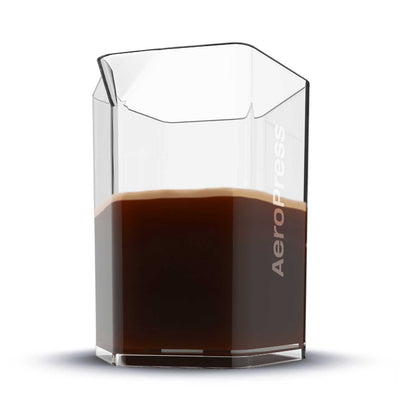
Serving your espresso properly also enhances the experience. The Double Wall Borosilicate Glass Espresso Cups keep your shots at the optimal temperature while providing visual appreciation of the crema and color that signals a well-extracted espresso.

Double Wall Borosilicate Glass Espresso Cups 3oz Set
$24.99
Serve your perfectly pulled espresso shots in these premium double-walled glasses that keep your coffee hot while staying cool to the touch.
Explore Product
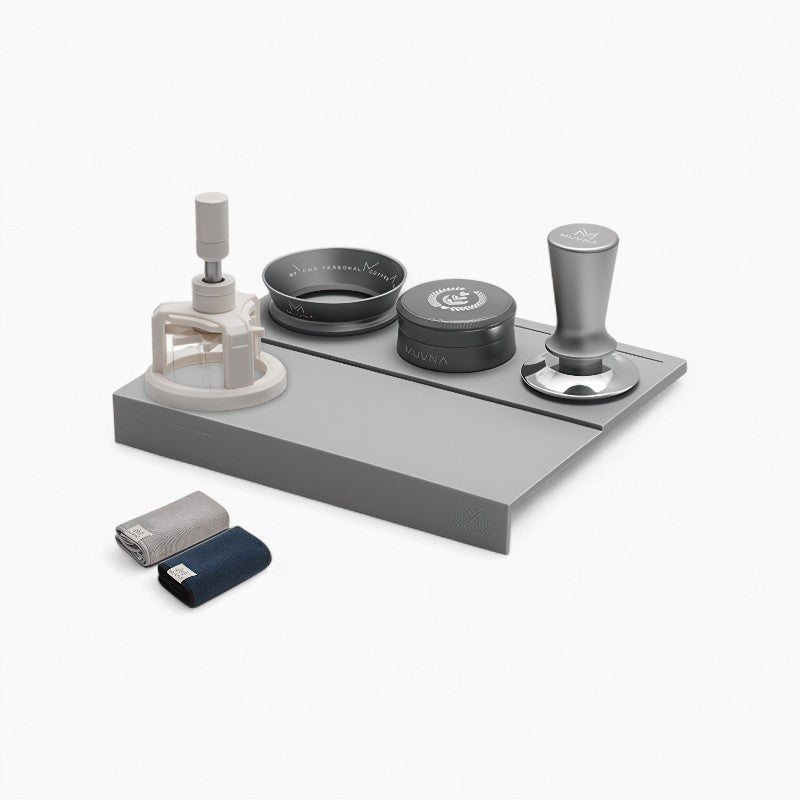
Consistency in your espresso preparation requires more than just good beans and a quality machine. Channeling, uneven extraction, and poor distribution can all affect both flavor and caffeine extraction. The Professional Barista Starter Kit provides the essential tools needed to eliminate these variables and achieve café-quality results in your own kitchen.
Home Barista Insight: Consistent preparation leads to consistent caffeine content. When you eliminate variables through proper technique and quality tools, you gain predictable control over your daily caffeine intake.
Essential Tools for Precision Espresso

Smart Coffee Dosing Scale with 0.1g Precision
$105.90
$177.00
Achieve perfect shot consistency with this precision dosing scale that combines weighing and dosing into one seamless tool for accurate espresso preparation. Learn more ➔

Professional Barista Starter Kit with Tamper and WDT
$139.90
$260.00
Master your espresso extraction with this complete five-piece kit designed to eliminate channeling and deliver café-quality shots every time. Learn more ➔
Final Thoughts on Espresso Caffeine Content
Understanding how much caffeine in a shot of espresso empowers you to make informed decisions about your daily coffee consumption. Whether you're limiting intake for health reasons, optimizing for athletic performance, or simply curious about what goes into your body, the knowledge you've gained here puts you in control.
A single shot delivers approximately 63 mg, a double shot around 125 mg, and a triple shot up to 200 mg of caffeine. These numbers vary based on bean selection, roast level, and extraction parameters—but with consistent preparation and the right tools, you can predict and control your intake with precision.
At Rethink Cafe, we believe that great espresso is both an art and a science. When you combine quality beans, proper technique, and professional-grade equipment, you don't just get better-tasting coffee—you gain mastery over every aspect of your espresso experience, including caffeine content.
Frequently Asked Questions about Espresso Caffeine Content
A single shot of espresso (1 oz / 30ml) contains approximately 63 milligrams of caffeine on average, with a typical range of 50–75 mg depending on the coffee beans, roast level, and extraction parameters used.
Two shots of espresso (double shot, 2 oz / 60ml) contain approximately 125 milligrams of caffeine, typically ranging between 100–150 mg. This is the standard amount used in most espresso-based drinks like lattes and cappuccinos.
By volume, espresso is significantly more concentrated than regular drip coffee—containing about 4–5 times more caffeine per ounce. However, because espresso is served in smaller portions (1–2 oz vs. 8–12 oz for drip coffee), a typical cup of drip coffee often contains comparable or slightly higher total caffeine content.
A triple shot of espresso (3 oz / 90ml) contains approximately 150–225 milligrams of caffeine, depending on the beans and extraction method. This represents roughly half of the FDA's recommended maximum daily caffeine intake for healthy adults (400 mg).
Per ounce, yes—espresso contains significantly more caffeine than drip coffee (63 mg/oz vs. 12–16 mg/oz). However, per serving, a standard 8-ounce cup of drip coffee (95–200 mg) often delivers similar or slightly more total caffeine than a single or double shot of espresso. The difference lies in serving size and concentration.