

There's something magical about the first sip of cuban espresso—that intensely sweet, frothy shot that carries centuries of Cuban tradition in every drop. For home baristas looking to expand their repertoire beyond Italian-style espresso, mastering the art of cafecito opens up a world of bold flavors and cultural richness that transforms your morning routine into something extraordinary.
In this comprehensive guide, you'll discover exactly how to make cuban espresso at home using traditional methods that don't require expensive equipment. Whether you're drawn to the social ritual of sharing cafecito with friends or simply crave that signature sweet intensity, we'll walk you through every step—from selecting the right beans to creating the perfect espumita foam that defines authentic cuban coffee.
What is Cuban Espresso (Cafecito)?
Cuban espresso, known affectionately as cafecito or cafe cubano, represents far more than just a caffeinated beverage—it's a cornerstone of Cuban culture and daily life. Unlike its Italian counterpart, cuban espresso is defined by its preparation method and distinctive sweet foam topping called espumita.
The fundamental differences between cuban espresso and traditional Italian espresso include:
- Sweetness: Cuban coffee incorporates sugar during the brewing process, not after
- Volume: Traditionally served in smaller 1-2 oz portions
- Social aspect: Cafecito is meant to be shared and savored with others
- Equipment: Traditionally brewed using a moka pot rather than an espresso machine
The result is a concentrated, syrupy coffee with a caramelized sweetness that balances the natural bitterness of dark-roasted beans. When prepared correctly, the espumita creates a velvety layer of foam that locks in aromas and delivers that first decadent sip that cuban espresso lovers crave.
Essential Equipment for Authentic Cuban Coffee at Home
The beauty of making cuban espresso at home lies in its accessibility. You don't need a thousand-dollar espresso machine to achieve authentic results. The traditional cuban espresso recipe relies on simple, time-tested equipment that produces consistent, delicious results.
A quality moka pot serves as the foundation of cuban coffee preparation. Unlike pump-driven espresso machines, moka pots use steam pressure to extract rich, concentrated coffee that forms the base of your cafecito. The key is selecting a pot with proper pressure capabilities to ensure optimal extraction.
Equally important is your grinder. Cuban espresso demands a consistent, medium-fine grind—too coarse and you'll get weak coffee, too fine and you'll create bitter over-extraction. With the right equipment combination, you'll achieve that perfect balance every time.
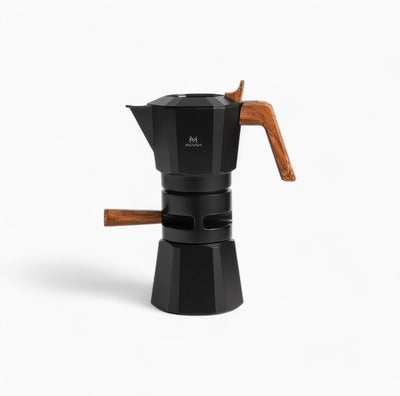

High Pressure Double Valve Moka Pot Espresso Maker
$49.99 $59.99
Brew authentic Cuban espresso at home with this high-pressure moka pot. Double valve extraction delivers rich, concentrated coffee perfect for cafecito.
Explore ProductHow to Make Cuban Espresso: Step-by-Step Guide
Mastering traditional cuban espresso requires attention to detail, but the process itself is wonderfully straightforward. Follow these steps to create authentic cuban coffee that rivals what you'd find in Little Havana.

Step 1: Prepare Your Moka Pot
Fill the bottom chamber of your moka pot with filtered water up to the pressure valve. Insert the filter basket and fill it with medium-fine ground coffee, leveling it off without tamping—unlike machine espresso, moka pot coffee shouldn't be compressed.
Step 2: Brew the Coffee Base
Screw the top and bottom chambers together firmly and place the pot on medium-low heat. Keep the lid open and listen for the gentle gurgling sound that indicates your coffee is rising. Remove from heat immediately when you hear this sound to prevent burning.
Step 3: Create the Espumita Base
While your coffee brews, place 1-2 teaspoons of sugar per serving into your mixing vessel. The moment your first drops of coffee emerge from the moka pot, add just a teaspoon of this concentrated liquid to the sugar—this is the secret to authentic cuban espresso.
Pro Tip: The first drops of coffee from your moka pot are the most concentrated and flavorful. Using this "first coffee" to create your espumita ensures maximum caramelization and depth of flavor.
Mastering the Espumita: The Heart of Cuban Coffee
The espumita is what transforms ordinary strong coffee into authentic espresso cubano. This whipped sugar foam isn't merely decorative—it's essential to the flavor profile and texture that defines cuban espresso.

How to Make Espumita for Authentic Cuban Coffee
Creating perfect espumita requires vigorous whisking technique:
- Add your first drops of espresso to white granulated sugar
- Using a small whisk or fork, beat the mixture aggressively for 30-60 seconds
- Continue whisking until the mixture transforms from dark brown to a pale, creamy tan color
- The consistency should resemble thick pancake batter or whipped honey
- Pour your remaining coffee over the espumita and stir gently to combine
The heat from the coffee caramelizes the sugar slightly, creating complex flavor notes that complement the dark roast beans. When you pour the remaining coffee over your whipped sugar mixture, it creates that signature layer of sweet foam that makes cuban espresso instantly recognizable.
Choosing the Right Coffee Beans for Cuban Espresso
Traditional cuban coffee relies on dark-roasted beans, typically with a profile that emphasizes chocolate, caramel, and nutty notes. While many Cuban-American families use brands like Café Bustelo or Pilon, you can achieve excellent results with any high-quality dark roast.
Look for beans labeled as espresso roast or French roast. The darker roasting profile stands up to the sugar in cuban espresso without becoming lost. For the complete guide to understanding coffee bean varieties and how they affect your brew, check out our detailed article on coffee beans.
Grind Matters: For moka pot cuban espresso, aim for a grind slightly coarser than true espresso but finer than drip coffee. Consistency is crucial for even extraction.
Traditional Serving Customs
In Cuban culture, cafecito is a social ritual. The traditional way to serve involves small demitasse cups—typically no more than 3 ounces. These concentrated shots are meant to be savored slowly, often accompanied by conversation and perhaps a light pastry.

When serving guests, pour slowly to ensure each cup receives an equal amount of the precious espumita foam. The visual presentation matters—cuban espresso should arrive with a thick, amber-colored layer of foam crowning the dark coffee beneath.
Complete Your Cuban Coffee Setup

Double Wall Borosilicate Glass Espresso Cups 3oz Set
$29.99
$39.99
Serve your Cuban espresso in style with these heat-resistant double wall cups. The 3oz size is perfect for traditional cafecito servings. Learn more ➔

Conical Burr Coffee Grinder with 25 Grind Settings
$89.99
$109.99
Achieve the perfect grind for Cuban espresso with 25 adjustable settings. Consistent particle size ensures optimal extraction every time. Learn more ➔
Can I Make Cuban Espresso Without an Espresso Machine?
Absolutely! In fact, cuban espresso with moka pot is the traditional preparation method used in Cuban households for generations. The moka pot's steam pressure extraction creates the concentrated coffee base that makes authentic cuban espresso possible.
While pump espresso machines can certainly produce cuban coffee, they're not necessary. The high-pressure moka pot offers an accessible, affordable path to excellent results. Many enthusiasts argue that the moka pot method actually produces a more authentic flavor profile that honors the tradition of cuban coffee preparation.
Conclusion
Mastering cuban espresso at home connects you to a rich cultural tradition while delivering an incredibly satisfying coffee experience. The combination of concentrated moka pot coffee and sweet, whipped espumita creates a flavor profile that's unlike anything else in the coffee world.
With the right equipment and techniques outlined in this guide, you can recreate authentic cafecito that transports you straight to the cafecitos of Miami or Havana. The Rethink Cafe collection of moka pots, precision grinders, and espresso cups provides everything you need to perfect your cuban espresso recipe and share this beautiful tradition with friends and family.
Whether you're brewing your first cup or refining your technique, remember that cuban coffee is about more than caffeine—it's about slowing down, savoring the moment, and connecting with others over something truly special. ¡Buen provecho!
Frequently Asked Questions about Cuban Espresso
Cuban espresso, or cafecito, differs from Italian espresso in several key ways. It's traditionally sweeter because sugar is whipped with the first drops of coffee to create espumita (foam), rather than added afterward. Cuban espresso is typically brewed using a moka pot instead of an espresso machine, served in smaller portions, and has a more viscous, syrupy texture due to the caramelized sugar foam.
To make espumita, add 1-2 teaspoons of white sugar per serving to a small cup or metal pitcher. When your moka pot begins brewing, immediately add about a teaspoon of the first, most concentrated coffee drops to the sugar. Vigorously whisk the mixture with a fork or small whisk for 30-60 seconds until it transforms from dark brown to a pale, creamy tan color with a thick, whipped consistency. Pour the remaining coffee over this mixture and stir gently.
Traditional Cuban espresso uses dark-roasted beans with chocolate, caramel, and nutty flavor profiles. Popular brands include Café Bustelo, Pilon, or Café La Llave. You can also use any high-quality espresso roast or French roast. The darker roast stands up well to the sugar in Cuban espresso. Look for 100% Arabica beans or Arabica-Robusta blends for authentic flavor.
Yes! In fact, the traditional method for making Cuban espresso uses a moka pot (stovetop espresso maker), not an espresso machine. The moka pot's steam pressure creates the concentrated coffee base needed for cafecito. This method is more authentic, more affordable, and produces excellent results. Simply follow the same process of brewing coffee in the moka pot and whipping the first drops with sugar to create espumita.
Cafecito is traditionally served in small 1-3 ounce demitasse cups, often made of ceramic or glass. It's meant to be savored slowly and is deeply social—Cuban culture emphasizes sharing coffee with family, friends, and even strangers. When serving multiple people, pour slowly to ensure each cup receives equal espumita foam. In Cuban communities, it's common to visit friends and neighbors specifically to share cafecito and conversation.


