If you've stepped into a coffee shop recently, you've probably noticed blonde espresso appearing on menus alongside traditional dark roast options. This lighter alternative has captured the attention of home baristas and coffee enthusiasts alike, offering a completely different approach to espresso extraction. While it might sound like a marketing term, blonde espresso represents a legitimate roasting category that delivers unique flavor characteristics worth exploring.
In this guide, you'll discover exactly what sets blonde espresso apart from regular espresso, how roasting affects caffeine content and taste, and the brewing techniques that bring out the best in these delicate beans. Whether you're curious about trying your first blonde roast shot or looking to fine-tune your home brewing setup, the right equipment makes all the difference in extracting proper flavor.
What Is Blonde Espresso?
Blonde espresso refers to coffee beans roasted to a lighter level than traditional espresso roasts. The beans are removed from the roaster shortly after the first crack occurs, preserving more of their original origin characteristics and natural acidity. This lighter roasting approach creates a coffee with markedly different qualities than the deep, caramelized flavors associated with darker roasts.
The term gained mainstream recognition when major coffee chains introduced blonde roast options, though specialty coffee roasters have long offered lighter roasted coffee for espresso preparation. The key distinction lies in the roast development: blonde roasts maintain higher acidity, more delicate flavor notes, and a lighter body compared to their dark-roasted counterparts.

Understanding Coffee Roast Levels
Coffee roasting exists on a spectrum from green beans to nearly charred. Light roasts, including blonde espresso, spend less time in the roaster and reach lower internal temperatures (typically between 356°F to 401°F). This preserves the bean's natural flavors and creates a denser coffee that can be more challenging to extract properly.
As roasting progresses through medium and dark levels, beans lose acidity and develop more caramelized, roasted flavors. The darker the roast, the more the coffee's origin character gets overshadowed by the roasting process itself. Blonde espresso showcases the opposite approach, letting the bean's terroir shine through.

Does Blonde Espresso Have More Caffeine?
This is one of the most common questions surrounding blonde roast coffee. The relationship between roast level and caffeine content creates persistent confusion among coffee drinkers. While many assume darker roasts contain more caffeine due to their stronger flavor, the reality is more nuanced.
Measured by weight, blonde espresso actually contains slightly more caffeine than dark roast espresso because lighter roasted beans are denser. During roasting, beans lose mass and volume while caffeine content remains relatively stable. However, when measured by volume (scoops), dark roast contains more caffeine because the beans expand and become less dense.
For most practical purposes, the caffeine difference between blonde and dark espresso is minimal. A single shot of blonde espresso typically contains 10-15 milligrams more caffeine than a dark roast shot, but individual bean varieties and brewing parameters create more significant variations than roast level alone.
What Does Blonde Espresso Taste Like?
The taste profile of blonde espresso differs dramatically from traditional espresso. Rather than the bold, smoky, or chocolate notes found in dark roasts, blonde espresso delivers a brighter, more complex flavor experience that can surprise palates accustomed to darker coffees.
Expect to encounter these characteristic flavor notes:
- Citrus acidity - Lemon, orange, or grapefruit brightness
- Floral aromatics - Jasmine, lavender, or tea-like qualities
- Fruit-forward sweetness - Berry, stone fruit, or tropical notes
- Nutty or grain-like undertones - Subtle cereal or almond characteristics
- Lighter body - Less viscosity and mouthfeel than dark espresso
The acidity in blonde espresso is higher, which some drinkers find refreshing while others may perceive as sour if the extraction isn't dialed in properly. The crema tends toward golden or tan rather than the dark brown associated with traditional espresso, and the overall drinking experience feels cleaner and more tea-like.
How Is Blonde Espresso Different From Dark Roast?
Understanding the fundamental differences between blonde and dark roast espresso helps explain why brewing techniques need adjustment. These differences extend beyond flavor into practical extraction considerations that every home barista should understand.
| Characteristic | Blonde Espresso | Dark Roast Espresso |
|---|---|---|
| Roast Level | Light to medium-light | Medium-dark to dark |
| Acidity | High and bright | Low and mellow |
| Flavor Profile | Origin-forward, fruity, floral | Roast-forward, chocolate, caramel |
| Body | Light to medium | Heavy and syrupy |
| Extraction Difficulty | More challenging | Easier and more forgiving |
| Bean Density | Higher density | Lower density |
Brewing Blonde Espresso at Home
Extracting blonde espresso presents unique challenges compared to working with darker roasts. The higher density and reduced surface oil of blonde roast beans means they resist extraction more than their darker counterparts. Without proper technique and equipment, you'll likely encounter sour, under-extracted shots that fail to capture the subtler flavors waiting inside.
To achieve proper extraction with blonde espresso, consider these adjustments:
- Use slightly hotter water - Aim for 200-205°F to help break down the denser bean structure
- Grind finer - The denser beans need a finer grind to slow extraction and increase contact time
- Extend pre-infusion - A longer pre-infusion helps saturate the puck before full pressure
- Use a bottomless portafilter - Monitor extraction and identify channeling issues early
- Allow longer rest time - Blonde roasts often benefit from 7-14 days post-roast before brewing

Is Blonde Espresso Stronger Than Regular Espresso?
When people ask about strength, they usually mean either caffeine content or flavor intensity. As discussed earlier, the caffeine difference is minimal. However, blonde espresso presents a different kind of strength that comes from its origin characteristics rather than roasted bitterness.
The flavor intensity of blonde espresso can actually feel more concentrated in terms of acidity and clarity. While dark espresso coats the palate with heavy, roasted flavors, blonde espresso delivers a punch of bright, nuanced character. Some drinkers perceive this as "stronger" because it's less familiar, while others find it lighter and more approachable.
Equipment for Perfect Blonde Extraction
The challenge with blonde espresso lies in proper extraction. The denser bean structure requires more precise pressure and temperature control than forgiving dark roasts. Without the right tools, you risk sour, thin shots that waste the delicate flavors locked inside these lighter roasts.
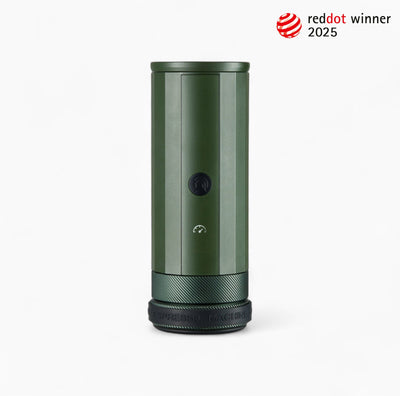
The Pneumatic Portable Espresso Maker 9 Bar Pressure solves this extraction challenge by delivering consistent 9-bar pressure wherever you brew. Its pneumatic system eliminates the variables that plague electric machines, giving you complete control over pressure profiling essential for blonde espresso success. The portable design means you can experiment with different brewing parameters and dial in your technique without being tethered to a countertop setup.

Pneumatic Portable Espresso Maker 9 Bar Pressure
$255.90 $425.00
Brew cafe-quality blonde espresso anywhere with this portable 9-bar pneumatic espresso maker, perfect for extracting delicate light roast flavors on the go.
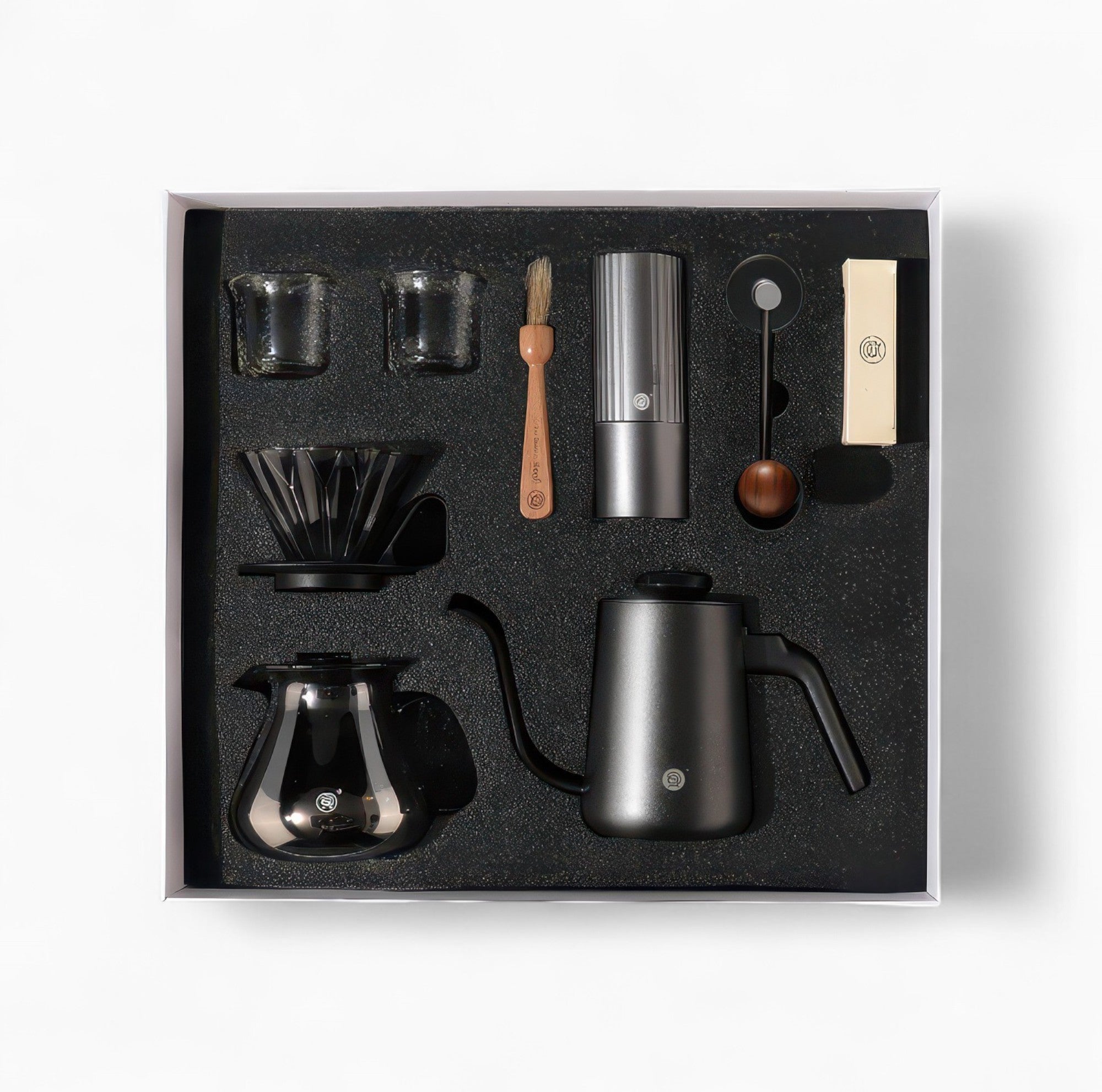
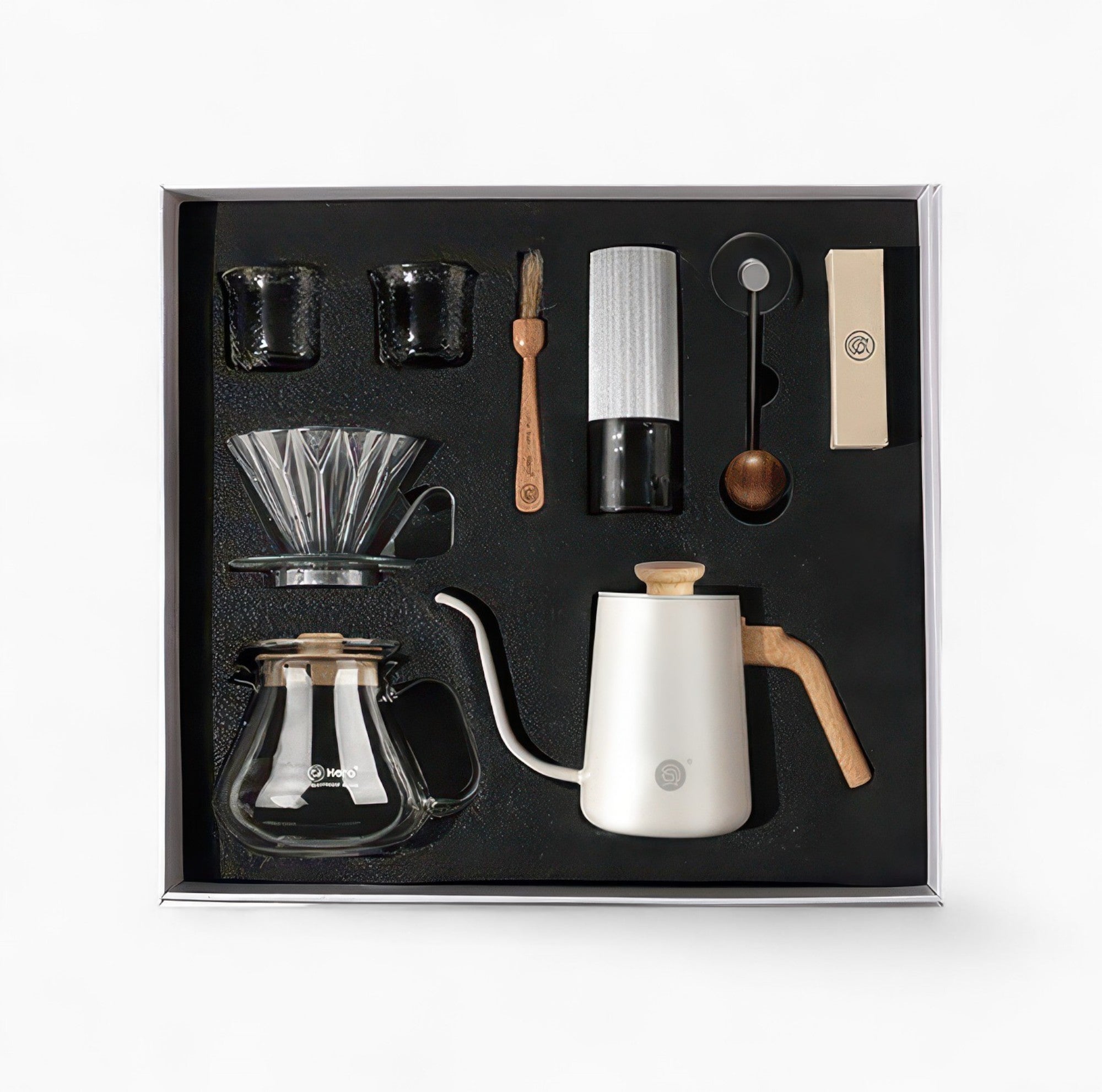
Explore ProductBeyond the espresso machine itself, brewing blonde espresso benefits from complementary equipment. Precise water temperature measurement becomes crucial when working with lighter roasts that demand higher brewing temperatures. The Complete Pour Over Coffee Kit with Grinder and Kettle includes temperature-controlled pouring, which helps you practice the precise brewing techniques that translate directly to better blonde espresso extraction.
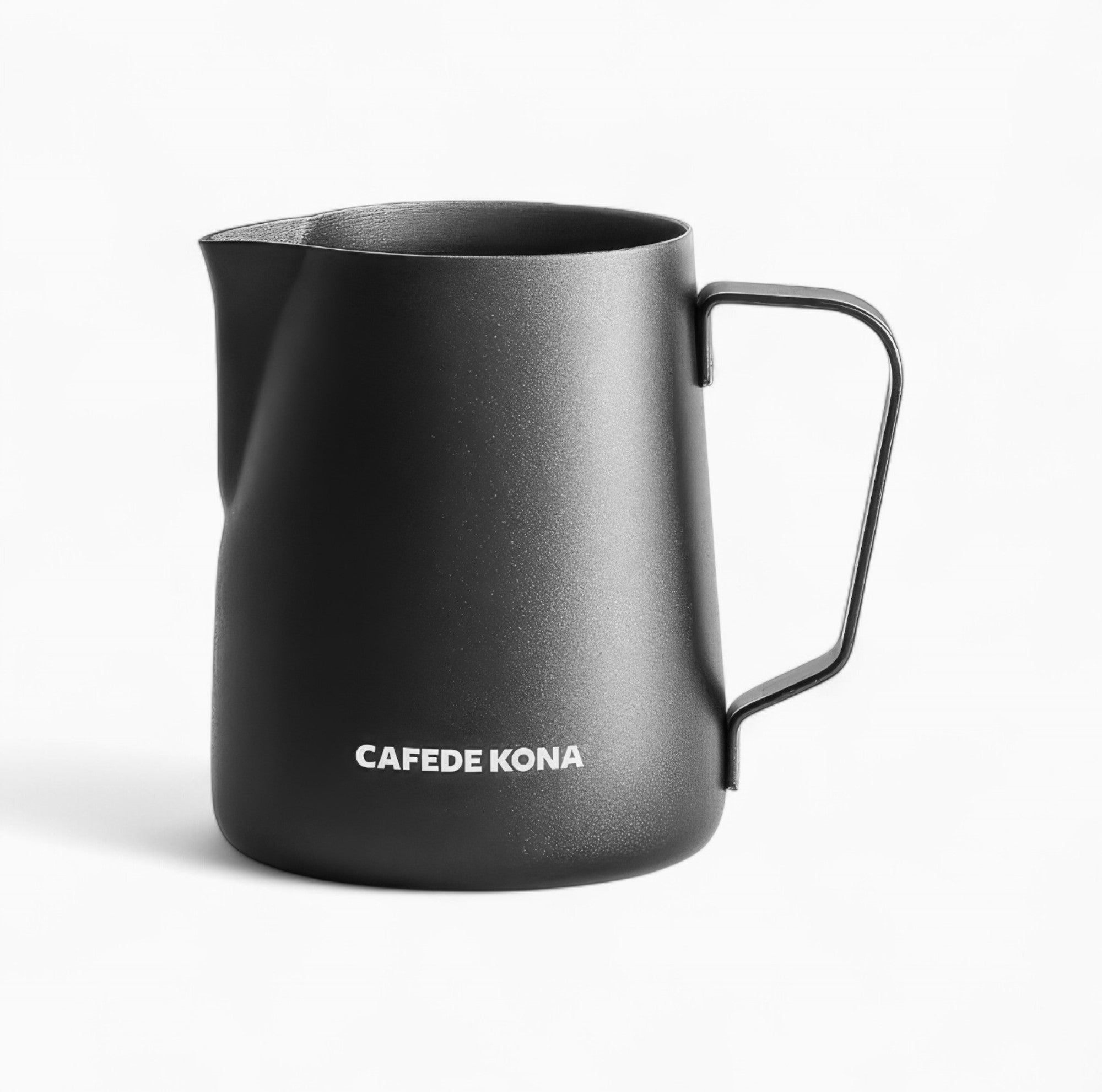
Once you've pulled that perfect blonde shot, milk texture matters enormously. The delicate flavors of blonde espresso can be overwhelmed by heavy, overheated milk. The Stainless Steel Latte Art Pitcher provides the thin spout and capacity needed for creating silky microfoam that complements rather than competes with your blonde espresso's subtle flavor notes.
Essential Tools for Blonde Espresso Mastery

Complete Pour Over Coffee Kit with Grinder and Kettle
$235.90
$360.00
Master the art of blonde roast brewing with this complete pour over kit featuring precision grinding and temperature control for optimal light roast extraction. Learn more ➔

Stainless Steel Latte Art Pitcher for Espresso
$32.90
$55.00
Create silky microfoam for your blonde espresso drinks with this precision latte art pitcher designed for smooth milk texture and controlled pours. Learn more ➔
Conclusion
Blonde espresso represents an exciting frontier for home baristas ready to explore beyond traditional dark roasts. Its bright acidity, complex origin flavors, and delicate body offer a completely different coffee experience that rewards careful technique and quality equipment. While blonde roast demands more precision in extraction, the resulting cups showcase flavors you simply can't achieve with darker roasts.
At Rethink Cafe, we understand that brewing exceptional espresso requires more than just great beans. The tools you use directly impact your ability to extract the subtle notes that make blonde espresso worth the effort. Whether you're dialing in your first blonde shot or refining your technique, investing in equipment designed for precision extraction makes every cup more rewarding.
Frequently Asked Questions about Blonde Espresso
Blonde espresso refers to coffee beans that have been roasted to a lighter level than traditional espresso roasts. The beans are removed from the roaster shortly after the first crack, preserving more of their natural origin characteristics, higher acidity, and delicate flavor notes. Popularized by major coffee chains, blonde espresso offers a brighter, more nuanced coffee experience compared to the bold, roasted flavors of dark espresso.
Blonde espresso isn't technically stronger than regular espresso, though its higher acidity can create a more intense sensory experience. When measured by weight, blonde espresso actually contains slightly more caffeine (about 10-15mg more per shot) because the denser beans retain more caffeine. However, dark roast tastes "stronger" to many people due to its bold, bitter, and roasted flavor profile. The actual difference in caffeine content is minimal.
Blonde espresso tastes significantly different from dark espresso. Expect bright citrus acidity, floral aromatics, fruit-forward sweetness (berries, stone fruit), and nutty or grain-like undertones. The body is lighter and cleaner, with a tea-like quality rather than the heavy, syrupy mouthfeel of traditional espresso. The flavor profile emphasizes origin characteristics rather than roasted, caramelized notes.
When compared by weight, blonde espresso contains slightly more caffeine than dark roast espresso because lighter roasted beans are denser and lose less mass during roasting. The caffeine content remains fairly stable during roasting, but the beans themselves shrink less. By volume (scoops), dark roast may contain more caffeine because the beans expand and become less dense. Overall, the difference is minimal—typically only 10-15 milligrams per shot.
Blonde espresso differs from dark roast in roast level, flavor profile, acidity, and extraction requirements. Blonde roasts are light to medium-light with higher acidity, origin-forward flavors (fruity, floral), and require hotter water and finer grinding to extract properly. Dark roasts are medium-dark to dark with lower acidity, roast-forward flavors (chocolate, caramel), and are more forgiving during extraction. Blonde espresso showcases terroir while dark roast emphasizes the roasting process.