Walking into a specialty coffee shop and facing a menu full of espresso drinks can feel overwhelming at first. From creamy lattes to bold americanos, understanding the differences between these beloved beverages transforms your daily coffee ritual into a curated experience. Whether you are a home barista perfecting your morning routine or a curious enthusiast exploring café culture, this comprehensive guide will demystify every espresso-based beverage you are likely to encounter. You will discover the precise ratios that define each drink, the equipment that elevates your results, and how the right tools from Rethink Cafe can help you recreate café-quality beverages in your own kitchen.
What Are Espresso Drinks?
Espresso drinks are beverages built around one fundamental ingredient: espresso. This concentrated coffee extraction forms the foundation of dozens of popular drinks found in coffee shops around the world. Unlike regular drip coffee, espresso is produced by forcing hot water through finely ground coffee under high pressure, typically 9 bars, creating a rich, complex flavor profile topped with a layer of golden crema.
The beauty of espresso-based beverages lies in their versatility. By manipulating variables like milk quantity, texture, and temperature, along with additional water or flavorings, a single shot of espresso becomes the canvas for countless variations. Understanding these distinctions helps you order with confidence and craft drinks that match your exact taste preferences at home.

The Complete Espresso Drink Guide
Mastering the menu starts with knowing your categories. Coffee drinks with espresso typically fall into two main groups: black drinks and milk-based beverages. Each category offers distinct flavor experiences and caffeine strengths tailored to different moments and moods throughout your day.
Black Espresso Drinks
- Espresso (Doppio): The purest form. A single shot contains approximately 1 ounce, while a double shot (doppio) delivers 2 ounces of concentrated coffee with robust crema.
- Americano: Espresso diluted with hot water, creating a drink similar in strength to drip coffee but with espresso's characteristic flavor profile. Typically uses a 1:2 to 1:3 ratio of espresso to water.
- Long Black: Similar to an americano but with espresso poured over water, preserving the crema layer. The preferred method in Australia and New Zealand.
Milk-Based Espresso Beverages
- Latte: Creamy and mild, featuring one shot of espresso topped with 8-12 ounces of steamed milk and a thin layer of microfoam. The most popular espresso drink worldwide.
- Cappuccino: Balanced and foamy, traditionally prepared with equal parts espresso, steamed milk, and thick milk foam (1:1:1 ratio).
- Flat White: An Australian creation featuring espresso with velvety steamed milk and minimal microfoam, typically 5-6 ounces total volume for an intense coffee flavor.
- Cortado: Equal parts espresso and steamed milk (1:1 ratio) with no foam, originally from Spain. Strong coffee flavor with silky texture.
- Macchiato: Espresso marked with just a dollop of foamed milk. In Italy, this means a simple stain of milk; the Starbucks caramel version is a modern interpretation.
Understanding Espresso-to-Milk Ratios
The defining characteristic of any espresso-based beverage is its ratio of coffee to dairy or water. These proportions determine mouthfeel, flavor intensity, and overall drinking experience. Here is how professional baristas differentiate between similar-seeming drinks:
| Drink Name | Espresso Base | Milk/Water Volume | Characteristic |
|---|---|---|---|
| Espresso Doppio | 2 shots (2 oz) | None | Concentrated, intense |
| Americano | 1-2 shots | 4-6 oz hot water | Smooth, drip-like |
| Cortado | 1-2 shots | 2 oz steamed milk | Bold, velvety |
| Flat White | 2 shots | 4-6 oz microfoam milk | Rich, creamy |
| Cappuccino | 1-2 shots | 4-5 oz foam milk | Frothy, balanced |
| Latte | 1-2 shots | 8-12 oz steamed milk | Mild, milky |
These ratios matter because they control temperature retention and flavor balance. Drinks with more milk stay warm longer but taste milder. Black espresso drinks cool faster but preserve origin characteristics and tasting notes more prominently.
How to Make Espresso Drinks at Home
Learning how to make espresso drinks at home requires understanding the fundamentals of extraction and milk preparation. The process begins with properly dialled-in espresso—freshly ground beans, correct dose, even distribution, and consistent tamping pressure yield a 25-30 second extraction with balanced sweetness and acidity.
For milk-based drinks, achieving microfoam texture separates amateur results from professional-quality beverages. Your milk should have the glossy sheen of wet paint with no visible bubbles. This velvety texture integrates smoothly with espresso crema, creating the sweetness that defines great lattes and cappuccinos.

Once you master the basics, experiment with drink variations. Add chocolate syrup for a mocha, caramel for a macchiato twist, or spices like cinnamon and nutmeg for seasonal favorites. The foundational techniques remain the same regardless of your flavor additions.

Pneumatic Portable Espresso Maker 9 Bar Pressure
$255.90 $425.00
Pull café-quality espresso anywhere with this portable 9-bar pneumatic maker. Perfect for crafting any espresso drink, whether at home or on the go.
Explore ProductEquipment Essentials for Crafting Espresso Beverages
Creating café-quality results demands the right equipment. Beyond your espresso machine, several tools significantly impact drink quality. A quality grinder with consistent particle size ensures proper extraction. A precise scale guarantees your doses remain consistent shot-to-shot. And specialized pitchers and cups designed for espresso drinks enhance both preparation and presentation.
For milk-based recipes, your choice of pitcher directly influences texture and latte art capability. The handle design, spout shape, and volume capacity all contribute to control during steaming and pouring. Similarly, serving vessels matter for temperature maintenance and aesthetic appeal. Double-wall construction keeps drinks hot while remaining cool to the touch.
Complete Your Home Barista Setup

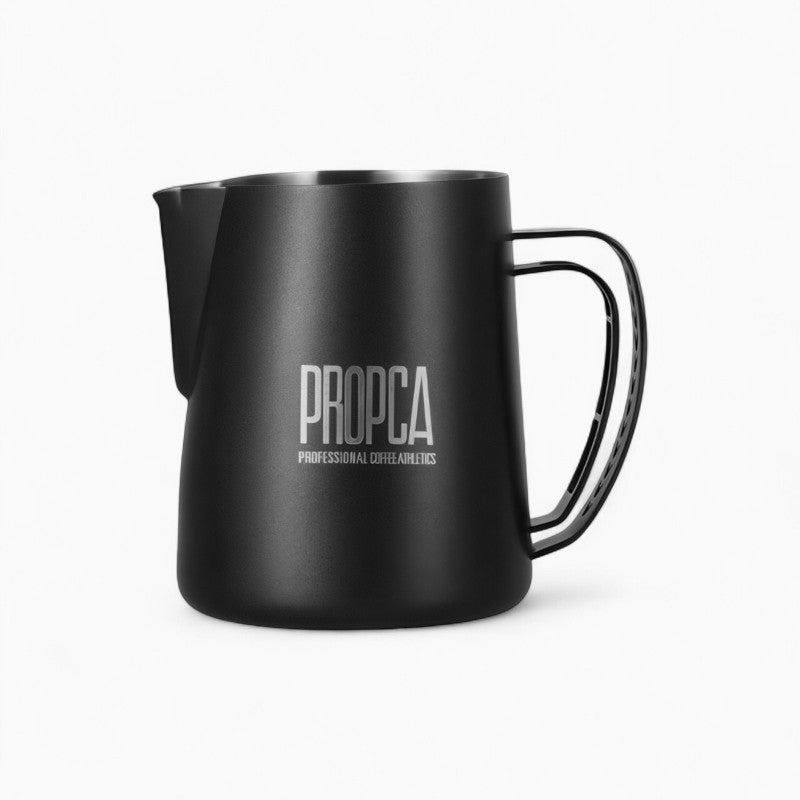
Double Wing Latte Art Pitcher 600ml Stainless Steel
$54.90
$92.00
Master milk-based espresso drinks with this precision pitcher. The double-wing design gives you the control to pour perfect rosettas on every latte. Learn more ➔

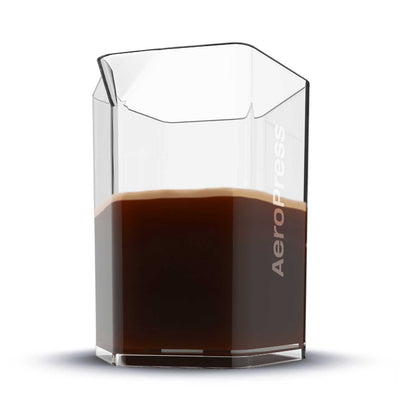
Serve your espresso drinks in style with these insulated glass cups. Keeps drinks hot while the exterior stays cool to the touch. Learn more ➔



Choosing the Right Espresso Drink for You
Your ideal espresso-based beverage depends on personal taste preferences and the time of day. If you enjoy pure coffee flavors without dairy, black drinks like americanos highlight origin characteristics distinctly. For those who prefer creamy, comforting beverages, milk-based options offer endless variety from the subtle sweetness of a latte to the foam-forward texture of a cappuccino.
Consider the caffeine content as well. Most standard coffee drinks contain similar espresso bases, meaning caffeine levels remain fairly consistent across the menu. The difference lies in volume: a flat white delivers concentrated caffeine in a small package, while a latte spreads that same caffeine over a larger, more gradual drinking experience.

Conclusion
Understanding espresso drinks opens a world of flavor possibilities for every coffee lover. From the intense simplicity of a doppio to the velvety layers of a cortado, each espresso-based beverage offers a unique window into coffee culture. The key to mastering these drinks lies not just in knowing the ratios, but in having the proper equipment to execute them consistently. At Rethink Cafe, we curate the tools that help home baristas transform raw ingredients into café-quality creations. Whether you need a portable solution for travel or premium glassware for your home setup, our collection supports your journey through every type of espresso drink imaginable.
Frequently Asked Questions About Espresso Drinks
The main types of espresso drinks include black beverages like espresso shots and americanos, and milk-based options including lattes, cappuccinos, flat whites, cortados, and macchiatos. Each varies by the ratio of espresso to water or milk, foam quantity, and serving size. Additional variations include mochas (with chocolate), red eyes (with drip coffee), and seasonal specialties like pumpkin spice lattes.
A latte contains 8-12 ounces of steamed milk with only a thin layer of foam, creating a creamy, mild drink. A cappuccino traditionally uses equal parts espresso, steamed milk, and thick foam (about 5-6 ounces total), resulting in a drier texture with more pronounced coffee flavor. The cappuccino's dense foam also makes latte art more challenging compared to the microfoam surface of a latte.
Making espresso drinks at home requires an espresso machine (or portable espresso maker), a grinder capable of fine adjustments, and fresh coffee beans. Start by dialing in your espresso shot for 25-30 seconds extraction. For milk drinks, steam milk to 150-160°F while creating microfoam texture. Pour according to your chosen drink's ratio specifications. Quality equipment like precision pitchers and proper cups from specialty retailers improves results significantly.
Common ratios include: Cortado (1:1 espresso to steamed milk), Cappuccino (1:1:1 espresso to steamed milk to foam), Latte (1:4 to 1:8 espresso to steamed milk with thin foam), Flat White (1:2 espresso to velvety microfoam milk), and Macchiato (espresso with just a dollop of foam). These ratios determine flavor intensity, mouthfeel, and presentation possibilities for each espresso-based beverage.
Essential equipment includes: an espresso machine or portable espresso maker, a burr grinder for consistent particle size, a precision scale for dosing, and a tamper for compression. For milk drinks, you need a steaming pitcher (preferably with specialized spouts for latte art) and a thermometer (or hand technique for temperature judging). Specialized espresso cups enhance serving and temperature maintenance, while knock boxes and tamping mats keep your station organized.