What Is Coffee Made Of?
Contrary to popular belief, coffee doesn't grow as the dark brown beans you'll find at your local roaster. Coffee actually begins its life as a bright red or purple fruit called a coffee cherry, which grows on evergreen shrubs belonging to the Coffea genus.Inside each cherry lies the treasure we seek: typically two seeds nestled together, facing each other flat side to flat side. These seeds are what we call coffee beans, though they're technically seeds rather than legumes. The anatomy of a coffee cherry includes several layers:- Exocarp: The outer skin of the cherry
- Mesocarp (pulp): The sweet, fleshy fruit layer beneath the skin
- Mucilage: A sticky, honey-like layer surrounding the seeds
- Parchment (endocarp): A protective paper-like hull encasing the beans
- Silver skin: A thin membrane clinging to the green coffee bean

Where Does Coffee Come From?
Coffee's story begins in the ancient highlands of Ethiopia, where legend tells of a goat herder named Kaldi who discovered the energizing effects of coffee cherries in the 9th century. From these mountainous forests, coffee cultivation spread across the Arabian Peninsula, reaching Yemen by the 15th century, where the first coffee houses emerged in cities like Mecca and Constantinople.Today, specialty coffee grows exclusively within the "Coffee Belt," a region between 25° North and 30° South of the equator. This band provides the ideal combination of altitude, temperature, rainfall, and soil composition that coffee plants demand.The major coffee origins include:- Ethiopia: The birthplace of coffee, known for fruity, floral profiles with bright acidity
- Colombia: Producing balanced coffees with caramel sweetness and nutty undertones
- Brazil: The world's largest producer, offering chocolatey, low-acid coffees perfect for espresso blends
- Vietnam: A major Robusta producer, contributing to strong, bold coffee experiences
- Guatemala, Costa Rica, Kenya: Each offering unique terroir-driven flavor characteristics
What Are the Different Types of Coffee Beans?
While over 100 coffee species exist, commercial production focuses primarily on two varieties that dominate global markets: Arabica and Robusta. Understanding their differences is essential for any coffee enthusiast.Arabica Coffee (Coffea arabica)
Accounting for approximately 60-70% of world production, Arabica represents the gold standard for specialty coffee. These plants thrive at higher elevations with cooler temperatures and require more careful cultivation. Arabica beans offer:- Complex flavor profiles with sweetness, fruit notes, and pleasant acidity
- Lower caffeine content (approximately 1.2-1.5%)
- Higher lipid and sugar content contributing to body and sweetness
- More delicate, vulnerable to pests and environmental changes
Robusta Coffee (Coffea canephora)
Grown primarily in Africa and Southeast Asia, Robusta comprises about 30-40% of global production. These hardy plants withstand lower altitudes, warmer climates, and resist disease better than their Arabica cousins. Robusta characteristics include:- Bold, earthy flavors with higher bitterness and less acidity
- Significantly higher caffeine content (approximately 2.2-2.7%)
- Creamy, thick crema when used in espresso
- Higher chlorogenic acid content, contributing to antioxidant properties
How Is Coffee Processed From Bean to Cup?
The transformation from cherry to roasted bean involves several critical steps that profoundly impact flavor. Coffee processing methods can be as influential as variety or origin in determining your final cup's character.Harvesting and Processing Methods
After hand-picking or strip-picking ripe cherries, producers choose from three primary processing techniques:
The Roasting Journey
Once processed and dried, green coffee beans embark on their final transformation. Coffee roasting is both art and science, requiring precise temperature control and timing to unlock each bean's potential.Roast levels dramatically affect taste:- Light Roast: Retains origin character with bright acidity, floral and fruity notes
- Medium Roast: Balances acidity with developing caramelization, offering approachable sweetness
- Medium-Dark Roast: Prominent body with bittersweet chocolate notes and reduced acidity
- Dark Roast: Bold, smoky flavors with minimal origin character, emphasizing roast-derived tastes

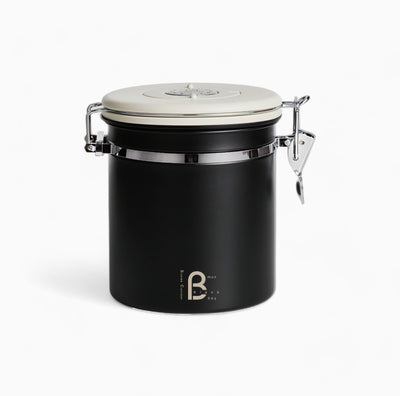
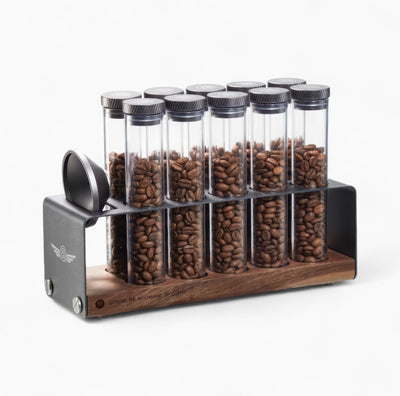
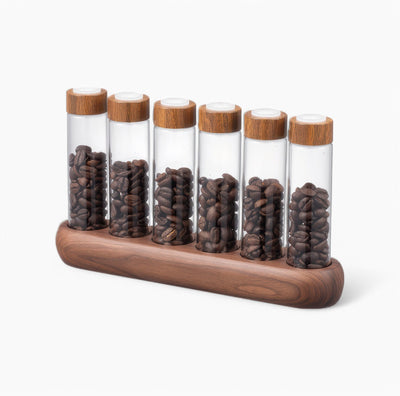
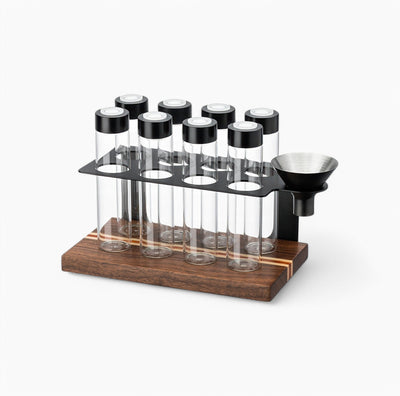
Coffee Bean Storage Tubes with One Way CO2 Valve
$12.90 $22.00
Keep your coffee beans fresh with airtight single-dose storage tubes featuring one-way CO2 valves that preserve peak flavor from roast to grind.
Explore ProductThe Art of Brewing Coffee
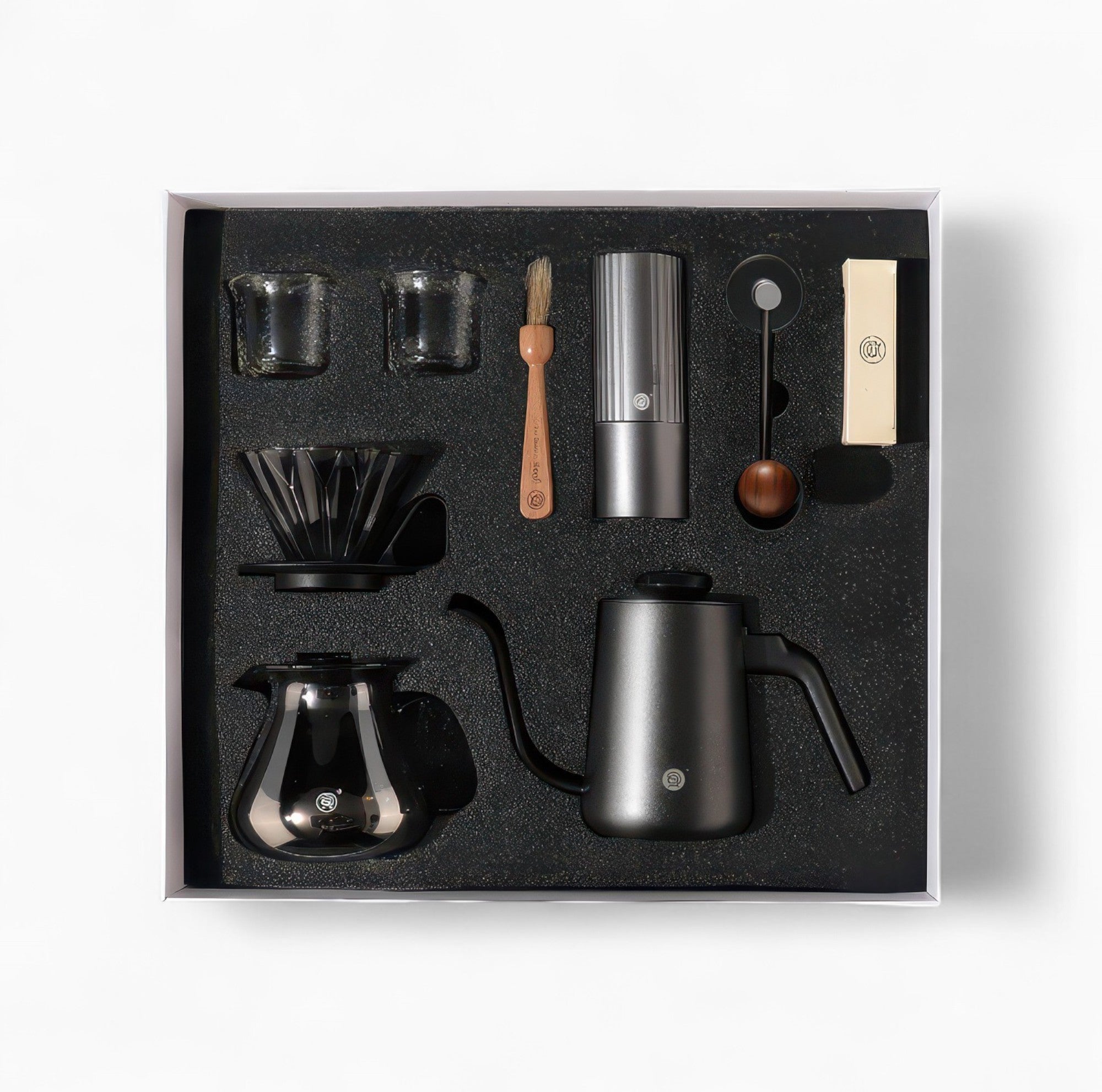
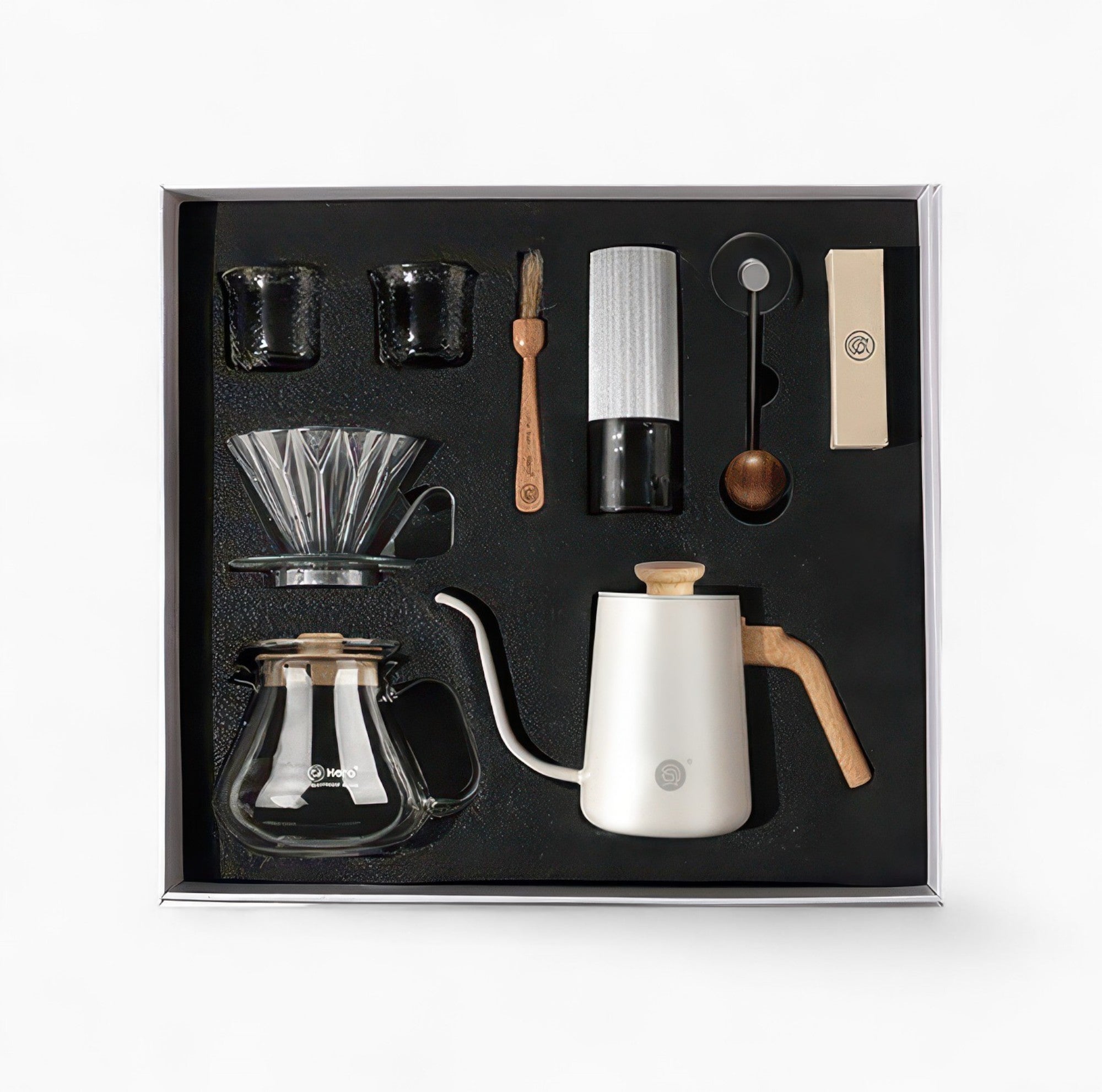
After roasting, your coffee enters its final phase: brewing. Countless methods exist, each extracting different qualities from the grounds. From espresso machines that force pressurized water through finely-ground coffee to pour-over techniques that highlight delicate aromatics, the brewing method you choose shapes your experience dramatically.The Complete Pour Over Coffee Kit with Grinder and Kettle offers everything needed to master this elegant brewing style. Precision-grind coffee, control water temperature, and pour with intention to unlock flavors that automatic machines simply cannot achieve.For those seeking to savor every nuance, the Ceramic Gradient Coffee Cup for Espresso Tasting transforms drinking into discovery. The flared rim design channels aromatics directly to your senses, revealing notes you might otherwise miss.
Essential Equipment for Your Coffee Journey

Complete Pour Over Coffee Kit with Grinder and Kettle
$235.90
$360.00
Everything you need to brew exceptional coffee at home: precision grinder, temperature-controlled kettle, and premium glassware for cafe-quality results. Learn more ➔

Ceramic Gradient Coffee Cup for Espresso Tasting
$22.90
$38.00
Experience every subtle note in your coffee with this 180ml porcelain tasting cup featuring a flared rim for enhanced aroma delivery. Learn more ➔
Storing Your Coffee for Maximum Freshness
Even the finest beans lose their magic without proper storage. Oxygen, light, heat, and moisture are coffee's mortal enemies, rapidly degrading volatile aromatic compounds that define great flavor. Ground coffee deteriorates within minutes of exposure, while whole beans maintain peak quality for approximately 2-4 weeks after roasting.Your Coffee Journey Starts Here
From the misty highlands of Ethiopia to the cup warming your hands, coffee represents one of humanity's most extraordinary agricultural achievements. Each step—cultivation, processing, roasting, and brewing—contributes to the final sensory experience we cherish daily.Understanding what coffee is empowers you to make informed choices about the beans you buy and how you prepare them. Whether you're drawn to bright, fruity Ethiopian naturals or bold, chocolatey Brazilian blends, knowledge transforms consumption into appreciation.At Rethink Cafe, we're dedicated to equipping home baristas with the tools needed to honor this remarkable beverage. From precision grinders and temperature-controlled kettles to specialized tasting cups and innovative storage solutions, every product we offer serves one purpose: helping you brew coffee worthy of its rich heritage.Frequently Asked Questions About Coffee
Coffee is made from the seeds (commonly called beans) of the Coffea plant's fruit, known as coffee cherries. Each cherry typically contains two seeds that undergo processing, roasting, and grinding before brewing. The beans are actually the pit of the cherry, with layers including skin, pulp, mucilage, and parchment surrounding the seed that eventually becomes your roasted coffee.
Coffee originated in Ethiopia, where it was discovered centuries ago. Today, coffee grows in the "Coffee Belt" between 25° North and 30° South of the equator. Major producing countries include Brazil (the world's largest producer), Colombia, Vietnam, Ethiopia, Indonesia, and Honduras. Each region's unique climate, soil, and altitude contribute distinct flavor characteristics to their coffees.
The four main types of coffee beans are Arabica, Robusta, Liberica, and Excelsa. Arabica dominates specialty coffee with its sweet, complex flavors. Robusta offers bold, earthy tastes with higher caffeine. Liberica and Excelsa remain rare, contributing unique profiles to specific regional blends. For everyday consumption, you'll primarily encounter Arabica and Robusta varieties.
Coffee processing involves harvesting ripe cherries, then removing fruit layers through washed (wet), natural (dry), or honey processing methods. After drying, the beans are milled to remove parchment, then roasted to develop flavor. Finally, the roasted beans are ground and brewed using methods like pour-over, espresso, French press, or drip brewing to create your cup of coffee.
Arabica and Robusta differ significantly in taste, growing conditions, and caffeine content. Arabica beans offer sweeter, more complex flavors with higher acidity, growing at higher elevations with more demanding cultivation requirements. Robusta produces stronger, more bitter coffee with approximately double the caffeine content, thriving in lower altitudes with greater disease resistance. Most specialty coffee uses 100% Arabica or Arabica-dominant blends.