Crafting the perfect espresso recipe is where science meets artistry in the coffee world. Whether you are a home barista just starting your journey or an enthusiast looking to refine your technique, understanding the precise relationship between ratio, dose, and extraction time transforms inconsistent shots into cafe-quality results every single time. The difference between a bright, balanced espresso and a bitter, over-extracted disappointment often comes down to a few grams or seconds.
At Rethink Cafe, we understand that achieving espresso perfection requires not only knowledge but also the right precision tools. In this comprehensive espresso guide, you will learn the fundamental principles that professional baristas use daily, discover how to dial in your variables for any coffee bean, and understand exactly why your shots might be missing the mark. By the end, you will have the framework to create your own flawless espresso recipe tailored to your taste preferences.
Understanding Espresso Ratio: The Foundation of Flavor
The brew ratio defines the relationship between the dry coffee dose and the liquid espresso yield. Think of it as your recipe's blueprint. A traditional double espresso typically follows a 1:2 ratio, meaning 18 grams of dry coffee yields approximately 36 grams of liquid espresso. However, modern specialty coffee has expanded this range significantly.
Baristas now experiment with ratios from 1:1.5 (ristretto) to 1:3 or even 1:4 (lungo-style shots). A lower ratio produces a more concentrated, intense shot with pronounced body, while higher ratios extract more solubles, potentially highlighting different flavor notes. For beginners, we recommend starting with a 1:2 ratio and adjusting based on taste preferences.

To dive deeper into understanding how ratio impacts your final cup, watch this excellent breakdown from our friends at the Espresso School:
Mastering Espresso Dose: Precision in Every Gram
Your espresso dose refers to the amount of ground coffee placed in the portafilter basket. This is where precision becomes non-negotiable. For double shots, most baristas use between 18 and 20 grams of coffee, though single shots typically range from 7 to 9 grams. However, your dose must match your basket capacity. Using a 22g dose in an 18g basket leads to uneven extraction and messy results.
Consistency matters enormously here. Even a 0.5-gram variation can shift extraction significantly because it changes bed depth, density, and water flow patterns. This is why investing in a quality Smart Coffee Dosing Scale with 0.1g Precision removes guesswork from your morning routine.

Choosing Your Dose Based on Basket Size
Before selecting your dose, identify your portafilter basket's rated capacity. Most standard double baskets accommodate 16-20g, while triple baskets handle 20-22g. The golden rule is staying within 1-2 grams of the manufacturer's recommendation. This ensures proper headspace between the puck and shower screen, allowing water to distribute evenly across the entire coffee bed.
Pro Tip: Once you determine your ideal dose for a specific coffee, keep it constant while adjusting grind size and yield to dial in flavor. Changing multiple variables simultaneously makes troubleshooting nearly impossible.
Perfecting Extraction Time: The 25-30 Second Window
Extraction time measures how long water contacts the coffee grounds, typically ranging from 25 to 30 seconds for optimal flavor balance. Shots pulling faster than 20 seconds often taste sour, thin, and underdeveloped. Conversely, extractions exceeding 35 seconds tend toward bitterness, dryness, and over-extraction.
Time itself is merely an indicator. The real goal is balanced flavor. Start timing from the moment you activate the pump until you reach your target yield. If your shot completes in 22 seconds but tastes delicious, trust your palate. However, significant deviations from the standard window usually signal grind or distribution issues requiring attention.

For more insights on extraction science and timing, explore the detailed research from Science Direct's coffee extraction studies.
The Art of Dialing In: When Your Espresso Runs Too Fast or Slow
Understanding the interplay between ratio, dose, and time becomes crucial when troubleshooting. If your espresso runs too fast (under 20 seconds), the grind is likely too coarse, creating channels that water rushes through. Alternatively, uneven puck preparation causes channeling even with proper grind size.
When shots pull too slowly (over 35 seconds), the grind may be too fine, or excessive coffee in the basket creates excessive resistance. The frustration of inconsistent shots often stems from inadequate distribution and tamping technique. Water finds the path of least resistance, and any unevenness results in partial extraction—affecting both time and taste.
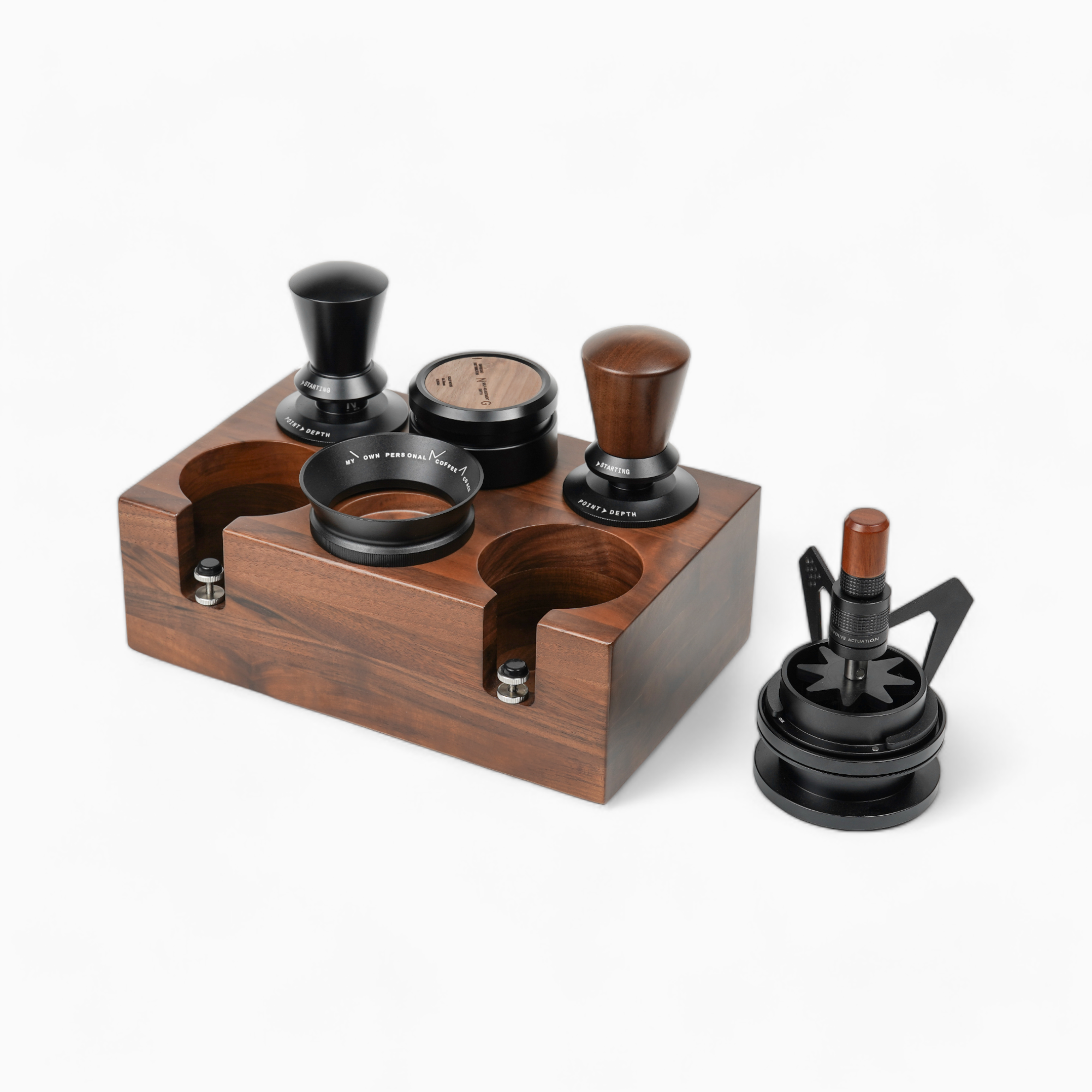
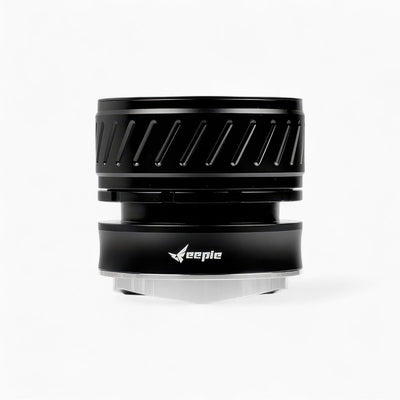
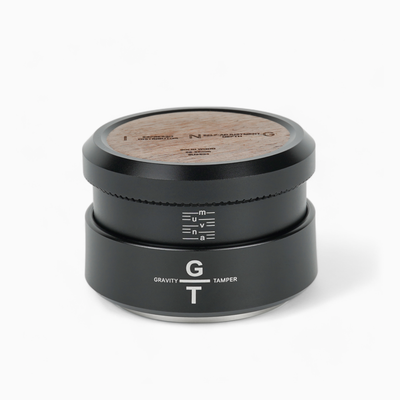
This is where professional-grade preparation tools make the difference between guesswork and consistency. Proper distribution eliminates the variable of uneven coffee beds, while calibrated tampers ensure optimal pressure application.

Barista Master Bundle Kit with Tamper and Distributor
$324.90 $382.00
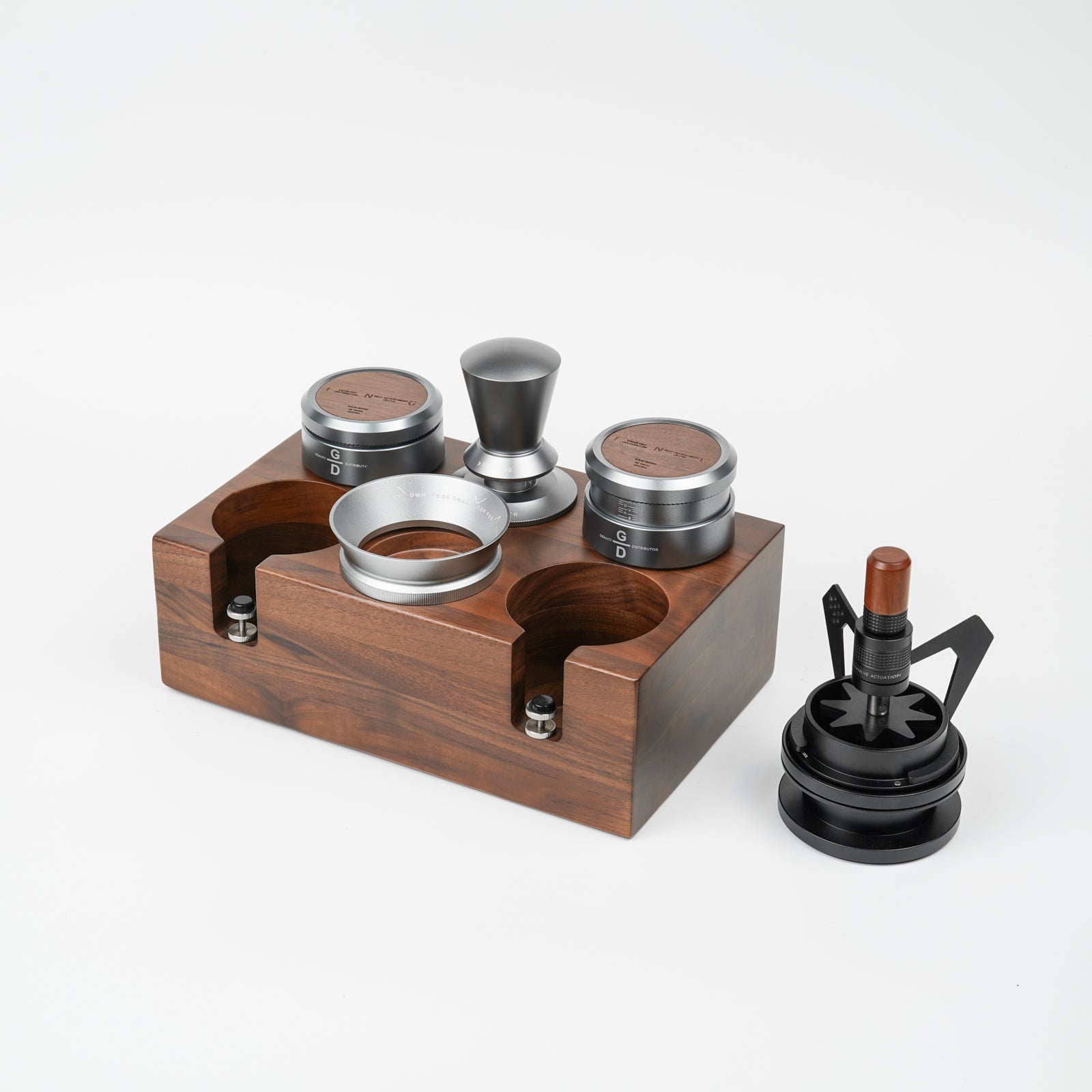
Transform your espresso routine with this complete workflow solution including gravity distributor, adjustable tampers, and magnetic dosing ring for professional-level shot preparation.
Explore ProductFor additional guidance on dialling in techniques and troubleshooting common espresso problems, the Perfect Daily Grind offers extensive resources for both beginners and advanced baristas.

Building a Repeatable Espresso Workflow
Consistency separates amateur attempts from professional results. Once you establish your preferred espresso recipe, document every parameter: dose, grind setting, ratio, time, and bean details. This enables you to recreate success and systematically adjust when introducing new coffees.
Your workflow should include precise weighing of both input (ground coffee) and output (liquid espresso). Drawing a target yield range on your cup helps visualize the extraction process, though many baristas prefer weighing the final shot for accuracy. Remember that different coffees—light roasts versus dark roasts, single origins versus blends—respond differently to identical parameters. Light roasts often benefit from higher ratios (1:2.5 to 1:3) and slightly finer grinds to achieve proper extraction.
Precision Tools for Perfect Espresso

Smart Coffee Dosing Scale with 0.1g Precision
$105.90
$177.00
Achieve precise dosing accuracy with this integrated scale and dosing cup, delivering 0.1g precision to ensure consistent espresso shots every time. Learn more ➔

Professional Barista Starter Kit with Tamper and WDT
$139.90
$260.00
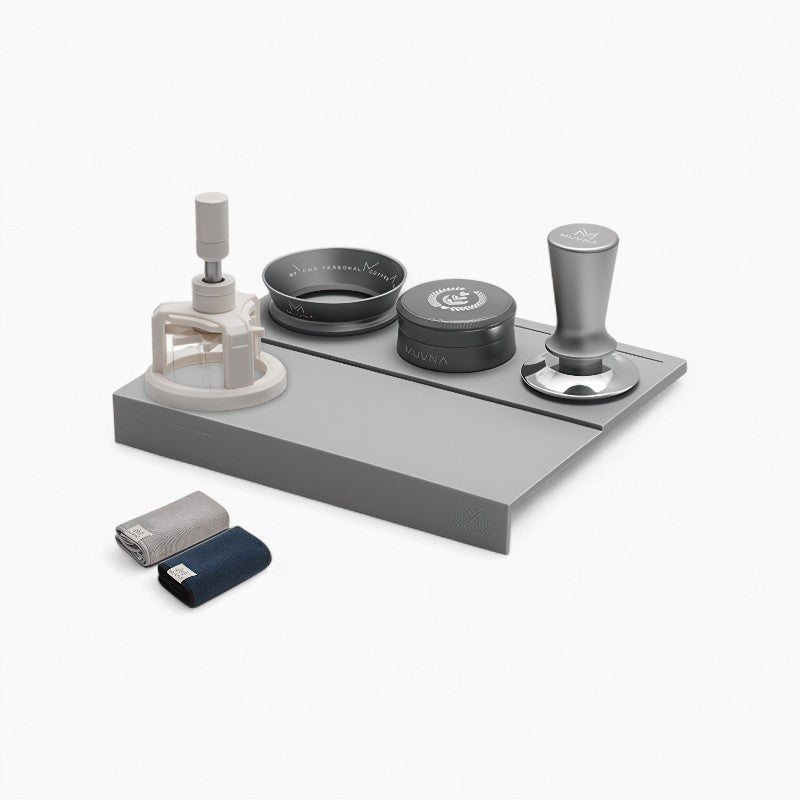
Five precision tools designed to eliminate channeling and deliver consistent extraction, including constant pressure tamper, gravity distributor, and magnetic WDT needle tool. Learn more ➔
Putting It All Together: Your Complete Espresso Recipe
Start with a standard baseline and adjust based on taste. Use an 18g dose with a 1:2 ratio targeting 36g output in 25-30 seconds. Taste the result, then modify one variable at a time. If the shot tastes sour or salty, try a finer grind or higher ratio. If bitter or dry, coarsen the grind or reduce the ratio.
Mastery comes through repetition and attentiveness. The best baristas treat every shot as data, refining their approach based on sensory feedback. With the right espresso recipe framework and quality equipment, you will develop an intuitive understanding of how these variables interact.
Quick Reference Formula: Dose (18-20g) x Ratio (1:2) = Yield (36-40g) in 25-30 seconds. Adjust grind to hit time, adjust ratio to hit flavor.
Elevating Your Home Espresso Game with Rethink Cafe
Understanding the theory behind the perfect espresso shot represents only half the equation. Executing that knowledge demands precision tools designed to eliminate the variables that plague inconsistent extractions. From accurate dosing scales that measure to 0.1g to distribution tools that ensure even water flow, every detail impacts your final cup.
At Rethink Cafe, we curate professional-grade espresso equipment specifically for home baristas who refuse to compromise on quality. Our selection of precision preparation tools, bundled workflow solutions, and measuring devices transforms your kitchen into a professional coffee bar. Whether you are troubleshooting channeling issues, perfecting your tamp technique, or simply seeking that elusive cafe-quality consistency, we have the tools and expertise to support your journey.
The difference between good espresso and exceptional espresso lies in the details. With the knowledge from this guide and the right equipment from Rethink Cafe, you are now equipped to craft shots that rival your favorite coffee shop—morning after morning, without fail.
Frequently Asked Questions about Espresso Recipes
The perfect espresso ratio typically falls between 1:2 and 1:3, meaning 1 part coffee to 2-3 parts water. A classic double espresso uses a 1:2 ratio (18g coffee to 36g liquid). However, the ideal ratio depends on your taste preferences and coffee roast level. Light roasts often benefit from 1:2.5 or 1:3 ratios to extract more sweetness, while dark roasts work well with 1:2 or even 1:1.5 for bolder shots.
For a double espresso, use between 18-20 grams of coffee. Single shots typically require 7-9 grams. The key is matching your dose to your portafilter basket's rated capacity. Standard doubles use 16-20g baskets, while triple baskets handle 20-22g. Always weigh your dose with a 0.1g precision scale for consistency, as even half-gram variations significantly impact extraction.
Optimal espresso extraction time is generally 25-30 seconds. Shots pulling faster than 20 seconds often taste sour and underdeveloped, while extractions over 35 seconds tend toward bitterness and over-extraction. Start timing from pump activation until reaching your target yield. Adjust grind size finer to slow extraction or coarser to speed it up while keeping dose and ratio constant.
The best dose for a double shot is 18-20 grams for most modern espresso preparations. However, always check your basket's rated capacity, which is usually stamped or engraved on the basket itself. Traditional Italian doubles used 14g, but contemporary specialty coffee practices favor 18-20g for better extraction and flavor clarity. Consistency matters more than the exact number—choose a dose and stick with it while adjusting other variables.
Espresso runs too fast due to insufficient resistance in the coffee puck. Common causes include: grind size too coarse, dosing too low for your basket, uneven coffee distribution creating channels, or insufficient tamp pressure. Water always takes the path of least resistance. Fix this by grinding finer, verifying your dose matches basket capacity, using a distribution tool to level grounds, and applying consistent tamp pressure. The shot should resemble warm honey flowing rather than gushing or dripping.