
Coffee Cups & Mugs
10 products
Showing 1 - 10 of 10 products


Your morning ritual deserves more than a generic vessel. The right coffee cup or mug transforms every sip into a deliberate, sensory experience—one where temperature, weight, and form work together to honor the extraction you just pulled. At Rethink Cafe, our curated collection of coffee cups and mugs is built for people who care about every variable, from bean to brim.
Whether you are pouring a slow, syrupy espresso or steaming a velvety latte, the drinkware you choose shapes how you perceive flavor, aroma, and body. We have assembled a range that spans ceramic coffee mugs, double wall designs, glass options, and dedicated espresso cup sets—each selected with the same precision we bring to every piece of barista equipment in our lineup.
Why Your Coffee Cup Matters More Than You Think
Most people grab whatever is closest in the cabinet. But if you have spent time dialing in your grind, perfecting your dose, and eliminating channeling through careful puck prep, drinking from a poorly insulated, oversized mug undermines the result. The cup is the final link between your craft and your palate.
A well-designed coffee mug preserves the temperature window where complex flavors emerge. It keeps your cortado warm through those first critical minutes and presents crema with visual clarity. It feels balanced in your hand, neither too heavy nor flimsy.
Think of it this way: you would never brew specialty-grade beans in a machine clogged with stale oils. The same logic applies to what you drink from. The vessel matters.
Ceramic Coffee Mugs for Everyday Extraction
Ceramic remains the gold standard for daily coffee drinking, and for good reason. Fired clay is naturally porous enough to retain heat without reacting with the acids and oils in your brew. A quality ceramic coffee mug delivers a clean, neutral taste experience every time.
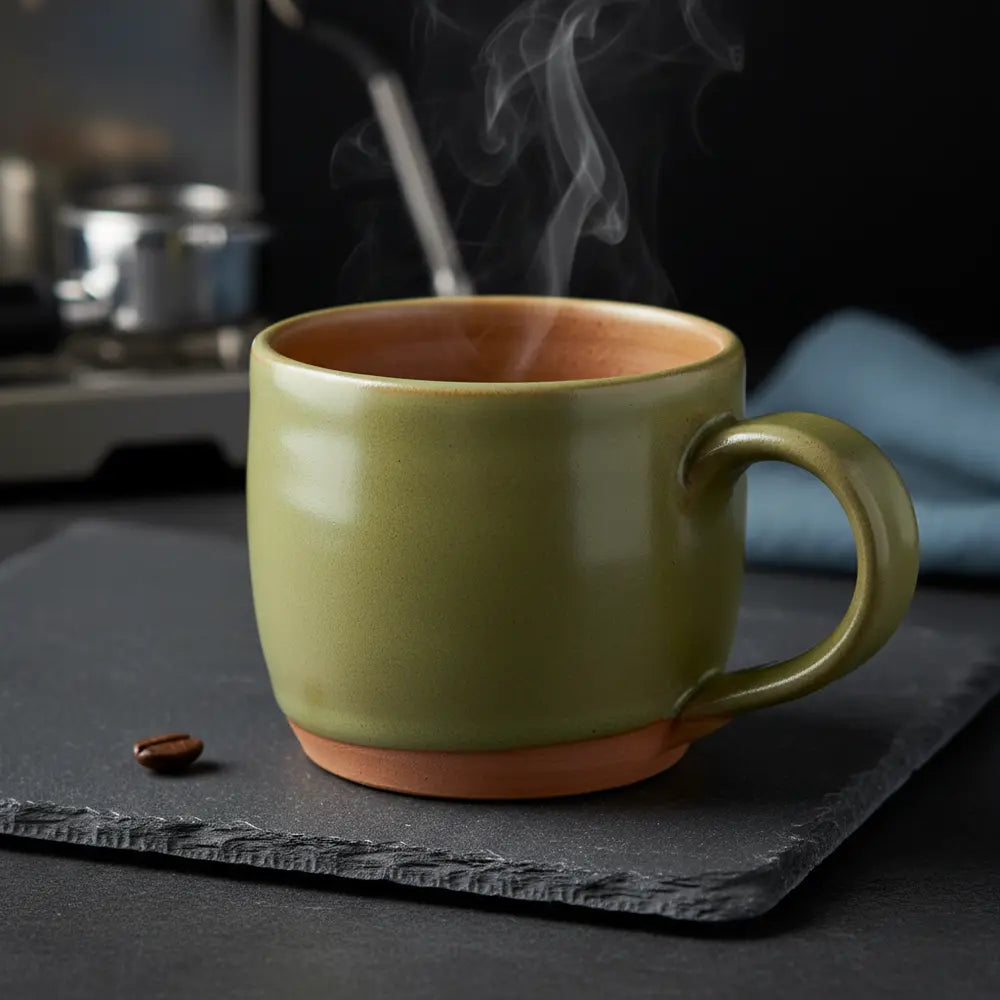
Our ceramic options range from minimalist stoneware pieces to artisan coffee mugs with hand-thrown character. Stoneware coffee mugs in particular offer a satisfying heft and exceptional thermal mass, meaning they absorb and hold heat longer than thinner-walled alternatives.
For home baristas who pull shots daily, a dedicated ceramic mug becomes part of the ritual. Many of our customers pre-heat their ceramic cups with hot water before pulling espresso—a simple habit that extends the optimal drinking window by several minutes.
Stoneware Versus Porcelain Coffee Cups
Both fall under the ceramic umbrella, but they serve different purposes. Stoneware coffee mugs are fired at higher temperatures, producing a dense, chip-resistant body that excels at heat retention. They tend to have thicker walls and an earthy, tactile quality.
Porcelain coffee cups, by contrast, are thinner and more refined. They are the classic choice for espresso service—light enough to lift with a saucer, elegant enough for guests, and smooth enough to showcase crema against a bright white interior. If you are building an espresso cup set for weekend entertaining, porcelain is the natural starting point.
Neither is objectively better. The choice depends on whether you prioritize rugged daily durability or refined presentation.
Double Wall Coffee Mugs and Thermal Performance
If heat retention is your primary concern, a double wall coffee mug is the most effective solution short of a vacuum-insulated travel vessel. The trapped air layer between the inner and outer walls acts as insulation, dramatically slowing heat transfer.
The practical benefit is straightforward. Your coffee stays hotter longer without burning your fingers. A standard single-wall ceramic mug loses noticeable heat within three to four minutes. A double wall design extends that comfortable drinking window significantly, often doubling it.
Double wall construction also eliminates condensation on cold drinks. If you enjoy iced lattes or cold brew in warmer months, these mugs keep your hands dry and your table free of rings. It is genuinely dual-purpose drinkware.
Glass Coffee Mugs with Double Wall Design
Glass coffee mugs with double wall construction offer something ceramic cannot: visual drama. Watching espresso layer into steamed milk, seeing the gradient of a cortado suspended in what appears to be mid-air—these are small pleasures that elevate an ordinary morning.
Borosilicate glass, the standard for quality double wall mugs, is thermal-shock resistant and lighter than it looks. It will not crack when you pour boiling water directly in, and it is typically microwave safe for reheating. The aesthetic appeal is obvious, but the performance is genuinely competitive with ceramic for heat retention.
For latte art enthusiasts, a clear glass latte cup also lets you appreciate pour technique from the side—a useful training tool as much as a beautiful serving piece.
Choosing the Right Coffee Mug Size
Size matters more than most people realize, and the right capacity depends entirely on what you brew. A mug that is perfect for filter coffee can drown a carefully pulled espresso.
For straight espresso, look for cups in the 2 to 3 ounce range. These small vessels concentrate aroma, maintain temperature, and present crema properly. An oversized mug dissipates heat and makes a single shot look lost.
For cappuccinos and flat whites, 5 to 6 ounces is the sweet spot. This capacity gives you enough room for textured milk without drowning the espresso, and it keeps proportions balanced for latte art.
For standard lattes, americanos, or pour-over, 8 to 12 ounces covers most preferences. Large coffee mugs in the 12 to 16 ounce range suit people who prefer a longer drinking session or who add significant milk volume.
The key principle: match your mug to your drink, not the other way around. Having a small espresso cup and a larger everyday mug is not excessive—it is intentional.
Handmade Coffee Mugs and the Craft Connection
There is a natural affinity between specialty coffee and handmade coffee mugs. Both represent a rejection of mass-produced mediocrity in favor of considered craft. When you wrap your hands around an artisan piece with visible tool marks and a glaze that catches light differently every morning, you are participating in the same ethos that drives you to weigh your dose and time your extraction.
Handmade mugs also offer ergonomic variety that factory production cannot replicate. Handle shapes, lip profiles, and wall thicknesses vary from potter to potter, which means you can find a mug that fits your specific grip and drinking style.
Many of our unique coffee mugs come from small-batch makers who understand the coffee community. They design with intention—wider bowls for aroma, tapered rims for directing flow, thick bases for thermal mass. These are not decorative objects that happen to hold liquid. They are tools built by people who drink specialty coffee themselves.
Durability and Longevity in Coffee Drinkware
A coffee mug you use daily takes real punishment. It gets filled with near-boiling liquid, thermal-cycled through heating and cooling, washed hundreds of times a year, and occasionally bumped against the counter or dropped in the sink. Material choice and construction quality determine whether your mug lasts months or decades.
High-fired stoneware and porcelain are inherently durable. Their dense ceramic bodies resist chipping and cracking under normal use. Glazes protect the surface from staining, though unglazed interiors may develop a patina over time—some coffee drinkers consider this a feature, not a flaw.
Borosilicate glass is tougher than standard soda-lime glass but demands more care. It handles thermal shock well but is more vulnerable to impact. Treat glass mugs with the same respect you give your favorite brewing gear, and they will serve you for years.
For eco-friendly coffee mugs and reusable coffee cups designed for commuting, look for reinforced construction, secure lids, and materials that withstand being tossed in a bag. Durability and sustainability go hand in hand—the most eco-friendly mug is the one you never have to replace.
Building a Coffee Cup Collection for Your Home Bar
A well-equipped home barista setup benefits from having the right cup for each drink. This does not mean buying dozens of vessels. A thoughtful, small collection covers every scenario.
Start with a pair of espresso cups in the 2 to 3 ounce range—porcelain coffee cups with saucers if you enjoy the traditional experience, or small ceramic tumblers for a more modern feel. Having two means you can serve a guest without scrambling.
Add a set of cappuccino cups around 5 to 6 ounces. These are your workhorses for milk-based drinks and the vessels where latte art really shines. A wide, rounded bowl is ideal for free-pouring rosettas and tulips.
Round out the collection with one or two larger mugs for filter coffee, americanos, or mornings when you simply want more volume. This is where personal expression comes in—choose a handmade coffee mug that makes you smile, or a sleek double wall glass that showcases your brew.
Finally, consider a reusable coffee cup or insulated travel mug for days when your ritual has to be mobile. The best travel mugs maintain the thermal integrity of your drink without compromising on taste—look for ceramic-lined or stainless steel interiors that keep flavors clean.
Design Details That Enhance Your Coffee Experience
Beyond material and size, subtle design details separate a good coffee mug from a great one. Rim thickness affects how coffee flows onto your palate. A thinner rim delivers a more precise stream, highlighting acidity and clarity. A thicker rim feels more substantial and spreads the liquid across a wider area of your tongue.
Handle design influences comfort during longer drinking sessions. A handle that accommodates three fingers distributes weight better than a pinch-style handle on a large mug. For espresso cups, a small handle or no handle at all encourages the traditional method of cradling the cup.
Interior color matters too. A white interior is the barista standard because it lets you evaluate crema color, milk texture, and extraction quality at a glance. Dark interiors look dramatic but hide visual cues that help you improve your technique.
Even the foot of the mug—the flat base—plays a role. A slightly raised foot prevents the mug from sitting in pooled water on a drying rack, and it keeps heat from conducting directly into a cold countertop. Small details, meaningful differences.
Caring for Your Coffee Cups and Mugs
Proper care extends the life of your drinkware and ensures clean flavor in every cup. Most ceramic mugs for coffee are dishwasher safe, but handmade or hand-glazed pieces often benefit from gentle hand washing. Harsh detergents and abrasive scrubbers can wear down glazes over time.
For glass coffee mugs, avoid sudden temperature extremes even with borosilicate. Letting a cold glass warm up with hot rinse water before filling it with boiling liquid is good practice and takes only seconds.
Coffee stains are inevitable, especially on lighter interiors. A paste of baking soda and water removes most staining without damaging the glaze. For stubborn buildup, a brief soak in a solution of white vinegar works well.
Store mugs where they will not knock against each other. A dedicated mug shelf or hooks keep your collection organized and reduce the risk of chips. Treat your drinkware like the precision tools they are, and they will reward you every morning.
Every piece in this collection reflects the Rethink Cafe philosophy: thoughtful tools that help you achieve consistent extraction and elevate your morning ritual from routine to craft. We believe the details between grinder and glass matter as much as the coffee itself.
Frequently Asked Questions About Coffee Cups and Mugs
In everyday language, the terms are often used interchangeably. Traditionally, a cup is smaller (typically under 6 ounces), has thinner walls, and may come with a saucer—think classic espresso or cappuccino service. A mug is larger, has thicker walls for better heat retention, and features a sturdy handle designed for extended drinking sessions.
For home baristas, the practical distinction is about matching vessel size and style to your drink rather than worrying about labels.
Ceramic—particularly high-fired stoneware and porcelain—is widely considered the best material for coffee mugs. It offers excellent heat retention, a neutral flavor profile that does not interfere with your brew, and long-term durability. Borosilicate glass is another strong option, especially in double wall designs that combine insulation with visual appeal.
The best material ultimately depends on your priorities: stoneware for rugged daily use, porcelain for refined presentation, and glass for aesthetic enjoyment.
Premium coffee mugs are typically made from high-fired stoneware, fine porcelain, or borosilicate glass. Some artisan makers also work with earthenware featuring specialty glazes. For travel and insulated mugs, food-grade stainless steel with ceramic-coated interiors is common at the premium level.
What distinguishes premium materials is consistency in firing, glaze quality that resists staining and crazing, and construction that withstands years of daily thermal cycling.
Yes. Double wall coffee cups significantly outperform single wall designs for insulation. The air pocket trapped between the two layers acts as a thermal barrier, slowing heat loss and keeping your coffee noticeably warmer for longer.
As a bonus, the outer wall stays cool to the touch even with boiling liquid inside, eliminating the need for a sleeve or handle in some designs. They also prevent condensation on iced drinks.
Double wall insulation works by creating a trapped air gap between two layers of material. Air is a poor conductor of heat, so it dramatically reduces the rate at which thermal energy moves from the hot liquid through the wall to the outside environment.
This is the same principle used in vacuum flasks, though double wall mugs use a simpler air gap rather than a vacuum. The result is a meaningful increase in how long your coffee stays within the ideal drinking temperature range.
Among non-insulated options, thick-walled stoneware mugs retain heat best due to their high thermal mass—they absorb heat and release it slowly. Pre-heating a stoneware mug before brewing further extends this advantage.
For maximum heat retention, double wall mugs (glass or ceramic) and vacuum-insulated stainless steel travel mugs outperform all single wall options. If keeping your drink hot as long as possible is the top priority, double wall construction is the clear winner.
It depends on what you drink most often. For espresso, 2 to 3 ounces is ideal. Cappuccinos and flat whites work best in 5 to 6 ounce cups. Standard filter coffee, americanos, and lattes suit mugs in the 8 to 12 ounce range.
A good general-purpose coffee mug for most home baristas holds around 10 to 12 ounces, providing enough capacity for milk drinks without being so large that smaller beverages lose heat quickly.
Espresso is best served in a 2 to 3 ounce cup that concentrates aroma and preserves crema. A small vessel keeps the shot at optimal temperature and presents it with visual impact.
Lattes, which typically combine a double shot with 8 to 10 ounces of steamed milk, need a mug in the 10 to 12 ounce range. Cappuccinos and flat whites fall between the two, performing best in 5 to 6 ounce cups where espresso-to-milk ratios stay balanced and latte art has room to develop.
Start by identifying your most common drink. Match the mug size to that beverage, then consider material based on your priorities—stoneware for warmth and durability, porcelain for elegance, glass for visual feedback on your pours.
Check that the cup fits under your espresso machine's group head with enough clearance. A white interior helps you evaluate extraction quality and milk texture. Beyond function, choose something that feels good in your hand and makes the ritual enjoyable—you will use it every day.
With reasonable care, quality ceramic and stoneware coffee mugs last for many years—often a decade or more. High-fired stoneware is especially resilient against chipping, cracking, and glaze deterioration.
The most common cause of failure is impact damage rather than material degradation. Avoiding harsh abrasives, hand washing handmade pieces, and storing mugs where they will not collide with other drinkware are the simplest ways to maximize their lifespan.