The Origin Story: What Makes Peruvian Coffee Beans Unique
Peru is the world's third-largest producer of organic coffee, but that wasn't always the plan. Coffee came to Peru in the 1700s, much later than Colombia or Brazil, and initially as a cash crop for large estates. However, the development of cooperatives in the 1960s transformed the industry. Smallholder farmers—often indigenous communities cultivating on steep mountain terraces—began pooling their harvests, leading to better quality standards and fairer trade practices.
What makes Peruvian specialty coffee truly stand out is this combination of smallholder farming, indigenous agricultural knowledge, and Peru's unique microclimate. The beans develop slowly in the high-altitude cloud forests, absorbing the volcanic soil's mineral richness while the cool Andean nights preserve acidity.

Why High-Altitude Coffee Commands Respect
When coffee professionals talk about "high altitude coffee," they're referring to beans grown above 1,200 meters (about 4,000 feet). In Peru, many farms reach 1,200-1,800 meters—sometimes higher. These elevations create specific conditions that directly impact what's in your cup:
- Extended Growing Season: Cooler temperatures slow down cherry maturation, allowing more complex sugars to develop
- Denser Bean Structure: High-altitude beans are physically harder and more compact, handling higher roast temperatures and extraction
- Increased Acidity: Bright, clean acidity becomes pronounced rather than harsh
- Enhanced Complexity: Slower growth concentrates aromatic compounds and terroir-specific characteristics
Think of altitude like a fine wine's appellation. A Peru arabica bean grown at 1,600 meters in Cajamarca will taste fundamentally different from lower-elevation coffee, even within the same country.
The Organic Advantage: Is Peruvian Coffee Naturally Better?
Peru leads the world in organic coffee production—and not by accident. The Andean mountain geography makes large-scale chemical farming impractical and economically unviable. Most Peruvian farms are too small for expensive fertilizers and pesticides, so farmers have stuck with traditional, sustainable methods passed down through generations.
When you buy organic Peruvian coffee, you're typically supporting:
- Shade-grown cultivation under native forest canopy
- Biological pest control using local plant species
- Composting of coffee cherry pulp for natural fertilizer
- Carbon sequestration through intercropping systems

The result? Beans with cleaner, more transparent flavor profiles that lack the "muddy" or flat characteristics sometimes found in chemically-farmed, lower-grade coffee. This natural approach also preserves biodiversity and supports the livelihoods of indigenous farming communities.
Decoding the Flavor Profile of Peruvian Beans
So what exactly do single origin Peruvian coffees taste like? While profiles vary by region, you'll commonly encounter a harmony of:
| Flavor Category | Common Notes |
|---|---|
| Chocolate & Caramel | Dark chocolate, milk chocolate, toffee, caramel, brown sugar |
| Citrus & Stone Fruit | Orange zest, lemon, peach, apricot, red apple |
| Nuts & Beans | Almond, walnut, peanut, cocoa nib |
| Herbal & Floral | Jasmine, geranium, tea-like, subtle spice |
The hallmark of quality Andes coffee beans is a balanced, medium body with gentle acidity and a lingering finish. Unlike the fruit-forward intensity of some African coffees or the nutty simplicity of Brazilian beans, Peruvian coffees carve out a middle path—approachable sweetness with enough complexity to reward careful brewing.
Where Coffee Grows in Peru: Regional Breakdown
Though coffee is grown across Peru's Andean slope, three regions dominate specialty production:
Cajamarca (Northern Peru)
Famous for beans with chocolate-forward profiles and bright citrus acidity. Farms here reach some of the highest altitudes in Peruvian coffee (up to 2,000 meters). The region produces exceptional espresso blend coffees with structured sweetness and minimal bitterness.
Chanchamayo (Central Peru)
This historic region was coffee's first home in Peru. Expect balanced, approachable cups with caramel sweetness and medium acidity. Often considered the "classic" Peruvian profile—comforting and reliable.
San Martín (Eastern Peru)
A newer specialty region bringing tropical fruit notes and juicy acidity. Lower altitudes than Cajamarca but still produces nuanced single origins with distinct character.
Brewing to Perfection: Methods That Honor the Bean
To truly appreciate what high-altitude coffee beans from Peru offer, your brewing method matters. These denser, harder beans require precision to extract properly—too coarse a grind or too low a temperature, and you'll miss the complex flavors that make Peruvian coffee special.
The Pour-Over Approach
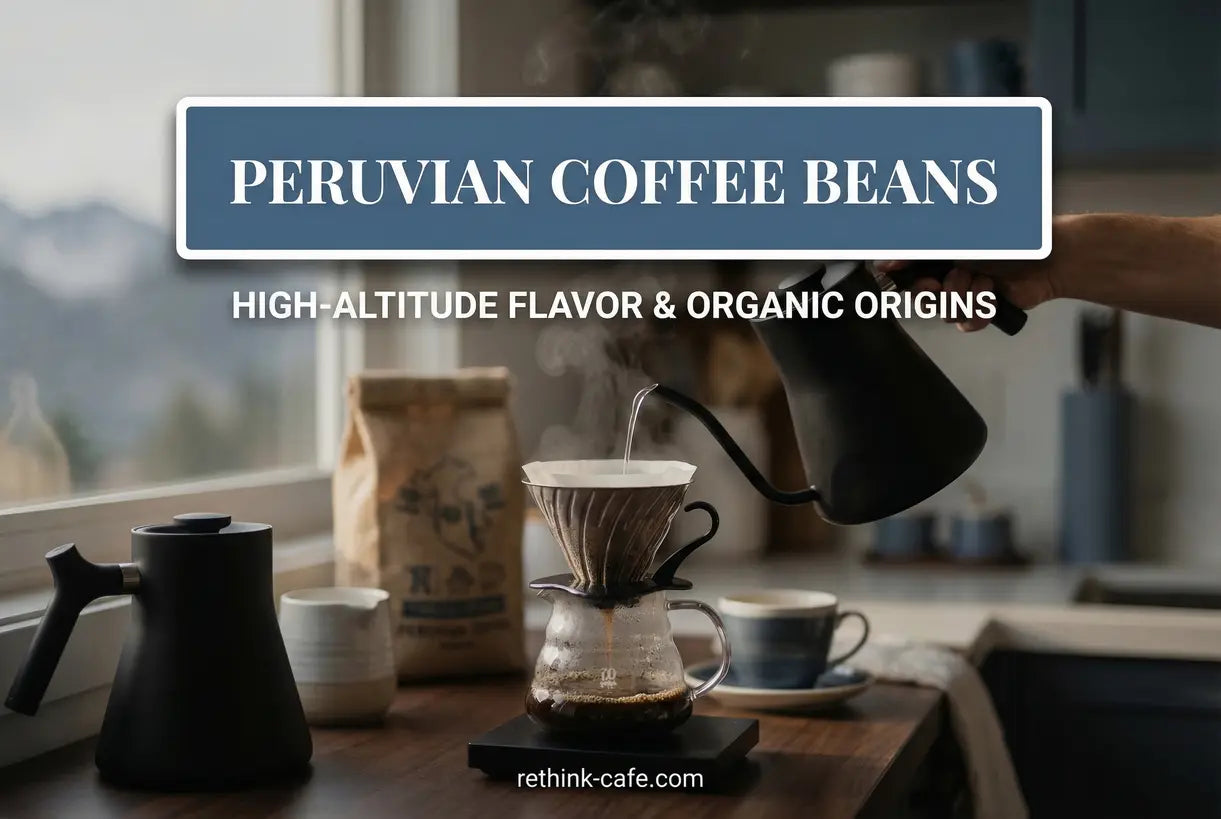
Pour-over methods like V60 or Chemex excel at highlighting the clarity and nuanced fruity notes in light to medium-roasted Peruvian beans. The controlled extraction reveals the subtle aromatics that dominate altitude-grown coffees.
For optimal results, aim for a brew ratio of 1:16 (coffee to water), water temperature between 195-205°F, and a medium-fine grind. The slower, deliberate pour allows you to coax out those delicate citrus and floral notes while maintaining the chocolate backbone.

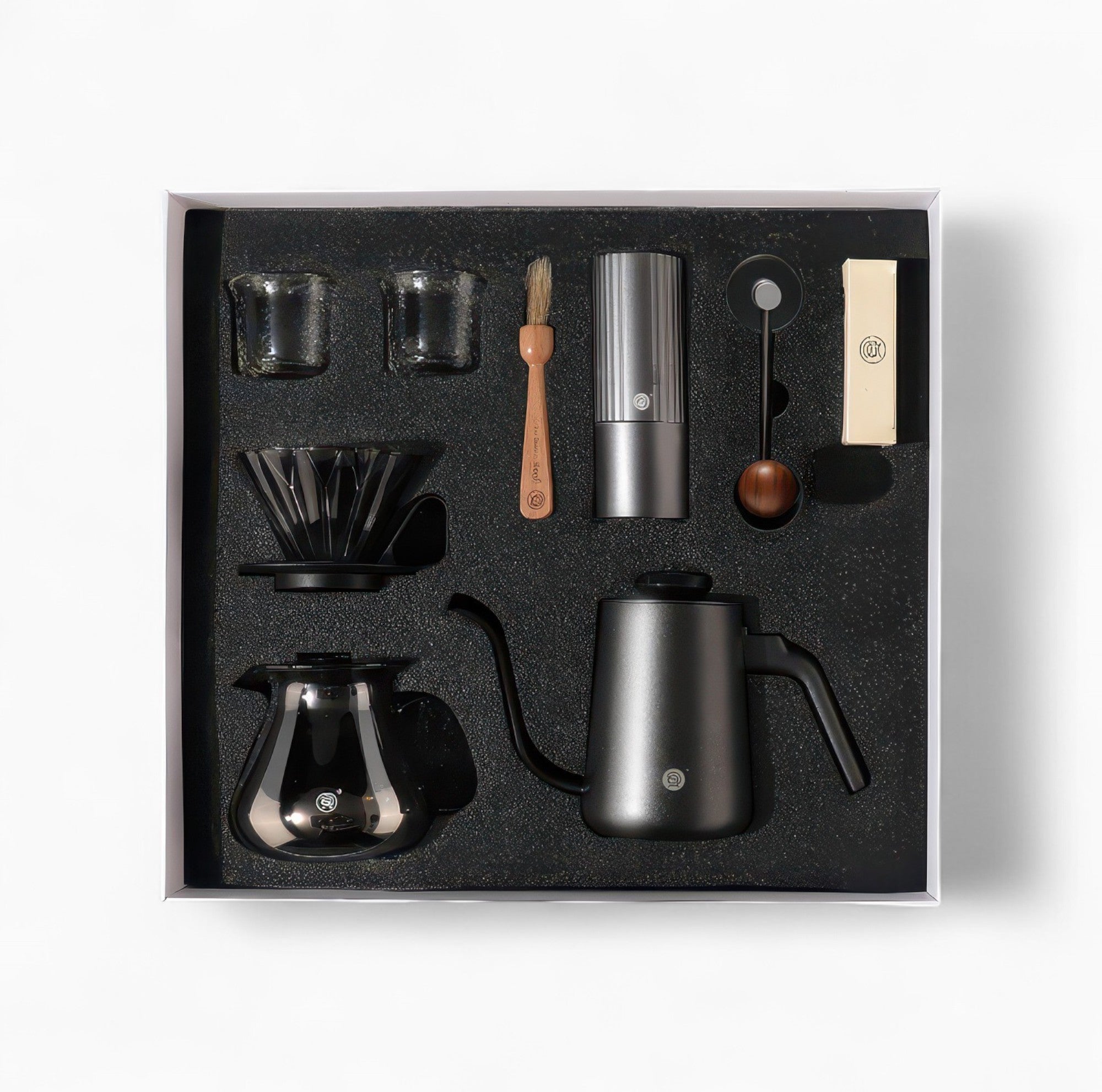
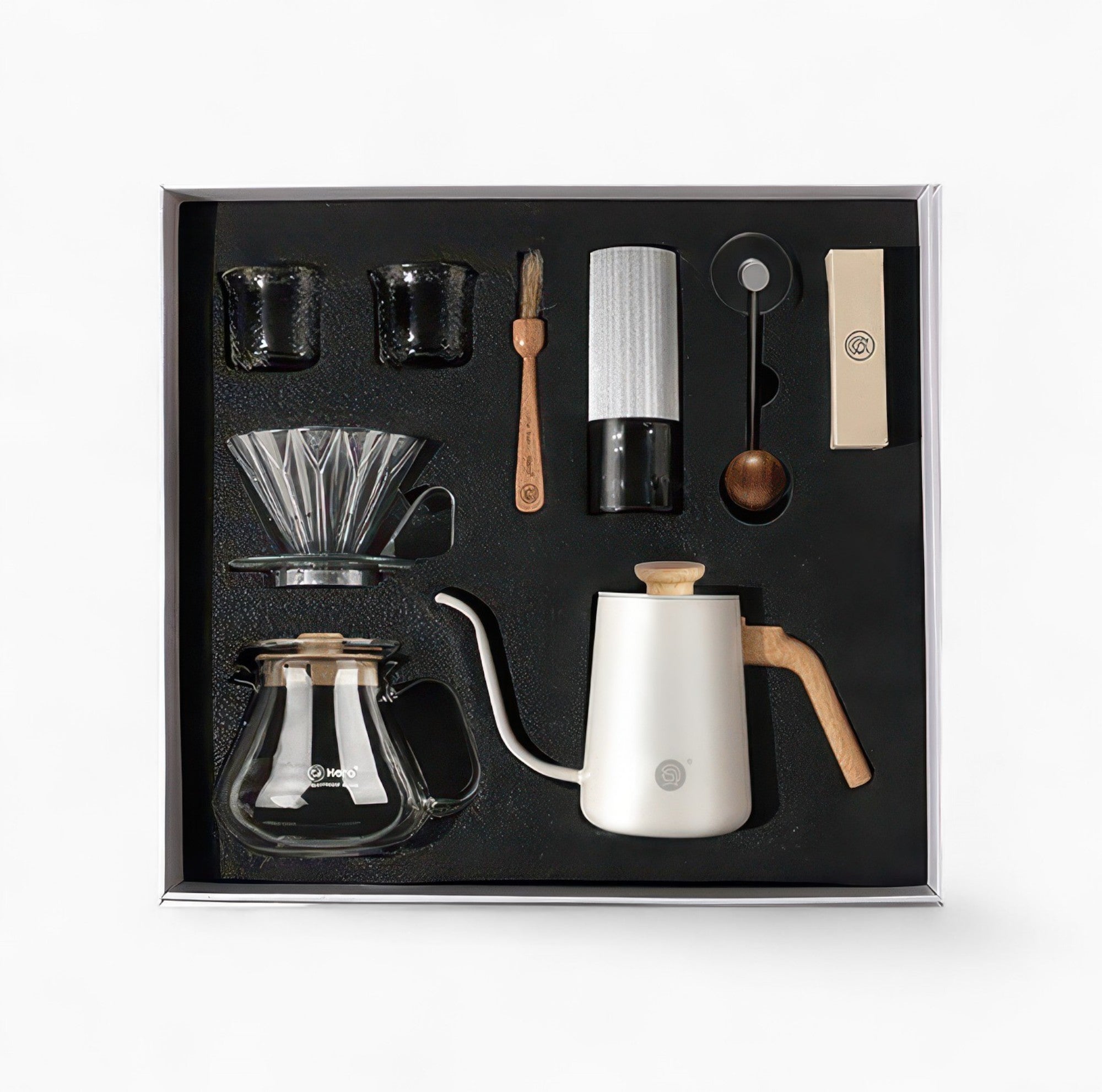
Complete Pour Over Coffee Kit with Grinder and Kettle
$235.90 $360.00
Unlock the full potential of your Peruvian beans with this complete kit featuring a 38mm conical burr grinder and temperature-controlled gooseneck kettle for precision brewing that highlights origin character.
Explore ProductThe Complete Pour Over Coffee Kit with Grinder and Kettle provides everything you need to master this technique: a 38mm conical burr grinder for consistent particle size, and a temperature-controlled gooseneck kettle for the precise water flow that pour-over demands.
Pulling Peruvian Beans as Espresso
When prepared as espresso, organic Peruvian coffee transforms into something surprisingly versatile. The chocolate and caramel notes create a rich, velvety espresso base that works beautifully as a straight shot or in milk drinks. The balanced acidity cuts through milk without becoming sour or thin.

For espresso, you'll want to dial in your grind finer than standard drip coffee, aim for 9 bars of pressure, and pull shots between 25-30 seconds. The key is consistency—freshly ground beans, even distribution, and proper tamping pressure all contribute to extracting the sweetness Peruvian beans are known for.

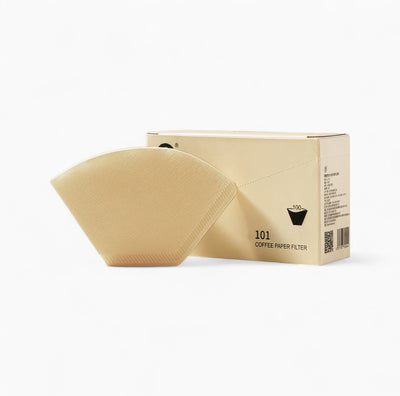
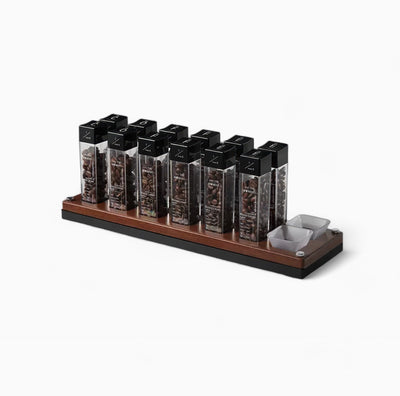

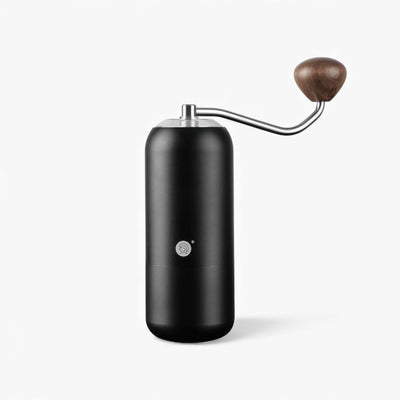
Elevate Your Brewing Setup

Stainless Steel Gooseneck Kettle for Pour Over Coffee
$79.90
$150.00
Master the perfect pour with this precision gooseneck kettle, ideal for brewing single-origin Peruvian coffee and extracting delicate high-altitude flavor notes with controlled water flow. Learn more ➔

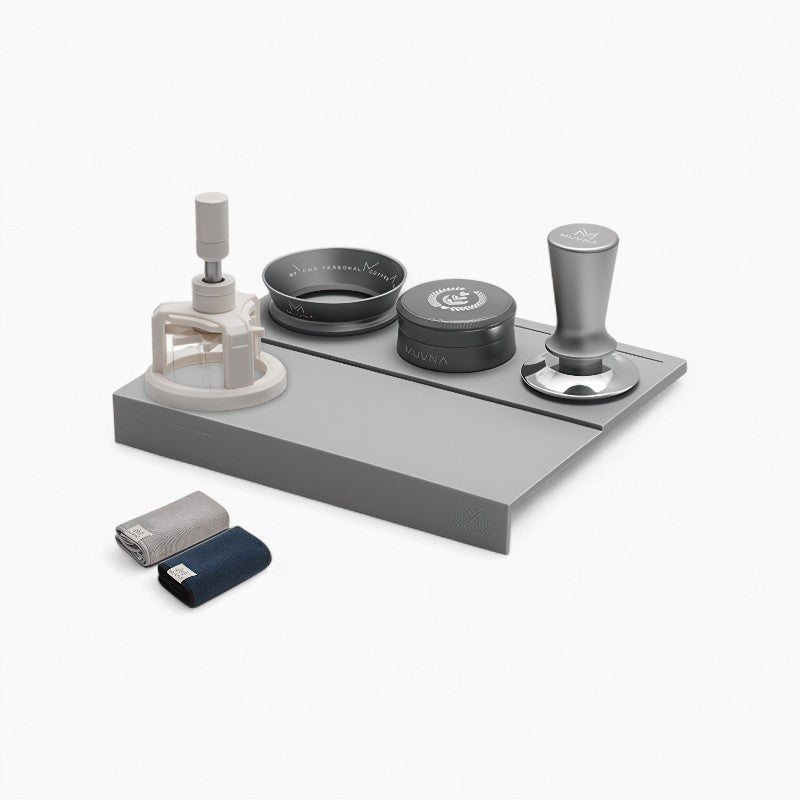
Professional Barista Starter Kit with Tamper and WDT
$139.90
$260.00
Elevate your espresso game with this professional starter kit including precision tamper and WDT tool, perfect for dialing in Peruvian beans and achieving consistent, flavorful extractions. Learn more ➔
The Stainless Steel Gooseneck Kettle for Pour Over Coffee offers the precise water flow control essential for brewing single-origin Peruvian coffee, extracting delicate high-altitude flavor notes with every pour. For espresso enthusiasts, the Professional Barista Starter Kit with Tamper and WDT includes a precision tamper and WDT tool for dialing in Peruvian beans and achieving consistent, flavorful extractions.
Tips for Storage and Freshness
Read more about storing your coffee beans properly in our comprehensive guide to coffee beans, how they grow, and everything you need to know.
To preserve the character of your Peru coffee, store beans in an opaque, airtight container away from heat and light. Whole beans stay fresh for 2-4 weeks after roasting, while ground coffee loses its vibrant notes within days. Invest in a grinder and grind fresh for each brew—you'll notice the difference immediately.
Conclusion: Savoring the Andes in Every Cup
Peru's coffee story is one of patience, tradition, and the slow accumulation of flavor at high altitude. From the volcanic slopes of Cajamarca to the cloud forests of Chanchamayo, Peruvian coffee beans offer something increasingly rare in specialty coffee: organic coffee that's accessible, approachable, and genuinely delicious.
Whether you're drawn to the chocolate-caramel sweetness of a classic Chanchamayo or the bright citrus notes of a high-altitude Cajamarca single origin, the key is brewing with intention. The right equipment won't just make better coffee—it will help you understand what makes these organic Peruvian coffee beans worth seeking out.
At Rethink Cafe, we're passionate about connecting home baristas with tools that honor the craft. Explore our collection of precision grinders, pour-over equipment, and espresso accessories designed to unlock everything these remarkable beans have to offer.
Frequently Asked Questions about Peruvian Coffee Beans
Peruvian coffee beans are unique because they're predominantly grown by smallholder farmers at high altitudes (1,200-1,800 meters) using organic, sustainable farming methods. The combination of volcanic Andean soil, indigenous agricultural knowledge, shade-grown cultivation, and cool mountain climate produces beans with distinct chocolate, caramel, and citrus notes that reflect their terroir. Peru also leads the world in organic coffee production, meaning these beans are often naturally grown without synthetic chemicals.
High-altitude coffee is prized because the cooler temperatures at elevation (1,200+ meters) slow down coffee cherry maturation. This extended growing period allows more complex sugars and aromatic compounds to develop within the bean. The resulting coffee typically has enhanced acidity, increased complexity, and denser bean structure compared to low-altitude coffee. These denser beans can handle more aggressive roasting and brewing while maintaining clarity of flavor.
Peru is the world's largest producer of organic coffee, with an estimated 25% of its coffee exports certified organic. The mountainous terrain and predominance of smallholder farms made chemical farming impractical historically, so traditional organic methods persisted. Most Peruvian coffee is shade-grown under native forest canopy, uses biological pest control, and composts coffee cherry pulp for fertilizer. Always look for organic certification on the bag to confirm certification, but many Peruvian coffees are naturally grown following organic practices.
Peruvian coffee beans typically feature a balanced flavor profile with prominent chocolate and caramel sweetness complemented by gentle citrus acidity. Common tasting notes include dark chocolate, milk chocolate, toffee, brown sugar, orange zest, red apple, and stone fruit. Most Peruvian coffees have medium body with a clean, lingering finish. The exact profile varies by region—Cajamarca offers more chocolate-forward profiles with bright acidity, while Chanchamayo provides classic caramel sweetness and medium acidity.
Coffee is grown across the eastern slopes of the Andes Mountains in Peru's coffee belt. The three main specialty coffee regions are: (1) Cajamarca in northern Peru, known for high-altitude farms (up to 2,000 meters) producing chocolate-forward beans with bright acidity; (2) Chanchamayo in central Peru, the historic coffee region producing balanced cups with caramel sweetness; and (3) San Martín in eastern Peru, a newer specialty region offering tropical fruit notes and juicy acidity. Most farms are located between 1,000-2,000 meters elevation in the cloud forest zones.