


There's something undeniably captivating about cuban coffee beans that keeps coffee enthusiasts coming back for more. Rich, intense, and unapologetically bold, these beans represent centuries of coffee culture that transformed a simple beverage into an art form. Whether you're a home barista looking to expand your palate or an espresso lover seeking that perfect cafecito, understanding what makes Cuban coffee unique is essential to brewing an authentic cup.
In this guide, we'll explore everything from the distinctive characteristics of dark roast cuban beans to the traditional brewing methods that create that signature espumita crema. You'll discover the best cuban coffee brands for home brewing, how to select the right roast level, and the essential equipment needed to recreate the Cuban coffee experience in your own kitchen. Along the way, you'll find quality solutions from Rethink Cafe designed to preserve flavor and elevate your brewing ritual.
What Makes Cuban Coffee Beans Different from Other Coffee Beans?
The answer lies in centuries of tradition, terroir, and roasting philosophy. Authentic cuban coffee is more than just a beverage—it's a cultural experience rooted in family gatherings and daily rituals. The beans themselves are typically sourced from high-altitude regions of Cuba where volcanic soil and tropical climate create ideal growing conditions.
But what truly distinguishes cuban coffee beans is the approach to roasting. Unlike lighter roasts that preserve origin characteristics, cuban style coffee beans undergo extended roasting processes that develop deep caramelization, reducing acidity while amplifying body and sweetness. This creates the foundation for that characteristic bold flavor profile that Cuban coffee is famous for.
How Dark Should Cuban Coffee Beans Be Roasted for Authentic Cafecito?
Traditional cafecito demands a genuinely dark roast. We're talking French or Spanish roast levels—beans that have been roasted long enough to develop visible surface oils and a deep, almost chocolate-brown color. This isn't just about aesthetics; the extended roast time creates chemical transformations that are essential for authentic Cuban coffee.
The dark roasting process accomplishes several things:
- Reduces acidity significantly, creating a smoother drinking experience
- Develops natural sugars into rich caramel and toasted notes
- Creates a heavier body that stands up to the addition of demerara sugar
- Produces the oils necessary for creating that coveted crema when brewed
When shopping for cuban espresso beans, look for beans labeled as "dark roast," "espresso roast," or specifically "Cuban style." The beans should have a slight sheen from natural oils but shouldn't be overly oily, which can indicate over-roasting.

Best Cuban Coffee Brands for Home Brewing
Finding quality cuban coffee brands in the USA has become easier as specialty coffee culture grows. While true Cuban-origin beans remain limited due to trade restrictions, many Caribbean and Latin American roasters produce excellent cuban-style coffee that captures the authentic flavor profile.
When selecting beans, prioritize brands that:
- Source beans from Cuban heritage varieties grown in similar climates (Dominican Republic, Puerto Rico, Miami)
- Apply traditional dark roasting techniques
- Provide roast dates to ensure freshness
- Offer whole bean options for optimal flavor preservation
Remember that freshness is paramount—once you find your perfect beans, proper storage becomes critical to maintaining that bold cuban coffee flavor.

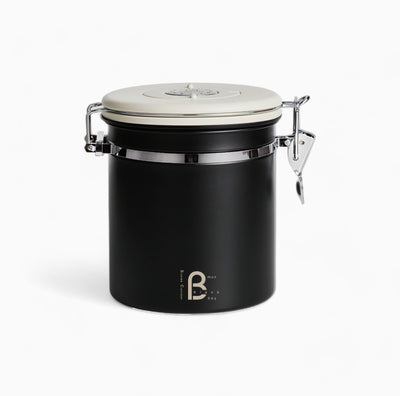
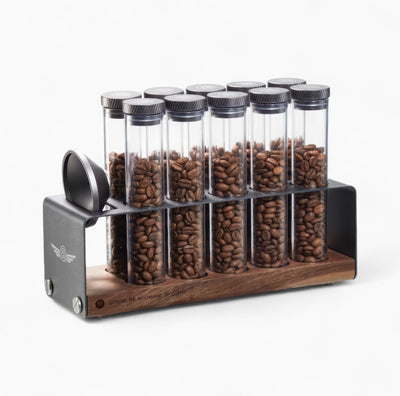
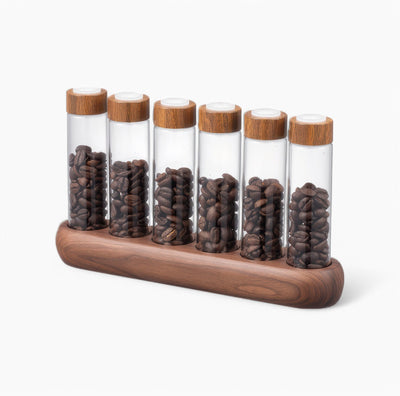
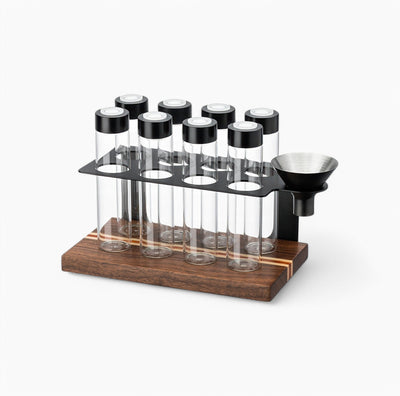
Coffee Bean Storage Tube Set with One-Way Valves
$41.90 $70.00
Preserve your Cuban coffee beans' bold flavor with airtight glass tubes featuring one-way degassing valves. Keeps beans fresh from first cup to last.
Explore Product
Is Cuban Coffee Just Espresso with Sugar or Is There More to It?
This is perhaps the most common misconception about traditional cuban coffee. While sugar is essential, the magic lies in the technique. Cuban coffee isn't simply espresso with sugar added afterward—it's about creating espumita, a thick, frothy crema made by whipping the first drops of coffee with sugar before brewing completes.
This process creates a caramelized foam that transforms the entire cup. The sugar isn't just a sweetener; it becomes an integral part of the texture and mouthfeel, creating a layered experience where the crema floats atop the intense coffee below. This is why best cuban coffee for moka pot brewing emphasizes the importance of technique alongside bean quality.

How to Grind Cuban Coffee Beans for a Moka Pot
The moka pot is the traditional vessel for brewing Cuban coffee, and proper grind size is crucial for success. You need a grind that's slightly finer than drip coffee but coarser than espresso powder—often described as "fine sand" consistency.
Too fine, and you'll create excessive pressure and bitter over-extraction. Too coarse, and water rushes through without developing the concentrated flavor that defines cafecito. Fresh grinding just before brewing ensures the volatile oils that create Cuban coffee's signature aroma remain intact.
For more detailed guidance on moka pot brewing techniques, watch this comprehensive tutorial:
What Equipment Do I Need to Make Authentic Cuban Coffee at Home?
Creating authentic cafecito requires minimal but specific equipment. At minimum, you'll need:
- A quality moka pot (preferably aluminum or stainless steel)
- A burr grinder for consistent particle size
- Demerara or raw sugar for the espumita
- Small espresso cups or tacitas for serving
The moka pot is non-negotiable for traditional preparation. Unlike modern espresso machines, moka pots create the specific extraction pressure and temperature profile that defines Cuban coffee. The High Pressure Double Valve Moka Pot Espresso Maker offers enhanced extraction capabilities that bring out the full depth of your dark roast cuban beans.
Essential Equipment for Cuban Coffee Brewing

Serve authentic cafecito in these double-walled espresso cups that keep your Cuban coffee hot while the exterior stays cool to the touch. Learn more ➔

High Pressure Double Valve Moka Pot Espresso Maker
$113.90
$189.00
Brew traditional Cuban coffee with this high-pressure moka pot featuring double valve extraction for rich, concentrated espresso-style coffee with crema. Learn more ➔
Pro Tip: The traditional Cuban coffee cup—called a "tacita"—is smaller than standard espresso cups, holding just 1-2 ounces. This concentrates the experience and preserves the temperature and crema. Serve immediately after brewing for the authentic cafecito experience.
Why Does Cuban Coffee Have Such a Bold, Strong Flavor?
The intensity of dark roast coffee prepared in Cuban style comes from a perfect storm of factors: the roast level itself, the brewing method, the bean variety heritage, and the concentration ratio. Cuban coffee is meant to be consumed in small, potent doses—much like Italian espresso but with its own distinct character.
The boldness isn't about harshness or bitterness. When prepared correctly, Cuban coffee delivers a complex profile of dark chocolate, toasted nuts, caramel, and subtle smokiness. The sugar integration softens the perception of intensity while maintaining the full-bodied mouthfeel that defines the experience. For a deeper dive into coffee bean varieties and growing regions, check out the National Coffee Association's comprehensive coffee guide.
The Traditional Way to Make Cuban Coffee: A Step-by-Step Ritual
Authentic preparation follows a ritual passed down through generations:
- Fill the moka pot: Add water to the bottom chamber up to the valve level
- Grind and fill: Fine-grind your cuban coffee beans and fill the basket without tamping
- Start the brew: Heat on medium until coffee begins emerging
- Create the espumita: In a small cup, combine sugar with the first few drops of coffee—whisk vigorously until it forms a thick, pale paste
- Complete brewing: Allow remaining coffee to fill the upper chamber
- Combine and stir: Pour brewed coffee over your espumita and stir gently
- Serve immediately: Pour into small cups and enjoy the foam atop each serving
This ritual transforms simple coffee drinking into a cultural experience, creating the community and connection that Cuban coffee culture celebrates.
Conclusion: Bringing Cuban Coffee Culture Home
Mastering cuban coffee beans and the cafecito tradition opens a doorway into one of the world's most vibrant coffee cultures. From understanding the importance of a truly dark roast to perfecting your espumita technique, each element contributes to an experience that's about more than caffeine—it's about heritage, ritual, and the joy of sharing something exceptional.
The key to success lies in respecting the tradition while using quality equipment that supports the process. Whether you're preserving your beans in proper storage solutions, brewing with a high-pressure moka pot, or serving in authentic double-walled cups, the right tools elevate your results from good to extraordinary.
At Rethink Cafe, we understand that home baristas want equipment that honors tradition while delivering consistent results. Our curated selection of barista tools and brewing equipment is designed to help you recreate authentic experiences, whether you're brewing Cuban coffee, Italian espresso, or your own signature creations. Explore our collection and discover how the right equipment transforms your daily coffee ritual.
Frequently Asked Questions about Cuban Coffee
Cuban coffee beans differ primarily in their roasting and cultural preparation. They undergo extended dark roasting that reduces acidity while developing deep caramelized flavors. The beans are typically grown in volcanic soil at high altitudes, then roasted to French or Spanish roast levels. Additionally, authentic Cuban coffee involves a unique preparation method where sugar is whipped with the first drops of coffee to create espumita, a distinctive crema that defines the beverage's texture and sweetness.
For authentic cafecito, Cuban coffee beans should be roasted to French or Spanish roast levels—very dark with visible surface oils. This extended roasting reduces acidity, creates a heavier body, and develops the natural sugars into caramel and toasted notes. Look for beans with a deep chocolate-brown color and slight sheen from natural oils, but avoid beans that appear overly oily or burnt, which indicates over-roasting.
The best brands for Cuban coffee at home are those that apply traditional Cuban-style dark roasting techniques to high-quality beans. Look for Caribbean or Miami-based roasters offering "Cuban espresso," "Cuban style," or "Cafecito" varieties. While true Cuban-origin beans are limited due to trade restrictions, Puerto Rican, Dominican, and Miami-roasted Cuban heritage varieties can deliver authentic results. Always choose whole beans and prioritize freshness for optimal flavor.
Cuban coffee is much more than espresso with sugar. The defining characteristic is the espumita—a thick, frothy crema created by whipping the first few drops of brewed coffee with demerara sugar before brewing completes. This caramelized foam is then incorporated into the finished coffee, creating a layered beverage with unique texture and mouthfeel. The sugar becomes integral to the coffee's structure rather than just a sweetener added afterward.
Grind Cuban coffee beans to a consistency slightly finer than drip coffee but coarser than espresso powder—similar to fine sand. This medium-fine grind provides optimal resistance for moka pot brewing, allowing water to extract the full flavor without rushing through too quickly or creating excessive pressure. Always grind fresh just before brewing for maximum aroma and flavor preservation.
The traditional method involves brewing in a moka pot while simultaneously preparing espumita. Start brewing your coffee, then whisk together sugar with the first few drops of coffee until it forms a thick, pale paste. When the coffee finishes brewing, pour it over the espumita and stir gently. This creates the signature frothy layer that floats atop each cup. Serve immediately in small tacitas (1-2 ounce cups) for the authentic experience.
Cuban coffee's boldness comes from multiple factors: the extended dark roasting process that develops intense chocolate and caramel notes, the moka pot brewing method that creates concentrated extraction, and the traditional serving size that amplifies the intensity. Despite the strength, properly prepared Cuban coffee shouldn't taste bitter or burnt—it should deliver a complex, full-bodied experience with balanced sweetness from the espumita integration.
Essential equipment includes: a moka pot (the traditional brewing method), a burr grinder for consistent medium-fine grounds, demerara or raw sugar for the espumita, and small espresso cups or tacitas for serving. While not strictly necessary, proper bean storage containers with degassing valves help maintain freshness for your dark roast beans. The moka pot is the most critical piece—it creates the specific extraction pressure that defines Cuban coffee's character.


