
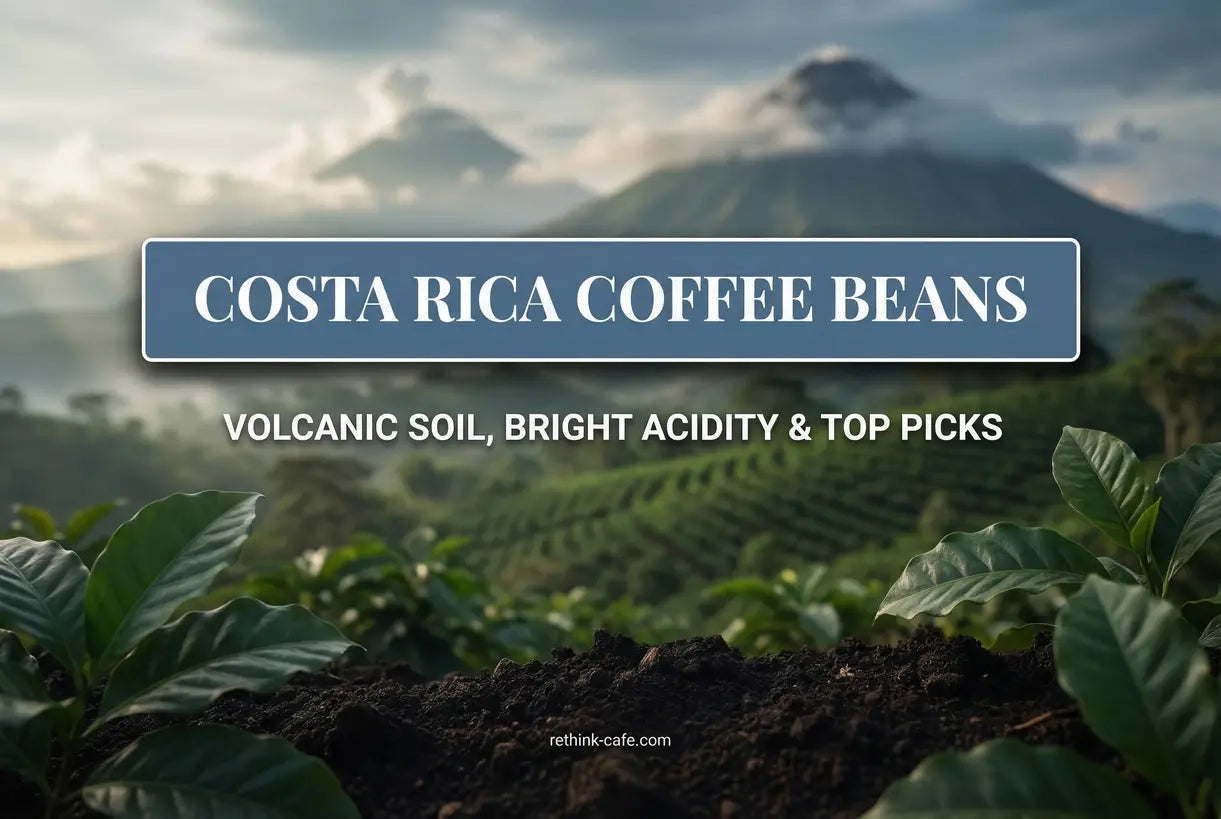
Costa Rican coffee beans have earned a reputation among home baristas and coffee enthusiasts for their exceptional clarity, vibrant character, and distinctive flavor profile that stands apart from other Central American origins. Whether you're dialing in your morning pour-over or perfecting your espresso extraction, understanding what makes volcanic soil coffee from this region special can transform your brewing experience. In this guide, we'll explore the unique characteristics of single origin Costa Rica beans, the influence of terroir on flavor, and how the right equipment helps you extract every nuance these beans have to offer.
From the mineral-rich slopes of Volcán Irazú to the celebrated microclimates of Tarrazú, Costa Rica's coffee-growing regions produce beans that showcase bright, clean cups with remarkable sweetness. But achieving café-quality results at home requires more than just great beans—it demands proper storage, precise grinding, and brewing techniques that honor the origin. Let's discover what makes these beans worth seeking out.
Why Coffee Beans from Costa Rica Taste Different
Costa Rica occupies a unique position in Central American coffee production. Unlike many neighboring countries that grow both Arabica and Robusta, Costa Rica exclusively cultivates Costa Rica Arabica—specifically high-altitude varieties like Caturra, Catuaí, Villa Sábor, and the prized Gesha. This commitment to quality over quantity creates the foundation for the region's distinctive cup profile.
The defining characteristic? Bright acidity balanced by remarkable sweetness and clean finish. While terms like "acidity" might concern some drinkers, in specialty coffee, this refers to the lively, crisp sensation that makes coffee refreshing rather than dull. Think of it like the difference between a fresh apple and cooked applesauce—Costa Rican beans deliver that fresh, vibrant quality.
This distinctive profile emerges from a perfect storm of factors: elevation (most quality coffee grows above 1,200 meters), climate with distinct wet and dry seasons, and perhaps most importantly, volcanic soil that infuses beans with complex minerality.

The Volcanic Soil Advantage
Costa Rica's geography features several active and dormant volcanoes across its coffee-growing regions. The soil surrounding these geological formations is exceptionally fertile, rich in nitrogen, phosphorus, and potassium—minerals that coffee plants absorb and translate into complex flavor compounds.
Volcanic soil also provides excellent drainage, preventing root rot while maintaining the acidity that coffee plants prefer. The resulting beans develop a clean cup profile with subtle mineral notes that add depth without bitterness. When you taste hints of stone fruit or a slight minerality reminiscent of wet slate, that's the volcanic influence speaking.
For home baristas, this means your Costa Rican single-origin beans already possess superior flavor potential—you simply need to unlock it through proper technique and equipment. And speaking of preservation, maintaining bean freshness is critical to retaining these delicate volcanic-origin characteristics.

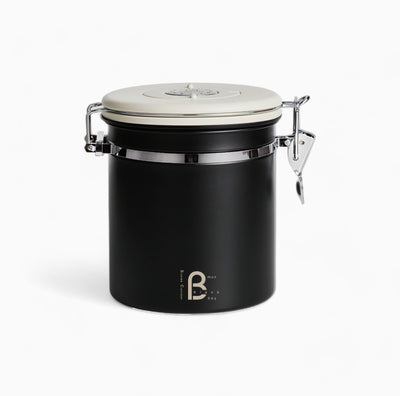
Coffee Bean Storage Tubes with One Way CO2 Valve
$12.90 $22.00
Preserve your Costa Rican single-origin freshness with airtight tubes featuring one-way CO2 valves that keep beans vibrant from first grind to last.
Explore ProductOur Coffee Bean Storage Tubes with One Way CO2 Valve are engineered specifically for specialty coffee preservation. The one-way valves allow naturally occurring CO2 to escape while preventing oxygen from entering—the enemy of those volatile aromatic compounds that make Costa Rican coffee special. When you invest in premium single-origin beans, proper storage ensures you'll taste the baker's chocolate and citrus notes on day one and day twenty-one.
Regional Differences: Tarrazu vs. Central Valley
Understanding Costa Rica's coffee regions helps you navigate the specialty market and select beans that match your taste preferences. The country divides its coffee production into eight distinct growing regions, with Tarrazú and Central Valley commanding the most attention from serious coffee drinkers.
Tarrazú Coffee: The Crown Jewel
Located south of the capital in the country's interior mountains, Tarrazú (pronounced tar-rah-ZOO) has become synonymous with exceptional Costa Rica specialty coffee. The region's high altitudes, ranging from 1,200 to 1,800 meters above sea level, combined with distinct rainy and dry seasons, create slow-maturing cherries that develop extraordinary density and sugar content.
Tarrazú coffee typically presents:
- Acidity: Bright, citrus-forward with lemon and orange notes
- Body: Medium with silky texture
- Flavor: Marzipan, baker's chocolate, stone fruit
- Finish: Clean, sweet, and lingering
Many Tarrazú single origin offerings represent the pinnacle of washed processing—clean, articulate cups that showcase terroir without processing interference. When you see "La Minita" or micro-mill designations from Tarrazú, you're typically looking at exceptional quality.
Central Valley Coffee: The Balanced Classic
The Central Valley region surrounds the capital, San José, and includes the historic growing areas of Heredia and Alajuela. Coffee here grows at slightly lower elevations (900-1,200 meters), producing beans with softer acidity and more pronounced chocolate and caramel notes.
Central Valley Central Valley coffee offers an approachable entry point into Costa Rican profiles—balanced cups that work exceptionally well for espresso or milk-based drinks where you want origin character without overwhelming brightness.
Processing Methods: Washed vs. Honey
Costa Rica pioneered innovations in processing methods that have influenced the global specialty industry. The two primary methods you'll encounter are washed coffee and honey processed coffee, each delivering distinctly different cup experiences.
Washed Processing
The traditional method removes all fruit from the bean before drying. After pulping, beans ferment in water tanks to break down remaining mucilage, then sun-dry on patios or raised beds. This process yields the classic Costa Rican coffee profile: clean, bright, with transparent origin characteristics.
Washed Costa Rican beans highlight terroir exclusively—you're tasting the soil, elevation, and varietal without the fruit-forward influence of processing. For those who appreciate clarity and balance, washed beans from Tarrazú represent the gold standard.
Honey Processing
Developed in Costa Rica as a water-conservation method, honey processed coffee removes the skin and some pulp while leaving a sticky layer of mucilage (resembling honey) intact during drying. Depending on how much mucilage remains, processors classify these as yellow, red, or black honey.
The result? Enhanced sweetness, fuller body, and fruit notes that complement rather than mask origin characteristics. Honey processed coffee from Costa Rica often displays stone fruit, honey, and brown sugar notes while maintaining that characteristic bright acidity. It's the perfect middle ground between the clarity of washed and the intensity of natural processing.

How to Brew Costa Rican Coffee Beans
Your approach to brewing should align with the processing method and regional characteristics of your specific beans. Here's how to maximize flavor extraction:
Pour-Over for Washed Tarrazú
Washed Tarrazú coffee shines through manual pour-over methods that highlight clarity and brightness. Use a 1:16 coffee-to-water ratio with water just off boil (205°F). Pour in slow, controlled circles to maintain even saturation. The resulting cup should present a tea-like body with pronounced citrus acidity and clean finish.
Espresso for Central Valley
Central Valley coffee with its balanced profile and chocolate notes works beautifully as espresso. Aim for a 1:2 ratio (18g in, 36g out) with a 25-30 second extraction. The crema should be golden with good persistence, while the shot delivers caramel sweetness with enough brightness to cut through milk.
Regardless of your preferred method, grind consistency is non-negotiable. Uneven grinds create both over-extraction (bitterness) and under-extraction (sourness), obscuring the delicate balance that makes Costa Rican beans special.
Unlocking Bright Acidity Through Precision Grinding
To truly appreciate the bright acidity that defines Costa Rican coffee, you need a grinder capable of producing uniform particle sizes across the full spectrum of brewing methods. Inconsistent grinds create channeling and uneven extraction—the enemies of a clean, bright cup.
The Conical Burr Coffee Grinder with 30 Grind Settings provides the precision necessary for Costa Rican beans. Its conical burr design generates less heat than blade grinders, preserving volatile aromatic compounds. From espresso-fine for honey processed coffee that emphasizes body, to medium-coarse for pour-over that highlights acidity, having 30 distinct settings means you can dial in exactly what your specific beans need.

Storing Your Single-Origin Investment
Costa Rican specialty coffee represents a premium investment that deserves proper care. Once you find beans that showcase the mineral complexity from volcanic soil or the refined acidity from Tarrazú microclimates, protecting that flavor becomes essential.
Light, oxygen, heat, and moisture are the four horsemen of coffee degradation. While keeping beans in the original bag works temporarily, serious enthusiasts benefit from dedicated storage solutions that address all four factors simultaneously.
Elevate Your Coffee Storage Setup

Unlock the bright acidity of Costa Rican beans with 30 precise grind settings from espresso-fine to pour-over medium for perfect extraction every time. Learn more ➔

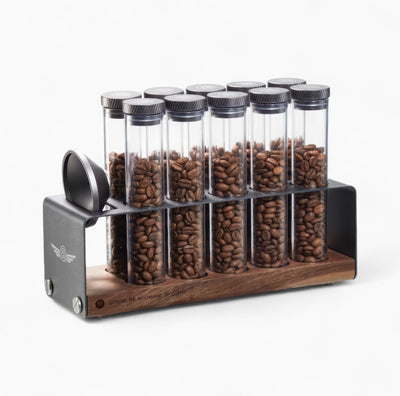
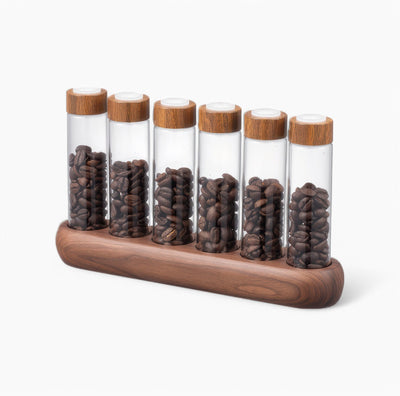
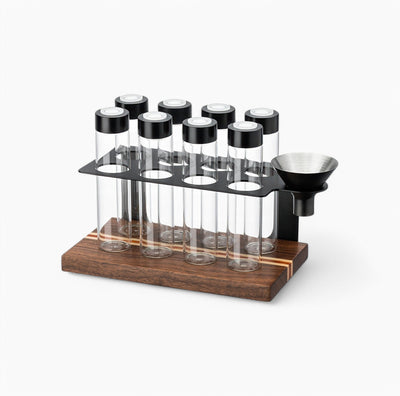
Coffee Bean Storage Tube Set with One-Way Valves
$41.90
$70.00
Display and preserve your specialty Costa Rica beans in elegant glass tubes with one-way degassing valves and a beautiful wooden rack that elevates any coffee station. Learn more ➔
Our Coffee Bean Storage Tube Set with One-Way Valves offers both form and function. The elegant glass tubes allow you to see your beans while protecting them, and the wooden rack transforms your counter into a proper coffee station. Like the individual storage tubes, these feature one-way degassing valves that let CO2 escape while blocking oxygen entry.

Conclusion: Experience Costa Rican Excellence at Home
Coffee beans from Costa Rica represent some of the finest expressions of Arabica cultivation—beans shaped by volcanic soil, elevated growing conditions, and processing innovations that preserve origin character. Whether you prefer the clarity of washed Tarrazú coffee or the sweetness of honey processed coffee from the Central Valley, these beans reward careful attention to detail in both storage and preparation.
At Rethink Cafe, we understand that exceptional coffee requires exceptional tools. From precision grinders that unlock bright acidity to storage solutions that preserve freshness from first grind to last, our equipment is designed for home baristas who refuse to compromise on quality.
The journey to the perfect cup begins with understanding your beans—and having the right equipment to bring out their full potential. Ready to elevate your Costa Rican coffee experience? Explore our specialty tools and discover why the right accessories make all the difference.
Frequently Asked Questions about Costa Rica Coffee Beans
Costa Rican coffee tastes different due to its exclusive focus on high-altitude Arabica beans, mineral-rich volcanic soil, and ideal climate conditions. The combination produces a distinctive bright acidity balanced by sweetness, with clean cup profiles that showcase citrus, stone fruit, and chocolate notes. Unlike coffees from other regions, Costa Rican beans rarely exhibit earthy or musty flavors, instead delivering clarity and refinement.
Yes, Costa Rican coffee is generally considered high quality due to the country's strict regulations prohibiting Robusta cultivation, mandatory altitude requirements for specialty grades, and widespread adoption of innovative processing methods. Many Costa Rican coffees achieve specialty coffee status rated 82+ points by the Specialty Coffee Association, with premium micro-lots from regions like Tarrazú often scoring 86-90+ points.
Tarrazú refers to a specific coffee-growing region in Costa Rica located south of San José in the country's interior mountains. The name designates a protected designation of origin. Tarrazú has become synonymous with some of the finest Costa Rican coffee, known for high-altitude cultivation (1,200-1,800 meters), distinct microclimates, and beans displaying bright citrus acidity, medium body, and notes of chocolate and stone fruit.
For washed Costa Rican beans from Tarrazú, use pour-over methods with a 1:16 ratio and water at 205°F to highlight brightness and clarity. For Central Valley beans, espresso works beautifully, extracting caramel and chocolate notes. Honey-processed Costa Rican coffee can handle immersion methods like French press that emphasize body and sweetness. Regardless of method, use freshly ground beans and filtered water for optimal results.
Costa Rican coffee typically exhibits bright citrus acidity (lemon, orange, tangerine), chocolate notes (baker's chocolate, cocoa), stone fruit (apricot, peach), nuts (almond, marzipan), brown sugar, and honey. The specific profile varies by region—Tarrazú emphasizes citrus and chocolate, while honey-processed lots add strawberry and tropical fruit. The volcanic soil contributes subtle mineral complexity, and the characteristic bright acidity remains consistent across most Costa Rican origins.


