When you think of Caribbean coffee, Jamaica's Blue Mountain often takes center stage. But hidden in the lush central mountains of Puerto Rico lies one of the most underrated specialty coffee origins in the Americas. Puerto Rican coffee beans carry centuries of agricultural heritage, offering a distinctly smooth and balanced cup that reflects the island's unique terroir. For home baristas seeking something beyond the usual Colombian or Ethiopian offerings, these island-grown gems deliver exceptional quality with a story rooted in colonial history and revived artisan traditions.
In this guide, you'll discover what makes Puerto Rican coffee distinctive—from its volcanic soil origins to the heritage brands keeping the tradition alive. We'll explore the nuanced flavor profiles that define this Caribbean origin, trace the fascinating history of coffee farming on the island, and share expert brewing tips to extract the best from every bean. Along the way, we'll show you how the right equipment from Rethink Cafe can elevate your Puerto Rican coffee experience from good to exceptional.
What Makes Puerto Rican Coffee Special
The magic of Puerto Rican coffee begins in the island's dramatic geography. Coffee plants thrive in the Cordillera Central, the mountain range that bisects Puerto Rico from east to west. Here, elevations range from 2,000 to 3,800 feet above sea level, creating the perfect conditions for slow cherry maturation and complex sugar development.
The island's volcanic soil provides essential minerals that contribute to the coffee's distinctive cup character. Combined with adequate rainfall, consistent cloud cover, and moderate temperatures, these conditions create a microclimate rarely replicated elsewhere. Unlike mass-produced commodity coffee, island-grown coffee from Puerto Rico benefits from smaller-scale farming operations that prioritize quality over quantity.
What truly sets this origin apart, however, is the heritage aspect. Many Puerto Rican coffee farms have operated for generations, passing down traditional cultivation methods that emphasize hand-picking at peak ripeness and wet-processing techniques perfected over centuries.

Where Puerto Rican Coffee Is Grown
The finest coffee from Puerto Rico emerges from specific regions within the Cordillera Central, each contributing unique characteristics to the final cup:
- Jayuya: Known as the capital of Puerto Rican coffee, this region produces beans with bright acidity and citrus notes
- Yauco: Historically famous for its "Selecto" grade, coffees from this southwestern region display exceptional balance and chocolate undertones
- Maricao: Home to some of the highest elevation farms, producing beans with complex, tea-like profiles
- Lares: Northern mountain coffee with medium body and nutty sweetness
The combination of high altitude, latitude at 18 degrees north, and the Caribbean trade winds creates an environment where Arabica coffee cherries develop slowly. This extended maturation period allows for maximum flavor compound accumulation, resulting in the smooth, nuanced profiles that define Puerto Rican specialty coffee.
Flavor Profile of Puerto Rican Coffee Beans
When you brew a cup of authentic specialty coffee Puerto Rico, expect a remarkably balanced and approachable experience. The island's beans typically produce a medium-bodied cup with mild acidity—making them an excellent choice for coffee drinkers who find African coffees too bright or Indonesian coffees too earthy.

Common tasting notes found in freshly roasted heritage brands include:
- Cocoa and dark chocolate – A dominant characteristic that provides depth and richness
- Hazelnut and almonds – Subtle nuttiness that adds complexity without overwhelming
- Caramel and brown sugar – Natural sweetness that reduces the need for added sugar
- Orange zest and stone fruits – Delicate fruity notes in higher-grown lots
The overall impression is one of smoothness and drinkability. These aren't aggressive, punch-your-palate coffees. Instead, they offer refined elegance—a testament to the island's careful processing and the Typica and Bourbon varietals predominantly grown there. The finish tends to be clean and lingering, with that pleasant cocoa aftertaste that invites another sip.
Is Puerto Rican Coffee Arabica?
Yes, Puerto Rican arabica beans represent essentially 100% of the island's commercial coffee production. The island's climate and elevation are perfectly suited to Arabica cultivation, while the Robusta species—which thrives at lower elevations and in hotter conditions—finds no home here.
The specific Arabica varietals grown in Puerto Rico include:
- Typica – The original heirloom variety, known for clean, sweet, and delicate flavors
- Bourbon – A natural mutation of Typica, producing sweeter, more complex cups with excellent balance
- Caturra – A compact dwarf variety that allows for denser planting while maintaining quality
- Catuai – A hybrid combining the compact size of Caturra with the disease resistance of Mundo Novo
The Puerto Rican government maintains strict quality standards for coffee bearing the name, ensuring that only specialty-grade Arabica receives official designation. This commitment to high standards protects both the farmers' livelihoods and the origin's reputation in the global marketplace.
The History of Coffee Farming in Puerto Rico
The story of island coffee heritage in Puerto Rico began in 1736 when immigrants from the Canary Islands brought the first coffee seeds to the island. By the late 18th century, coffee had become established in the central mountains, where the climate reminded Spanish settlers of their homeland.
The 19th century marked Puerto Rico's golden age of coffee. Following Spain's loss of continental American colonies, the island became Spain's primary coffee supplier, with exports booming to Europe and the Americas. At its peak in the 1890s, Puerto Rico exported over 40 million pounds of coffee annually, with Yauco beans commanding premium prices in Paris and Rome.
Hurricane San Ciriaco in 1899 devastated the industry, followed by the shift to American governance and the rise of sugar cane as the dominant crop. Coffee farming declined throughout the 20th century, reduced to a shadow of its former glory.
Today, however, a renaissance is underway. Since the 1990s, a new generation of farmers and heritage brands has emerged, focusing on specialty-grade Arabica and direct-trade relationships. The revival emphasizes sustainable farming, traditional processing methods, and the unique story of Caribbean coffee that predates the island's famous rums.
Heritage Fact: Puerto Rican coffee farmers have historically used a processing method called "beneficio humedo" or wet milling, which removes the cherry's fruit before drying and creates the clean, bright cup profile the island is known for.
Heritage Brands to Know
When sourcing authentic heritage coffee brands from Puerto Rico, several names stand out for their commitment to quality and tradition:
Café Yauco Selecto – Perhaps the most prestigious name in Puerto Rican coffee, this brand traces its lineage to the 19th century and consistently produces award-winning beans from the Yauco region. Their Grand Reserva represents the pinnacle of island coffee.
Café Alto Grande – Grown exclusively in the mountains of Lares at elevations exceeding 3,000 feet, Alto Grande is recognized as a Super Premium coffee with impeccable quality control and distinctive chocolate-hazelnut notes.
Café Rico – Operating since 1914, this family-owned company helped preserve Puerto Rican coffee culture during the industry's darkest days. They source from small farms across the island and maintain traditional roasting profiles.
Café Lareño – Representing the northern coffee-growing region, this cooperative brand focuses on sustainability and supporting local farming communities while producing consistently smooth, well-balanced cups.
Café Crema – A younger brand that bridges tradition and modern specialty coffee standards, sourcing high-altitude beans and emphasizing direct-trade relationships with farmers.
When purchasing these heritage brands, look for whole beans roasted within the past 2-4 weeks, and store them properly to preserve their delicate Caribbean character. The investment in authentic island-grown coffee supports both cultural preservation and the farmers continuing this centuries-old tradition.


How to Brew Puerto Rican Coffee
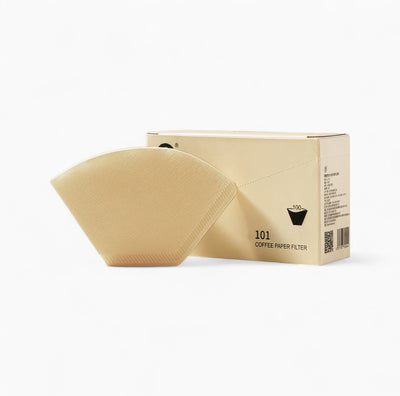
To fully appreciate the nuanced flavors of island grown coffee, proper brewing technique is essential. The balanced, medium-bodied profile of these beans shines through multiple brewing methods, but pour over and drip brewing particularly accentuate their clarity and sweetness.
Recommended Brewing Parameters
For drip or pour over methods:
- Grind: Medium-fine (similar to sea salt texture)
- Ratio: 1:16 coffee to water (30g coffee to 480ml water)
- Water Temperature: 195-205°F (90-96°C)
- Contact Time: 3-4 minutes
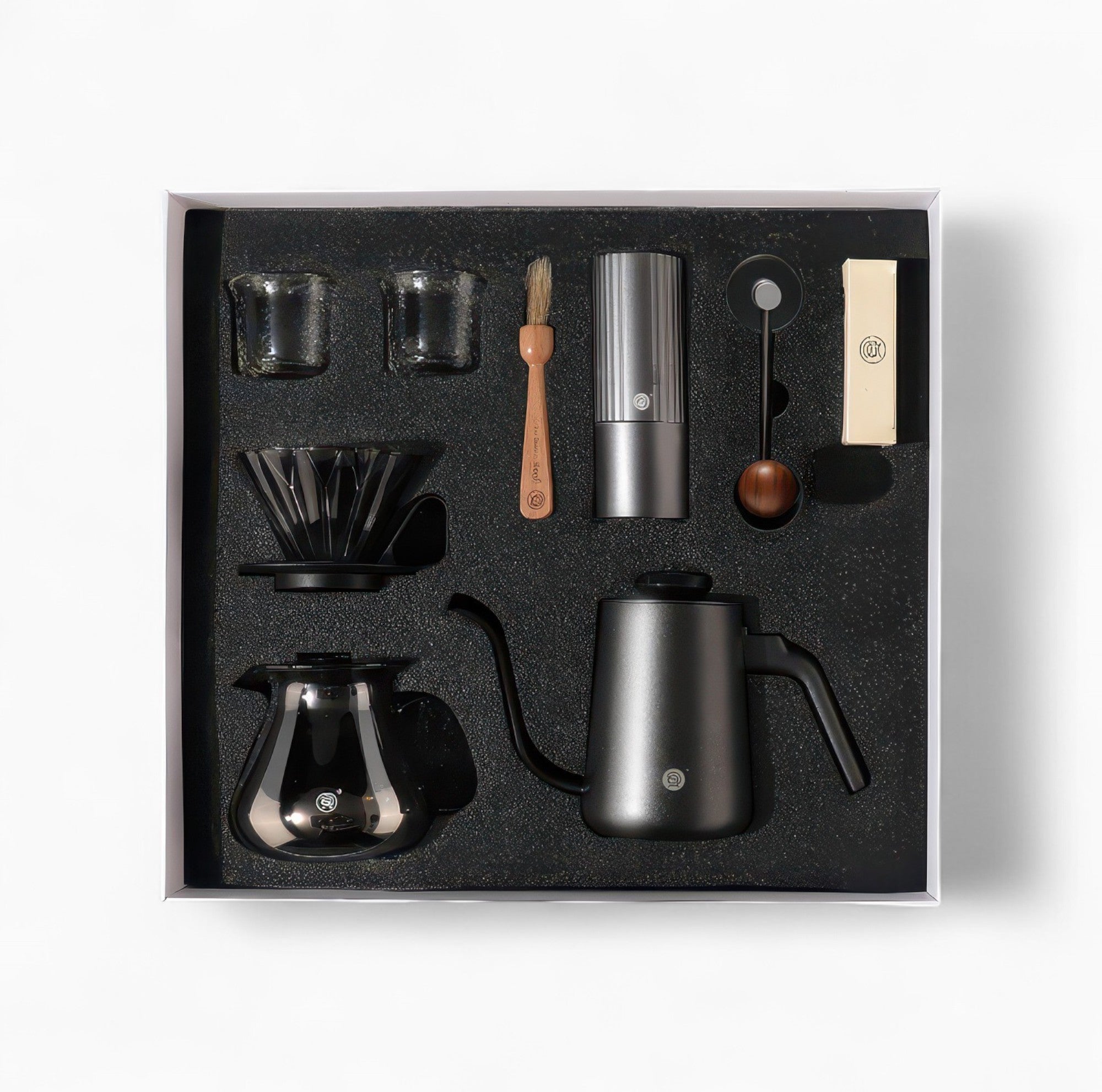
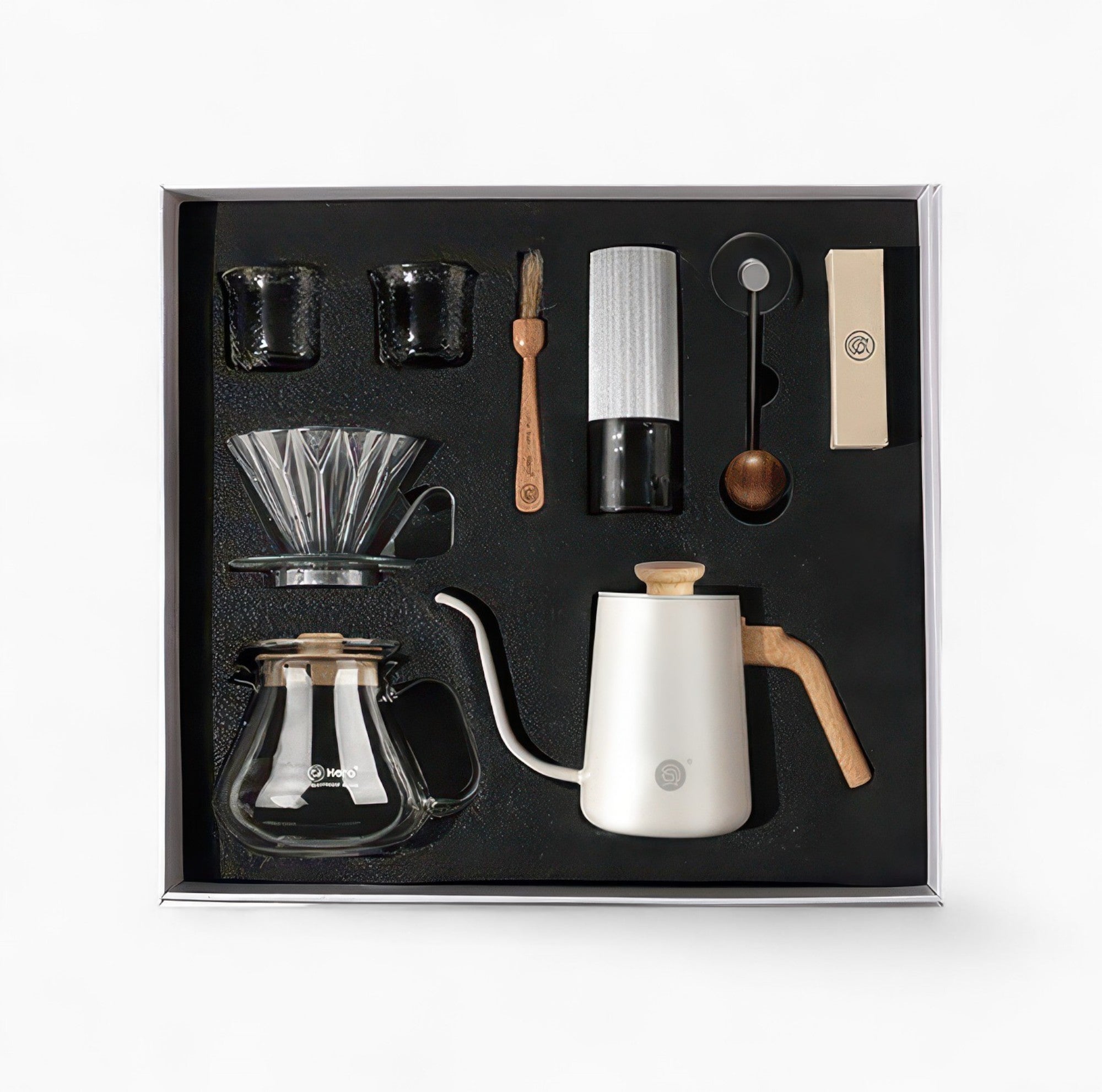
Puerto Rican coffee's mild acidity makes it forgiving for various brewing methods, but the pour over technique truly allows the subtle chocolate and nut notes to emerge without bitterness. The Complete Pour Over Coffee Kit with Grinder and Kettle provides everything needed to master this approach, featuring a precision grinder and temperature-controlled kettle for consistent extraction.

For those preferring immersion brewing, the French press works beautifully with Puerto Rican beans, producing a fuller-bodied cup that emphasizes the chocolate undertones. Use a coarser grind and extend the steep time to 4 minutes before plunging.
However you choose to brew, precision matters. The Precision Coffee Scale with Timer and Ratio Modes ensures you're hitting the right ratios every time, with 0.1g accuracy that takes the guesswork out of brewing exceptional Caribbean coffee at home.

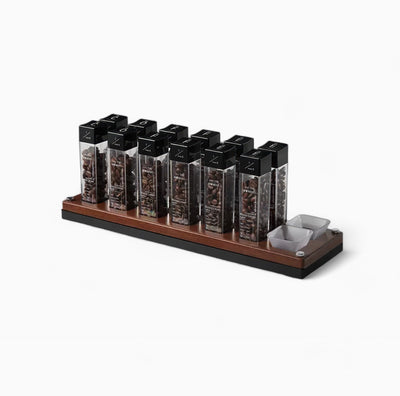
Coffee Bean Storage Tubes With Walnut Display Base
$34.90 $67.00
Store your specialty Puerto Rican beans in style with elegant glass tubes and a premium walnut base for lasting freshness.
Explore ProductComplete Your Puerto Rican Coffee Setup

Complete Pour Over Coffee Kit with Grinder and Kettle
$235.90
$360.00
Brew Puerto Rican coffee to perfection with this complete kit including a precision grinder and temperature-controlled kettle. Learn more ➔

Precision Coffee Scale with Timer and Ratio Modes
$59.90
$108.90
Dial in your Puerto Rican coffee ratios with 0.1g precision and multiple brewing modes for repeatable results. Learn more ➔
Storing Your Island-Grown Beans
Once you've invested in quality caribbean coffee from Puerto Rico, proper storage becomes essential to preserving those delicate flavor notes. Exposure to oxygen, light, heat, and moisture quickly degrades the volatile aromatic compounds that make these beans special.
The ideal storage solution protects against all four enemies of freshness while allowing you to display your specialty beans with pride. Look for airtight containers that minimize oxygen contact, and store them in a cool, dark place away from kitchen heat sources.
Tools like the Coffee Bean Storage Tubes With Walnut Display Base offer an elegant solution, combining functionality with aesthetics. The glass tubes allow easy identification of your Puerto Rican beans while the premium walnut base complements any coffee station setup.
Avoid storing beans in the refrigerator or freezer, as temperature fluctuations can cause condensation that damages the cellular structure. Instead, purchase amounts you can consume within 2-4 weeks of roasting, and grind just before brewing for maximum freshness.
Pro Tip: When trying Puerto Rican coffee for the first time, brew it black to experience the full flavor profile. The natural sweetness and chocolate notes often eliminate the need for sugar entirely.
Conclusion
Puerto Rican coffee beans represent a compelling intersection of history, terroir, and artisan craftsmanship that deserves recognition alongside the world's great coffee origins. From the volcanic slopes of Jayuya to the revival of heritage brands like Yauco Selecto and Alto Grande, these island-grown treasures offer home baristas an accessible yet sophisticated cup experience.
The balanced flavor profile—chocolate-forward with nutty sweetness and mild acidity—makes Puerto Rican coffee exceptionally versatile for daily brewing. Whether you're pulling espresso shots or perfecting your pour over technique, these beans reward attention to detail and precision equipment.
At Rethink Cafe, we believe that exceptional coffee deserves exceptional tools. From scales that ensure perfect ratios to storage solutions that preserve freshness, our curated collection supports your journey into the world of puerto rican coffee and beyond. Explore the heritage, taste the history, and elevate your morning ritual with the Caribbean's most underrated specialty origin.
Frequently Asked Questions About Puerto Rican Coffee
Puerto Rican coffee beans typically present a smooth, balanced cup with medium body and mild acidity. Dominant tasting notes include dark chocolate, cocoa, hazelnut, and caramel, with occasional subtle citrus or stone fruit notes in higher-elevation lots. The overall profile is approachable and naturally sweet, making it an excellent choice for those who appreciate clean, refined coffee without aggressive brightness or heavy earthiness.
Puerto Rican coffee is cultivated in the Cordillera Central, the mountain range that runs east-west across the island's interior. Key growing regions include Jayuya (known as the coffee capital), Yauco (famous for super-premium beans), Maricao (highest elevation farms), and Lares. These areas provide elevations between 2,000-3,800 feet, volcanic soil, consistent rainfall, and the cloud cover necessary for growing high-quality Arabica coffee.
Yes, Puerto Rican coffee is 100% Arabica. The island exclusively grows Arabica varietals including Typica, Bourbon, Caturra, and Catuai. The climate and elevation of Puerto Rico's central mountains are ideal for Arabica cultivation, while Robusta (which grows at lower elevations) is not commercially produced. The government maintains strict quality standards ensuring only specialty-grade Arabica receives official designation.
Coffee arrived in Puerto Rico in 1736 with immigrants from the Canary Islands. The 19th century marked the golden age, with Puerto Rico becoming Spain's primary coffee supplier after losing continental colonies, exporting over 40 million pounds annually by the 1890s. Hurricane San Ciriaco (1899), American governance, and the rise of sugar cane devastated the industry in the 20th century. Since the 1990s, a specialty coffee renaissance has emerged, with new-generation farmers reviving heritage brands and traditional cultivation methods.
Pour over and drip methods best showcase Puerto Rican coffee's clarity and sweetness. Use a medium-fine grind, 1:16 coffee-to-water ratio, and water between 195-205°F. Pour over techniques accentuate the chocolate and nut notes, while French press emphasizes fuller body. These beans are forgiving due to their mild acidity and balanced profile. Avoid over-extraction, which can mask the subtle sweetness that defines great Puerto Rican coffee.