Craving that bold, concentrated shot of espresso but don't want to drop hundreds on a machine? You're not alone. Learning how to make espresso without a machine has become a game-changer for coffee lovers who want café-quality results at home without the countertop commitment. Whether you're a budding home barista testing the waters or a budget-conscious enthusiast, these accessible methods deliver rich, flavorful espresso-style coffee using tools you might already own.
In this guide, you'll discover five proven techniques for brewing espresso without expensive equipment. From the classic moka pot espresso to the innovative AeroPress method, we'll walk you through each approach with practical tips to elevate your morning ritual. And while these methods work with basic kitchen tools, having the right accessories from Rethink Cafe can transform good coffee into exceptional coffee.

What Makes Espresso "Espresso"?
Before diving into the methods, let's clarify what defines espresso. True espresso requires three critical elements: 9 bars of pressure, water heated to approximately 195-205°F, and a fine grind that extracts in 25-30 seconds. Traditional machines force hot water through tightly packed grounds under intense pressure, creating that signature golden crema.
While the methods below can't replicate machine pressure exactly, they can produce concentrated, full-bodied coffee with similar intensity and flavor complexity. The key is adapting each technique to maximize extraction while mimicking espresso's rich characteristics.
Method 1: Moka Pot (Stovetop Espresso)
The moka pot, invented by Alfonso Bialetti in 1933, remains the gold standard for stovetop espresso. This iconic octagonal brewer uses steam pressure (about 1.5 bars) to push water through coffee grounds, producing a strong, aromatic concentrate that closely resembles true espresso.
How to Brew:
- Fill the bottom chamber with filtered water up to the safety valve
- Insert the filter basket and fill with finely-ground coffee (espresso grind)
- Level the grounds without tamping—just a gentle sweep with your finger
- Screw the top chamber on firmly
- Place on medium heat and listen for the gentle gurgling sound
- Remove from heat immediately when the upper chamber is full
The moka pot excels at creating rich, bold coffee with a slight crema-like foam. For best results, preheat your water before adding it to the chamber—this prevents the grounds from "baking" while the water heats.

Dual Valve Moka Pot for Rich Stovetop Espresso
$45.90 $60.00
Brew rich, aromatic stovetop espresso with this dual valve moka pot featuring a transparent lid for visual extraction monitoring and golden crema development.
Explore ProductMethod 2: AeroPress Coffee Maker
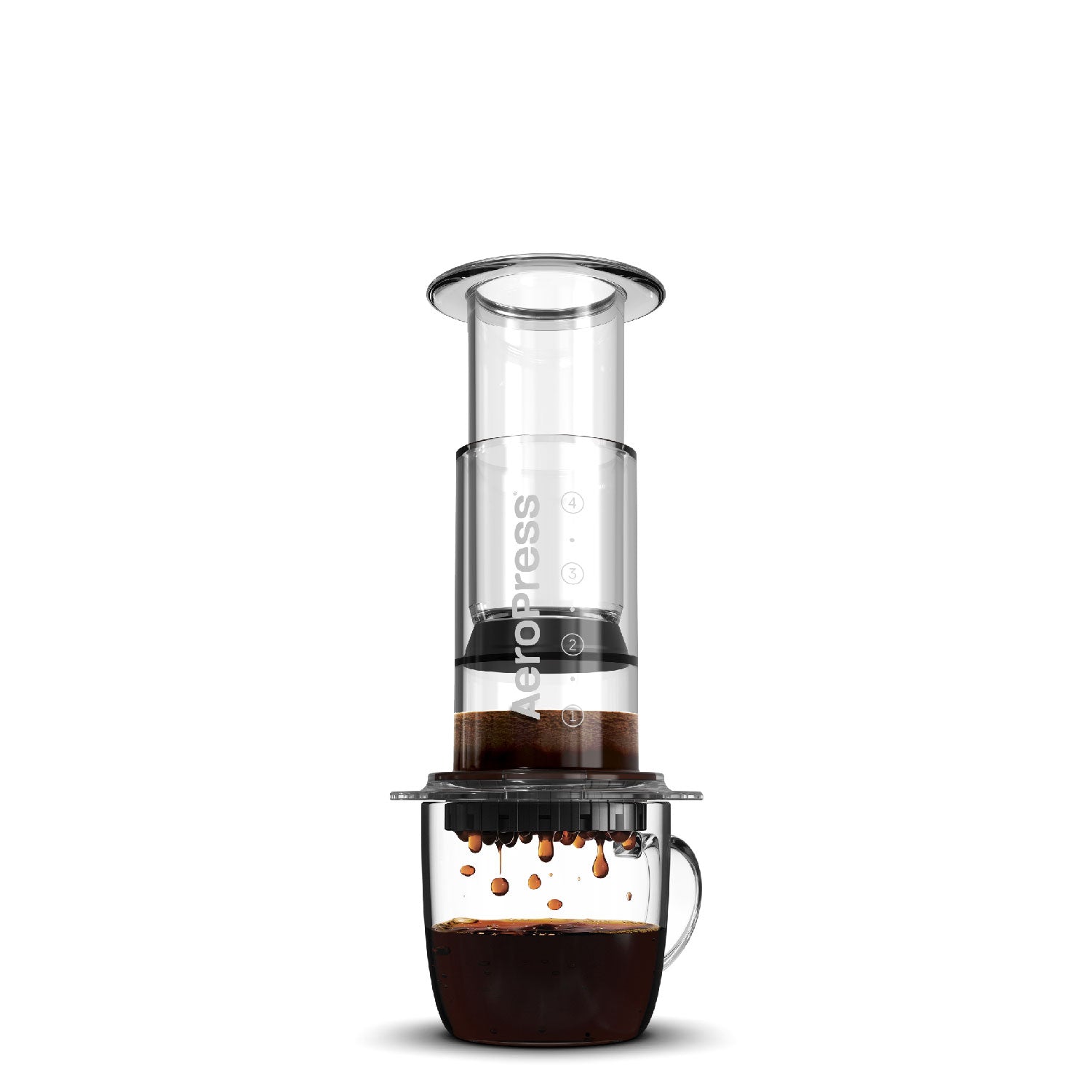
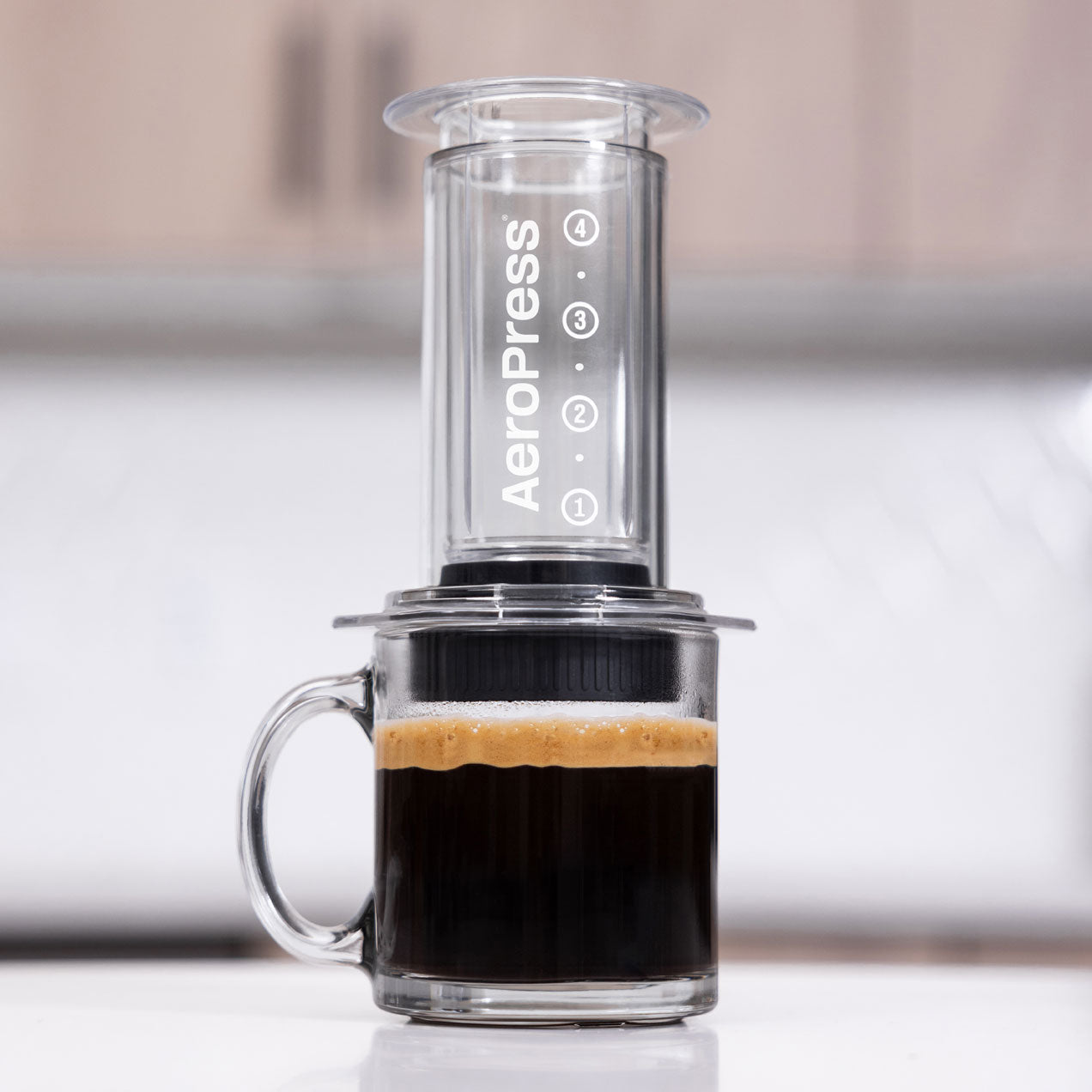
The AeroPress has revolutionized manual espresso methods since its 2005 debut. While marketed as a coffee maker, the inverted method produces an espresso-style concentrate that rivals machine-made shots. Its airtight design creates pressure through the plunger, extracting bold flavors while filtering out bitterness and grit.
How to Brew (Inverted Method):
- Assemble the AeroPress upside-down (plunger at the bottom)
- Add 17-20 grams of finely-ground coffee
- Pour hot water (195-205°F) to the "3" mark for a single shot
- Stir gently for 10 seconds to ensure even saturation
- Attach the filter cap with pre-wetted paper filter
- Flip onto your cup and press steadily over 20-30 seconds
The AeroPress method produces remarkably clean espresso with bright acidity and complex flavor notes. Its portability makes it perfect for travel, camping, or office brewing. The AeroPress Clear Coffee Maker features transparent construction that lets you monitor the entire extraction process.
Method 3: French Press (Cafetière)
Your trusty French press can pull double duty as an espresso substitute. While it won't generate pressure, the immersion brewing method creates a concentrated, full-bodied coffee perfect for espresso-based drinks like lattes and cappuccinos.
How to Brew:
- Use a 1:10 coffee-to-water ratio (double your normal strength)
- Grind beans slightly coarser than espresso but finer than drip
- Add coffee and hot water, stir thoroughly
- Steep for 4 minutes with the plunger above the water
- Press slowly and pour immediately to prevent over-extraction
For french press espresso that mimics machine results, increase your coffee dose and reduce the water volume. The metal mesh filter preserves the coffee's natural oils, delivering that essential espresso mouthfeel.
Method 4: Manual Espresso Makers
Portable manual espresso devices like the Flair, NanoPresso, or Handpresso use human-generated pressure to create true espresso. These clever contraptions employ levers, pumps, or pistons to achieve the 9 bars of pressure needed for authentic extraction.
Simply add hot water and finely-ground coffee, then apply steady force through the mechanism. These devices produce genuine espresso with legitimate crema—arguably the closest you'll get to machine-quality shots without the electricity. They're compact, travel-friendly, and require no countertop space.
Method 5: Instant Espresso Powder
For the ultimate convenience, instant espresso powder offers a quick solution when you need espresso for baking or recipes. While not ideal for drinking straight, quality instant espresso dissolves completely in hot water and provides that characteristic espresso flavor for tiramisu, chocolate desserts, or espresso martinis.
Look for 100% Arabica instant espresso and use water just off the boil for best dissolution. This method won't satisfy purists, but it's unbeatable for cooking applications and emergency caffeine needs.

The Critical Role of Grind Consistency
Regardless of your chosen method, grind consistency separates mediocre coffee from exceptional espresso. Each brewing technique demands a specific grind size: moka pots need fine (but not powdery) grounds, AeroPress works best with medium-fine, and French press requires a coarser consistency that still extracts efficiently.
Pre-ground coffee loses its aromatics within minutes of grinding. For truly fresh espresso without a machine, investing in a quality burr grinder ensures you can dial in the perfect grind for each method. A conical burr grinder with adjustable settings lets you experiment across all five methods without compromise.


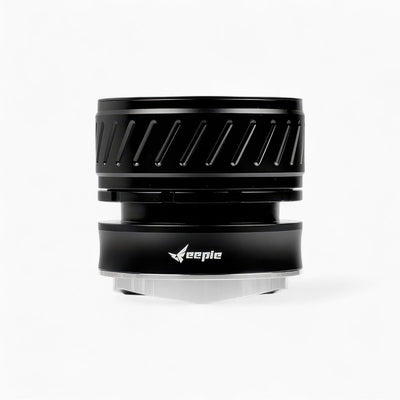
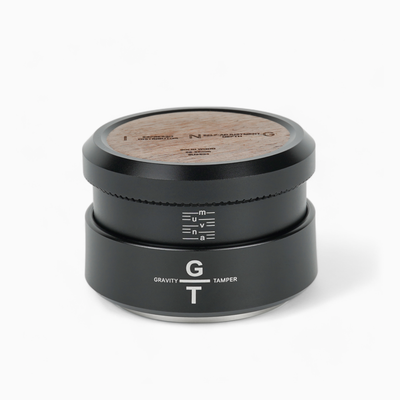
Essential Equipment for No-Machine Espresso

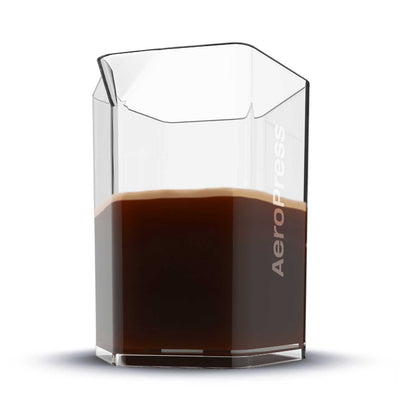
Create smooth, espresso-style coffee in minutes with the AeroPress Clear featuring patented 3-in-1 brew technology without bitterness or grit. Learn more ➔

Conical Burr Coffee Grinder with 25 Grind Settings
$74.99
$89.99
Achieve grind consistency for any espresso method with this conical burr grinder featuring 25 adjustable settings from espresso-fine to French press-coarse. Learn more ➔
Pro Tips for Better No-Machine Espresso
- Water quality matters: Use filtered water heated to 195-205°F—boiling water scorches grounds
- Fresh beans essential: Buy whole beans and grind just before brewing for maximum aromatics
- Preheat everything: Rinse your moka pot or AeroPress with hot water before brewing
- Experiment with ratios: Start with standard ratios, then adjust to taste
- Practice your technique: Consistency comes from repetition—don't expect perfection on your first try
Watch this comprehensive tutorial demonstrating multiple methods in action:
Conclusion: Your Espresso Journey Starts Here
Learning how to make espresso without a machine opens a world of coffee possibilities without the financial commitment of high-end equipment. The moka pot delivers traditional European-style richness, the AeroPress offers precision and portability, while manual espresso makers provide authentic pressure-based extraction. Each method has its devoted following for good reason.
The difference between acceptable coffee and exceptional espresso often comes down to your tools. At Rethink Cafe, we curate the finest manual brewing equipment designed to elevate your home coffee experience. From dual-valve moka pots engineered for optimal extraction to precision grinders that unlock flavor potential, we provide everything you need to master these techniques.
Ready to start brewing? Explore our collection of stovetop espresso makers, AeroPress systems, and professional-grade grinders. Your perfect shot of espresso—crafted entirely by hand—awaits.
Frequently Asked Questions about Making Espresso Without a Machine
You can make espresso-style coffee at home using regular coffee beans with a moka pot, AeroPress, or French press. Use a fine grind and a higher coffee-to-water ratio (about 1:10) than normal brewing. The moka pot produces the closest results to true espresso due to its steam-pressure extraction, while the AeroPress inverted method creates a clean, concentrated shot perfect for lattes and cappuccinos.
For 2 shots of espresso (approximately 2 ounces), substitute with: 2 ounces of strong moka pot coffee, 2 ounces of AeroPress concentrate brewed at double strength, 1/4 cup of strong French press coffee, or 2 teaspoons of instant espresso dissolved in 2 ounces of hot water. For baking and cooking applications, instant espresso powder works excellently as a direct substitute.
Yes, espresso can absolutely be made by hand using manual methods and devices. Manual espresso makers like the Flair, NanoPresso, or Handpresso use human-generated pressure to achieve the 9 bars required for true espresso. Additionally, the AeroPress with its plunger mechanism and moka pots using steam pressure both create espresso-style coffee through manual operation without electricity.
Standard drip coffee makers cannot make true espresso because they lack the required 9 bars of pressure and typically use a much coarser grind. However, you can make strong coffee that works well for espresso-based drinks by: using a dark roast, grinding finer than usual (but not too fine to clog the filter), using less water than normal, or brewing a concentrate and diluting to taste. For proper espresso without a machine, use a moka pot or AeroPress instead.
To make espresso on the stove, use a moka pot—also called a stovetop espresso maker. Fill the bottom chamber with filtered water up to the safety valve, add finely-ground coffee to the filter basket without tamping, screw the top on tightly, and place on medium heat. Remove from heat when you hear a gurgling sound and the top chamber fills with coffee. This produces strong, concentrated coffee similar to espresso through steam pressure.