Mastering the art of espresso at home transforms your morning routine into a café-quality experience. If you're wondering how to make an espresso with an espresso machine that rivals your local coffee shop, you're not alone. Thousands of home baristas are discovering that with the right technique and tools, pulling the perfect shot is both achievable and deeply rewarding.
This comprehensive guide walks you through every critical step—from selecting the proper grind size to achieving that coveted golden crema. Whether you've just unboxed your first machine or you're refining your technique, we'll show you how to use an espresso machine for beginners with confidence and precision.

Understanding Espresso Fundamentals
Before diving into the brewing process, it's essential to understand what makes espresso unique. Unlike drip coffee, espresso is created by forcing hot water through finely ground coffee under high pressure (typically 9 bars). This concentrated extraction produces a small, intense shot topped with crema—the reddish-brown foam that signifies a properly extracted espresso.
The Golden Rules of Extraction
Three variables control your espresso quality: grind size, dose, and extraction time. For most home espresso machines, aim for a fine grind resembling table salt. Your dose should be 7-9 grams for a single shot or 14-18 grams for a double shot, extracted in 25-30 seconds to produce a 1-2 ounce yield.
Pro Tip: The standard brewing ratio for modern espresso is 2:1—meaning for every 2 parts of ground coffee, you extract 1 part of liquid espresso. A 18g dose should yield approximately 36g of espresso.
Step-by-Step: How to Use an Espresso Machine
Step 1: Prepare Your Equipment
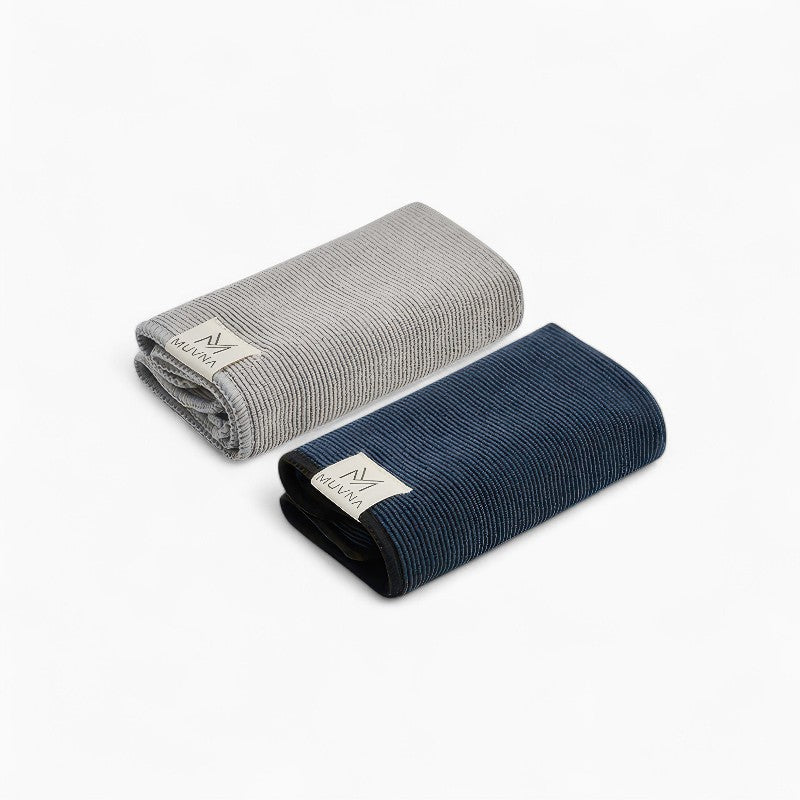
Start by turning on your espresso machine and allowing it to fully heat up—this typically takes 15-20 minutes. While waiting, prepare your workspace. A clean, organized station prevents contamination and ensures consistent results. The Barista Microfiber Cleaning Towel for Espresso is essential for keeping your group head and portafilter spotless before each shot.
Step 2: Grinding Your Coffee
Fresh grinding is non-negotiable for quality espresso. Coffee begins losing aromatics within minutes of grinding. The Mechanic E-Grinder Precision Conical Burr Coffee Grinder delivers near-zero retention grinding, ensuring every particle is fresh and uniformly sized. Adjust your grinder to produce a fine consistency—test by pinching the grounds between your fingers; they should clump slightly but not feel gritty.
Step 3: Dosing and Distribution
Transfer your ground coffee into the portafilter basket. For a double shot, use 14-18 grams depending on your basket size. Tap the portafilter gently to settle the grounds, then use your finger or a distribution tool to level the surface. Even distribution prevents channeling, where water finds weak points and over-extracts certain areas while under-extracting others.
Step 4: The Perfect Tamp
Tamping creates the resistance necessary for proper extraction. Hold your tamper level and apply firm, consistent pressure—approximately 30 pounds of force (though consistency matters more than exact weight). Keep your wrist straight and elbow at 90 degrees to avoid strain.

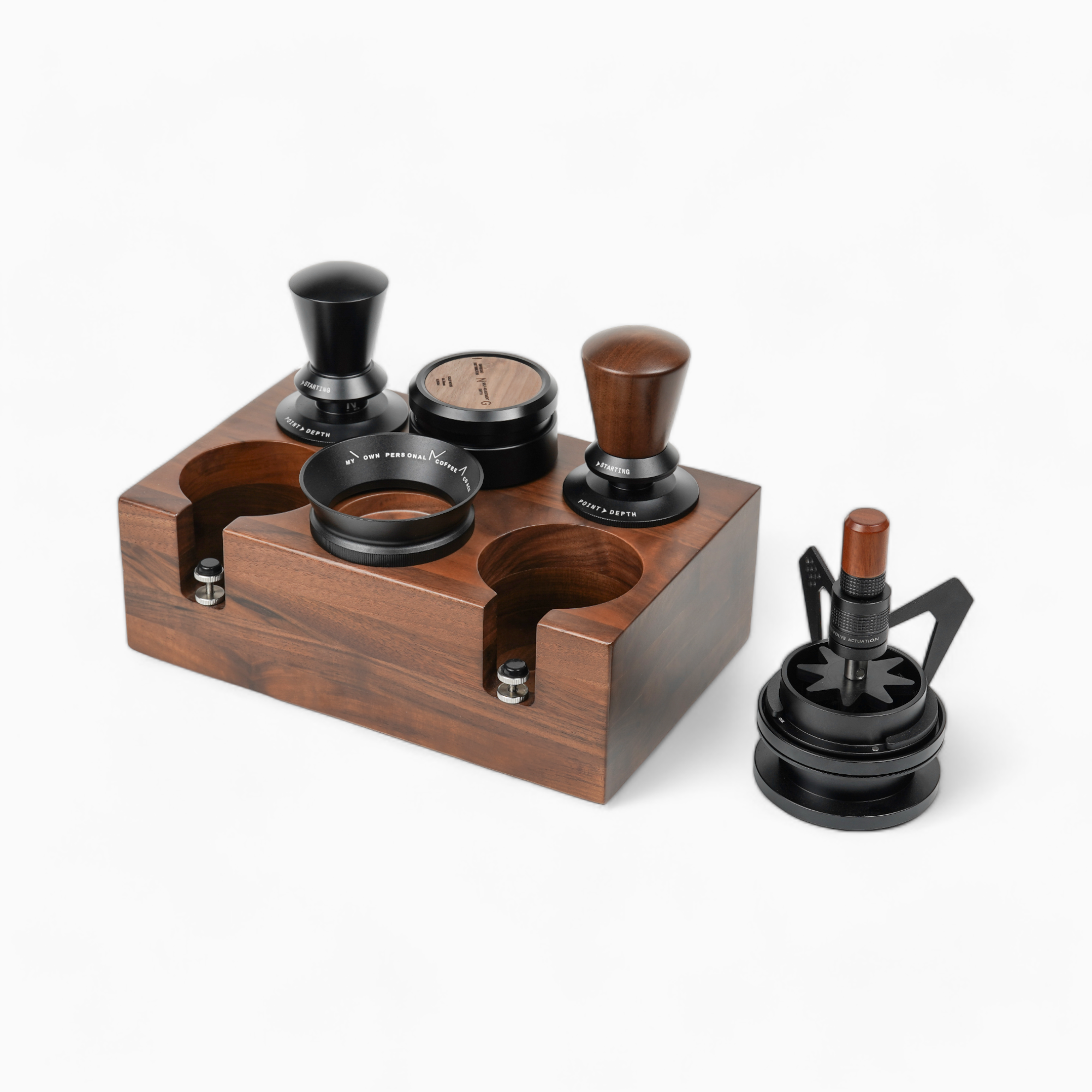
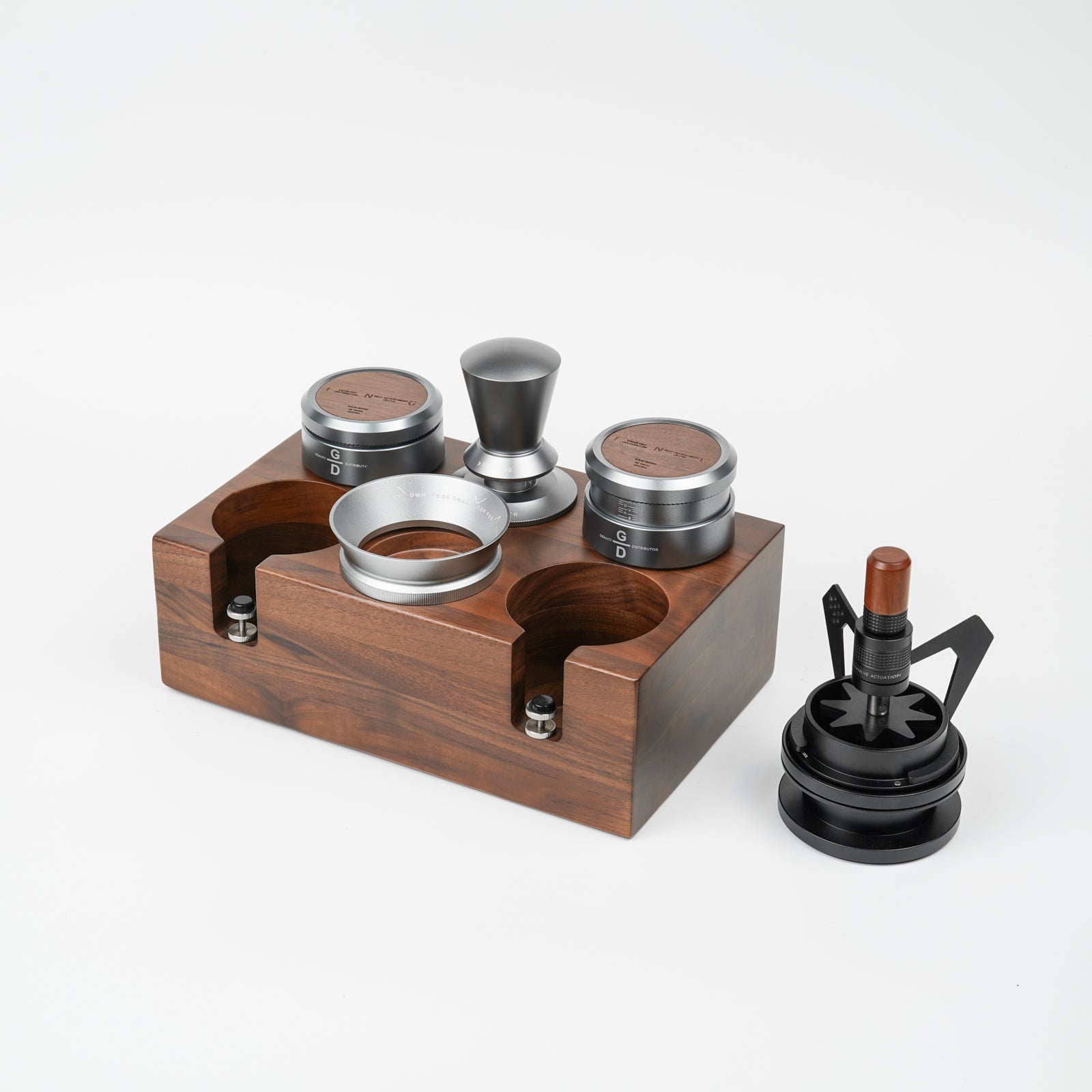
After tamping, do not touch the puck surface. Inspect for levelness—a crooked tamp leads to uneven extraction. The Barista Master Bundle Kit with Tamper and Distributor provides professional-grade tools that ensure perfectly level tamping every time.
Step 5: Lock In and Extract
Immediately lock the portafilter into the group head to prevent heat loss. Place your pre-warmed cup underneath and initiate extraction. Watch for the first drops to appear around 5-8 seconds. The flow should resemble warm honey—steady and syrupy. If the espresso gushes out immediately, your grind is too coarse. If it barely drips or produces dark, sputtering streams, your grind is too fine.
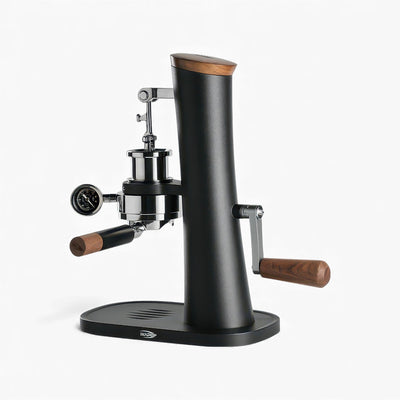
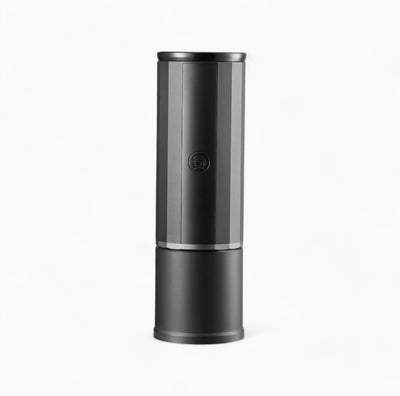
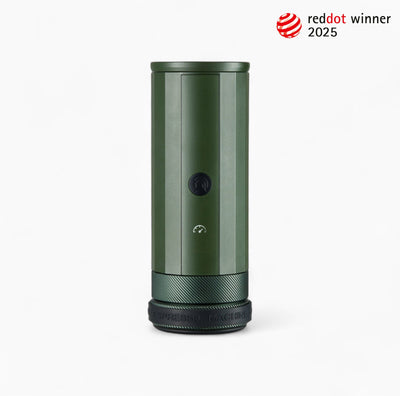

Mechanic E-Grinder Precision Conical Burr Coffee Grinder
$375.90 $650.00
Achieve consistent grind size with near-zero retention for perfect espresso extraction every time.
Explore ProductDialing In Your Perfect Shot
Dialing in refers to adjusting your variables to achieve the optimal flavor profile. Taste your espresso critically: sourness indicates under-extraction (grind finer or increase dose), while bitterness signals over-extraction (grind coarser or decrease dose). The goal is a balanced shot with sweetness, acidity, and body in harmony.
According to Specialty Coffee Association standards, espresso should be brewed at 201-203°F with water pressure at 9 bars. While most home machines handle temperature automatically, understanding these parameters helps you troubleshoot when shots taste off.
Essential Tools for Consistent Results
While technique matters, having the right tools eliminates variables that cause inconsistent shots. A quality grinder eliminates clumping and ensures uniform particle size. Professional tamping tools prevent the uneven compression that leads to channeling. And keeping your equipment clean ensures oils don't turn rancid and spoil your coffee's flavor.
Complete Your Espresso Setup

Barista Master Bundle Kit with Tamper and Distributor
$324.90
$382.00
Complete your espresso setup with professional-grade tamping and distribution tools for café-quality results. Learn more ➔

Barista Microfiber Cleaning Towel for Espresso
$8.90
$15.00
Keep your espresso station spotless with ultra-fine microfiber that lifts oils and residue effortlessly. Learn more ➔
Quick Reference: Espresso Brewing Guide
Print this infographic or bookmark this page for quick reference during your morning routine. Keeping these parameters visible helps you troubleshoot faster and develop muscle memory for consistent dosing and tamping.

Remember: Espresso is as much art as science. While these parameters provide a baseline, your specific beans, machine, and palate may require adjustments. Keep a brewing journal to track what works best for different coffees.
Conclusion
Learning how to make an espresso with an espresso machine opens up a world of coffee possibilities—from silky lattes to bold americanos. By mastering the fundamentals of grinding, dosing, tamping, and extraction timing, you've built the foundation for café-quality drinks at home.
Consistency comes from eliminating variables. Invest in tools that provide repeatable results, maintain your equipment diligently, and approach each shot with patience and attention to detail. At Rethink Cafe, we curate professional-grade espresso equipment specifically for home baristas who refuse to compromise on quality. From precision grinders to ergonomic tamping stations, every product in our collection solves real problems that stand between you and the perfect shot.
Frequently Asked Questions about Making Espresso
A traditional single shot of espresso is approximately 1 ounce (30ml), while a double shot (doppio) is about 2 ounces (60ml). However, modern espresso uses weight rather than volume for consistency. A single shot typically uses 7-9 grams of coffee to yield 14-18 grams of liquid, while a double shot uses 14-18 grams of coffee to yield 28-36 grams of liquid. Weight is more accurate than volume because crema volume varies significantly based on bean freshness and roast level.
No, you cannot make true espresso without an espresso machine. Espresso requires high pressure (9 bars) to create the concentrated extraction and crema characteristic of the beverage. However, you can make espresso-style coffee using alternative methods like the Moka pot, AeroPress, or French press. These methods produce strong, concentrated coffee but lack the crema and exact flavor profile of machine-extracted espresso. For authentic espresso with proper body and crema, you need equipment capable of generating sufficient pressure.
The 2:1 brew ratio means using 2 parts of ground coffee to extract 1 part of liquid espresso by weight. For example, 18 grams of coffee in the portafilter should yield 36 grams of espresso in your cup. This ratio has become the modern standard for balanced espresso, though some coffees taste better at different ratios—lighter roasts might shine at 2.5:1 or 3:1, while darker roasts might work better at 1.5:1 or 2:1. The 2:1 ratio provides a good starting point for dialing in new beans.
For a single shot of espresso, use 7 to 9 grams of finely ground coffee. For a double shot (the standard in most cafés), use 14 to 18 grams. The exact amount depends on your portafilter basket size and the coffee's density. Always weigh your coffee rather than using volume measurements, as bean density varies between origins and roast levels. Using a precision scale ensures consistency and helps you maintain your desired brew ratio.
Start by warming your machine for 15-20 minutes, then grind fresh coffee to a fine consistency. Dose 14-18 grams into your portafilter, distribute evenly, and tamp with consistent pressure. Lock the portafilter into the group head and start extraction immediately. Aim for 25-30 seconds of extraction time yielding a 2:1 ratio (input weight to output weight). Watch for steady, honey-like flow and a thick, persistent crema. If the shot runs too fast (under 20 seconds), grind finer. If too slow (over 35 seconds), grind coarser. Practice consistency with your dosing and tamping technique.