

When home baristas dream of café-quality espresso in their own kitchen, their minds naturally drift toward Italy. The country that pioneered espresso culture over a century ago continues to manufacture some of the world's finest coffee equipment. A true Italian espresso machine represents more than just an appliance—it's an heirloom-quality investment that transforms your daily ritual into an authentic experience.
At Rethink Cafe, we understand that choosing the right espresso machine made in Italy can feel overwhelming. With legendary brands like La Marzocco, Rocket, Gaggia, and De'Longhi dominating the market, how do you know which best Italian espresso machine suits your needs? This comprehensive guide explores the heritage, engineering excellence, and practical considerations behind authentic Italian craftsmanship.
Why Choose an Authentic Italian Espresso Machine?
Italy's espresso tradition dates back to 1884, when Angelo Moriondo patented the first steam-driven coffee machine in Turin. Since then, Italian manufacturers have perfected the art of espresso extraction through generations of engineering refinement. When you invest in an Italian made espresso machine, you're acquiring decades of accumulated expertise.
The defining characteristics of authentic Italian machines include commercial-grade components scaled for home use, exceptional temperature stability, and robust construction using materials like brass, copper, and stainless steel. These machines prioritize 9-bar pressure extraction and precise temperature control—the two non-negotiable elements for traditional espresso.
Italian manufacturers also understand that espresso is a social ritual. Their designs balance professional performance with aesthetics that complement sophisticated home kitchens. Chrome accents, elegant curves, and thoughtful ergonomics make these machines as beautiful as they are functional.
Top Italian Espresso Machine Brands Compared
Understanding the landscape of Italian manufacturers helps narrow your search for the perfect machine. Each brand brings distinct philosophies to espresso engineering.
La Marzocco: The Commercial Standard
La Marzocco represents the pinnacle of espresso engineering. Founded in Florence in 1927, this brand built the machines that power specialty coffee shops worldwide. Their home lineup, particularly the Linea Mini, delivers dual boiler espresso machine technology with saturated group heads—the same systems found in commercial cafés. Expect exceptional thermal stability and professional-grade steam power.
Rocket Espresso: Handcrafted in Milan
Rocket machines embody Italian artisan tradition. Each unit receives individual attention during assembly, with technicians personally testing every machine before it leaves the factory. Their heat-exchange and dual boiler models feature the legendary E61 group head, renowned for temperature consistency. Rocket appeals to enthusiasts seeking mechanical beauty alongside performance.
Gaggia: Accessible Italian Heritage
For those entering the Italian espresso world, Gaggia offers authentic heritage without overwhelming complexity. Their Classic Pro model maintains the commercial styling and brass components that defined early espresso culture while remaining approachable for newer home baristas. This represents excellent value for those wanting genuine Italian engineering at an entry-level price point.
De'Longhi: Modern Italian Innovation
De'Longhi bridges traditional espresso with modern convenience. Their super-automatic machines handle grinding, dosing, and extraction with minimal user intervention. While purists may prefer manual control, these machines deliver consistent Italian-style espresso for busy households. The brand's espresso machine lineup demonstrates how Italian innovation adapts to contemporary lifestyles.
Understanding Italian Espresso Machine Types
Choosing between machine configurations requires understanding how different boiler systems affect your workflow and results.
Single Boiler Machines
Entry-level Italian machines typically feature single boilers that handle both brewing and steaming—but not simultaneously. After pulling a shot, you must wait for the boiler to reach steaming temperature. While this creates a slight delay, single boiler machines offer authentic Italian engineering at accessible price points. They're ideal for milk-drink enthusiasts who don't mind the brief transition time.
Heat Exchange Systems
Heat exchange machines represent the sweet spot for many home baristas. A single boiler maintains steam temperature while a separate tube (the heat exchanger) delivers cooler water to the group head for brewing. This design enables simultaneous shot pulling and milk steaming—essential for crafting cappuccinos efficiently. Brands like Rocket and Quick Mill excel in this category.
Dual Boiler Espresso Machines
A dual boiler espresso machine represents the ultimate home configuration. Independent boilers for brewing and steaming maintain optimal temperatures for each function without compromise. This setup delivers the thermal stability that professional baristas demand, making it the preferred choice for serious enthusiasts and those who entertain frequently. La Marzocco and Rocket's dual boiler offerings set the standard in this premium category.
Prosumer vs. Entry-Level
The term prosumer espresso machine describes equipment bridging commercial performance with domestic practicality. These machines feature rotary pumps (quieter than vibration pumps), PID temperature control, and professional portafilters. While entry-level machines deliver satisfying espresso, prosumer models offer the precision and durability that dedicated enthusiasts eventually crave.
Key Features That Define Italian Quality
When evaluating an authentic Italian espresso machine, certain specifications reveal the manufacturer's commitment to quality.

Group Head Design
The group head—the component that locks your portafilter—profoundly affects extraction quality. The legendary E61 group head, designed in 1961, remains the gold standard for temperature stability through thermosyphon circulation. Many Italian manufacturers still use this proven design or modern iterations that improve upon its thermal characteristics.
Pressure and Temperature Control
True Italian espresso requires 9 bars of pressure during extraction. Premium machines include pressure gauges allowing you to monitor this critical parameter. Additionally, PID (Proportional-Integral-Derivative) controllers replace traditional thermostats for precise temperature management—often within 1-degree accuracy. This precision transforms good espresso into exceptional espresso.
Build Quality and Materials
Authentic Italian machines use substantial materials: brass boilers resist corrosion and maintain thermal mass; stainless steel exteriors withstand decades of use; chrome-plated brass group heads endure constant thermal cycling. When you handle an Italian machine's portafilter, the heft and balance immediately communicate quality.
The Rethink Cafe Approach to Italian Espresso
While traditional Italian espresso machines deliver exceptional results, they require significant investment and counter space. At Rethink Cafe, we believe authentic espresso shouldn't be limited to your kitchen. Our curated approach brings Italian-quality extraction to wherever your adventures take you.

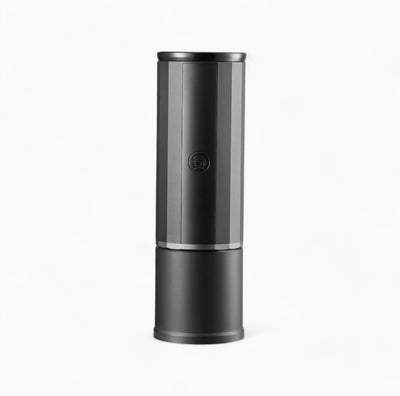
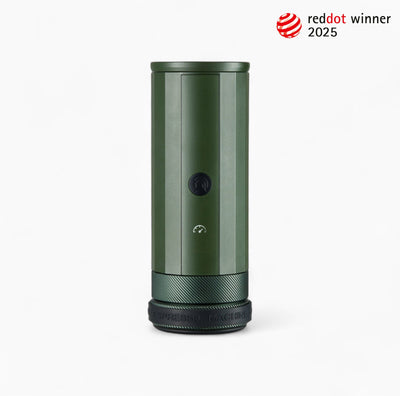
Pneumatic Portable Espresso Maker 9 Bar Pressure
$255.90 $425.00
Complete your Italian espresso setup with this portable 9-bar pneumatic maker—perfect for café-quality shots anywhere.
Explore ProductThe Portable Pneumatic Espresso Maker 9 Bar Pressure demonstrates that Italian-quality extraction doesn't require permanent installation. This innovative device delivers the 9-bar pressure standard that defines authentic espresso, using manual pneumatic power instead of electricity. Whether you're camping, traveling, or simply want espresso at the office, this portable solution maintains the pressure parameters that Italian engineers established as essential.

Essential Accessories for Your Italian Espresso Ritual
Even the finest Italian espresso machine requires supporting equipment to achieve its potential. The complete barista station includes tools that enhance precision, consistency, and presentation.
Water temperature dramatically affects extraction quality. While Italian machines heat brewing water internally, preheating cups and preparing water for other brewing methods demands precision. A variable-temperature kettle enables exact thermal control whether you're preheating equipment or preparing pour-over coffee alongside your espresso service.
Presentation completes the Italian espresso experience. Traditional Italian espresso cups maintain optimal drinking temperature while showcasing the rich crema that indicates proper extraction. Double-wall construction prevents heat loss without burning your fingers—a practical innovation respecting Italian tradition.
Complete Your Italian Espresso Setup

Gooseneck Electric Kettle with Temperature Control
$138.90
$255.00
Dial in precise water temperature for your Italian espresso machine with this gooseneck kettle featuring digital control. Learn more ➔

Serve your authentic Italian espresso in these heat-resistant double-wall cups that showcase rich crema and perfect temperature. Learn more ➔
The Gooseneck Electric Kettle with Temperature Control delivers the precise water heating essential for espresso preparation. Its digital control system allows you to dial in exact temperatures for preheating cups or preparing alternative brewing methods. The gooseneck spout provides controlled pouring when you need it.
Complement your extraction with the Double Wall Borosilicate Glass Espresso Cups 3oz Set. These heat-resistant cups showcase your espresso's rich crema while maintaining perfect drinking temperature. The double-wall construction keeps heat contained without transferring it to your hands—a thoughtful detail that enhances the drinking experience.

Conclusion: Investing in Italian Espresso Excellence
Choosing a best Italian espresso machine represents more than a purchasing decision—it's an investment in daily ritual and craft. Whether you select a commercial-grade La Marzocco, a handcrafted Rocket, an accessible Gaggia, or an innovative De'Longhi, you're connecting with over a century of espresso heritage.
The authentic Italian espresso experience combines engineering precision with aesthetic beauty. From dual boiler espresso machine technology to iconic design elements, these machines transform your kitchen into a personal café. The superior materials, temperature stability, and pressure consistency deliver shots that honor the Italian tradition.
At Rethink Cafe, we curate equipment that respects this heritage while adapting to modern lifestyles. Whether you choose a traditional Italian made espresso machine for your countertop or our portable pneumatic solution for life on the move, we're committed to helping you achieve café-quality results. Explore our complete collection of espresso equipment at rethink-cafe.com and discover how the right tools elevate every cup.
Frequently Asked Questions About Italian Espresso Machines
The "best" Italian espresso machine depends on your specific needs and budget. La Marzocco represents the commercial standard with exceptional dual boiler systems, while Rocket offers handcrafted heat-exchange and dual boiler models with stunning aesthetics. For entry-level enthusiasts, the Gaggia Classic Pro delivers authentic Italian heritage at an accessible price. De'Longhi excels in super-automatic convenience. The best choice balances your desired level of control, budget, kitchen space, and whether you prioritize manual craftsmanship or automated consistency.
Italian espresso machines benefit from over a century of continuous innovation and cultural dedication to espresso excellence. They typically feature superior build quality using brass, copper, and stainless steel; proven group head designs like the E61; and engineering specifically optimized for 9-bar extraction. However, quality machines are manufactured globally. The advantage of Italian machines lies in their heritage, widespread service networks, and designs refined through generations of espresso culture. For home baristas seeking authentic espresso tradition, Italian manufacturers offer unmatched credibility.
Authentic Italian espresso follows strict parameters: 25-30 seconds of extraction using 9 bars of pressure, producing a concentrated 1-ounce (30ml) shot with a rich, golden crema layer. Italian roasting traditions typically favor medium-dark roasts that emphasize chocolate and nut notes over fruity acidity. In Italy, espresso is consumed quickly while standing at the bar—it's a social ritual rather than a prolonged beverage experience. The crema is considered essential, indicating proper extraction and bean freshness. Italian espresso tends to be less bitter than commercial American espresso when prepared correctly, with a balanced, full-bodied flavor profile.
Both brands excel in different areas. Breville (Australian-designed) emphasizes user-friendly features, precise PID temperature control, and innovative assisted tamping systems. Their machines often appeal to tech-forward home baristas wanting control and customization. De'Longhi (Italian) offers authentic European styling and particularly dominates the super-automatic category, where machines grind, dose, and extract with minimal intervention. De'Longhi also maintains strong Italian heritage in their manual espresso lines. Choose Breville for granular control and modern features; choose De'Longhi for Italian design heritage and excellent super-automatic convenience. Both deliver quality espresso, but their philosophies differ.


