

Building the perfect home espresso bar starts with one critical decision: choosing the right espresso machine and grinder combination. For years, coffee enthusiasts lived with cluttered countertops, awkward setups, and the frustration of managing multiple appliances. Then came espresso machines with built-in grinders—revolutionary all-in-one solutions that promised cafe-quality results with countertop simplicity.
But do these integrated machines truly deliver on that promise? Whether you're a busy professional craving convenience or an aspiring home barista ready to elevate your morning ritual, this guide will walk you through everything you need to know about espresso machines with integrated grinders. We'll explore which features matter most, compare automatic versus semi-automatic operation, and reveal when stepping up to a dedicated coffee grinder might be the smarter investment for your brewing journey.
Why Choose an Espresso Machine with Built-In Grinder?
The allure of a bean-to-cup espresso machine is undeniable. These space-saving powerhouses combine two essential components—espresso extraction and coffee grinding—into a single footprint. For apartment dwellers or anyone with limited kitchen real estate, this integration eliminates the need for separate appliances cluttering valuable counter space.
Beyond the physical space benefits, there's the matter of workflow efficiency. A best espresso machine with grinder setup allows you to go from whole beans to fresh espresso with minimal steps. No transferring grounds between appliances, no measuring into separate containers, and fewer variables to manage during your morning rush. This streamlined approach makes them particularly attractive for beginners just entering the world of home espresso.
However, as your palate refines and your standards rise, you may discover that built-in griners have limitations—particularly in grind consistency, adjustment precision, and the ability to dial in specific recipes. This is where understanding the full ecosystem of espresso equipment becomes invaluable.

Automatic vs. Semi-Automatic: Understanding the Difference
When shopping for an automatic espresso machine with grinder, you'll encounter two distinct categories that fundamentally change your brewing experience:
Automatic (Super-Automatic) Machines
These are the true push-button solutions of the coffee world. From grinding to extraction to milk frothing, every step is automated. Machines from brands like Jura and higher-end Breville models fall into this category. They're perfect for those who prioritize convenience over hands-on control, delivering consistent results with minimal learning curve.
Semi-Automatic Machines
Semi-automatic models like the Breville Barista Express series give you control over shot timing and milk texturing while handling the grinding internally. These units strike a balance between convenience and craft, allowing you to learn barista skills while relying on a integrated grinder for dose consistency.
The choice between these types depends entirely on your priorities. Want minimal morning effort? Go automatic. Want to develop your barista skills while maintaining countertop simplicity? Semi-automatic is your sweet spot.
The Burr Grinder Advantage
If there's one non-negotiable feature in any coffee and espresso machine with grinder, it's the quality of that grinder. Blade grinders chop beans inconsistently, creating uneven particle sizes that result in channeling and poor extraction. Only burr grinders—whether conical or flat—deliver the uniform particle size essential for rich, balanced espresso.

Most quality espresso machines with built-in grinders now feature conical burr sets, which run quieter and cooler than flat burr alternatives. However, these built-in units typically use smaller burr sets (around 40mm) compared to specialty coffee standards for standalone grinders, which can reach 64mm or larger. The trade-off becomes apparent when chasing that perfect extraction for light-roasted single origins or when you need ultra-fine micro-adjustments for competition-level shots.
For beginners and those drinking primarily medium-dark roasts, these built-in burr grinders perform admirably. But as your journey deepens, the limitations become more apparent—and more frustrating.
Best Espresso Machines with Grinders for Home Use: By Category
Finding the perfect espresso machine grinder combo depends heavily on your budget, skill level, and daily routine. Here's how the current market breaks down:
Entry-Level ($300-$700): Breville Barista Express Impress, Ninja Luxe Café Series—these deliver solid espresso for beginners with forgiving learning curves and compact footprints.
Mid-Range ($700-$1,200): Breville Barista Pro, De'Longhi La Specialista—stepped-up temperature stability, faster heat-up times, and more precise grinder adjustments.
Premium ($1,200-$2,000): KitchenAid Espresso Maker with Burr Grinder, Breville Oracle—prosumer features with user-friendly interfaces and superior milk system integration.
Super-Automatic ($1,500-$2,800+): Jura machines—one-touch operation with self-cleaning cycles and unparalleleld user convenience, though less room for experimentation.
Separation Anxiety: Built-In vs. Standalone Grinders
Here's where serious home baristas face a critical decision. The most asked question in this space concerns the machine:grinder cost ratio—is a separate grinder actually better?
The short answer: for absolute espresso quality, yes. Standalone grinders offer:
- Larger burr sets for more consistent particle distribution
- Independent power delivery to the motor (no shared circuitry with the espresso machine)
- Precision stepped or stepless adjustment ranges
- Dedicated cooling systems for extended use
- Single-dose capabilities for maximum freshness
For many enthusiasts, the ideal setup evolves in two phases: start with an all-in-one espresso machine to learn the fundamentals, then upgrade to a dedicated grinder when you're ready to chase that elusive God shot. This progression lets you control both variables independently—grind size and extraction parameters—and represents the natural evolution of every serious home barista.

T64 Single Dose Coffee Grinder with 64mm Flat Burrs
$345.90 $356.00
Upgrade your grind game with this precision single-dose grinder featuring 64mm titanium-coated flat burrs and near-zero retention for the freshest espresso possible.
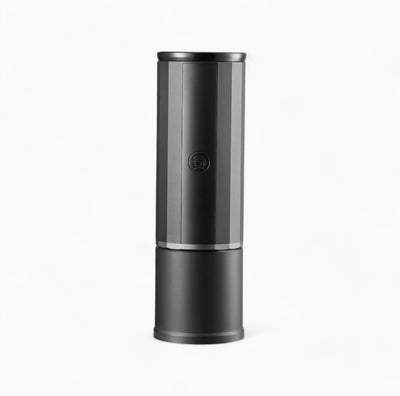
Explore ProductWhen you're ready to graduate from built-in grinders, the T64 Single Dose Coffee Grinder represents a quantum leap in grind quality. With its 64mm titanium-coated flat burrs and near-zero retention design, this grinder eliminates the staleness issues that plague integrated hopper systems. The larger burr set generates fewer fines, creating cleaner extractions that reveal subtle tasting notes hidden by smaller built-in grinders.
Single-dosing has transformed the home espresso scene—particularly for enthusiasts who enjoy rotating between different beans or brewing methods. Unlike all-in-one machines that require you to commit to a hopper full of beans, single-dose grinders let you grind exactly what you need, exactly when you need it. The result is the freshest possible coffee extraction, every single shot.
Espresso Machines and Grinders for Beginners: The Learning Path
If you're reading this as a complete newcomer, you might feel overwhelmed by the options. Start here: a quality espresso maker with grinder combination from a reputable manufacturer will serve you well for your first year of home brewing. Focus on learning shot timing, milk texturing, and basic grind adjustment before worrying about burr size comparisons.
The learning curve isn't as steep as it appears—especially with machines that include assisted tamping or automatic dosing. The key is establishing a consistent routine and understanding how grind size affects shot timing. Once you can consistently pull 25-30 second shots with good crema, you're ready to evaluate whether your grinder is holding you back.
Maintenance: The Often Forgotten Factor
Built-in grinders have one significant maintenance downside: when your grinder needs cleaning or repair, your entire espresso station goes offline. Standalone grinders can be serviced independently while you still pull shots with pre-ground coffee.
Regular cleaning is non-negotiable for either setup. Retained grounds in the burr chamber go stale within hours, tainting subsequent shots with off-flavors. This is particularly problematic for machines with internal grind chutes that are difficult to access.

Regardless of your grinder choice, investing in proper maintenance tools will significantly extend your equipment's life and performance. Regular brush cleaning of the burrs, removal of accumulated fines, and deep cleaning cycles keep your grind quality consistent month after month.
Essential Grinder Maintenance & Precision Grinding Tools

Mechanic E-Grinder Precision Conical Burr Coffee Grinder
$375.90
$650.00
Take command of your grind with 100 adjustable steps, 48mm CNC conical burrs, and whisper-quiet 55dB operation for perfect espresso dosing every morning. Learn more ➔

Coffee Grinder Cleaning Brush with Fine Bristles
$9.90
$25.00
Keep your grinder performing at peak with this precision cleaning brush featuring fine synthetic bristles that sweep retained grounds from every crevice. Learn more ➔
The Mechanic E-Grinder bridges the gap between entry-level and professional with its 100-step adjustment range and whisper-quiet 55dB operation—perfect for early morning brewing without waking the household. For complete grinder care, pair it with the Coffee Grinder Cleaning Brush with Fine Bristles, specifically designed to reach into tight spaces between burr teeth where stale grounds accumulate.
Final Verdict: Should You Go Integrated or Separate?
The best integrated grinder espresso machine setups offer undeniable convenience, particularly for beginners and busy households. They simplify workflow, save counter space, and eliminate the complexity of matching separate components. For anyone prioritizing convenience and just-bottomless-mug espresso quality, all-in-one machines absolutely deliver.
However, if you find yourself chasing increasingly elusive flavor clarity, struggling with single-origin dial-ins, or simply wanting the flexibility to upgrade components independently, standalone grinders represent the logical next step. The journey from integrated to separated systems mirrors the progression from coffee drinker to coffee enthusiast—and both paths are equally valid.
At Rethink Cafe, we believe the best espresso setup is the one that actually gets used. Whether that's a space-saving all-in-one machine with built-in burr grinder or a separate espresso machine and specialty grinder combination, the goal is always the same: transforming your morning routine into something you genuinely look forward to.
Frequently Asked Questions about Espresso Machines with Built-In Grinders
The best espresso machines with grinders for home use depend on your budget and experience level. For beginners, the Breville Barista Express Impress offers guided tamping and consistent results. For those wanting more hands-off operation, Ninja's Luxe Café series and KitchenAid's espresso maker with burr grinder provide excellent convenience. Super-automatic options from Jura are ideal for those prioritizing one-touch operation over manual control, though they come at a premium price point.
The top espresso machines with burr grinders combine conical burr sets with sufficient adjustment range for dialing in espresso. The Breville Barista Express and Pro models offer 30 grind settings with steel conical burrs, while the KitchenAid Espresso Maker with Burr Grinder provides commercial-grade build quality. For the ultimate quality, consider machines with stepped or stepless adjustments that allow micro-changes to grind size—essential for light roasts and single-origin coffees.
Beginners should prioritize espresso machines with grinders that include assisted features. Look for models with automatic dosing, assisted tamping, and clear pressure gauges to guide your learning. The Breville Barista Express Impress is particularly beginner-friendly with its intelligent dosing system. Avoid overly complex super-automatics initially—they limit learning opportunities—and resist the urge to buy separate components until you've mastered the basics of extraction timing and milk texturing.
For espresso purists, a separate grinder investment often yields better results than built-in options at the same price point. When manufacturers divide costs between espresso machine heating systems and grinder components, both often suffer compromises. A $500 standalone grinder typically outperforms a grinder built into a $1,500 machine. However, for beginners and convenience-focused users, the integrated approach still makes sense—just understand that grind quality will eventually become your limiting factor as skills improve.
Automatic espresso machines with grinders handle the entire process from bean to cup with button-press simplicity—grind, dose, tamp, extract, and often milk frothing. They're ideal for busy households and those prioritizing consistency over learning. Semi-automatic machines with built-in grinders, like the Breville Barista series, automate the grinding and dosing but let you control extraction timing and milk texturing. This balance makes them perfect for aspiring home baristas who want to develop skills while maintaining countertop simplicity.


