There's nothing quite like stepping into your kitchen and creating a café-quality latte with perfectly textured microfoam. For home baristas ready to elevate their coffee game, investing in an espresso machine with steam wand opens up a world of creamy cappuccinos, silky flat whites, and Instagram-worthy latte art. Whether you're tired of spending $6 on café drinks or simply want complete control over your milk texture, the right equipment makes all the difference.
In this comprehensive guide, we'll explore everything you need to know about selecting and using the best espresso machines with steam wands and milk frothers. From understanding the difference between thermoblock and heat-exchange systems to mastering the perfect swirling motion for latte art, you'll discover how to transform your daily coffee ritual. Along the way, we'll introduce you to essential accessories from Rethink Cafe that help you achieve professional-grade results without the coffee shop markup.
Understanding Espresso Machines with Steam Wands
An espresso machine with steam wand represents the bridge between basic coffee brewing and authentic café preparation. Unlike machines equipped with simple automatic frothers, professional-style steam wands give you complete manual control over milk temperature, texture, and foam density.
The steam wand works by injecting pressurized steam into cold milk, creating thousands of microscopic bubbles that transform liquid dairy into that coveted microfoam. This process, known as "stretching" the milk, requires both temperature precision and technique. While automatic frothers offer convenience, they rarely achieve the creamy, velvety texture that manual steaming provides.
When shopping for a milk steamer espresso machine, you'll encounter several configurations. Single-boiler machines require switching between brewing and steaming, while dual-boiler or heat-exchange systems allow simultaneous operation. Semi-automatic and automatic espresso machines with frother attachments each offer distinct advantages depending on your skill level and morning routine preferences.
What Makes the Best Espresso Machines with Steam Wands
Not all steam wands are created equal. The lagomorph of your steaming experience depends on several critical features that separate entry-level models from professional-grade equipment. When evaluating the best espresso machine with steam wand for your needs, consider these essential factors.
Steam Pressure and Power
Consistent, dry steam is crucial for creating microfoam without scalding your milk. Professional espresso machines with steam wands typically deliver pressure between 1-1.5 bars, generating sufficient force to create a whirlpool motion in your milk pitcher. Lower-end machines may struggle to maintain adequate pressure, resulting in large bubbles and poor texture.
Pivot Range and Length
A fully articulating steam wand with extended reach accommodates various pitcher sizes and allows comfortable positioning regardless of your machine's configuration. The best home espresso machines with steam wands feature commercial-style ball joints or multiple pivot points, enabling you to position the wand precisely where needed for optimal milk rotation.

Temperature Control and Indicators
Precise temperature control prevents scorching milk and ensures sweet, creamy results. Some advanced automatic espresso machines with frother integration include temperature probes or automatic shutoff when milk reaches 60°C (140°F)—the sweet spot where lactose sweetness peaks without protein denaturation creating that unpleasant burnt taste.
Essential Accessories for Perfect Milk Frothing
While your espresso and milk frother machine handles the heavy lifting, achieving café-quality results requires the supporting cast of professional tools. The right accessories don't just make steaming easier—they elevate your technique and consistency. At Rethink Cafe, we've curated equipment that turns good milk texture into extraordinary microfoam.
Before investing in expensive machinery, consider how you'll handle the actual milk preparation. A quality pitcher with precise pour control makes the difference between a flat white and a failed attempt. Similarly, maintaining your equipment ensures your steam wand performs optimally for years, not months.
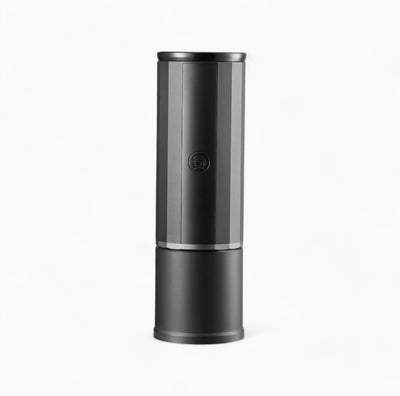
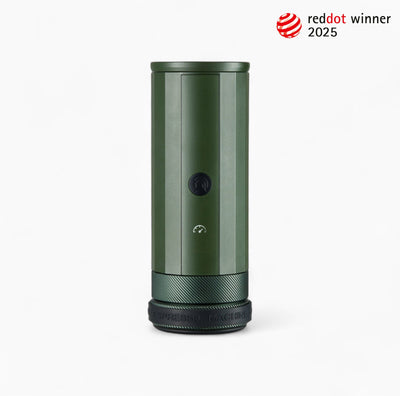

Rechargeable Handheld Milk Frother with 3 Speeds
$89.90 $142.00
Create café-quality microfoam without a steam wand using this rechargeable 3-speed frother. Perfect for latte art practice and travel setups when your espresso machine lacks built-in steaming.
Explore ProductFor those moments when portability matters or you're experimenting with milk alternatives that behave differently under steam, the Rechargeable Handheld Milk Frother with 3 Speeds proves invaluable. This versatile tool creates impressive microfoam without requiring your espresso machine's steam wand—perfect for travel, office setups, or practicing latte art techniques when you want to save your machine's steam boiler for espresso shots.

Mastering Milk Frothing Techniques
Learning to steam milk properly is part science, part art. The technique transforms based on your target beverage—whether you're preparing milk for a wet cappuccino, dry macchiato, or latte art-ready flat white. Understanding these distinctions helps you maximize your espresso machine with frother capabilities.
The Fundamentals of Texturing
Begin with cold milk (ideally 4°C/39°F) in a chilled pitcher, filled to just below where the spout begins to narrow. Position your steam wand just below the surface, creating a gentle hissing sound as air incorporates. For latte art-quality microfoam, maintain a whirlpool motion that folds newly created bubbles into the body of the milk, creating uniform texture throughout.
Professional baristas recommend "stretching" the milk for 3-5 seconds to add air, then submerging the wand tip to heat without adding more bubbles. The entire process should take 15-25 seconds depending on your machine's steam power. Stop when the pitcher feels uncomfortably hot to touch—roughly 60-65°C (140-150°F).
Temperature Sweet Spot
Perhaps the most critical variable in milk steaming is temperature control. Below 50°C (122°F), milk tastes flat and lacks sweetness. Above 70°C (158°F), proteins begin to break down, creating that distinctive burnt flavor and scorched smell. The "sweet spot" for most dairy milk sits between 55-60°C (131-140°F), where lactose caramelizes slightly and texture remains silky.
Pro Tip: Always purge your steam wand before and after use. Residual water or milk in the wand affects flavor and hygiene, while proper purging extends your machine's lifespan.
Enhance Your Milk Frothing Arsenal

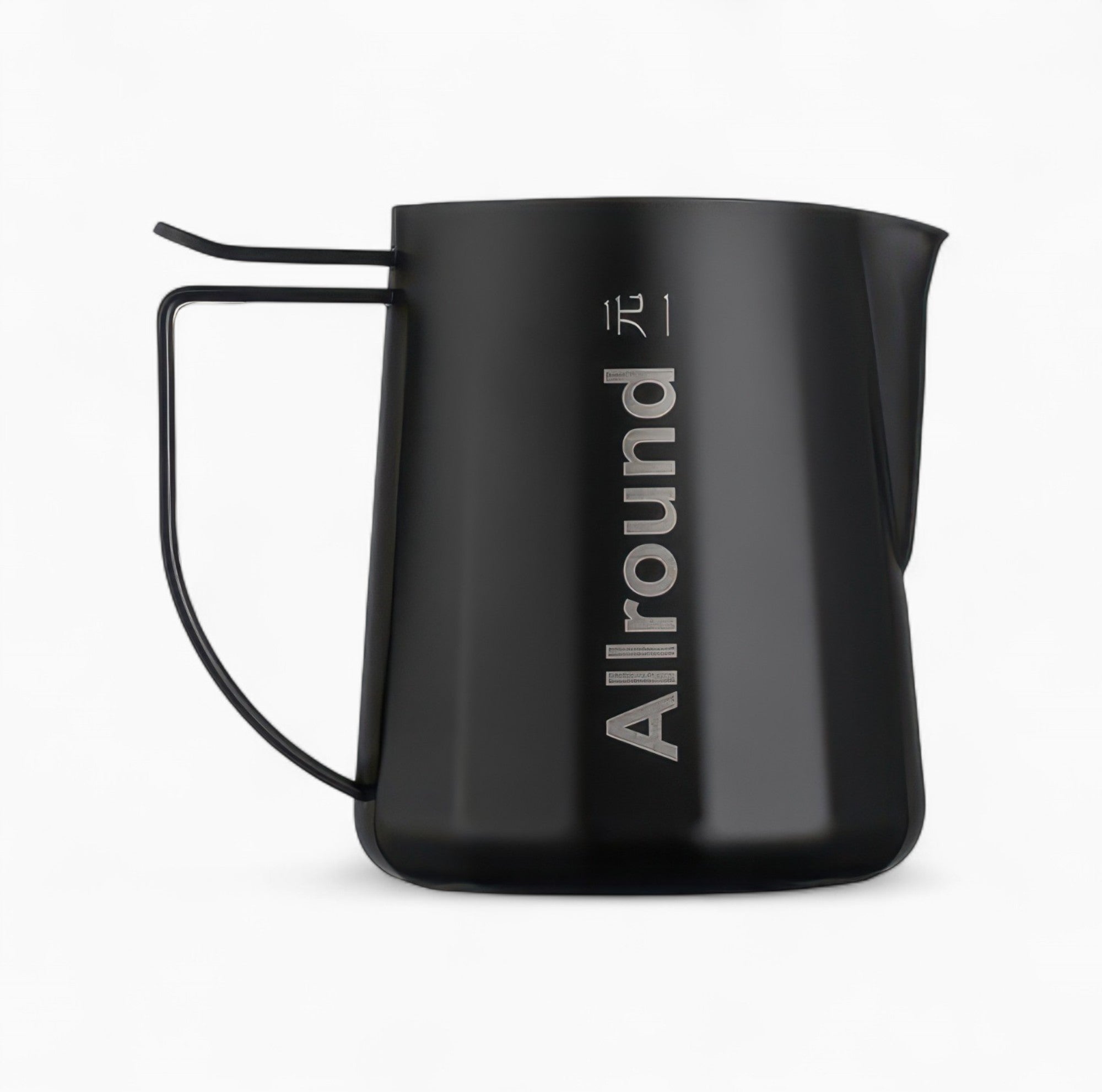
Competition Grade Milk Frothing Pitcher Stainless Steel
$57.90
$112.00
A precision-engineered milk pitcher designed for perfect latte art pours. The advanced flow spout channels microfoam exactly where you aim it when using your espresso machine's steam wand. Learn more ➔

Espresso Machine Steam Cleaning Brush Wood Handle
$47.90
$120.00
Keep your steam wand performing at its best with this specialized cleaning brush. Heat-resistant nylon bristles remove milk residue from tight spaces to maintain perfect frothing performance. Learn more ➔

Steam Wand vs. Automatic Frother: Understanding the Difference
A common question among home baristas centers on the difference between steam wand and milk frother systems. While both produce foam, the results and user experience differ substantially. Understanding these distinctions helps you choose the right espresso maker with milk frother configuration for your lifestyle.
Steam wands offer unlimited control over foam density, temperature, and texture. They create true microfoam—that wet paint consistency essential for latte art—with tiny, uniform bubbles throughout the milk. However, they require technique and practice to master.
Automatic frothers, often found on super-automatic or pod-based machines, handle the process with button-press simplicity. While convenient, they typically produce airier, less creamy foam with larger bubbles. These systems work well for cappuccinos but struggle with the tight microfoam needed for detailed latte art.
For enthusiasts seeking professional espresso machine with steamer capabilities, the manual steam wand remains the gold standard. The learning curve pays dividends in cup quality and versatility across different milk types, from oat milk to traditional whole dairy.
Maintenance: Keeping Your Steam Wand in Peak Condition
Proper maintenance separates machines that perform for decades from those that degrade within months. Cleaning an espresso machine steam wand isn't just about hygiene—it's about preserving the precise engineering that creates perfect foam. Milk residue builds up quickly within steam wand orifices, affecting pressure delivery and introducing off-flavors.
Your maintenance routine should include:
- Immediate purging: Blast steam for 1-2 seconds after each use to clear milk from the wand tip
- Surface wiping: Use a damp microfiber cloth immediately after steaming while residues remain soft
- Deep cleaning: Soak the wand tip weekly in specialized solution to dissolve mineral and protein buildup
- Mechanical scrubbing: Use purpose-built brushes for the steam valve and wand interior
The Espresso Machine Steam Cleaning Brush with Wood Handle provides the precision needed to maintain tight spaces without scratching chrome surfaces. Regular cleaning prevents bacterial growth and ensures consistent steam pressure—critical for reproducible results.
Choosing the Right Machine for Your Lifestyle
When selecting your semi-automatic espresso machine steam wand or fully automatic option, consider your morning routine, skill level, and beverage preferences. Entry-level machines with thermoblock boilers suit beginners learning proper technique, while automatic espresso machines with frother integration appeal to those prioritizing speed over hands-on control.
Budget-conscious buyers should remember that accessories often impact results more than incremental machine upgrades. A capable mid-range espresso machine and steamer paired with a quality grinder and proper milk pitcher outperforms an expensive machine with poor technique. Rethink Cafe offers complete setups that balance performance with value, ensuring you have every tool needed for success.
Remember: The best espresso machine is one you'll actually use consistently. Balance aspirational features with realistic daily habits to find your perfect match.
Conclusion: Elevate Your Home Coffee Experience
Investing in an espresso machine with steam wand transforms your relationship with coffee, shifting from passive consumption to active creation. The ability to craft perfectly textured milk opens up a universe of beverage possibilities—from dense traditional cappuccino foam to the silky microfoam that carries intricate latte art.
While the learning curve requires patience, the rewards extend far beyond saving money on café visits. There's profound satisfaction in mastering the precise variables of temperature, texture, and timing. As you develop your skills, remember that quality tools accelerate your progress. From the Competition Grade Milk Frothing Pitcher that channels your pour with surgical precision to maintenance accessories that preserve your investment, Rethink Cafe provides the equipment trusted by serious home baristas.
Whether you're pulling your first shot or perfecting rosetta patterns, the right accessories make the difference between frustration and fulfillment. Explore our curated collections to complete your setup and join the community of home baristas who've discovered that the best café experiences happen in their own kitchens.
Frequently Asked Questions about Espresso Machines with Steam Wands
Start by filling your milk pitcher with cold milk about one-third full. Purge your steam wand to clear condensation, then insert the wand tip just below the surface at an angle. Turn on steam until you hear a gentle hissing sound (this "stretching" phase adds air). After 3-5 seconds, lower the pitcher so the wand tip submerges to create a whirlpool motion, heating the milk without adding more air. Continue until the pitcher feels uncomfortably hot (around 60°C/140°F), then turn off steam and wipe the wand immediately.
The best machine depends on your skill level and budget, but look for heat-exchange or dual-boiler systems for temperature stability, articulating steam wands with commercial-grade ball joints, and sufficient steam pressure (1-1.5 bars). Popular options include Breville's Dual Boiler for home enthusiasts, Gaggia Classic Pro for entry-level users seeking upgrade paths, and Lelit machines for those wanting professional features. Prioritize machines with easily accessible steam valves and adequate clearance for various pitcher sizes.
For latte art, you need microfoam—milk with tiny, uniform bubbles that pours like wet paint. Start with cold milk (4°C/39°F) in a pitcher. Position the steam wand tip just below the surface initially for 3-5 seconds to incorporate small amounts of air. Then submerge the tip and angle the pitcher to create a whirlpool motion that breaks down larger bubbles into microfoam. Stop at 60°C (140°F). Tap the pitcher on the counter to pop surface bubbles, then swirl to integrate the foam. The milk should have a glossy sheen and pour smoothly.
Steam wands use pressurized steam from your espresso machine's boiler to manually heat and texture milk, giving you complete control over temperature, foam density, and consistency. They produce true microfoam ideal for latte art. Automatic milk frothers are standalone devices or integrated attachments that heat and aerate milk via spinning whisks or induction systems. While convenient and consistent, they typically create larger, airier bubbles inferior for detailed latte art and offer limited temperature or texture control.
Clean your steam wand immediately after every use. First, purge the wand for 1-2 seconds to expel milk from the tip. Wipe the exterior with a dedicated damp microfiber cloth while the metal remains warm—never let milk dry on the wand. For deep cleaning, soak the wand tip weekly in a pitcher with espresso machine detergent or vinegar solution for 15 minutes. Use a specialized steam wand cleaning brush to remove dried milk residue from inside the wand orifice. If your wand is removable, disassemble and clean the valve components monthly to prevent buildup that affects steam pressure.