When your espresso machine sputters, leaks, or stops working entirely, the immediate thought is often repair or replacement? This comprehensive guide to espresso machine repair will help you diagnose common problems and decide whether a DIY fix is possible. As home baristas ourselves, we understand the frustration of losing your morning ritual to technical issues.
In this guide, you'll learn how to troubleshoot the most frequent coffee machine failures, understand when professional help is necessary, and discover how proper maintenance with the right tools can prevent costly repairs. While some issues require a technician, many problems can be resolved at home with basic knowledge and quality maintenance equipment.
Can an Espresso Machine Be Repaired?
Absolutely. Most espresso machines can be repaired, especially when caught early. The type of machine you own dramatically affects repair feasibility:
- Semi-automatic and manual machines typically have the most repairable components. Pumps, pressure stats, and group heads are modular and replaceable.
- Super-automatic machines are more complex but can often be repaired, though sourcing parts may be challenging for older models.
- Entry-level consumer machines sometimes cost more to repair than replace, depending on the issue.
Common repairable components include pumps, heating elements, pressure switches, gaskets, and electronic displays. Electronics and boilers are typically the most expensive parts to replace, so weigh these costs against replacement value.
Is It Worth Repairing an Espresso Machine?
The espresso machine repair cost versus replacement question depends on several factors:
| Scenario | Repair Cost | Recommendation |
|---|---|---|
| $300-500 machine, repair under $100 | $50-100 | Repair – worth the investment |
| $500-1000 machine, moderate repair | $150-300 | Repair – economical choice |
| $1000+ machine, any repairable issue | $200-500 | Repair – quality machines last |
| Entry-level machine ($100-200), major failure | $100+ | Replace – cost exceeds value |
For Breville espresso machine repair and similar popular brands, parts availability makes repairs more feasible. High-end prosumer machines from brands like La Marzocco, ECM, or Rocket are almost always worth repairing given their initial investment.
The Most Common Espresso Machine Problems
Understanding what failures happen most frequently helps you diagnose your machine before calling a technician. These are the issues that plague home baristas regularly:
Low Pressure and Weak Shots
When your espresso machine pump struggles, shots become watery and lack crema. This often indicates:
- Mineral buildup restricting water flow
- A failing vibration pump needing replacement
- Rotary pump bearing wear (on higher-end machines)
- Clogged group head or portafilter
Leaking Water from Group Head or Steam Wand
Leaks typically stem from worn gaskets, failed o-rings, or loose fittings. The group head gasket should be replaced every 6-12 months depending on usage. Neglecting your steam wand cleaning leads to buildup that can cause leaks and affect milk texture.
Machine Not Heating Properly
Temperature instability suggests heating element failure, thermoblock issues, or scale buildup insulating the boiler. Regular descaling is critical—learn more in our complete descaling guide.
Grinder-Related Problems
If your machine includes a grinder, trapped coffee grounds can cause jams and motor strain. Proper grinder maintenance prevents these issues from affecting your machine's performance.
The video above demonstrates quick fixes that might save you a service call. However, when deep cleaning is needed, the right tools make all the difference.

Espresso Machine Steam Cleaning Brush Wood Handle
Steam wand blockages are a leading cause of espresso machine not pumping water properly. Milk residue solidifies quickly, creating clogs that affect pressure throughout the system. The Espresso Machine Steam Cleaning Brush Wood Handle solves this exact problem with its heat-resistant bristles designed to scrub the inside of your steam wand.

Espresso Machine Steam Cleaning Brush Wood Handle
$47.90 $120.00
Keep your steam wand and group head clean with this heat-resistant brush designed for espresso machine maintenance. Essential tool for preventing clogs and maintaining flavor quality in your daily espresso routine.
Explore ProductRegular cleaning with this brush prevents milk buildup that forces pumps to work harder, potentially extending component lifespan significantly. Prevention is always cheaper than repair.


Preventive Maintenance: Your Best Repair Strategy
The most effective espresso machine troubleshooting happens before problems arise. A consistent cleaning routine prevents the buildup that leads to pump failure, valve clogging, and electronic sensor errors.
Daily Maintenance Habits
- Flush the group head after every shot
- Purge and wipe the steam wand immediately after use
- Empty the drip tray and purge water from the group head weekly
Weekly Deep Cleaning
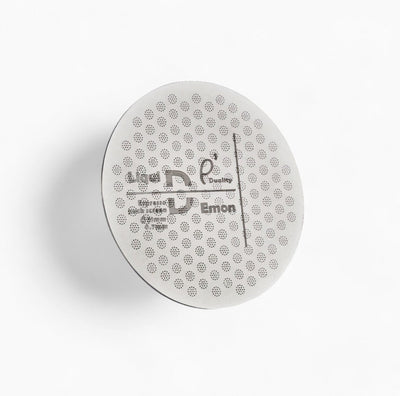
Remove the shower screen and clean with espresso machine cleaner. Inspect the group head gasket for wear—cracking or hardening indicates replacement is needed soon.
Monthly Care
Descaling should occur monthly if you have hard water, or every 2-3 months with filtered water. Check our descaling guide for specific solutions and procedures.

Deep Cleaning Tools for Machine Longevity
When routine maintenance isn't enough, trapped grounds and debris require specialized tools. Coffee particles lodge in grinder paths, drip trays, and machine crevices, attracting moisture that corrodes components over time.
The Barista Air Wand 2-in-1 Grinder Vacuum and Blower revolutionizes this process. Its cordless design removes trapped grounds from grinder burrs—where brushes can't reach—preventing motor strain that leads to premature failure. The blower function sends puffs of air deep into machine crevices where stale grounds accumulate.
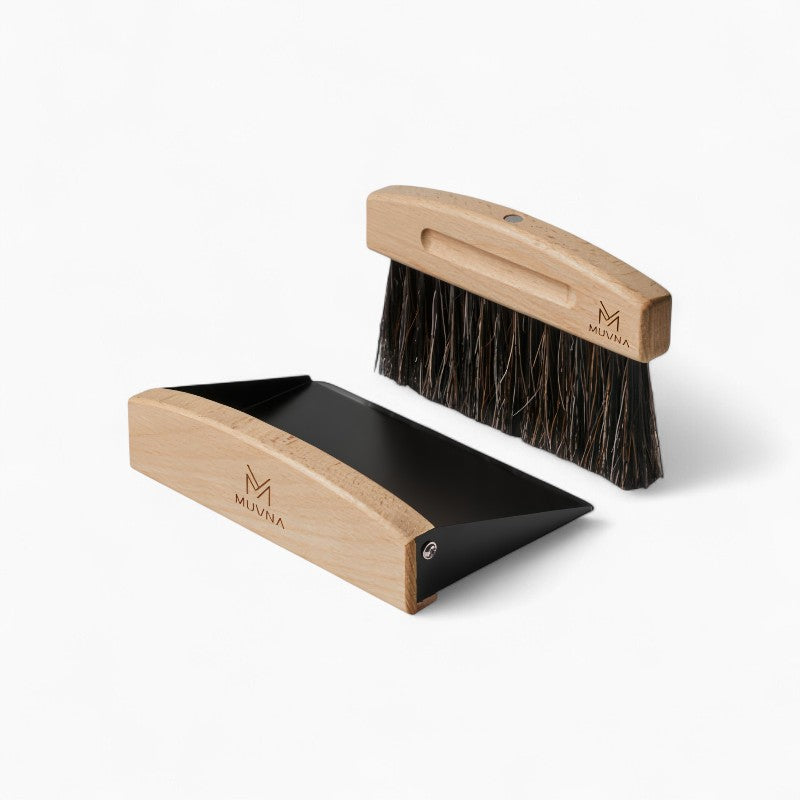
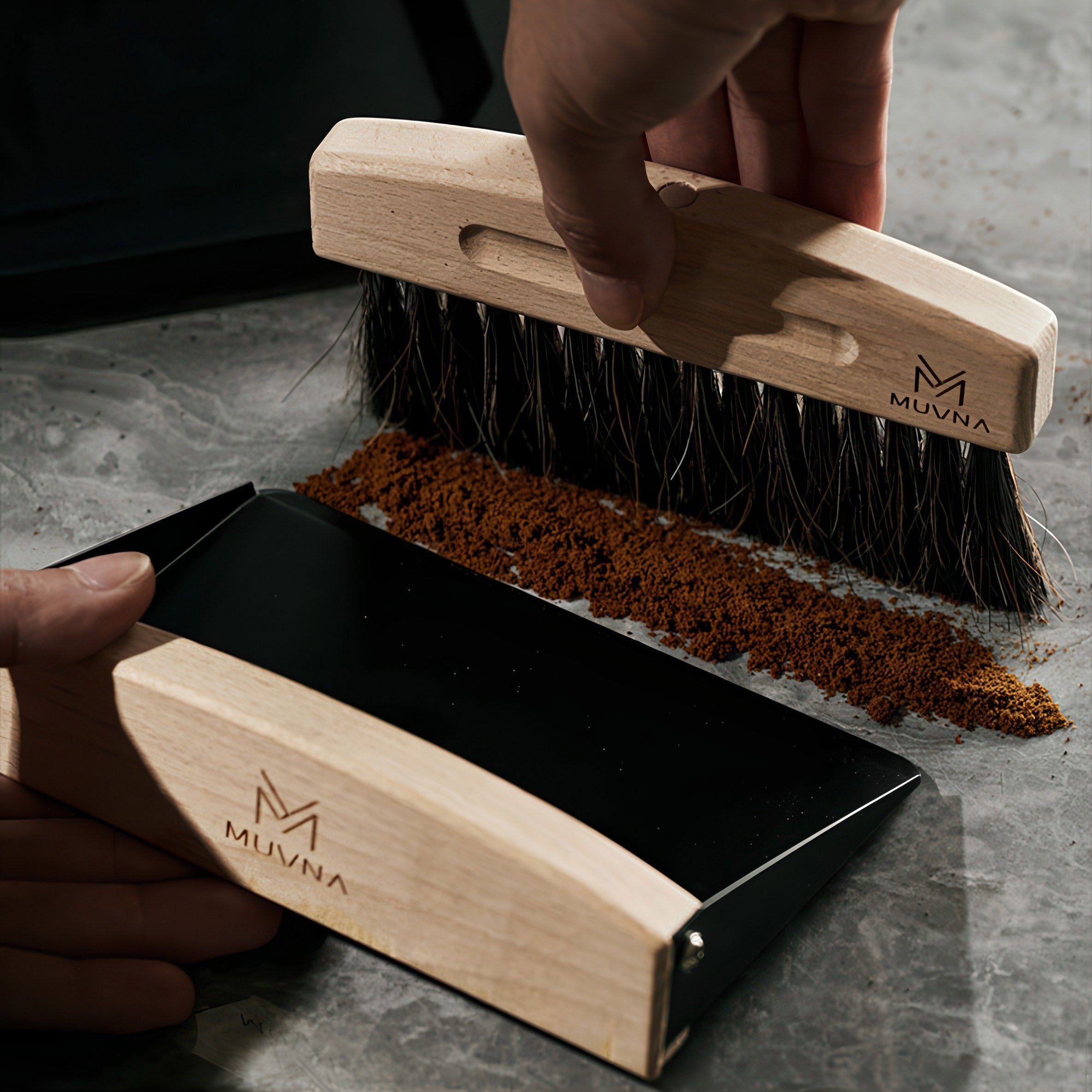
For daily surface maintenance, the Beech Wood Coffee Cleaning Brush Set with Dustpan features ultra-soft horse hair bristles that sweep stray grounds from grinders, scales, and your brew station. The magnetic dustpan makes cleanup effortless, keeping your workspace moisture-free and equipment protected.
Essential Tools for Espresso Machine Maintenance

Barista Air Wand 2-in-1 Grinder Vacuum and Blower
$65.90
$95.00
Remove trapped coffee grounds from your grinder burrs and machine crevices with this cordless vacuum and blower combo. The perfect tool for deep cleaning that prevents stale grounds from ruining your shots. Learn more ➔

Beech Wood Coffee Cleaning Brush Set with Dustpan
$24.90
$47.00
Keep your coffee station spotless with this premium beech wood brush and magnetic dustpan set. Ultra-soft horse hair bristles protect your equipment while sweeping away stray grounds from grinders and scales. Learn more ➔
When to Call a Professional Technician
Despite your best DIY espresso machine repair efforts, some situations demand expertise:
- Electrical hazards: Burning smells, exposed wiring, or circuit breaker trips require immediate professional inspection.
- Boiler replacement: Copper or stainless steel boiler swaps require specialized tools and pressure testing.
- Electronic control boards: Modern machines with digital displays often need proprietary diagnostics.
- Warranty coverage: Always check if your machine is still under warranty before attempting internal repairs.
For commercial espresso machine repair, professional service is almost always required due to complexity and safety regulations. When searching for technicians, look for certified service providers familiar with your specific brand.

What Is the Average Lifespan of an Espresso Machine?
Quality affects longevity significantly. Entry-level machines ($100-300) typically last 3-5 years with regular use, while prosumer machines ($1000+) can operate for 10-20 years with proper maintenance. The key variable isn't the price—it's how well you maintain the machine.
Signs your machine is approaching end-of-life include:
- Frequent component failures after repairs
- Obsolete replacement parts no longer available
- Inefficient brewing that can't be resolved through cleaning
Pro Tip: Keep a maintenance log documenting descaling dates, part replacements, and cleaning frequency. This record helps diagnose problems faster and proves invaluable whether repairing yourself or consulting a technician.
Conclusion: Repair, Maintain, and Brew Confidently
Espresso machine repair is often possible and economical when approached with knowledge and the right tools. By understanding common failure points—clogs, scale buildup, and component wear—you can diagnose many issues before they become catastrophic.
Investing in quality maintenance tools isn't just about cleaning—it's about preventing expensive repairs and extending your machine's productive life. The specialized equipment at Rethink Cafe is designed specifically for home baristas who take their coffee seriously.
Professional repair services are sometimes necessary, but with proper maintenance using the right brushes, vacuums, and cleaning tools, you can avoid many service calls entirely. Keep your machine clean, descale regularly, and enjoy perfect shots for years to come.
Frequently Asked Questions about Espresso Machine Repair
Repair is worthwhile when costs stay below 40-50% of replacement value. For machines over $500, repairs are typically economical. Entry-level machines under $200 often cost more to repair than replace. Consider sentimental value, part availability, and overall condition before deciding.
Yes, most espresso machines can be repaired. Pumps, heating elements, gaskets, and electronic components are replaceable. Modular semi-automatic machines are easiest to repair. Super-automatic machines can also be fixed but may require specialized technicians and proprietary parts.
The most common repairs include pump replacement for low pressure, gasket and o-ring replacement for leaks, heating element repair for temperature issues, and group head cleaning for flow problems. Steam wand cleaning and descaling prevent most of these issues from occurring.
Entry-level machines last 3-5 years, while quality prosumer models can operate 10-20 years with proper maintenance. Lifelong maintenance—including descaling, cleaning, and timely part replacement—dramatically affects longevity regardless of initial purchase price.
Pump failure often results from scale buildup restricting flow, a failing vibration pump, or clogged water lines. Check for empty water reservoirs and ensure all tubes are connected first. If the pump runs but no water flows, descale immediately. Complete pump failure requires replacement.