
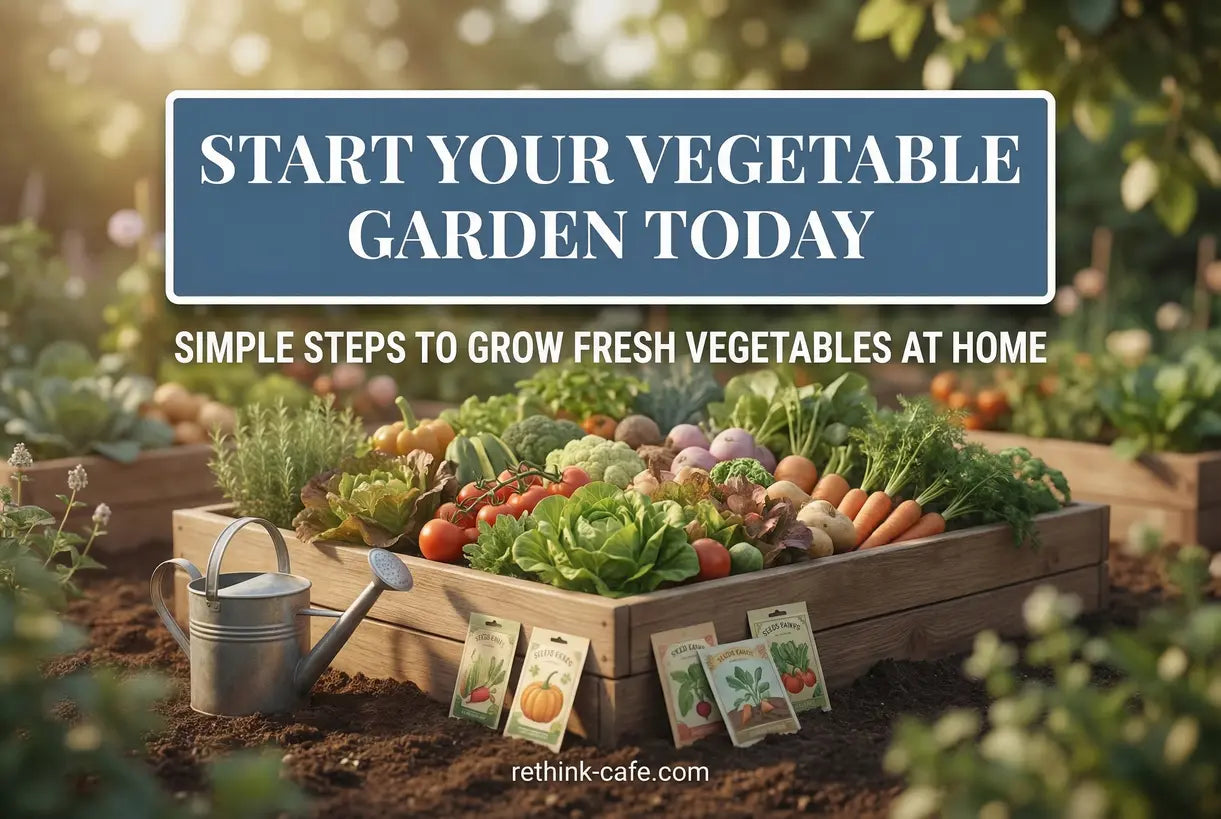
Have you ever bitten into a sun-warmed tomato picked fresh from the vine or sprinkled homegrown basil over your morning eggs? Starting a vegetable garden isn't just about growing food—it's about reconnecting with nature, reducing your grocery bills, and experiencing the unmatched satisfaction of nurturing life from seed to harvest. If the idea of digging your first bed or sowing your first seeds feels overwhelming, you're not alone. Every expert gardener started exactly where you are now.
The good news? Starting a vegetable garden doesn't require acres of land or years of experience. Whether you have a sprawling backyard, a modest patio, or just a sunny windowsill, you can cultivate a thriving edible garden with the right approach. In this guide, we'll walk you through how to start a vegetable garden from scratch, covering everything from site selection and soil preparation to choosing the best vegetables for beginners. By the end, you'll understand not just the "how," but also which tools and resources—like our specially curated gardening essentials—can transform your gardening journey from trial-and-error to triumphant harvest.

Choosing the Right Location: The Foundation of Gardening Success
Before you plant a single seed, you need to find the sweet spot where your vegetables will thrive. Most vegetables crave sunlight—six to eight hours of direct sun daily is ideal—so scout your yard, balcony, or patio during different times of the day. South-facing locations typically offer the most consistent exposure, but don't discount morning sun areas that provide gentle light without the harsh afternoon heat.
Beyond sunlight, consider accessibility. If your garden is tucked away in a forgotten corner, you're less likely to tend it regularly. Place it near a water source to make irrigation effortless, and ensure the ground is relatively level to prevent erosion and water pooling. Container gardening and raised bed gardening for veggies offer excellent solutions for sloped yards or urban environments where traditional in-ground plots aren't feasible.
Planning Your Vegetable Garden Layout
Once you've identified your location, it's time to plan what goes where. Succession planting—staggering your plantings every two to three weeks—ensures a continuous harvest rather than a single overwhelming glut of produce. Companion planting, where beneficial crops are grown together (like tomatoes with basil or carrots with onions), naturally repels pests and maximizes space efficiency.
For beginners, start small. A plot of 100 to 200 square feet can produce ample vegetables for a small family without becoming unmanageable. Sketch your layout with taller plants on the north side to prevent them from shading shorter neighbors. Consider pathways wide enough for comfortable access—compacting soil by stepping on it damages root zones and reduces yields.
Preparing Your Garden Soil for Success
Soil is the living foundation of your garden. Healthy soil teems with microbial life that breaks down organic matter into nutrients plants can absorb. Before planting, test your soil to understand its pH and nutrient composition. Most vegetables prefer slightly acidic to neutral soil (pH 6.0 to 7.0). Adjustments can be made with lime (to raise pH) or sulfur (to lower it), but often simply adding organic matter solves multiple soil problems simultaneously.
For in-ground gardens, remove grass and weeds, then loosen the soil to a depth of 12 inches to accommodate root growth. Mix in compost, well-rotted manure, or aged leaf mold to improve structure and fertility. If you're dealing with poor native soil or contaminated urban ground, raised beds filled with quality soil offer a clean slate. The Premium Raised Garden Bed (4ft x 2ft) provides excellent drainage and soil control, making it perfect for patios, decks, or areas with compacted earth.

Essential Soil Components for Vegetable Gardens
- Sand: Improves drainage and prevents compaction
- Silt: Retains moisture and nutrients
- Clay: Holds water and minerals but needs aeration through organic matter
- Compost: Adds organic matter, beneficial microbes, and slow-release nutrients
Small Space Solutions: Growing Vegetables in Limited Areas
Lack of space shouldn't stop you from growing fresh vegetables. Urban and apartment dwellers can create productive gardens using vertical structures, hanging baskets, and compact containers. Cherry tomatoes, peppers, lettuce, and herbs flourish in pots as small as 5 gallons. Trellises and wall-mounted planters maximize vertical real estate, turning fences and balcony railings into growing surfaces.

Small space vegetable gardening also benefits from intensive planting methods. Square foot gardening divides raised beds into one-foot grids, allowing you to grow different crops in organized sections. This approach reduces weeding, conserves water, and makes crop rotation simpler. Even a single south-facing windowsill can support microgreens and culinary herbs year-round.
Best Vegetables for Beginner Gardeners
Not all vegetables are created equal when it comes to beginner-friendly growing. Start with forgiving, fast-growing crops that deliver quick wins and build your confidence. Radishes, for instance, germinate within days and are ready to harvest in just three to four weeks. Lettuce and spinach provide cut-and-come-again harvests, meaning you can snip outer leaves while the plant continues producing.
The Beginner Vegetable Garden Starter Kit includes organic seeds for tomato, lettuce, radish, and basil—four excellent starter crops with different growth habits and harvest times. This curated selection takes the guesswork out of seed shopping and provides biodegradable seed starters that eliminate transplant shock.
Essential Gardening Foundations for Beginners
Tomatoes, while slightly more demanding, reward patience with abundant harvests. Bush varieties (determinate types) stay compact and don't require staking, making them ideal for container gardening. Zucchini and summer squash are prolific producers—sometimes too prolific—but a single plant can supply a family with fresh produce for months. For comprehensive guidance on plant selection, the Farmers' Almanac Vegetable Gardening Guide offers zone-specific planting calendars and detailed growing instructions.

Planting Your Vegetable Garden: Timing and Technique
Timing is everything in vegetable gardening. Cool-season crops like peas, spinach, and lettuce thrive in temperatures between 50°F and 70°F and can be planted four to six weeks before your last spring frost date. Warm-season vegetables such as tomatoes, peppers, and cucumbers need soil temperatures consistently above 60°F and should only be planted after frost danger has passed.
Refer to seed packets and local extension services for precise planting dates in your USDA Hardiness Zone. Succession planting—sowing new seeds every two to three weeks—ensures continuous harvests rather than overwhelming gluts followed by bare soil.
Direct Sowing vs. Transplanting
Some vegetables prefer direct sowing into garden soil: root crops like carrots, radishes, and beets resent root disturbance and shouldn't be started indoors. Others, like tomatoes and peppers, need a longer growing season than many climates provide, making indoor seed starting—beginning 6 to 8 weeks before the last frost—essential. The Beginner Vegetable Garden Starter Kit includes biodegradable seed starters that simplify the indoor starting process and can be planted directly into the ground without root disruption.
Watering and Maintaining Your New Garden
Consistent moisture—not too wet, not too dry—is crucial for healthy vegetable growth. Most gardens need approximately one inch of water per week from rain or irrigation. Water deeply and less frequently to encourage deep root growth rather than shallow surface soaking. Morning watering is ideal; it allows foliage to dry before evening, reducing fungal disease risk. Drip irrigation systems and soaker hoses deliver water directly to soil level, conserving moisture and keeping leaves dry.
Weeds compete with vegetables for nutrients, water, and light. Mulching with straw, shredded leaves, or grass clippings suppresses weeds while moderating soil temperature and retaining moisture. Apply a 2 to 3-inch layer after seedlings are established, keeping mulch slightly away from plant stems to prevent rot.
Avoiding Common Beginner Mistakes
Even attentive gardeners stumble occasionally, but awareness of common pitfalls helps you sidestep frustration:
- Overplanting: It's tempting to pack every seed into available space, but overcrowded plants compete for resources, fail to produce well, and increase disease pressure. Follow spacing guidelines on seed packets.
- Ignoring soil health: Plants can't thrive in depleted dirt. Annual addition of compost and organic matter maintains fertility and structure.
- Planting too early: Impatience leads to frost-damaged seedlings or seeds that rot in cold, wet soil.
- Neglecting pest monitoring: Daily observation catches problems while they're manageable—a few aphids are easier to address than a full-blown infestation.
When to Start Your Vegetable Garden
The question of "when" depends on your climate, chosen crops, and available space. For most regions in the United States, spring planting begins four to six weeks before the final expected frost date. However, fall gardens planted in late summer often outperform spring efforts as soil is already warm and many pests have completed their life cycles.
Gardening is a year-round activity even if harvesting isn't. Winter months are perfect for planning layouts, ordering seeds, building raised beds, and amending soil. Starting your preparation early ensures you're ready to plant the moment conditions are right.
Conclusion: Growing Your Garden, Growing Yourself
Starting a vegetable garden is one of the most rewarding investments you can make in your health, home, and happiness. From that first tentative seed-planting to harvesting armfuls of produce you nurtured from the soil, the journey transforms not just your yard but your relationship with food and the natural world. Remember, every expert gardener once killed seedlings, forgot to water, and learned through trial and error.
The difference between a frustrating first season and a fruitful one often comes down to preparation and having the right resources at hand. Whether you're cultivating a single container of herbs on a balcony or installing raised beds across your backyard, beginning with quality materials—from nutrient-rich organic soil to regionally appropriate seed collections—sets you up for success. At Rethink Cafe, we believe in rethinking how we approach everyday rituals, whether that's brewing the perfect morning coffee or growing the ingredients for your dinner plate. Our carefully selected gardening essentials are designed to eliminate the guesswork so you can focus on the joy of growing. Ready to dig in? Your vegetable garden awaits.
Frequently Asked Questions about Starting a Vegetable Garden
Radishes are widely considered the easiest vegetable for beginners because they germinate quickly (often within 3-7 days) and are ready to harvest in just 3-4 weeks. Lettuce, spinach, and bush beans also rank high for beginner-friendliness due to their fast growth and minimal care requirements. These crops forgive small mistakes in watering or spacing and deliver visible results quickly, building confidence for new gardeners.
You can start a productive vegetable garden in as little as 16-25 square feet—roughly a 4x4 or 5x5 foot raised bed. For container gardening, even a small balcony with room for 3-5 five-gallon pots can produce tomatoes, peppers, herbs, and leafy greens. The key is maximizing sunlight (6-8 hours daily) rather than maximizing square footage. Vertical gardening and intensive planting methods like square foot gardening allow you to grow substantial amounts of food in compact areas.
The best time depends on your USDA Hardiness Zone and the vegetables you want to grow. Cool-season crops (lettuce, peas, spinach) can be planted 4-6 weeks before your last spring frost date when soil temperatures reach 40-50°F. Warm-season crops (tomatoes, peppers, cucumbers) should wait until after your last frost when soil consistently stays above 60°F—typically 2-3 weeks after the final frost date. Fall gardens planted in July-August often yield excellent results as soil is already warm and many spring pests have declined.
Start by testing your soil's pH—the ideal range for most vegetables is 6.0-7.0. Remove grass, weeds, and debris from the planting area, then loosen soil to a depth of 12 inches using a garden fork or tiller. Mix in 2-4 inches of organic matter such as compost, aged manure, or leaf mold to improve drainage, fertility, and soil structure. For poor native soil or urban lots, raised beds filled with quality garden soil provide an instant solution. Apply mulch after planting to retain moisture and suppress weeds.
The most common mistakes include overcrowding plants (ignoring spacing guidelines leads to poor air circulation and stunted growth), planting too early (cold soil and frost kill tender seedlings), over or under-watering (inconsistent moisture stresses plants), choosing the wrong varieties (selecting plants unsuited to your climate or space), and neglecting soil health (planting in nutrient-poor dirt without amendments). New gardeners also often plant too much at once—starting small allows you to learn your garden's specific conditions without becoming overwhelmed by maintenance.