Your morning ritual shouldn't come with a side of discomfort. For millions of coffee lovers who struggle with acid reflux, GERD, or simply a sensitive stomach, the search for low acid coffee beans has become essential rather than optional. The good news? You don't have to sacrifice your daily cup or settle for bland, watered-down brews.
In this comprehensive 2026 guide to gentle coffee picks, we'll explore which bean varieties naturally contain less acid, how roast levels impact stomach-friendliness, and—most importantly—how your brewing equipment plays a crucial role in creating that smooth, easy-to-digest cup. By combining the right low acidity coffee beans with precision brewing tools, you can reclaim your morning coffee moment without the burn.
What Makes Coffee Beans Low in Acid?
Not all coffee is created equal when it comes to pH levels. The acidity in your cup stems from chlorogenic acids present in the raw coffee cherry, and several factors determine just how much of that acid ends up in your mug.
Growing altitude is one of the most significant factors. Coffee grown at lower elevations—typically below 4,000 feet—develops fewer acids during maturation. The cooler temperatures at high altitudes slow cherry development, allowing more complex acids to form. This is why beans from regions like Brazil (lower elevation) tend to be naturally milder than their high-altitude Ethiopian counterparts.
Processing methods also dramatically impact acidity. The wet or washed process, common in Central America, tends to highlight bright, acidic notes. Conversely, natural or dry-processed coffees and the unique wet-hulled method used in Sumatra produce beans with reduced acidity and earthier, smoother profiles.
Pro Tip: Look for beans labeled "low acid" or "stomach-friendly" that originate from Brazil, Sumatra, Mexico, or India—regions known for producing naturally gentle coffee varieties.
Best Low Acid Coffee Bean Varieties for 2026
When selecting stomach-friendly coffee beans, certain origins consistently deliver the smooth, low-acid experience sensitive drinkers crave. Here are the top picks for 2026:
- Sumatra Mandheling: This Indonesian favorite is famous for its full body and extremely low acidity. The wet-hulled processing method and volcanic soil create an earthy, herbal profile that's remarkably gentle on the stomach.
- Brazilian Santos: Grown at lower elevations with plenty of sunshine, Brazilian beans naturally develop less acid. Expect chocolate and nutty notes with a smooth, mellow finish.
- Mexican Chiapas: Shade-grown at moderate altitudes, these beans offer a balanced cup with minimal sharpness. Many specialty roasters now offer specific "low acid" Mexican blends.
- Indian Monsooned Malabar: Exposed to monsoon winds and rain during processing, these beans swell and lose significant acidity while gaining a unique, smooth character.
- Papua New Guinea: While grown at higher elevations, PNG beans often undergo processing that reduces acidity, resulting in a clean, mild cup with subtle sweetness.

Beyond origin, look for specialty low-acid cultivars bred specifically for reduced acidity. Varieties like Laurina (naturally low caffeine and acid) and certain Bourbon mutations are gaining popularity among roasters catering to sensitive stomachs. When shopping, don't hesitate to ask your roaster about the specific pH levels of their offerings—responsible specialty roasters test and can provide this data.
Does Roast Level Affect Coffee Acidity?
One of the most persistent myths in coffee is that dark roasts are always less acidic than light roasts. The truth is more nuanced and depends on what type of acidity you're measuring.
During roasting, chlorogenic acids break down significantly, which does reduce the perceived sourness or sharpness associated with acidic coffee. A dark roast will generally taste less "bright" or "tangy" than a light roast of the same bean. However, darker roasts also produce more compounds that can irritate some sensitive stomachs, including N-alkanoyl-5-hydroxytryptamides (C5HTs) that stimulate acid production in the stomach.
For most people with acid sensitivity, a medium to medium-dark roast offers the sweet spot. These roasts break down enough chlorogenic acid to reduce sharpness while avoiding the potentially irritating compounds developed in very dark French or Italian roasts. Pairing a medium roast with naturally low acid coffee beans from the origins mentioned above creates the ultimate gentle cup.
Brewing Methods That Reduce Acidity
Even the lowest-acid beans can become harsh if brewed incorrectly. The method you choose significantly impacts the final pH of your cup, with some approaches naturally producing smoother results.
Cold brew reigns supreme for acid reduction. The extended steeping time (12-24 hours) at room temperature or below extracts flavor compounds while leaving behind much of the acid content. Studies have shown cold brew can be up to 67% less acidic than hot-brewed coffee made from the same beans.
For hot coffee enthusiasts, pour over brewing offers exceptional control over extraction and acidity. Unlike immersion methods where coffee sits in contact with water continuously, pour over's flow-through design allows you to adjust variables—particularly water temperature and contact time—to minimize acid extraction. By brewing at slightly lower temperatures (195-200°F instead of boiling) and controlling pour speed, you can significantly reduce the acidic compounds that end up in your cup.
The video above explains the science behind coffee acidity and why brewing method matters as much as bean selection. Notice how precision brewing gives you control over extraction—this is where the right equipment becomes essential for sensitive stomachs.
Home Brewing Equipment for Smoother Coffee
Creating GERD-friendly coffee options at home requires more than just great beans. The brewing process itself needs precision, and consumer-grade drip machines often lack the temperature control and consistency needed for optimal extraction of low-acid compounds.
Pour over brewing emerges as the home barista's best friend for several reasons. First, you control water temperature precisely—critical because hotter water extracts more acid. Second, you control bloom time and pour speed, allowing you to "wash" away some of the more acidic compounds during the initial bloom phase before the main extraction. Third, paper filters trap oils and fine particles that can contribute to stomach irritation.
For those serious about reducing coffee's impact on their digestive system, investing in quality pour over equipment isn't optional—it's transformational. The ability to dial in extraction variables means you can enjoy full-flavored coffee that's genuinely gentle on your system.

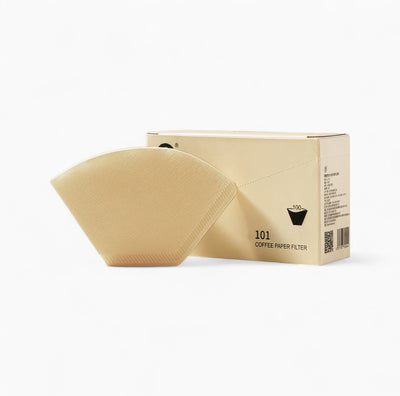
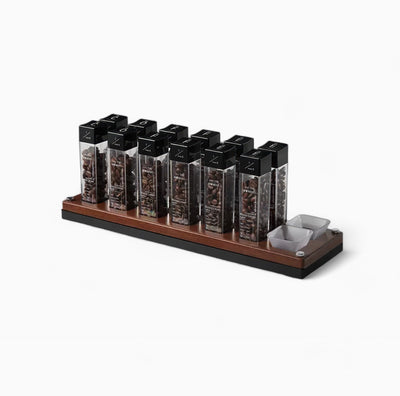
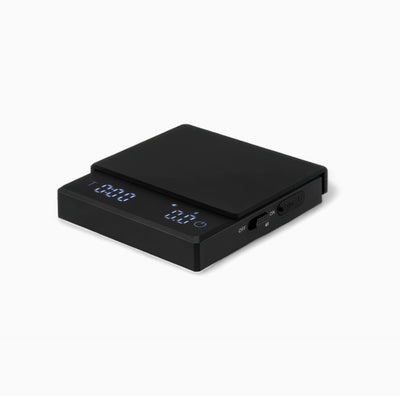
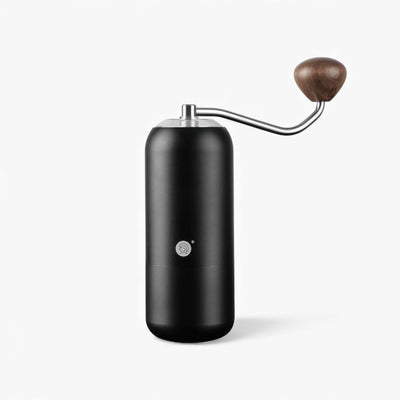

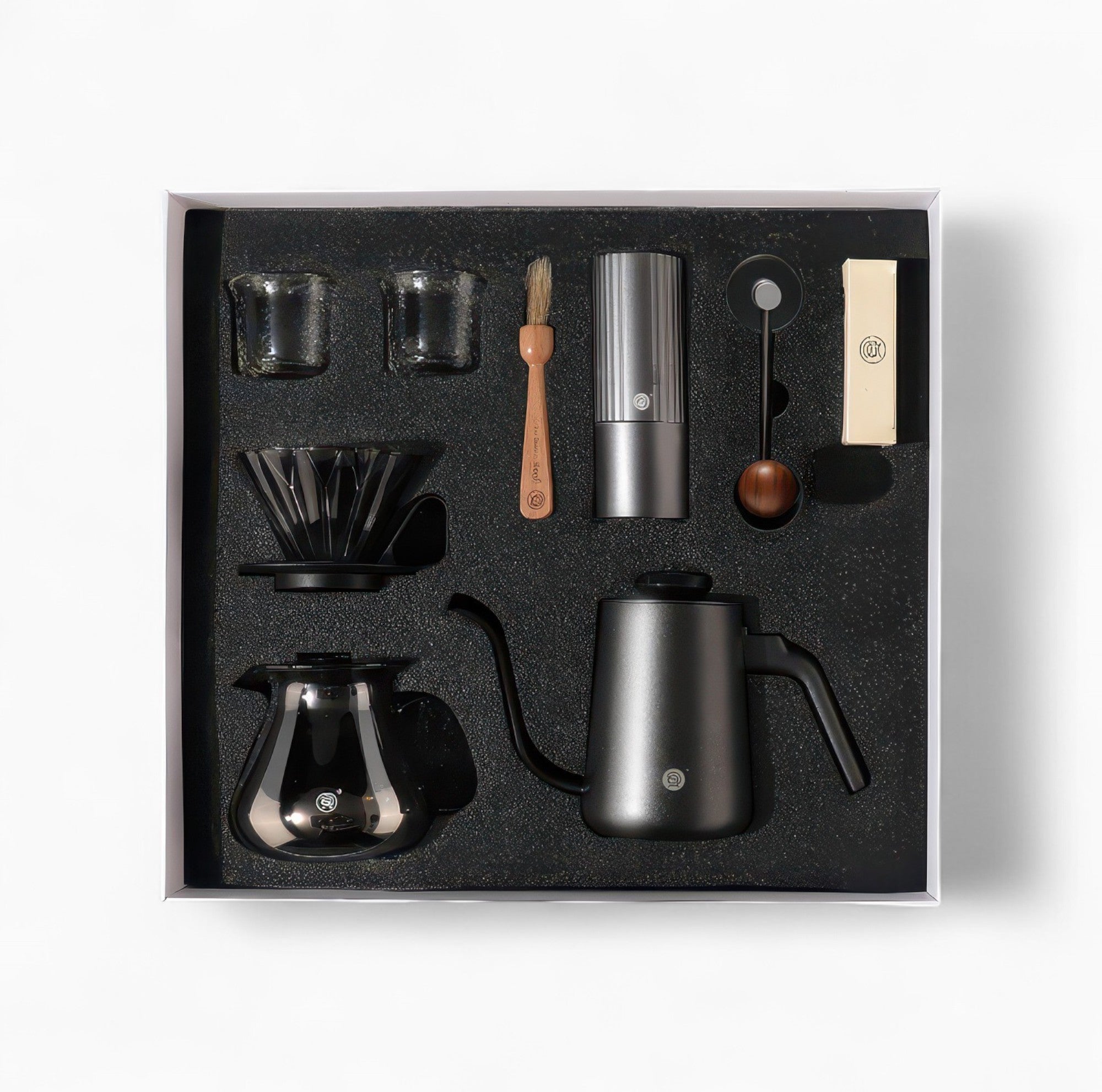
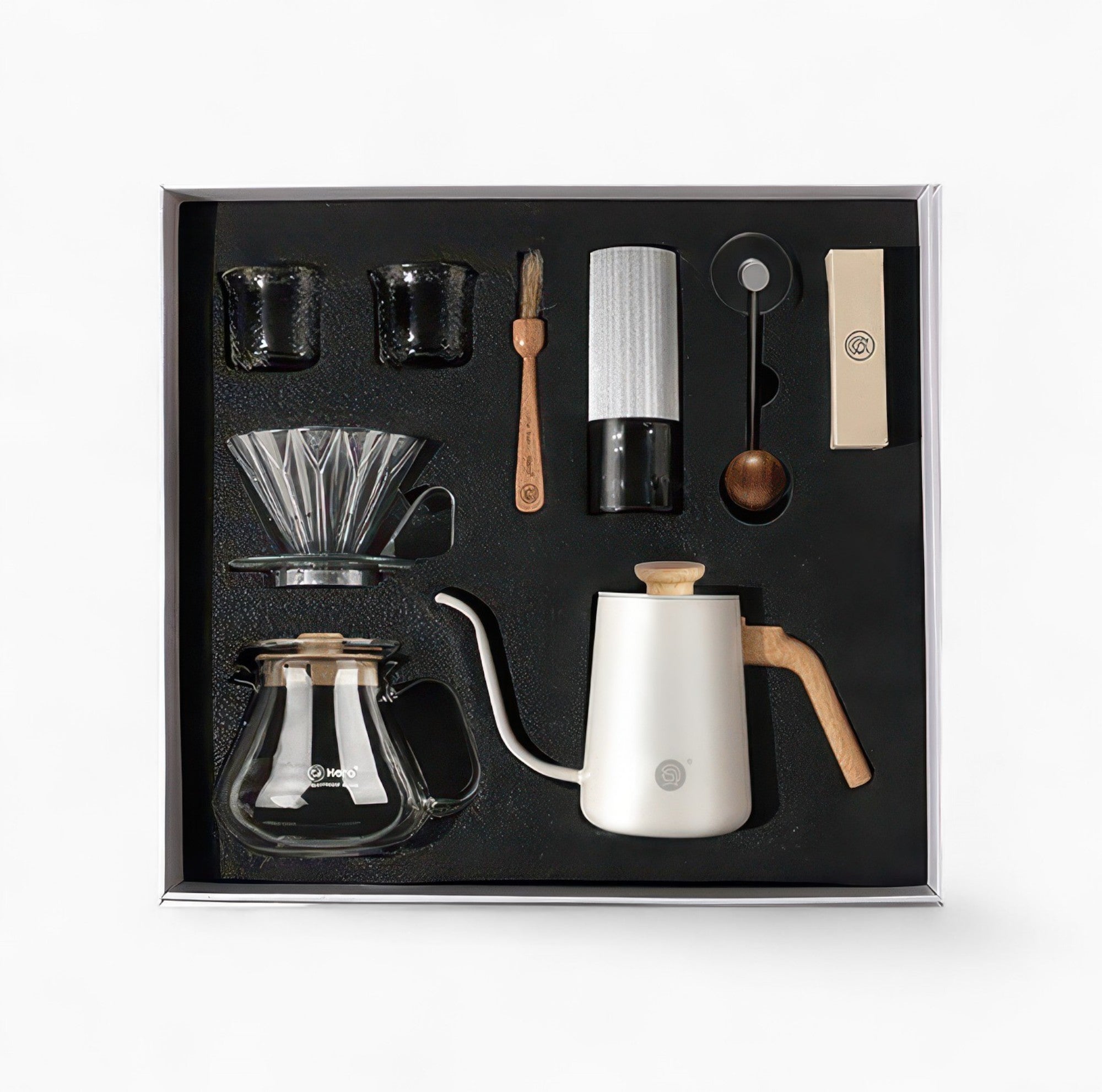
Complete Pour Over Coffee Kit with Grinder and Kettle
$235.90 $360.00
Everything you need to brew smooth, stomach-friendly coffee at home with professional precision and temperature control
Explore ProductThe Complete Pour Over Coffee Kit with Grinder and Kettle provides everything needed to start brewing smoother, stomach-friendly coffee immediately. The included grinder ensures you can adjust grind size for optimal extraction—coarser grinds extract less acid—while the precision kettle gives you the temperature control essential for reducing harsh compounds.

Essential Tools for Temperature-Controlled Brewing
When brewing for acid reduction, precise temperature control becomes non-negotiable. Water that's too hot (above 205°F) aggressively extracts acids from coffee grounds, while water that's too cool under-extracts, leading to sour, unbalanced flavors. The ideal range of 195-200°F allows proper extraction of the sweet, smooth compounds while minimizing acid release.
Traditional kettles simply can't achieve this consistency—they boil water to 212°F and cool unevenly. A gooseneck electric kettle with variable temperature settings solves this problem by heating water to your exact target temperature and maintaining it throughout your brewing session.
Equally important are your filter papers. Cheap, bleached filters can introduce unwanted chemicals and off-flavors that compound stomach irritation. Using chemical-free, natural filter papers ensures that the only thing passing through is the pure, smooth coffee you've carefully crafted.
Precision Brewing Toolkit for Sensitive Stomachs

Gooseneck Electric Kettle with Temperature Control
$138.90
$255.00
Achieve optimal extraction with precise temperature control - ideal for brewing smoother, less acidic pour over coffee Learn more ➔

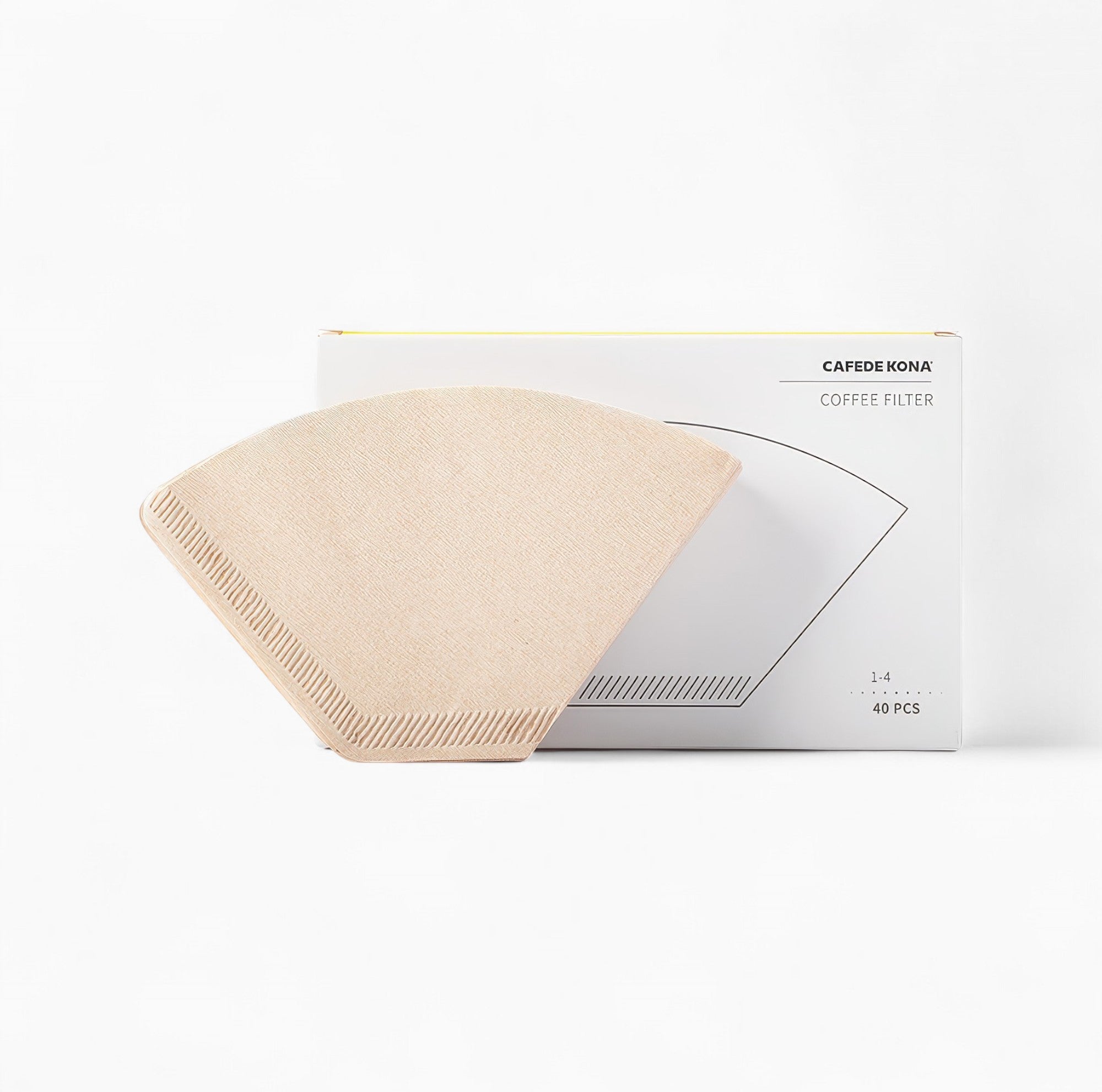
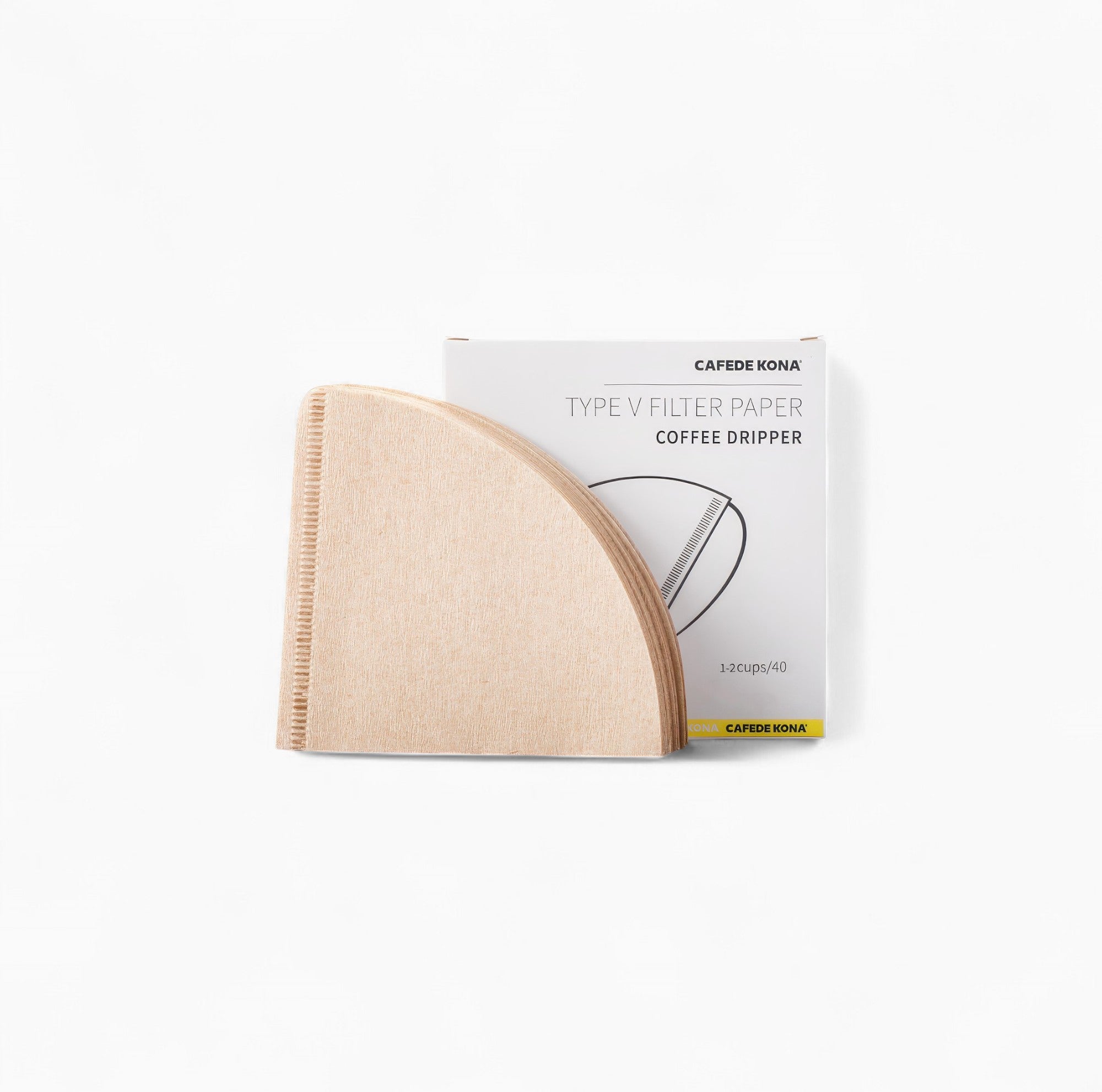
V60 Pour Over Coffee Filter Papers Chemical-Free
$12.90
$22.00
Clean, additive-free natural wood pulp filters that let your low-acid coffee shine without introducing unwanted chemicals or flavors Learn more ➔
These precision tools from Rethink Cafe transform your brewing routine from guesswork into science. The Gooseneck Electric Kettle with Temperature Control maintains your target temperature within 1 degree, while the V60 Pour Over Coffee Filter Papers, made from chemical-free natural wood pulp, ensure a clean cup that highlights the natural sweetness of your mild coffee beans.

The Complete Approach to Gentle Coffee
Successfully managing coffee-related stomach issues requires a holistic strategy. Start with naturally reduced acid coffee from the origins discussed—Brazilian, Sumatran, or Mexican beans. Choose a medium roast that balances flavor development with acid reduction. Brew using the pour over method with water between 195-200°F, and always use fresh, chemical-free filters.
Pay attention to grind size as well. A slightly coarser grind reduces surface area contact with water, extracting fewer acids while still delivering full flavor. Experiment with your pour technique—an extended bloom phase (45-60 seconds) allows CO2 to escape, which can carry away some volatile acids before the main extraction begins.
Finally, consider timing. For those with GERD, drinking coffee with food rather than on an empty stomach can significantly reduce discomfort. The combination of easy on stomach coffee beans, proper brewing technique, and mindful consumption habits creates a sustainable coffee ritual that doesn't require sacrifice.
Reclaim Your Coffee Ritual with Rethink Cafe
Living with a sensitive stomach doesn't mean giving up the coffee you love. With the right knowledge about low-acid bean varieties, proper roasting levels, and precision brewing equipment, you can enjoy rich, flavorful coffee that works with your body rather than against it.
At Rethink Cafe, we're committed to helping home baristas brew their best cup—regardless of digestive sensitivities. Our curated selection of pour over equipment, precision kettles, and brewing accessories gives you complete control over every variable that affects acidity. Whether you're just beginning your journey into gentle coffee brewing or upgrading your existing setup, we have the tools to transform your morning ritual.
Ready to experience coffee without the burn? Explore our collection of precision brewing equipment and start crafting the smooth coffee for digestion you deserve. Your stomach—and your taste buds—will thank you.
Frequently Asked Questions about Low Acid Coffee
Low acid coffee beans typically come from specific origins and processing methods. The best options include Sumatra Mandheling (wet-hulled processing), Brazilian Santos (lower elevation growing), Indian Monsooned Malabar (exposed to monsoon conditions), and Mexican Chiapas ( shade-grown, moderate altitude). Special low-acid cultivars like Laurina are also bred specifically for reduced acidity. Look for beans labeled as "stomach-friendly" or "low acid" from reputable specialty roasters who can provide pH testing data.
Yes, low acid coffee can significantly help reduce acid reflux symptoms for many people. Coffee triggers reflux through multiple mechanisms: its natural acidity, caffeine content (which relaxes the lower esophageal sphincter), and stimulation of stomach acid production. Low acid coffee addresses the first factor directly by having a higher pH (less acidic). When combined with proper brewing techniques and consumed in moderation, many GERD sufferers find they can enjoy coffee again without triggering symptoms. However, individual tolerance varies, so consult your doctor if you have severe reflux.
Dark roast coffee is less acidic in terms of chlorogenic acid content and perceived "brightness" or tanginess. The roasting process breaks down many acidic compounds, resulting in a smoother, less sharp taste. However, very dark roasts can develop other compounds that may irritate sensitive stomachs. For most people with acid sensitivity, a medium to medium-dark roast provides the best balance—reducing the sharp acidity while avoiding potentially irritating compounds found in very dark French or Italian roasts. Pair a medium roast with naturally low-acid beans for optimal results.
Cold brew is the most effective method for reducing acidity, producing coffee up to 67% less acidic than hot brewing. For hot coffee, pour over brewing offers excellent control over acidity through temperature management and extraction control. By using water at 195-200°F (rather than boiling) and controlling bloom time and pour speed, you can significantly reduce acid extraction while maintaining flavor. French press can actually increase acidity due to the extended contact time between grounds and water, while standard drip machines often brew too hot for optimal stomach-friendly results.
Absolutely! Many people with sensitive stomachs successfully enjoy daily coffee by making strategic choices. Select naturally low-acid beans from origins like Brazil, Sumatra, or Mexico. Choose medium roasts over very light or very dark options. Brew using methods that control extraction—particularly pour over with precise temperature control. Use slightly coarser grinds and consider cold brew for the gentlest option. Drink coffee with food rather than on an empty stomach, and pay attention to your body's signals. With the right brewing equipment and bean selection, most people find they can maintain their coffee ritual without discomfort.