
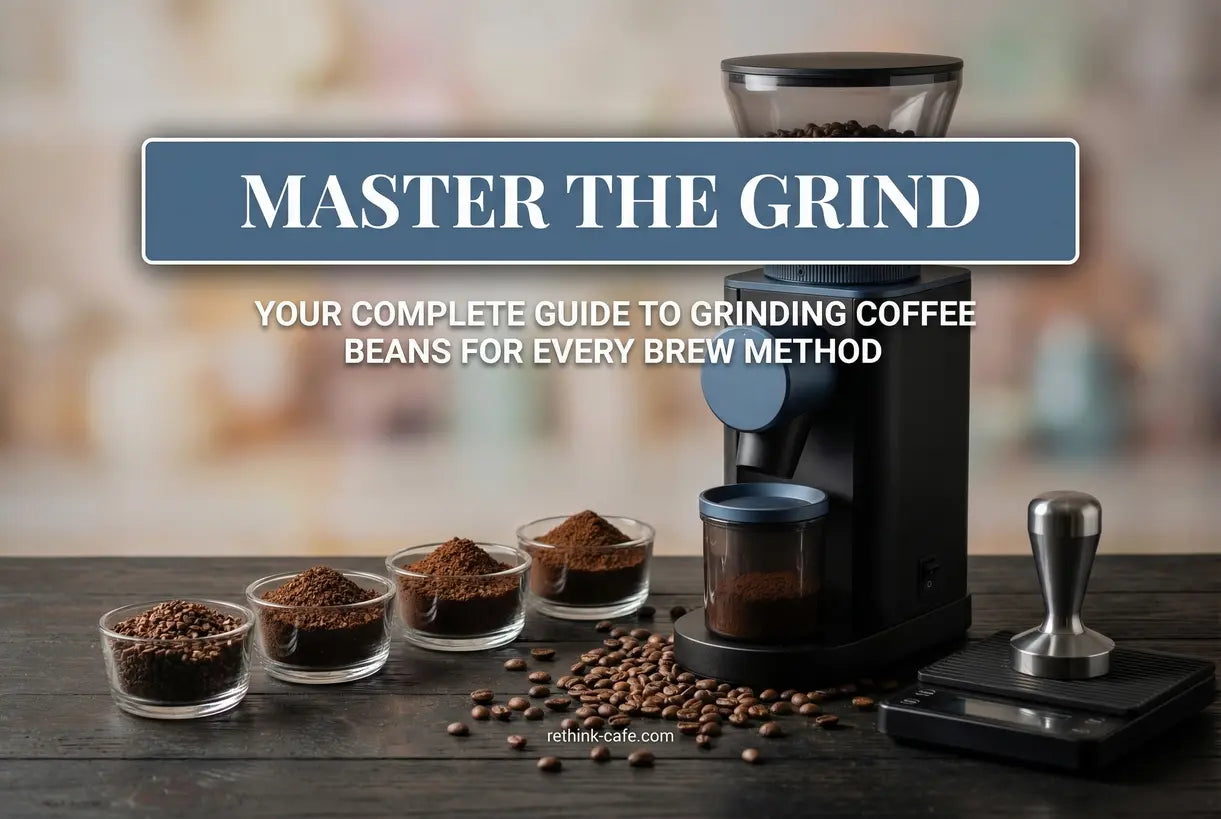
Grinding coffee beans is the single most important step in the coffee-making process after selecting quality beans. Whether you're brewing espresso, pour-over, or French press, the grind size directly impacts extraction, flavor, and aroma. As a home barista, understanding how to grind coffee beans properly transforms mediocre coffee into café-quality excellence.
In this guide, you'll discover everything you need to know about grinding coffee beans at home: from matching grind sizes to brewing methods, to selecting the right grinder, and preservation tips that keep your coffee tasting its best. Master these techniques and you're guaranteed better-tasting coffee every single morning.
Understanding Coffee Grind Sizes
The journey from whole bean to perfectly extracted coffee happens at the microscopic level. Extraction is the process of water pulling soluble compounds from coffee grounds during brewing. Grind size controls this critical variable:
- Coarse grinds allow water to flow through quickly, resulting in under-extraction if brewed too briefly
- Fine grinds create resistance and extend contact time, risking over-extraction and bitterness
- Imbalanced extraction leads to sour or hollow flavors in under-extracted coffee, and bitter or astringent notes in over-extracted coffee

Coffee grind sizes fall into categories based on particle consistency, ranging from coarse sea salt to powder-fine Turkish texture. Each brewing method requires specific particle sizes to achieve optimal extraction rates and contact times.
Coffee Grind Sizes by Brewing Method
Matching grind size to your brewing method eliminates guesswork. Here's the complete breakdown for every extraction style:
Coarse Grind – French Press & Cold Brew
Texture: Coarse sea salt or kosher salt
Coarse grind coffee beans create the separation needed for immersion brewing methods. In French press brewing, large particles filter easily through the mesh plunger while allowing full-flavored contact for 4 minutes. Cold brew requires even coarser particles to steep for 12-24 hours without becoming over-extracted.
Medium-Coarse Grind – Chemex & Slow Pour Over
Texture: Rough sand or loose beach sand
This grind works with brewing devices featuring thicker filters like the Chemex. The larger particle size paired with extended brewing time (4-5 minutes) produces a clean, tea-like body while extracting delicate origin notes.
Medium Grind – Drip Coffee & Siphon
Texture: Regular sand or granulated sugar
The industry standard for automatic drip machines and some pour-over methods. Medium grind coffee provides balanced extraction rates compatible with paper filter brewing times of 3-4 minutes.
Medium-Fine Grind – V60 & Dripper Pour Over
Texture: Between sand and table salt
Used for pour over grind on conical drippers like the Hario V60. This finer consistency increases surface area while still maintaining adequate flow rate for 2-3 minute extraction times.
Fine Grind – Espresso & Moka Pot
Texture: Table salt or slightly finer
The espresso grind size requires precision. When learning how to grind coffee beans for espresso, aim for particles fine enough to create resistance during the 9-bar extraction process. Too coarse and water channels through; too fine and the shot chokes. Fine grind espresso creates the foundation for crema and concentrated flavor.
Extra Fine or Turkish Grind
Texture: Powder or flour-like
Reserved specifically for Turkish coffee brewing where grounds remain in the cup and interact with water during the entire drinking experience.

Visual reference makes learning coffee grind sizes infinitely easier. Study particle appearance and texture until identification becomes intuitive. Your brewing consistency depends on it.
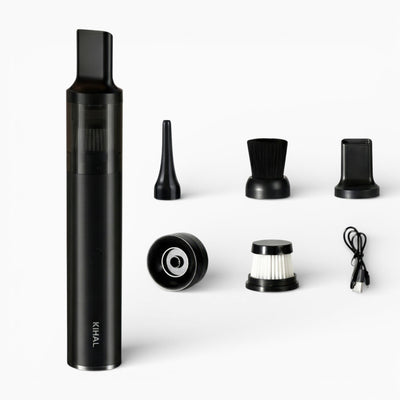

The Best Methods for Grinding Coffee Beans at Home
Your choice of grinding method dramatically affects grind consistency. Understanding burr grinder vs blade options helps you make an informed decision about equipment investment.
Blade Grinders: The Budget Entry Point
Blade grinders chop beans using a spinning blade, creating uneven particle sizes with both fine dust and coarse chunks in the same batch. This inconsistency creates unpredictable extraction—some grounds extract quickly while others remain under-extracted. While affordable, blade grinders make achieving consistent results nearly impossible for discerning home baristas.
Burr Grinders: The Professional Standard
Burr grinders crush coffee beans between two rotating abrasive surfaces, producing uniform particle sizes adjustable across a wide spectrum. Two burr types exist:
- Conical burrs: Two cone-shaped rings with angled teeth. Quiet operation, less heat generation, excellent for espresso.
- Flat burrs: Parallel abrasive surfaces producing ultra-uniform particles preferred by coffee competitions.
For those serious about grinding coffee beans at home, burr grinders represent non-negotiable equipment. Consistency in particle size equals consistency in the cup.
Manual vs Electric: Choosing Your Workflow
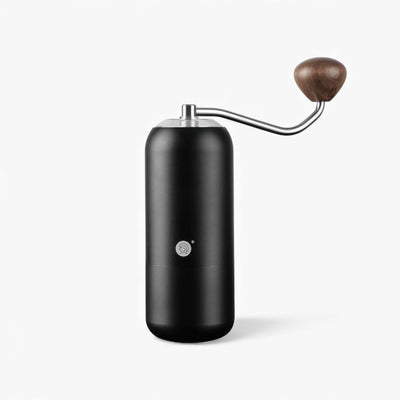
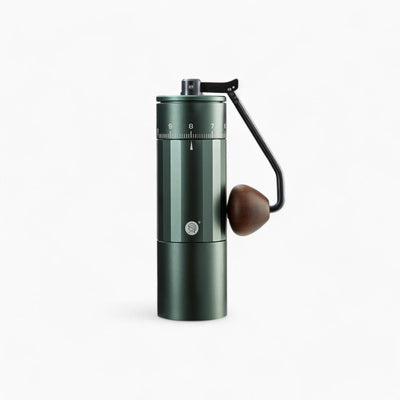
Manual hand grinders offer portability, minimal noise, and engaging tactile experiences at lower price points. Electric grinders provide convenience, speed, and programmable precision for daily brewing routines. Consider your priorities: travel vs countertop, budget vs convenience, workout vs automation.

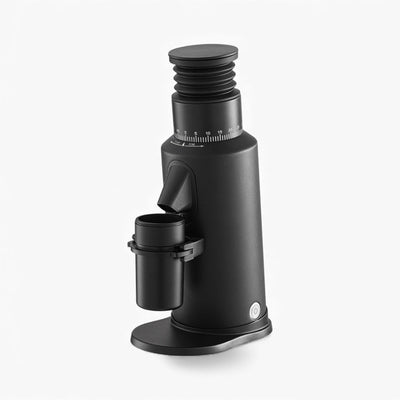
Mechanic E-Grinder Precision Conical Burr Coffee Grinder
$375.90 $650.00
Take command of your grind size with 100 adjustable steps at 0.016mm precision. Features 48mm CNC stainless steel conical burrs with near-zero retention for fresher coffee every morning.
Explore ProductThe Mechanic E-Grinder Precision Conical Burr Coffee Grinder exemplifies precision grinding technology. With 100 adjustable steps at 0.016mm precision intervals, this electric grinder accommodates every brewing method from French press to Turkish coffee. The 48mm CNC stainless steel conical burrs deliver near-zero retention, ensuring every morning's grind consists entirely of fresh coffee beans.
Why Grind Precision Matters
Precision allows you to dial in specific recipes based on bean age, roast level, and humidity. Coffee beans change over time after roasting; the ability to make micro-adjustments compensates for these variables. Best coffee grinder settings aren't universal—they're contextual based on your specific coffee and brewing equipment combination.

Grinding Coffee Beans Without a Grinder (Alternative Methods)
While burr grinders produce optimal results, understanding alternative methods answers the common question: can you grind coffee beans without traditional equipment? These methods work in emergencies but require patience and technique:
Mortar and Pestle
This ancient grinding method allows excellent manual control. Use a rocking motion rather than pounding motion to crush beans consistently. Work in small batches, rotate the mortar, and aim for uniform particle sizes appropriate to your brewing method. Expect this process to take 5-10 minutes for a single serving.
Blender or Food Processor
Pulse the machine in short bursts rather than running continuously. Monitor texture constantly as blades create uneven results quickly. Shake between pulses to redistribute larger particles toward the blades. This method works best when aiming for medium to coarse grind coffee beans.
Rolling Pin Method
Place beans in a sealed plastic bag or between parchment paper. Roll firmly using a rolling pin, applying consistent pressure and rotating the bag frequently. Expect more uneven results than other methods, but this works acceptably for French press brewing.
Kitchen Knife Technique
Using a large chef's knife, place the blade flat against a small pile of beans. Press down firmly while simultaneously dragging the blade across the beans. The crushing motion produces slightly more uniform results than chopping. Time-intensive but works in absolute emergencies.
Important: These alternative methods produce inconsistent particle sizes affecting extraction quality. They serve as temporary solutions, not replacement for proper grinding equipment if you're serious about coffee quality.
Pro Tips for Perfect Grind Consistency
Mastering grinding coffee beans involves more than equipment selection. These professional techniques optimize your grinding routine:
Measure Before Grinding
Weigh whole beans using a precision scale before grinding rather than dosing by volume. This approach ensures consistent bean weight to water ratios regardless of bean density or size variations between origin coffees.
Grind Fresh, Brew Immediately
Ground coffee degrades rapidly. Within minutes, volatile aromatics escape. Within hours, oxidation alters flavor compounds. Always grind immediately before brewing—never store pre-ground coffee beans. This rule matters more than any other single factor affecting flavor quality.
Clean Your Grinder Regularly
Coffee oils accumulate in burrs and compartments, becoming rancid and contaminating fresh grinds. Clean weekly using specialized grinder brushes or rice (check manufacturer recommendations). Some retention is inevitable; minimize stale ground contamination through consistent cleaning.
Account for Retention
Most grinders retain 0.5-1g of ground coffee from previous sessions. For absolutely fresh results, purge a small amount of beans through the grinder to clear retained coffee before grinding your actual dose.
Precision Tools for Perfect Grinding

Precision Coffee Scale with Timer and Ratio Modes
$59.90
$108.90
Dial in perfect doses with 0.1g precision across four brewing modes. Features auto-wake sensor, flow rate monitoring, and built-in timer for repeatable results. Learn more ➔

Coffee Bean Storage Tubes with One Way CO2 Valve
$12.90
$22.00
Keep every gram as fresh as the day it was roasted with airtight, single-dose storage. One-way valve releases CO2 while blocking oxygen to preserve peak flavor. Learn more ➔
The Precision Coffee Scale with Timer and Ratio Modes eliminates dosing guesswork with 0.1g accuracy across four brewing modes. Flow rate monitoring helps you perfect pour-over technique, while the auto-wake sensor streamlines morning routines. Complement this with the Coffee Bean Storage Tubes with One-Way CO2 Valve for maintaining bean freshness—these single-dose containers release CO2 while blocking oxygen circulation, preserving flavor integrity from roast date to grinding moment.
How Long Do Ground Coffee Beans Last?
Understanding ground coffee shelf life reinforces why timing matters profoundly in the grinding process:
| Timeframe | Quality Status |
|---|---|
| 0-30 minutes | Peak aromatic intensity and flavor complexity |
| 30 minutes - 2 hours | Noticeable aromatic degradation begins |
| 2-24 hours | Stale flatness dominates; oxidation accelerates |
| 24 hours - 1 week | Significant flavor loss; bitter notes prevail |
| 1-2 weeks | Extended staleness; acceptable only for cooking |
These timelines explain why grinding coffee beans fresh remains non-negotiable for quality-focused home baristas. Whole beans maintain peak flavor for 2-4 weeks after roasting when stored properly, while ground coffee deteriorates within minutes. The moment you grind, the countdown accelerates exponentially.
For extended freshness between roasting and grinding, store whole beans in valved containers in cool, dark environments. Specialty Coffee Association guidelines suggest consuming roasted beans within 2-4 weeks of roast date for optimal flavor development.
When selecting storage solutions, prioritize containers featuring one-way valves that allow carbon dioxide escape while preventing oxygen entry—exactly what happens during the degassing phase after roasting. This preservation method keeps beans at their best until you're ready to grind.
Pro Tip: Buy coffee as whole beans in quantities you'll consume within two weeks. Grind only what you need, when you need it. This approach maintains the integrity of delicate aromatic compounds that pre-ground coffee loses within hours of packaging.
Conclusion
Grinding coffee beans represents the transformative bridge between raw potential and extracted perfection. Whether you're dialing in an espresso grind size or preparing coarse grind coffee beans for cold brew, precision and timing make the difference between mediocre and exceptional cups.
By matching grind size to brewing method, investing in quality burr grinding equipment, and maintaining strict freshness protocols, you've mastered fundamentals that coffee professionals obsess over daily. These techniques guarantee repeatable results across every brewing session.
Rethink Cafe exists to support your entire coffee journey—from bean storage through grinding to final extraction. Our curated collection of precision grinders, storage solutions, and dosing equipment removes friction from your morning ritual while elevating coffee quality. The right tools don't complicate the process; they remove variables standing between you and the perfect cup.
Start with the grind. Perfect everything else from there.
Frequently Asked Questions about Grinding Coffee Beans
The best way to grind coffee beans is using a conical or flat burr grinder set to the appropriate size for your brewing method. Burr grinders produce consistent particle sizes essential for balanced extraction, while blade grinders create uneven results. Grind immediately before brewing, measure beans by weight rather than volume, and adjust grind size based on taste—finer if coffee tastes sour or weak, coarser if bitter or harsh. For espresso, aim for fine particles resembling table salt; for French press, use coarse sea salt texture.
Espresso grind size should resemble fine table salt—slightly finer than granulated sugar but coarser than powdered sugar. The exact espresso grind size depends on your specific machine, beans, and environmental humidity. Aim for a shot that extracts in 25-30 seconds. If extraction completes faster, grind finer; if slower or choked, grind coarser. Precision grinders with step adjustments help dial in these micro-variations for optimal crema and balanced flavor without bitterness.
Yes, you can grind coffee beans without a grinder using a mortar and pestle, blender, rolling pin, or kitchen knife. The mortar and pestle method provides the most control and consistency—use a rocking motion rather than pounding. With blenders, pulse rather than run continuously to avoid overheating the beans. Rolling pins work in zipped plastic bags with frequent rotation. These methods sacrifice consistency compared to burr grinders but suffice for temporary situations. Expect uneven particle sizes affecting extraction balance.
French press requires coarse grind coffee beans resembling coarse sea salt or kosher salt. The large particle size prevents excessive fine sediment from passing through the mesh plunger while allowing proper extraction during the 4-minute immersion brewing time. If grounds are too fine, they'll slip through the filter creating gritty coffee and over-extracted bitterness. Too coarse and under-extraction produces weak, hollow flavors. The coarse grind creates optimal flow dynamics for press brewing.
Ground coffee beans maintain peak flavor for approximately 30 minutes after grinding. Within 2-4 hours, oxidation noticeably degrades aromatic compounds. After 24 hours, flavor loss becomes severe and bitter off-notes develop. For best results, grind coffee beans immediately before brewing and never store pre-ground coffee. Whole beans stay fresh for 2-4 weeks when stored properly in valved containers, making grinding fresh the superior approach for quality-focused coffee drinkers.


