
Every home barista has faced that moment of uncertainty. You're staring at a bag of coffee beans in your pantry, wondering if they're still good. Do coffee beans expire? It's one of the most common questions we hear from coffee enthusiasts looking to maximize their investment and enjoy every cup at peak flavor. The short answer is yes, coffee beans do expire in the sense that they lose their optimal flavor and aromatic qualities over time. However, unlike dairy products or fresh produce, coffee doesn't become dangerous to consume. Instead, it goes stale, gradually losing the complex flavors that make specialty coffee worth the premium.
Understanding coffee bean shelf life isn't just about preventing waste. It's about ensuring every espresso shot you pull and every pour-over you brew delivers the experience the roaster intended. In this guide, we'll explore how long coffee beans actually last, the telltale signs of staleness, and the storage solutions that can preserve your beans' freshness for weeks. Whether you're managing multiple single-origin bags or trying to extend the life of your daily driver blend, the right knowledge and tools make all the difference.

The Truth About Coffee Bean Longevity
When asking "do coffee beans expire," it's important to understand that coffee operates on a timeline of degradation rather than traditional expiration. Whole coffee beans are remarkably stable compared to ground coffee, but they're still a perishable food product. The moment coffee leaves the roaster, it begins a slow march toward staleness through a process called oxidation.
Unopened coffee beans stored in valve-sealed bags can maintain their quality for several months, though serious home baristas rarely let beans sit that long. Once exposed to oxygen, the countdown accelerates. Ground coffee deteriorates within minutes due to increased surface area, while whole beans typically hold their peak flavor for two to four weeks after opening. This timeline shifts depending on roast level, storage conditions, and whether you're storing single-origin beans or blends.
The coffee industry uses roast dates rather than expiration dates because the experience of "expired" is subjective. Some coffee drinkers won't notice decline for two months, while espresso enthusiasts detect flavor changes within days. Understanding your palate and brewing method helps determine your personal freshness window.
How Long Do Coffee Beans Last?
Unopened vs. Opened Coffee Beans
Unopened coffee beans in vacuum-sealed or valve-sealed bags can last 6 to 9 months without significant degradation if kept in a cool, dark place. However, "last" is relative here. While the beans won't spoil in the traditional sense, they begin losing volatile aromatic compounds immediately after roasting. For the best flavor, brew unopened beans within one month of the roast date.
Once opened, coffee beans face their greatest enemies: oxygen, moisture, heat, and light. Under average kitchen conditions, opened beans maintain noticeable freshness for 2 to 4 weeks, with gradual decline thereafter. Light roasts with higher acidity tend to fade faster than dark roasts, while oily dark roasts can become rancid if exposed to heat for extended periods.
The Ground Coffee Reality
If you're wondering about pre-ground coffee, the timeline shrinks dramatically. Ground coffee offers exponentially more surface area for oxidation, beginning to lose its vibrant flavor within 20 to 30 minutes of grinding. This is why serious home baristas invest in quality grinders and only grind what they need immediately before brewing. The convenience of pre-ground coffee comes with a significant flavor penalty that becomes more noticeable as your palate develops.
Recognizing the Signs of Stale Coffee Beans

Learning to identify stale coffee beans prevents the disappointment of a flat, lifeless cup. Fresh coffee beans possess a distinct sheen from natural oils, a strong aromatic presence, and a firm structure. As they age, these qualities diminish systematically, providing clear visual and sensory cues that it's time to refresh your supply.
The first sign of declining freshness is the aroma test. Fresh beans emit a powerful, pleasant fragrance when you open the bag. Stale beans smell faint or musty, sometimes with cardboard or chemical undertones. This olfactory decline happens before taste changes become apparent, making your nose the most reliable freshness indicator.
When brewed, stale coffee produces a thin, inconsistent crema on espresso and lacks the "bloom" when preparing pour-over. The bloom—that puffing up of grounds when hot water first hits them—indicates trapped carbon dioxide. Fresh beans release significant CO2; stale beans have already degassed completely. The flavor profile shifts from complex and vibrant to flat, with pronounced bitterness replacing nuanced tasting notes.
The Science Behind Coffee Freshness
Coffee freshness revolves around degassing and oxidation. Immediately after roasting, beans release carbon dioxide in a process called degassing. This continues for days or weeks depending on roast level and bean density. The one-way CO2 valves on specialty coffee bags allow gas to escape without letting oxygen enter, preserving freshness until opened.
Oxidation begins the moment oxygen contacts roasted coffee, breaking down delicate aromatic oils and acids. Light accelerates this process, which is why opaque storage containers outperform clear ones. Temperature fluctuations create condensation, introducing moisture that leads to mold in extreme cases but more commonly just accelerates staling.
Understanding this science helps explain why proper storage isn't just about keeping beans in any container. The ideal storage solution creates a microenvironment that slows oxidation while managing the natural degassing process. This is where specialized coffee storage equipment becomes essential for home baristas serious about quality.
Proper Coffee Bean Storage Solutions
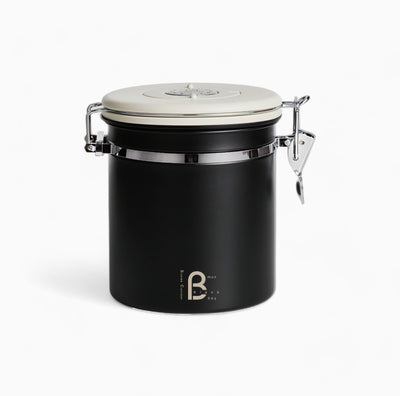
Investing in quality coffee storage pays dividends in every cup you brew. The Airtight Coffee Bean Canister with CO2 Valve represents the gold standard for home preservation. Unlike standard kitchen containers, this purpose-built solution addresses the specific challenges coffee faces.

Airtight Coffee Bean Canister with CO2 Valve
$37.90 $63.00
Protect your beans from oxidation with this stainless steel canister featuring a one-way CO2 exhaust valve and date tracker. Keeps coffee fresh for weeks.
Explore ProductThe stainless steel construction blocks light completely, while the one-way CO2 exhaust valve allows beans to degass naturally without oxygen ingress. The integrated date tracker removes guesswork, letting you monitor exactly how long your beans have been stored. This combination of features extends optimal freshness from weeks to months, making it indispensable for anyone who rotates between multiple coffees or buys in slightly larger quantities.
When selecting storage, prioritize containers that address the four enemies: air, moisture, heat, and light. Avoid clear glass jars (pretty but impractical) and standard plastic containers that trap gases. Store canisters in cool, dark cabinets away from ovens and direct sunlight. Never store coffee near spices or other aromatic foods, as beans absorb odors readily.
Advanced Storage for the Dedicated Home Barista

For enthusiasts managing multiple single-origin offerings or those who travel frequently, specialized solutions enhance your storage ecosystem. The Portable Dual-Mode Travel Coffee Bean Canister 35g ensures your beans maintain integrity during commutes or trips, featuring both airtight and CO2 venting modes depending on your needs.
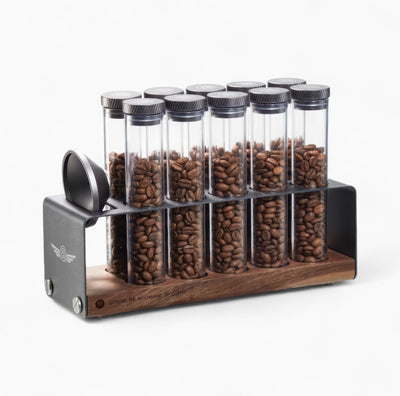
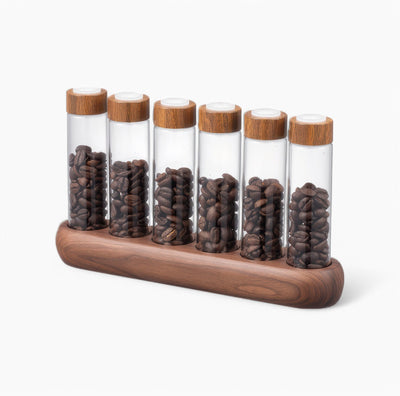
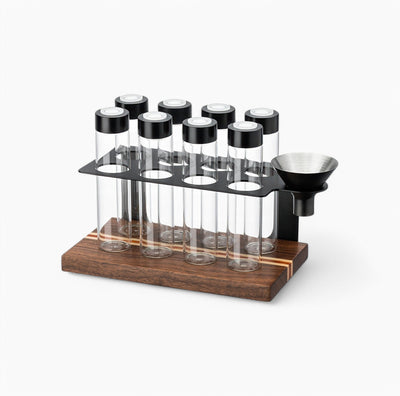
Meanwhile, the Coffee Bean Cellar Tubes With Stand for Espresso organizes multiple varieties in airtight tubes with silicone seals. This system keeps every dose fresh and ready for your morning espresso ritual, preventing the flavor cross-contamination that happens when storing different beans in one container.
Essential Storage Solutions for Fresh Coffee

Portable Dual-Mode Travel Coffee Bean Canister 35g
$25.90
$43.00
Perfect for commuters and travelers, this compact canister holds a single dose with airtight or CO2 venting modes to preserve freshness on the go. Learn more ➔

Coffee Bean Cellar Tubes With Stand for Espresso
$109.90
$200.00
Organize multiple single-origin beans in airtight cellar tubes with silicone seals, keeping every dose fresh and ready for your morning espresso ritual. Learn more ➔
Common Coffee Storage Mistakes to Avoid
The Refrigerator Trap
Despite persistent myths, coffee beans should never be stored in the refrigerator. The constant temperature fluctuations create condensation, introducing moisture to dry beans. Coffee also acts like a sponge for odors, absorbing garlic, onions, and other pungent aromas from your fridge. These flavors transfer directly to your cup, ruining carefully sourced beans.
The freezer presents similar problems with added texture issues. When frozen beans thaw, the expanding ice crystals fracture the cellular structure, accelerating staling once returned to room temperature. If you must freeze coffee for long-term emergency storage, vacuum-seal beans in portioned amounts and thaw completely before opening. Never refreeze.
Overbuying and Underprotecting
Buying five-pound bags to "save money" often results in drinking stale coffee for months. Instead, purchase quantities you can consume within two to four weeks of opening. Resist the urge to display beans in decorative glass containers on countertops. The combination of light exposure and temperature fluctuations from sunlight destroys delicate aromatic oils within days.
Maximizing Your Coffee Investment
Preserving freshness starts at the roaster. Always check roast dates when purchasing, aiming for beans roasted within the past two weeks. Upon bringing coffee home, transfer beans to your Airtight Coffee Bean Canister with CO2 Valve immediately, removing as much air as possible during the transfer.
Consider single-dosing your beans if you own multiple varieties. The Coffee Bean Cellar Tubes excel here, keeping each origin separate and fresh while providing measured doses for your morning espresso routine. This approach minimizes oxygen exposure to your main supply while keeping alternative options accessible.
Finally, remember that freshness is relative to brewing method. Espresso demands fresher beans than cold brew, which can extract adequate flavor from beans several weeks old. Align your purchasing and storage strategy with your primary preparation methods to ensure you're always brewing within the optimal window.
Pro Tip: Write the roast date and opening date on your storage container with a dry-erase marker. This simple habit eliminates guesswork and ensures you consume beans while they're at their peak.
Conclusion: Freshness Is the Foundation of Great Coffee
Understanding when coffee beans expire empowers you to make informed decisions about purchasing, storing, and brewing your precious beans. While coffee doesn't "go bad" in the traditional sense, it certainly goes stale, transforming from a vibrant, complex beverage into a flat, bitter disappointment. By recognizing the signs of degradation and implementing proper storage protocols, you extend the life of your investment significantly.
At Rethink Cafe, we believe that great coffee starts with respect for the bean. From the moment it leaves the roaster to the second it hits your cup, every decision impacts flavor. Our curated collection of bean storage solutions, including the Airtight Coffee Bean Canister with CO2 Valve, Portable Travel Canister, and Coffee Bean Cellar Tubes, ensures that your home barista setup maintains the freshness standards that specialty coffee demands.
Don't let poor storage sabotage expensive beans. Invest in proper equipment, buy fresh and often, and treat your coffee with the care it deserves. Your taste buds will thank you with every aromatic, flavorful cup you brew.
Frequently Asked Questions About Coffee Bean Expiration
Opened coffee beans maintain optimal freshness for 2 to 4 weeks when stored properly in an airtight container away from light, heat, and moisture. After this window, they gradually lose aromatic oils and flavor complexity. While still safe to drink for several months, the vibrant tasting notes and crema quality will diminish noticeably. Whole beans last significantly longer than ground coffee, which begins deteriorating within 30 minutes of grinding.
No, expired or stale coffee beans cannot make you sick in the way spoiled meat or dairy might. Coffee is a dry, roasted product with low moisture content, making it inhospitable to bacteria that cause food poisoning. However, extremely old coffee (6+ months) may develop rancid oils if exposed to heat and light, which can cause digestive upset in sensitive individuals. The primary consequence of expired coffee is unpleasant taste rather than health risk.
Stale coffee beans exhibit several clear signs: faint or musty aroma instead of strong, pleasant fragrance; dull appearance without natural oil sheen; lack of "bloom" when water is added to grounds; and flat, bitter taste without nuanced flavor notes. When brewing espresso, stale beans produce thin, weak crema. The smell test is most reliable—fresh beans should fill a room with coffee fragrance when the bag opens. If you detect cardboard, chemical, or dusty odors, the beans have passed their prime.
No, coffee beans should never be stored in the refrigerator. The temperature fluctuations cause condensation, introducing moisture that accelerates staling and can promote mold growth. Additionally, coffee acts like a sponge for odors, readily absorbing smells from garlic, onions, and other aromatic foods in your fridge. These absorbed flavors transfer directly to your brewed cup. Store coffee in an airtight container at room temperature in a cool, dark cabinet away from heat sources and strong odors.
Unopened coffee beans in factory-sealed bags with one-way valves last 6 to 9 months when stored in a cool, dark place without significant loss of drinkability. However, for optimal flavor, you should consume unopened beans within 1 month of the roast date. Vacuum-sealed nitrogen-flushed bags can extend this to 12 months, though coffee connoisseurs still prefer recent roasts. Once opened, reduce the consumption timeline to 2 to 4 weeks for peak flavor quality, regardless of the original "best by" date printed on the packaging.


